Arkansas Deer Vehicle Collisions
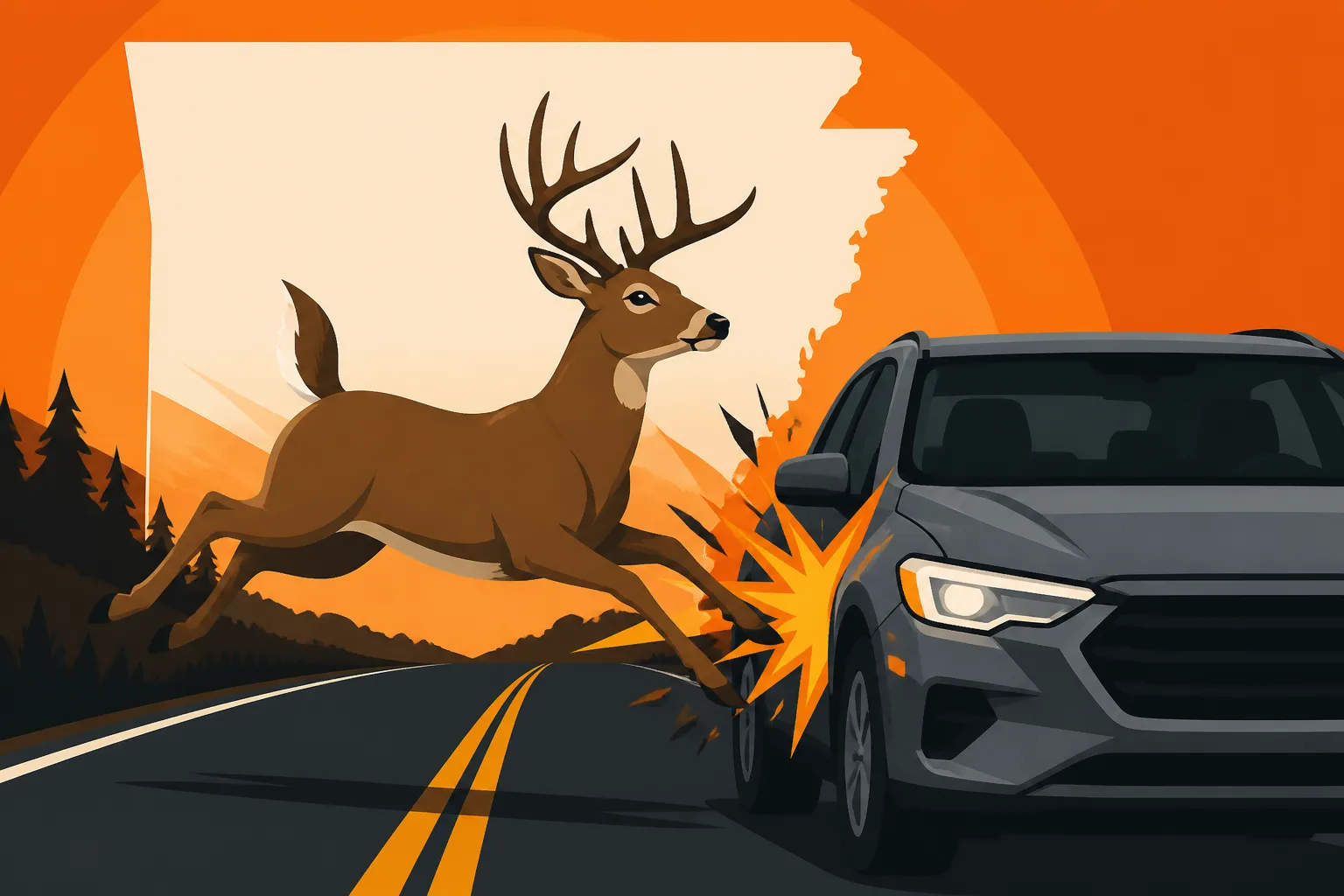
There’s a unique dread that washes over any Arkansan driver when they're on a country road at dawn or dusk: the sudden, horrifying realization that a deer has bounded out of the treeline and into the path of their vehicle. It's a jarring, often costly, and sometimes dangerous reality for drivers across our state. This guide isn't about hunting deer, but about understanding why these collisions happen so frequently and, more importantly, what you can do to prevent becoming another statistic on the road.
The Harsh Reality of Deer Vehicle Collisions in Arkansas
If you’ve driven any significant miles in Arkansas, chances are you’ve either hit a deer, narrowly avoided one, or know someone who has. It’s not just an inconvenience; it’s a genuine hazard that impacts drivers from the Delta to the Ozarks. The collision isn't just a bump; it can be a violent impact with serious repercussions for both the animal and the people in the vehicle.
Why Arkansas is a Hotspot for Deer Collisions
Arkansas is a state blessed with abundant wildlife, and our healthy deer population is something many hunters cherish. However, this blessing can become a curse on our roadways. Our diverse landscapes, from dense bottomland hardwoods to sprawling pine forests and agricultural fields, provide ideal habitat for white-tailed deer. When you combine robust deer numbers—you can get a sense of the scale by looking at the Arkansas Deer Population Estimate—with an extensive network of rural roads, highways, and interstates that cut through prime deer habitat, you create a recipe for frequent encounters.
Think about it: deer live where we drive. They're constantly moving between bedding areas in thickets and feeding grounds in fields or acorn-laden timber. Our roads often intersect these natural travel corridors. Factors like agriculture also play a role; after crops like soybeans and corn are harvested, deer that once had ample cover are suddenly displaced, often leading them to cross roads more frequently in search of new food sources or bedding. It's not just a matter of random chance; there are very predictable patterns in their behavior that contribute to these incidents. You might notice the difference in deer density between different regions, too, which directly impacts local collision rates. For instance, the Delta Versus Ozark Deer Density can show you how much more prevalent deer might be in certain areas, increasing the likelihood of an encounter.
The Real Dangers and Costs Involved
When a deer hits a car, or a car hits a deer, the results are rarely minor. First and foremost, there's the risk of personal injury. A deer crashing through a windshield or impacting the side of a vehicle can cause severe trauma to occupants. I’ve heard countless stories of folks getting cuts, bruises, concussions, or even worse. It’s a terrifying moment, and the instinct to swerve can sometimes lead to even more dangerous scenarios, like hitting an oncoming vehicle, a tree, or rolling your car.
Beyond personal safety, the financial costs can be staggering. We're talking about extensive vehicle damage: crumpled fenders, shattered headlights, broken windshields, radiator damage, and sometimes even structural frame damage that can total a vehicle. The repair bills, especially with today's complex vehicle designs and expensive parts, can run into thousands of dollars. While insurance might cover some of it, you'll still likely face a deductible, increased premiums, and the hassle of being without your vehicle for days or weeks. And let’s not forget the emotional toll; the shock and stress of such an event can linger long after the initial impact. It's a stark reminder that nature and civilization, though coexisting, sometimes collide with harsh consequences.
Understanding Deer Behavior and Peak Collision Times
To effectively avoid deer collisions, you need to think a bit like a deer. Understanding their routines and what drives their movements can give you a significant advantage on the road. It's not just about luck; it's about anticipation.
The Ruts and Their Impact on Deer Movement
If there's one time of year when deer are least predictable and most likely to dart across a road without a second thought, it's during the rut. The rut, or breeding season, transforms bucks from cautious, nocturnal animals into single-minded pursuers of does, often during daylight hours and with little regard for danger. Does, in turn, are actively trying to avoid persistent bucks, leading to frantic movements. This heightened activity makes them less aware of their surroundings, including approaching vehicles.
The timing of the rut varies across the state, but generally spans from late October through early January, depending on the specific deer zone. For example, understanding Hunting the Arkansas Rut by Zone can give you an idea of when deer activity is peaking in your area. You’ll notice that When the Arkansas Rut Peaks by Zone and Why the Rut Runs Late in South Arkansas highlight these regional differences. During this period, deer are literally running on adrenaline and instinct. A buck might be chasing a doe across a field, and if that field ends at a highway, they'll often cross without hesitation. This is when drivers need to be at their absolute highest alert, particularly on roads that border wooded areas or open fields.
Dawn, Dusk, and Other High-Risk Periods
Deer are crepuscular creatures, meaning they are most active during the twilight hours of dawn and dusk. This is when they move most freely between their bedding and feeding areas. Unfortunately, these are also the times when human visibility is lowest, making deer especially hard to spot. The changing light conditions make it difficult for our eyes to adapt, and the deer's natural camouflage helps them blend seamlessly into the low-light environment.
Beyond the daily cycle, certain environmental factors can also increase risk. Heavy fog, rain, or even snow can drastically reduce visibility, making deer even harder to see until it's too late. Furthermore, as mentioned earlier, agricultural harvesting seasons can push deer out of their usual cover. When a farmer harvests a large cornfield or cuts a block of timber, the deer living there suddenly lose their sanctuary and will move to find new bedding, often traversing roads in the process. Be extra cautious if you're driving through agricultural areas during harvest time. It's also worth remembering that just because it's not the rut doesn't mean deer aren't moving. They're constantly seeking food and water, especially during harsh weather or when mast crops like acorns are falling.
How Habitat Influences Road Crossings
Deer are creatures of habit, and their movements are often dictated by the landscape. They’ll establish well-used trails and corridors between prime habitat areas. Many roads, especially in rural Arkansas, were built directly through or alongside these natural pathways. If you're driving a road that cuts through a stretch of bottomland timber connecting to an open field, or a road that follows a creek bottom bordered by thick cover, you're essentially driving through a deer superhighway.
Understanding the terrain and habitat types around you can make a big difference. Deer will frequently cross roads where natural features like creeks, ditches, fence lines, or distinct changes in vegetation create natural funnel points. They also use features like Scrape Lines Along a Logging Road or established trails to move through their territory. If you know the local topography, you can often predict areas where deer are more likely to cross. Tools like Using the AGFC Map Tool or commercial mapping apps like GoHunt can be invaluable resources for identifying these habitat features and potential crossing zones, even if you’re just driving, not hunting. Knowing where deer are likely to be can help you adjust your driving behavior accordingly.
Practical Strategies for Avoiding Deer Collisions
While you can't control deer, you can control your driving. Implementing a few defensive driving strategies and staying aware of your surroundings can significantly reduce your risk of a deer collision.
Defensive Driving Techniques and Awareness
The most effective strategy against deer collisions is defensive driving. It sounds simple, but it's often overlooked in our hurried lives.
- Slow Down: This is paramount, especially at dawn, dusk, and in known deer crossing areas. Lower speeds give you more time to react. On a dark, winding road, that extra second can make all the difference between a near miss and a devastating impact. Pay attention to road signs indicating deer crossings, but don't assume deer only cross there.
- Scan the Shoulders, Not Just the Road: Deer often linger on the shoulder before darting across. Actively scan both sides of the road ahead, looking for reflective eyes or the outline of a deer. Your peripheral vision is crucial here. If you spot something, be prepared to slow down.
- Use High Beams Wisely: When there's no oncoming traffic, use your high beams. They illuminate a much larger area, giving you precious extra seconds to spot deer further down the road or lurking in the ditches. Just remember to dim them for oncoming vehicles.
- Expect More Than One: Deer are rarely solitary creatures. If you see one deer cross the road, immediately assume there are more behind it. Mama does often have fawns trailing them, and during the rut, a buck might be hot on a doe's heels. After the first deer clears, continue to slow down and scan for additional animals.
- Brake Firmly, Don't Swerve: This is critical. If a deer appears suddenly, your instinct might be to swerve violently. Resist this urge. Swerving often leads to loss of control, hitting oncoming traffic, or striking a fixed object like a tree, which can result in far more severe injuries or fatalities than a direct impact with a deer. Brake firmly and stay in your lane. If a collision is unavoidable, hitting the deer head-on is generally safer than losing control of your vehicle.
Utilizing Technology and Roadside Warnings
While nothing beats an attentive driver, there are some aids that can supplement your efforts:
- Road Signs: Those yellow deer crossing signs aren't just decorative; they mark areas where deer activity is historically high. Pay extra attention when you see them.
- Vehicle Technology: Many newer vehicles come equipped with advanced driver-assist systems, such as automatic emergency braking or animal detection. While these systems are helpful, they are not foolproof. Don't rely solely on them; they are designed as aids, not replacements for attentive driving.
- Mapping Apps: While not directly collision prevention, understanding your environment can help. Using detailed mapping apps, like the Using the AGFC Map Tool or commercial options, allows you to see the lay of the land, including wooded areas, fields, and water sources that deer frequent. Knowing the specific Arkansas Deer Zones Explained for where you are driving can also give you insights into local deer behavior patterns and population densities. If you're heading into an area you know is prime deer country, you can adjust your driving mindset. GoHunt, for instance, is well-known in the hunting community for its detailed maps, and while primarily for hunting, it can certainly help a driver understand habitat connectivity around roadways.
- Deer Whistles: These small devices attach to your car and supposedly emit a high-frequency sound to deter deer. Opinions on their effectiveness are mixed, with many experts skeptical. Some drivers swear by them, while others find them useless. If you choose to use one, consider it an extra layer of caution, not a guarantee.
Post-Collision Steps: What to Do if the Unthinkable Happens
Despite all precautions, sometimes a deer collision is unavoidable. If you find yourself in this unfortunate situation, knowing what to do next is crucial for your safety and to handle the aftermath correctly.
- Prioritize Safety: First and foremost, pull your vehicle over to a safe location if possible. Engage your hazard lights immediately to warn other drivers, especially if it’s dark or low visibility.
- Check for Injuries: Assess yourself and any passengers for injuries. Even if you feel fine, adrenaline can mask pain. If anyone is injured, call 911 right away.
- Contact Law Enforcement: Even if damage seems minor, it's wise to call local law enforcement (Arkansas State Police or county sheriff). They can file an official accident report, which is almost always required for insurance claims. They can also assist with traffic control and, if needed, dispatch someone to handle the injured or deceased animal.
- Do NOT Approach the Deer: A wounded deer can be unpredictable and dangerous. It might kick, bite, or try to run, potentially causing further injury to itself or you. It’s best to keep a safe distance.
- Document the Scene: If it's safe to do so, take photos of the scene, your vehicle damage, and the deer (from a distance). This documentation will be invaluable for your insurance claim.
- Salvage Tag Considerations: In Arkansas, if you hit and kill a deer, you generally cannot just take it. You would need to contact law enforcement or the Arkansas Game and Fish Commission (AGFC) for a salvage tag to legally possess the carcass. Laws regarding Deer Transport Rules and general carcass handling, particularly in light of Arkansas CWD Rules and Carcass Transport, mean you can’t just throw it in the back of your truck. Always check with the authorities first.
- Contact Your Insurance Company: Report the incident to your insurance provider as soon as possible. They will guide you through the claims process.
By understanding the risks, knowing deer behavior, and practicing defensive driving, you can significantly reduce your chances of a deer vehicle collision in Arkansas. Stay alert, stay safe!
| Risk Factor | Peak Times/Seasons | Driving Precautions |
|---|---|---|
| Rutting Season | Late Oct – Early Jan (varies by zone) | Extreme caution, especially at dawn/dusk. Assume deer are less aware. |
| Dawn & Dusk | 30 mins before sunrise, 30 mins after sunset | Slow down, use high beams when safe, scan shoulders. |
| Habitat Edges | Anytime | Be wary where woods meet fields, near creeks or dense cover. |
| Crop Harvest | Fall, specific to crop cycles | Increased movement from displaced deer. Extra vigilance. |
| Poor Visibility | Fog, heavy rain, snow | Reduce speed significantly, increase following distance. |
| Roadside Feeding | Anytime, especially during winter | Deer may graze near roadsides, particularly on new growth. |
Disclaimer
This article is for general informational purposes only and does not constitute professional advice. Laws, prices and regulations vary by location and change over time. Consult a qualified professional for guidance on your specific situation.