Arkansas Deer Population Estimate
It can feel overwhelming trying to understand the health of Arkansas's deer herd, especially when all you hear are whispers and rumors from deer camp about "numbers being down" or "not seeing many young deer." This guide isn't here to scare you with doomsday predictions or bore you with dry statistics; instead, we're going to dive deep into how the Arkansas Game and Fish Commission (AGFC) estimates our white-tailed deer population, what those numbers really mean, and how they impact your hunting experience across our diverse state.
Understanding Arkansas's Deer Population Estimates
When you're out in the woods, whether it's the rugged Ozarks or the sprawling Delta, you develop a sense for the deer population. Sometimes it feels like they're everywhere, other times you wonder if you're chasing ghosts. But personal observations, while valuable, can only tell part of the story. State wildlife agencies like the AGFC employ rigorous scientific methods to get a comprehensive picture of the white-tailed deer population across Arkansas. This isn't just about counting deer; it's about understanding trends, health, and distribution, which are critical for effective management.
The Importance of Accurate Numbers
You might be thinking, "Why do I care about a number? I just want to see deer when I hunt!" And that's a fair point. But those numbers, those estimates, are the backbone of every regulation, every season date, and every bag limit that shapes your hunting opportunities. Without reliable data, the AGFC would be flying blind, potentially making decisions that could harm the herd or diminish your chances of success.
Imagine if the population was actually declining, but we kept increasing antlerless tags because we didn't have good data. That could lead to a real crash, something no hunter wants. Conversely, if the population is booming in an area, but regulations are too restrictive, deer could overbrowse their habitat, leading to widespread health issues or agricultural damage. Accurate population estimates allow the AGFC to strike a delicate balance, ensuring a healthy deer herd for future generations while providing ample hunting opportunities for today's sportsmen and women. It's a challenging job, trying to manage a wild resource across such a varied landscape, from the farmlands to the deep woods, and these numbers provide the vital feedback loop needed to make informed choices.
How the AGFC Gathers Data
So, how exactly do they come up with these numbers? It's not like someone just goes out and counts every single deer in Arkansas, right? Absolutely not. The AGFC uses a combination of direct and indirect methods, combining boots-on-the-ground observations with hunter reports and advanced statistical modeling. It's a complex puzzle, but each piece provides valuable insight.
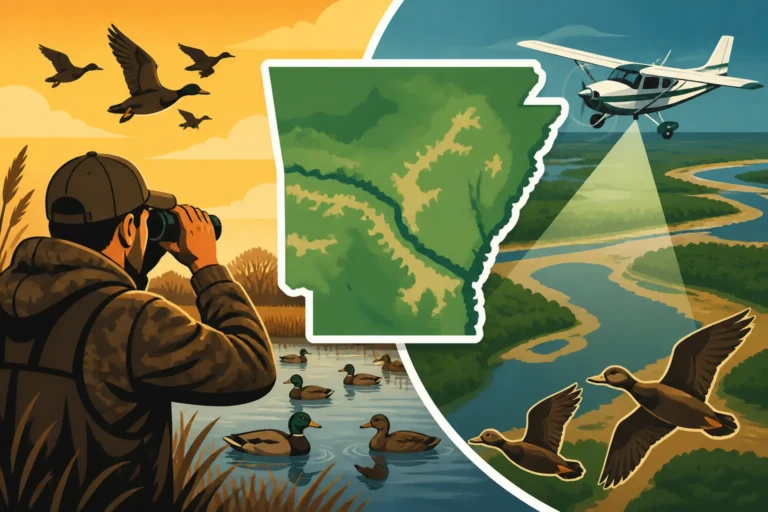
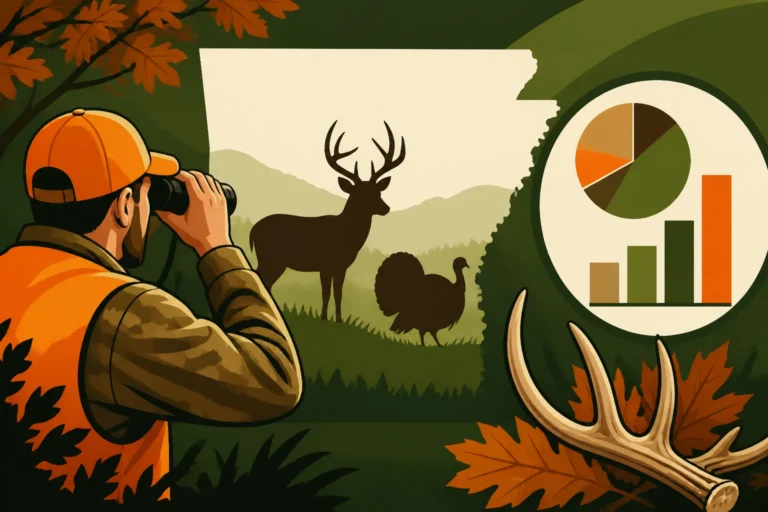
One of the primary ways the AGFC gathers data is through hunter harvest reports. Every time you check in a deer, whether through the phone app, online, or at a checking station, that information feeds into a massive database. They collect details like the county of harvest, the date, sex, and sometimes age of the deer. This gives them a real-time snapshot of removal rates and helps them estimate population trends year over year. You can actually see some of this data compiled in the Arkansas Deer Harvest Records that the AGFC publishes annually. Beyond harvest data, they also conduct aerial surveys in certain regions, often using thermal imaging in winter months when leaves are down to get a better count of deer in specific areas. Another crucial piece of the puzzle comes from the Arkansas Bowhunter Observation Survey, where archers voluntarily report the number of deer they see, broken down by sex and age class, during their hunts. This provides valuable effort-based data that helps estimate deer density. They're also constantly monitoring habitat conditions, conducting fawn survival studies, and collecting samples for disease surveillance, all of which paint a more complete picture of the herd's health and trajectory.
Historical Context and Current Trends
To truly understand where Arkansas's deer population stands today, we need to take a quick trip back in time. It's easy to forget that the abundance we sometimes experience now wasn't always the case. Our state's deer herd has seen some dramatic ups and downs, a testament to both past challenges and successful conservation efforts. Knowing this history helps us appreciate the present and understand the forces that continue to shape the future of deer hunting in Arkansas.
From Near Extinction to Abundance
It’s hard to believe now, but less than a century ago, white-tailed deer were incredibly rare in Arkansas. Unregulated market hunting and widespread habitat destruction in the late 19th and early 20th centuries pushed the population to the brink of extinction. By the 1920s, it's estimated there were only a few hundred deer left in the entire state, primarily isolated pockets in the rugged Ozarks and Ouachitas. Can you imagine? An Arkansas without deer, the very creature that defines so much of our outdoor heritage!
Thankfully, dedicated conservationists and the newly formed Arkansas Game and Fish Commission stepped in. Through ambitious restocking programs, strict hunting regulations, and significant habitat restoration efforts, the deer herd began a slow but steady recovery. Deer were trapped from areas with healthy populations, like Wisconsin and other parts of Arkansas where small pockets had survived, and then released into suitable habitats across the state. This massive undertaking, combined with improved land management and regulated hunting seasons, allowed the population to rebound dramatically throughout the latter half of the 20th century. By the 1970s and 80s, deer numbers were soaring, leading to the robust populations we largely enjoy today. It’s a true conservation success story, and it serves as a powerful reminder of what dedicated efforts can achieve.
Recent Population Dynamics and Influencing Factors
While the overall trend for Arkansas deer has been upward over the last 70 years, the more recent picture shows a dynamic and sometimes challenging landscape. In many parts of the state, especially the Delta and certain river bottoms, deer populations stabilized at high levels, and some areas even experienced overpopulation issues that led to habitat degradation. However, in other regions, particularly the Ozarks and Ouachitas, deer numbers have faced some tougher sledding.
Over the past decade or so, hunters in many areas have noted what feels like a decline in the deer they're seeing. This perception isn't entirely unfounded. Factors like habitat changes – timber harvest practices, agricultural shifts, and forest maturation – play a huge role. For instance, areas that were once ideal with young, dense growth providing abundant browse might mature into older forests, offering less food and cover. Disease, especially the emergence of Chronic Wasting Disease (CWD), has also become a significant concern in certain areas, particularly the northwestern and north-central parts of the state. Additionally, increased coyote populations, while often overhyped as the reason for deer declines, can certainly impact fawn survival rates, especially when coupled with other stressors. The AGFC continually analyzes these interconnected factors to understand the nuances of Arkansas Deer Population Estimate and makes adjustments to regulations accordingly. It's not a static environment, and deer numbers are always responding to these shifting influences.
Regional Differences in Deer Density
Arkansas is an incredibly diverse state, both geographically and ecologically. What works for deer in the flat, fertile Delta might be entirely different from what sustains them in the steep, rocky Ozark Mountains. Consequently, it’s not accurate to talk about a single "Arkansas deer population" without acknowledging the significant regional variations in deer density, health, and hunting opportunities. These differences are something every hunter needs to understand to truly appreciate the landscape they're hunting.
The Delta's Abundance
When most people think of deer hunting in Arkansas, they often picture the sprawling bottomland hardwoods and agricultural fields of the Mississippi Alluvial Plain, more commonly known as the Delta. This region is, without a doubt, the epicenter of deer abundance in the state. The rich, fertile soils, combined with extensive agricultural crops like soybeans, corn, and rice, provide an almost endless buffet of high-quality nutrition for deer. This translates to higher deer densities and, often, larger-bodied and heavier-antlered bucks. You can explore this further by looking into Delta Versus Ozark Deer Density.
Think about a typical Delta landscape: patches of flooded green timber, often managed for ducks, interspersed with vast tracts of agricultural fields and smaller blocks of hardwood timber. This mosaic offers deer the perfect combination of food and cover. They can bed down in dense cover during the day and easily access protein-rich crops at night. This abundance of resources allows for a higher carrying capacity, meaning the land can support more deer per square mile than in other regions. It's not uncommon to see multiple deer in a single outing, and harvest success rates here are often among the highest in the state. Many hunters swear by the Delta for its sheer numbers, and it's certainly where many of Arkansas's biggest deer come from, a topic explored in Why Delta Bucks Grow Bigger.
Ozark and Ouachita Challenges
Venturing into the Ozark and Ouachita Mountain ranges presents a stark contrast to the Delta. Here, the landscape is characterized by rugged terrain, steep ridges, deep hollows, and predominantly forested habitats, largely composed of oak-hickory forests and pine plantations. While beautiful and wild, these areas generally have lower deer densities compared to the Delta.
The primary reason for this difference is habitat quality. The mountainous regions, particularly the higher elevations and extensive public lands like the Ozark and Ouachita National Forests, typically offer less diverse and lower-quality forage. While acorns are a vital food source in the fall, other seasons can be leaner. The natural forest succession often leads to a mature canopy, which shades out much of the undergrowth that deer browse on. Furthermore, the topography itself can make deer movements more predictable but also concentrates hunting pressure. Hunters often face the challenge of finding consistent food sources and cover in these vast, unbroken stretches of timber. Deer here tend to be smaller-bodied, and while trophy bucks are certainly present, they are generally harder to come by than their Delta counterparts. These challenging conditions often require different hunting strategies, emphasizing understanding Wind and Thermals in Ouachita Hollows and focusing on transitions and specific food sources.
The Piney Woods and River Valleys
Beyond the extremes of the Delta and the mountains, Arkansas also boasts significant areas of pine forests in the south and central parts of the state, as well as numerous river valleys that crisscross all regions. These areas often present a mix of challenges and opportunities for deer.
The Piney Woods, dominated by commercial timber operations, can be a mixed bag. Recently harvested clearcuts or young pine plantations (1-10 years old) can offer incredibly dense browse and cover, leading to localized pockets of high deer density. However, once these pines grow taller and close off the canopy, the deer habitat quality significantly declines. Therefore, deer populations in these areas can fluctuate dramatically depending on the timber cycle. Hunters here often focus on Hunting a Cutover Two Years After Logging to capitalize on the prime browse. River valleys, on the other hand, often act as crucial corridors and provide consistently good habitat. Even in the Ozarks, the river bottoms will typically hold more deer and offer better forage than the surrounding uplands. These areas combine diverse hardwood species, agricultural edges, and water sources, creating prime deer habitat that can support robust populations, offering a balance between the nutrient richness of the Delta and the ruggedness of the mountains.
Factors Influencing Deer Numbers
The number of deer you see on your trail camera or during a hunt isn't just random; it's the result of a complex interplay of environmental and biological factors. Understanding these influences can help you become a more effective hunter and a more informed conservationist. It also helps explain why deer populations can boom in one area and struggle in another, even within the same state.
Habitat and Food Availability
At its core, a deer population's size and health are directly tied to the quality and quantity of its habitat. Deer are creatures of their environment, and what the land provides directly dictates how many can survive and thrive. This isn't just about having trees; it's about having the right kind of trees, shrubs, and forbs that offer both sustenance and security.
Consider food availability: deer are browsers, meaning they prefer to eat leaves, shoots, and twigs from a variety of plants, supplemented by acorns, fruits, and agricultural crops. Areas with diverse plant life, especially those with early successional growth (young plants that come up after a disturbance like logging or fire), provide abundant and nutritious forage. Conversely, mature, unbroken forests with a closed canopy often have a sparse understory, limiting food options. That's why managing habitat, often through prescribed burns, selective logging, or creating food plots, is so vital. When food is scarce, deer can become malnourished, leading to lower fawn survival rates, reduced antler growth, and increased susceptibility to disease. On the flip side, areas with abundant food, like agricultural fields in the Delta, can support higher deer densities and healthier animals. It's a delicate balance; too many deer for the available food can lead to overbrowsing, damaging the habitat itself and eventually leading to a population crash.
Hunting Pressure and Harvest Data
Hunting plays a critical role in managing deer populations, acting as the primary tool for keeping numbers in check and maintaining a healthy balance with the habitat. While some might view hunting solely as a recreational pursuit, its conservation impact cannot be overstated. The AGFC uses harvest data, like that reported when hunters complete Arkansas Deer Checking and Tagging requirements, to gauge the pressure on the herd and make informed decisions about future seasons.
High hunting pressure in a particular area, especially if it's unregulated or heavily skewed towards harvesting antlerless deer, can certainly depress local deer numbers. Conversely, if hunting pressure is too low, or if regulations are too conservative in areas with abundant deer, populations can grow too large, leading to habitat degradation and increased instances of disease. The AGFC carefully analyzes harvest numbers, hunter effort, and buck-to-doe ratios to tailor regulations for different zones across the state. For instance, in areas with high deer populations and concerns about overbrowsing, antlerless harvest opportunities might be more generous. In regions where deer numbers are lower or management objectives prioritize older age class bucks, antlerless harvest might be more restricted, and rules like The Arkansas Three-Point Rule are implemented. These regulations are designed to manipulate the population structure, aiming for a healthy, balanced herd that can sustain itself and provide quality hunting for years to come. Many hunters now use digital mapping tools like GoHunt to analyze public land pressure and find areas less frequented by others, helping them choose smarter hunting locations.
Disease and Predation
Beyond habitat and hunting, natural factors like disease and predation also exert significant influence on deer populations. While often less visible, these elements can have profound impacts, especially when combined with other stressors.
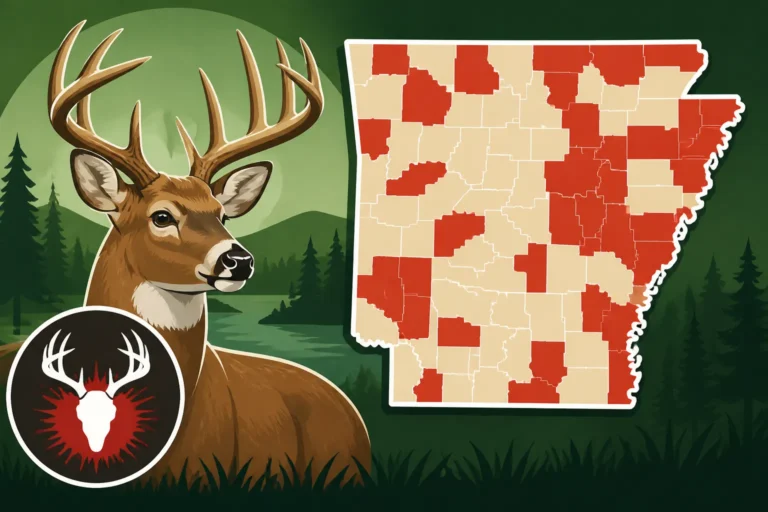
Chronic Wasting Disease (CWD) is perhaps the most concerning disease currently affecting Arkansas's deer herd. This neurological disease, which is always fatal, was first detected in Arkansas in 2016 and has since spread to numerous counties, primarily in the Ozarks. CWD can significantly impact local deer populations, and the AGFC has implemented extensive monitoring and management strategies, including specialized Arkansas CWD Rules and Carcass Transport regulations, to try and slow its spread and mitigate its effects. Other diseases, like Epizootic Hemorrhagic Disease (EHD), can also cause localized die-offs, especially during drought years when deer gather around fewer water sources, increasing transmission rates. While less impactful on overall population numbers than CWD, EHD outbreaks can certainly be distressing for hunters witnessing dead deer.
Predation, primarily by coyotes, also plays a role, particularly in fawn survival. While adult deer are generally less vulnerable to coyotes, young fawns are easy prey. In areas with high coyote densities and poor fawn cover, predation can be a limiting factor on population growth. However, it's important to remember that coyotes are just one piece of a much larger ecological puzzle. A healthy deer population with good habitat can usually withstand a certain level of predation. It's when deer populations are already stressed by poor habitat, disease, or other factors that predation can have a more pronounced impact on overall numbers. Understanding these dynamics is crucial for comprehensive deer management.
The Impact of Management Strategies
The Arkansas Game and Fish Commission isn't just observing; they are actively managing the deer herd through a variety of strategies designed to ensure its health and sustainability. These strategies, from establishing hunting zones to implementing specific harvest regulations, directly influence the deer population and, by extension, your hunting experiences. It's a constant balancing act, adapting to ecological shifts, public input, and the latest scientific research.
Zone Regulations and Bag Limits
One of the most fundamental tools the AGFC uses to manage the deer population is the division of the state into different deer zones, each with its own specific regulations and bag limits. You can find detailed information on these zones in Arkansas Deer Zones Explained. This zonal approach acknowledges the diverse habitats and deer densities across Arkansas. For instance, Zone 1 in the Ozarks, characterized by lower deer numbers and more challenging terrain, often has more conservative antlerless bag limits and shorter seasons compared to, say, Zone 5 in the Delta, which might allow for more liberal antlerless harvest due to higher deer densities.
The bag limits themselves are carefully calculated based on population estimates, harvest data, and management objectives for each zone. The goal isn't just to allow hunters to take deer, but to manage the population's growth, age structure, and health. If a zone is experiencing overpopulation, increasing antlerless tags can help bring numbers down to a more sustainable level. If a zone's deer population is struggling, reducing antlerless opportunities or shortening seasons can help protect breeding stock and allow numbers to recover. These rules are designed to give the AGFC flexibility to respond to specific local conditions rather than a one-size-fits-all approach, which would be ineffective given Arkansas's varied landscape. Hunters, in turn, need to be hyper-aware of these zone boundaries and their associated rules to ensure legal and ethical hunting practices. Checking How Many Deer You Can Take in Arkansas is always a good practice before heading out.
The Three-Point Rule's Influence
A significant management strategy implemented in several Arkansas deer zones is the "Three-Point Rule," which dictates that a legal buck must have at least three points on one side of its antlers (not including the brow tine) or have an antler spread of at least 15 inches. This rule, designed to increase the number of older age class bucks in the population, has had a profound impact since its introduction.
Before the Three-Point Rule, many yearling bucks (1.5 years old) were harvested, as any antlered deer was generally legal. This meant that a large percentage of bucks never had the chance to reach their full antler potential or contribute to the gene pool for more than one breeding season. By protecting these younger bucks, the rule allows them to survive for at least another year, increasing their chances of breeding and developing larger antlers. The result, in many areas where it's been in effect, has been a noticeable shift in the buck age structure, with more 2.5 and 3.5-year-old bucks being seen and harvested. This isn't just about bigger antlers for hunters; it also means a more balanced population with a more natural buck-to-doe ratio, which can improve rut behavior and overall herd health. While not without its detractors, who sometimes lament passing up a legal, smaller buck, the Three-Point Rule has largely achieved its objective of fostering a healthier, more mature buck population in the zones where it's applied, leading to more enjoyable hunting experiences and an increased chance of encountering a quality animal.
CWD Management Efforts
The detection and spread of Chronic Wasting Disease (CWD) in Arkansas have necessitated significant and ongoing management efforts from the AGFC, directly impacting how and where hunters pursue deer. This isn't just a regulatory formality; it's a critical response to a serious threat to the long-term health of our deer herd.
In response to CWD, the AGFC has established CWD Management Zones, primarily encompassing the counties where the disease has been detected or is deemed at high risk. Within these zones, specific regulations are in place to try and control the spread of the disease. These include mandatory CWD testing in certain areas during the opening weekend of modern gun season, restrictions on the transport of deer carcasses out of CWD zones, and prohibitions on feeding deer or using bait. The reasoning behind these measures is sound: CWD is spread through direct contact and contaminated environments, so limiting the congregation of deer (through feeding bans) and preventing the movement of potentially infected carcasses or parts helps reduce transmission. Hunters are often required to leave spinal columns and brains at the point of kill or dispose of them properly to prevent further environmental contamination. While these regulations can sometimes feel like an added burden, they are a vital component of the state's strategy to protect the overall deer population. The AGFC also offers voluntary CWD testing for hunters outside of mandatory periods, emphasizing the collaborative effort needed to combat this disease. You can learn more about Chronic Wasting Disease in Arkansas through AGFC resources.
What These Estimates Mean for Hunters
For you, the hunter, all these numbers, zones, and regulations boil down to one thing: how to have the best possible hunting experience in Arkansas. The deer population estimates and the management strategies derived from them aren't just abstract concepts; they are practical tools that can guide your decisions, from where you hunt to what type of deer you target. Ignoring them means missing out on valuable insights that could lead to more success and satisfaction in the woods.
Planning Your Arkansas Deer Hunt
Understanding the deer population estimates by zone is perhaps the most crucial piece of information for planning your Arkansas deer hunt. If you're looking for an area with high deer numbers and a good chance at harvesting an antlerless deer for the freezer, you might focus your efforts on a Delta zone with liberal bag limits. If your goal is to pursue an older, more mature buck, you might look at zones with the Three-Point Rule, knowing that the population structure is skewed towards older age classes. Many serious hunters use online mapping tools, like those offered by GoHunt, that often integrate AGFC harvest data, public land boundaries, and habitat layers to pinpoint promising areas.
Beyond just population numbers, consider the specific habitat types that tend to hold deer in each region. In the Ozarks, you'll be looking for oak flats, benches, and thickets that provide food and cover, perhaps even scouting Ozark National Forest Hunting for transition areas. In the Delta, you'll be focusing on the edges of agricultural fields, sloughs, and patches of thick bottomland timber. Knowing the regional nuances, from typical deer movement patterns to preferred food sources, is far more effective than just randomly picking a spot. It's also wise to check the Arkansas Deer Seasons and Zone Limits well in advance, paying close attention to specific open dates for modern gun, archery, and muzzleloader seasons in your chosen zone, as these can vary significantly.
Future Outlook for Deer Hunting
The future of deer hunting in Arkansas looks promising, though it's not without its challenges. The AGFC remains committed to managing the herd for health and sustainability, adapting to new information and emerging threats. While CWD remains a significant concern in certain areas, ongoing research and management efforts aim to mitigate its impact. Habitat loss and fragmentation, particularly in rapidly developing areas, also present long-term challenges that require proactive conservation.
However, the dedicated efforts to restore and maintain the deer herd have created a robust resource. Hunter education programs continue to foster ethical hunting practices, and the commitment of Arkansas hunters to conservation through license sales and voluntary reporting helps fund critical wildlife management initiatives. As hunters, our role extends beyond just harvesting animals; it's about being informed stewards of the resource. By understanding the science behind deer population estimates, respecting regulations, and actively participating in conservation, we can help ensure that future generations will continue to enjoy the rich tradition of deer hunting in the Natural State. The Arkansas deer herd is a resilient and well-managed resource, and with continued dedication from the AGFC and the hunting community, it will continue to thrive.
Disclaimer
Please remember that hunting regulations, season dates, and deer population dynamics can change frequently based on biological factors, hunter harvest, and decisions by the Arkansas Game and Fish Commission. Always consult the most current official AGFC regulations before planning or undertaking any hunting activity in Arkansas. This guide is intended for informational purposes only and should not be considered a substitute for official legal guidance or specific hunting advice from trained professionals.