Reading an Arkansas Harvest Report
You've been out there, putting in the miles, scouting hard, and wondering just what the deer and turkey populations are really doing in your favorite hunting spots. It can feel like you're often hunting blind, relying on anecdotal evidence or last year's luck. The good news is, there's a treasure trove of data published every year by the Arkansas Game and Fish Commission (AGFC) that can help you make more informed decisions, and this guide will walk you through exactly how to read and interpret those crucial Arkansas harvest reports.
Why Harvest Reports Matter More Than You Think
It's easy to dismiss those annual harvest reports as just a bunch of numbers. Maybe you glance at the statewide total, shrug, and go back to checking your trail camera. But that's where many hunters miss a huge opportunity. These reports aren't just for statisticians; they are a direct look into the health of our game populations and the success (or struggles) of hunters across the state. They offer invaluable insights that can transform your hunting strategy from guesswork into an educated approach, reducing frustration and increasing your odds of success.
Moving Beyond Anecdotal Evidence
How often have you heard, "Deer numbers are way down around here!" or "I haven't seen a turkey in years!"? While personal observations are certainly valid, they represent a tiny snapshot of a much larger picture. A single hunter's experience, even over a season, is localized to a few acres or a specific WMA. Harvest reports, on the other hand, compile data from tens of thousands of hunters across entire counties and zones. This massive dataset allows you to see if those localized observations are part of a broader trend or just unique to your specific hunting pressure or habitat. It helps separate personal bad luck from a genuine decline in a game population.
For instance, you might be struggling to find deer on a heavily hunted public land tract, but the county-level report could show that overall deer harvest is stable or even increasing in private land areas nearby, indicating a pressure issue rather than a population problem. This kind of insight empowers you to adapt, perhaps by seeking different hunting locations or adjusting your tactics.
Understanding Population Health and Trends
The AGFC uses harvest data as a critical tool for managing wildlife populations. By tracking how many animals are taken each year, where they're harvested, and even characteristics like age and sex, they can assess population health, reproduction rates, and the impact of regulations. As hunters, understanding these trends gives us a deeper appreciation for conservation efforts and helps us hunt more responsibly. Are doe harvests sufficient to control population growth? Is the buck age structure improving under the three-point rule in certain zones? These are questions the reports can help answer.
Think about turkey hunting: if statewide poult-to-hen ratios have been low for several years, a low turkey harvest number in the report isn't just a number; it's a reflection of poor hatches and a potential decline in the overall population, which might influence your decision to be more selective or even switch your focus to other species that year. Reviewing trends over several years, perhaps using a tool like GoHunt for overlaying data, can highlight significant shifts.
Decoding the Key Sections of an Arkansas Harvest Report
Arkansas harvest reports, usually released by the AGFC well after the season concludes, are structured to provide a wealth of information. They typically break down data by species, county, hunting method, and sometimes even by specific WMA. Knowing what each section represents is the first step to unlocking their full potential.
Statewide and County-Level Harvest Totals
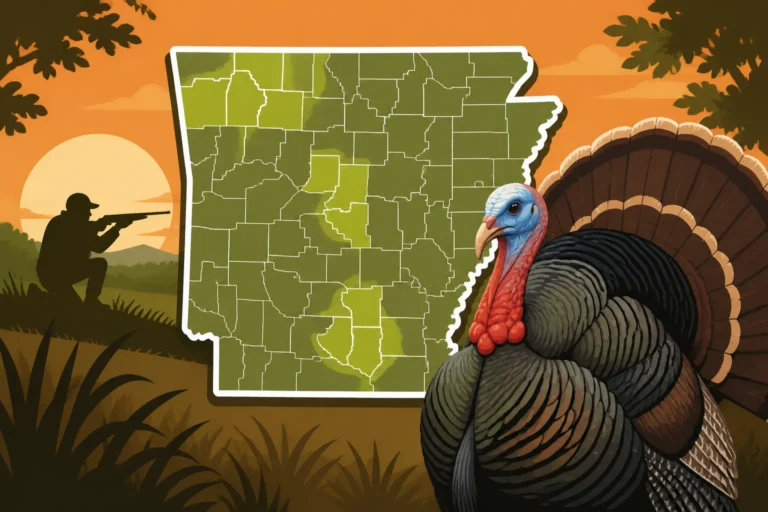
The most prominent figures you'll see are the overall statewide harvest totals for deer, turkey, bear, and other game animals. These give you a broad overview. However, the real gold is often found when you drill down to the county level. Each county will typically show its total harvest for antlered bucks, antlerless deer, and often specific breakdowns for archery, modern gun, and alternative firearms seasons. For turkeys, you'll see gobbler harvests broken down by spring season.
When you're looking at county data, don't just focus on the highest numbers. Consider the geographical size of the county and its habitat. A large county with vast tracts of national forest might have a high total harvest, but a lower deer density than a smaller county dominated by agriculture. Comparing the change in harvest numbers year over year for a specific county can be more telling than just the absolute number. For example, if you consistently hunt Union County, a significant dip in its antlered buck harvest might signal something worth investigating, perhaps a shift in habitat or increased pressure. You can see how these numbers factor into larger trends by reviewing Arkansas Annual Deer Harvest.
Harvest by Hunting Method and Season Segment
One of the most useful breakdowns in the report is often by hunting method: archery, modern gun, and alternative firearms for deer. This allows you to see which methods are most productive in different areas. In some counties, archery harvest might be surprisingly high, indicating strong deer numbers even before the gun seasons begin. Or, you might see that a particular modern gun season segment, like the Christmas hunt, accounts for a large percentage of the overall harvest, which can guide your planning.
Similarly, turkey reports detail spring gobbler harvest. This can give you an idea of the relative success rates across zones. If you're wondering When Arkansas's Archery Deer Season Opens or planning for the more intense Arkansas Modern Gun Deer Hunting periods, knowing which methods yield the most success in your chosen area can help you prioritize your time and tactics. For specific zones, this data directly reflects the impact of regulations like The Arkansas Three-Point Rule and how it influences the harvest of specific age classes of bucks.
Age and Sex Data (When Available)
Some reports, particularly for deer, might include data on the age structure of harvested bucks (e.g., number of 1.5, 2.5, 3.5+ year old bucks). This information is incredibly valuable for assessing herd health and management success. A healthy herd, especially one managed for quality, will show a good percentage of older age-class bucks in the harvest. If you're seeing a high proportion of yearling bucks (1.5 years old) in the harvest, it might suggest heavy pressure on younger animals.
Similarly, antlerless deer harvest numbers are crucial for population control. If a county has a high deer population, a robust doe harvest is essential to maintain balance and prevent overpopulation, which can lead to habitat degradation and disease. These numbers often reflect the management goals for different deer zones.
Turning Data into Actionable Hunting Strategy
The real power of harvest reports comes from transforming raw data into practical hunting knowledge. It’s not enough to just look at the numbers; you need to know how to apply them to your own hunting scenarios.
Identifying High-Potential Areas
Harvest reports are excellent for identifying areas with consistent, high harvest numbers. While these areas might also see more hunting pressure, their sustained success indicates a strong game population and favorable habitat. If you're looking for a new spot, scanning the counties with the highest deer or turkey harvests can give you a starting point. Which Arkansas County Kills the Most Deer is a question directly addressed by these reports.
However, remember that high harvest numbers can also mean high hunter density. For deer, look for counties with consistently good buck harvest numbers over several years, especially those adjacent to less-pressured areas. For turkeys, identifying counties that continue to produce good gobbler numbers, even with recent challenges to turkey populations, can point you toward resilient bird populations. You might consider cross-referencing this with public land availability or using a tool like GoHunt to compare harvest data with land ownership maps.
Timing Your Hunts for Peak Activity
While harvest reports don't give you daily "rut calendars," they can hint at when hunting pressure and, therefore, deer activity peaks. For instance, if you see a disproportionately high buck harvest during a specific modern gun weekend in a particular zone, it suggests that many hunters are out, and deer are moving, either naturally or due to pressure. For archery hunters, understanding that the statewide When the Arkansas Rut Peaks by Zone aligns with certain harvest spikes can help you schedule your vacation days for maximum impact.
For turkey hunting, reviewing the distribution of harvest throughout the spring season can give you a feel for when most birds are being taken. This can influence whether you hunt early in the season when gobblers are still eager to breed, or later, when some might become more responsive as hens begin nesting. This isn't just about general season dates, but about fine-tuning your approach within those dates based on historical success.
Evaluating Regulations and Their Impact
Harvest reports are a direct reflection of how regulations, like season dates, bag limits, and antler restrictions, are impacting game populations. For example, if a specific zone has a three-point rule, you can often see its effect in the age class data for harvested bucks, ideally showing an increase in older bucks over time. Understanding What the Three-Point Rule Did to Arkansas Bucks comes directly from these reports.
For antlerless harvest, the reports show whether hunters are effectively managing doe populations. If antlerless harvest is consistently low in an area known to have a high deer density, it might indicate a need for more hunter participation in doe harvesting or a possible future change in regulations. These reports allow you to see the real-world consequences of management decisions, making you a more informed and engaged conservationist.
Beyond the Numbers: The Limitations and Nuances
While incredibly valuable, harvest reports aren't the be-all and end-all. They offer a snapshot, not the complete picture, and it’s important to understand their limitations to interpret them realistically.
What Harvest Reports Don't Tell You
Harvest reports are based on reported harvests, which means they rely on hunters checking their game. While compliance is generally good, there's always a margin of error. They also don't tell you how many hunters were unsuccessful, or how many animals were present but not harvested. A low harvest number could mean fewer animals, or it could mean challenging hunting conditions, low hunter effort, or smart game that avoided hunters.
Furthermore, these reports don't account for game that might have been harvested illegally or gone unrecovered. They also typically don't include extensive details on habitat quality, predation levels, or specific weather impacts that could have influenced hunter success or game movement. For a deeper dive into population estimates, you might look into How AGFC Counts Deer and Turkeys and The Arkansas Bowhunter Observation Survey, which combine harvest data with other survey methods.
Considering Hunter Effort and Pressure
A high harvest in a particular county might simply reflect a high number of hunters in that area, rather than an exceptionally dense game population. Conversely, a low harvest could be due to low hunter numbers, even if the game population is healthy. This is especially true on smaller WMAs or less accessible public lands. The reports don't always directly measure hunter effort or density, so you need to consider this context.
When you see a county with consistently high harvest numbers, it's a good bet that it also sees significant hunting pressure. This doesn't mean you should avoid it, but it does mean your tactics might need to be more specialized, focusing on scouting harder or hunting less accessible areas. For instance, if you're looking at reports from the Delta and see high numbers, remember that areas like Bayou Meto WMA can draw huge crowds, impacting your personal success despite overall high harvests.
Localized Conditions Versus Broad Trends
A statewide or even county-level report can mask significant localized variations. Your particular hunting spot, whether it's a small private parcel or a remote corner of a national forest, might not perfectly align with the broader trends. Habitat features, food sources, water availability, and local pressure can all create micro-environments where game populations behave differently than the county average.
Always use the harvest report as a starting point, not the definitive answer. Combine the broad trends you learn from the report with your own scouting, trail camera intel, and on-the-ground observations. If the report says your county has great deer numbers, but your immediate area seems barren, it’s a cue to expand your scouting efforts or reassess your tactics within that locale, perhaps trying a different stand location or adjusting your calling strategy for turkeys. Looking into Arkansas Wildlife Disease Monitoring can also provide local context for population health beyond just harvest numbers.
| Harvest Report Section | What it Tells You | How to Use It |
|---|---|---|
| Statewide Totals | Overall health of a species across Arkansas. | General awareness, understand broad AGFC management goals. |
| County Totals (Deer) | Number of bucks and does harvested in a specific county. | Identify high-potential counties, compare to your local observations. |
| County Totals (Turkey) | Number of gobblers harvested in a specific county. | Pinpoint strong turkey populations, plan spring hunts. |
| Harvest by Weapon Type | Which hunting methods (archery, modern gun) are most successful. | Tailor your equipment and season focus for a given area. |
| Harvest by Season Segment | Success rates during different parts of the season. | Optimize your hunting schedule, identify peak activity periods. |
| Age Class Data (Deer) | Proportions of young vs. mature bucks harvested. | Assess herd health, evaluate management success of antler restrictions. |
| Antlerless Harvest | Hunter participation in doe harvesting. | Understand population control efforts, identify overpopulation/underpopulation. |
Remember, harvest reports are just one tool in your hunting toolbox. They offer incredible value when interpreted thoughtfully and combined with your own experience and scouting efforts. They allow us to participate more fully in the conservation process and hunt smarter, not just harder.
Disclaimer
This article is for general informational purposes only and does not constitute professional advice. Laws, prices and regulations vary by location and change over time. Consult a qualified professional for guidance on your specific situation.