Where Arkansas Gobblers Roost
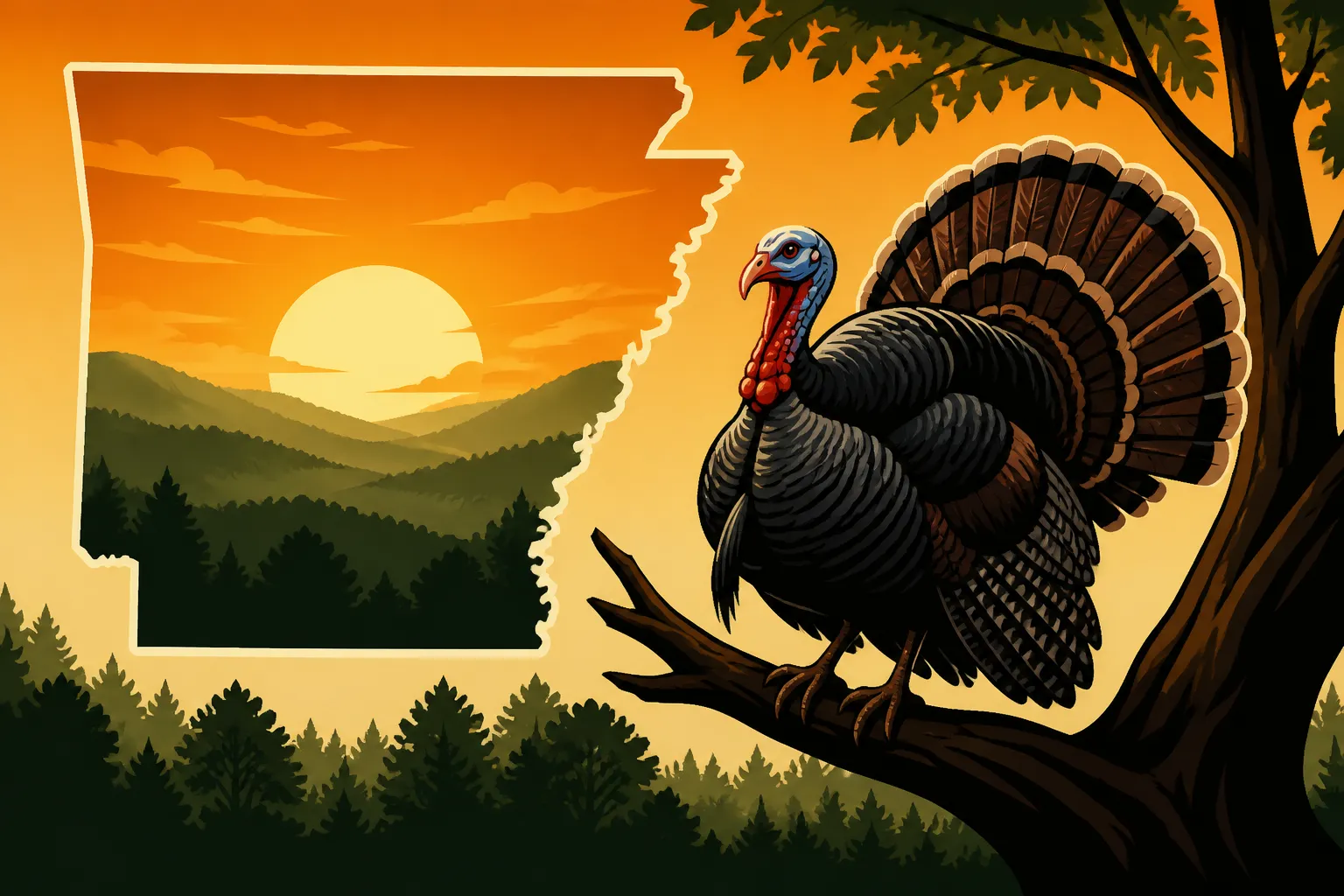
There's nothing quite like the anticipation of a spring morning in the Arkansas woods, listening for that first gobble, but if you don't know where those birds are roosting, you're practically hunting blind. Knowing precisely where Arkansas gobblers prefer to settle in for the night is a game-changer, allowing you to position yourself for that critical pre-dawn setup. This comprehensive guide will walk you through understanding gobbler roosting habits, identifying prime habitat, and employing effective scouting tactics to put you closer to those morning thunder claps.
Understanding Gobbler Roosting Behavior in Arkansas
Wild turkeys, especially mature gobblers, are creatures of habit, but their habits are also dictated by a complex interplay of environmental factors. Roosting isn't just about finding a tree; it's a strategic decision for survival and comfort, particularly in a state as diverse as Arkansas.
Why Gobblers Roost Where They Do
Gobblers don't just pick any old branch to spend the night. Their choice is driven by a primal need for security from ground predators like coyotes, bobcats, and even feral hogs. A higher vantage point allows them to see and hear danger approaching from a distance, both when they fly up at dusk and when they fly down at dawn. They're looking for sturdy, horizontal limbs that can comfortably support their weight, often high off the ground, giving them an unobstructed view. Think of it as their natural fortress against nighttime threats. The decision isn't just about safety, though; it's also about convenience. They want to be near food sources, potential strutting zones, or areas where hens might gather in the morning.
Roosting Patterns and Predictability
While a gobbler might occasionally switch up his exact roost tree, often due to disturbance or changing food availability, they tend to favor general areas. If you find a gobbler roosting on a particular ridge point or along a specific creek bottom, chances are he (or other gobblers) will use that area repeatedly throughout the season. This predictability is a hunter's best friend. They might have a primary roost tree, but also several backup options within a 100-200 yard radius. This makes pre-season scouting so crucial. Arkansas Turkey Population Trends can sometimes offer insights into general turkey density, which in turn influences how many roosting options birds might have in a given area. Understanding these patterns allows you to focus your scouting efforts and return to productive spots year after year.
Key Habitat Features for Roosting Sites
Arkansas's varied landscape, from the steep, rocky Ozark Mountains to the flat, flooded timber of the Delta, means that what constitutes a prime roost site can differ significantly. However, some fundamental features remain consistent across all terrains.
Tall, Sturdy Trees with Open Understories
No matter the region, gobblers gravitate towards the tallest, most robust trees with strong, wide, horizontal limbs. In the Ouachitas and Ozarks, this often means old-growth pines, towering white oaks, or massive hickories on ridge tops or along steep bluffs. These trees provide the necessary height for security and a good launchpad for flying down. The open understory beneath these trees is equally important; it allows the birds a clear flight path up and down, minimizing obstructions that could hinder an escape or cause injury. They don't want to get tangled in thick brush as they ascend or descend. This preference for open ground often leads them to roost along field edges, old logging roads, or thinned timber stands where visibility and flight are unrestricted. You'll rarely find a gobbler roosting in a thicket of young saplings.
Topographical Advantages and Water Sources
Gobblers are smart, and they use topography to their advantage. In mountainous regions like the Ozarks and Ouachitas, they often roost on the highest points of a ridge, on a bluff overlooking a valley, or on a finger ridge that extends into a hollow. These elevated positions offer maximum visibility and allow them to hear distant gobbles, assessing competition and potential hen locations. You might find them along the top of a deep ravine or on a hillside with a southern exposure that catches the first rays of morning sun.
| Feature Type | Ozarks/Ouachitas (Mountains) | Delta (Lowlands/River Bottoms) | Why Gobblers Prefer It |
|---|---|---|---|
| Primary Roost Tree | Tall Pines, White Oaks, Hickories on ridge tops/bluffs | Large Cypress, Tupelo, Water Oaks in or near flooded timber | Height, sturdy limbs, clear flight path, historical use |
| Elevation/Safety | Ridge points, bluff lines, finger ridges, high ground | River banks, levees, slightly elevated humps within timber | Escape from ground predators, visibility, thermal advantages |
| Understory | Relatively open, clear of dense brush | Open water, sparse undergrowth | Unobstructed flight for takeoff/landing |
| Proximity | Near open fields, logging roads, hardwood bottoms, food plots | Near fields, food plots, dry land edges, water bodies with food | Access to food, strutting zones, hens, water for insects |
In the flat delta regions, where significant elevation changes are rare, gobblers often choose the tallest trees along river banks, levees, or slight rises in the terrain, particularly those bordering open fields or flooded timber. These "islands" of higher ground, even if only a few feet, offer a similar advantage for predator avoidance. Water sources, whether creeks, rivers, or ponds, are also crucial. Not only do they attract hens, but they also host insects and provide a clear, open flight path. Look for mature cypress, tupelo, or water oaks that rise above the canopy in these wet environments. Where Arkansas Gobblers Roost can often be directly correlated with these features.
Scouting Strategies for Locating Roosts
Finding a gobbler's roost isn't always about hearing him gobble at dawn. Dedicated scouting, especially before the season opens, is your most effective tool.
Pre-Season Reconnaissance and Map Work
Long before opening day, you should be putting boots on the ground and fingers on maps. Use topographical maps or digital mapping tools like GoHunt to identify potential roosting areas. Look for those prominent ridge points, bluff lines, and mature timber stands that fit the criteria discussed earlier. In the Delta, pinpoint levees, elevated strips of timber, or large, isolated trees near agricultural fields. Look for areas where timber transitions to open fields or clear-cuts. These transition zones often provide both food and secure roosting options. Tools like GoHunt can help you visualize the terrain and pinpoint these key features, saving you countless miles of aimless wandering. You can mark potential roost trees or areas and then verify them in person. This systematic approach greatly increases your odds. Scouting Arkansas Public Land Before Season is always a good idea, and this applies doubly to finding roosts.
Listening and Visual Cues
The most obvious way to locate a roost is to listen for a gobbler's morning and evening calls. Get out to your chosen scouting areas well before sunrise or in the late afternoon. During the hour before dark, listen for "fly-up" cackles and soft gobbles as birds fly up to roost. At first light, listen for the booming morning gobble and the tell-tale wing beats as birds fly down from their roosts. This is often called "roosting" a bird, and it's the most exciting part of turkey scouting.
Beyond the sounds, look for visual clues. Droppings under a potential roost tree are a strong indicator of repeated use. Look for the distinct white-and-dark, j-shaped droppings of a gobbler. Feathers, particularly large primary wing feathers or smaller body feathers, can also accumulate under frequently used roost trees. Sometimes, you'll even spot rub marks or bark worn smooth on the branches from repeated perching. These physical signs are undeniable proof that turkeys are using the area. Keep a detailed log of these observations, noting specific trees or groves, time of day, and any other relevant details.
Using Technology and Trail Cameras
In today's hunting world, technology can be a powerful ally in roosting gobblers. While you can't put a trail camera in a roost tree, you can place them on travel corridors leading to and from suspected roosting areas. If you're consistently getting pictures of gobblers entering or exiting a particular section of woods at dusk and dawn, it's a good bet they're roosting nearby.
Thermal imaging devices, while a significant investment, can also be used effectively for night scouting. While legalities vary and caution is advised, some hunters use thermals to pinpoint roosted birds on large private land tracts. For most, however, simple observation combined with a good mapping app like GoHunt to mark locations is more than sufficient. Remember, a gobbler's call at dawn can carry for a long way, especially on a still morning, so use your ears first and foremost.
Seasonal and Weather Influences on Roosting
Gobblers aren't static; their behaviors, including roosting choices, adapt to the changing seasons and weather conditions throughout Arkansas's turkey season.
Early Season Adjustments
When Arkansas's Archery Deer Season Opens and early spring arrives, gobblers are keenly focused on breeding. In the early spring, especially in the cooler temperatures, they might choose roost sites that offer more protection from the wind or catch the first rays of the morning sun to help them warm up quickly. They'll often roost closer to traditional strutting zones or areas where hens are known to feed, minimizing their travel distance at first light to get straight to business. You might find them on lower slopes or in less exposed areas than they would choose later in the season. As the season progresses and foliage fills in, they might shift to taller trees that still provide clear flight paths, even if the surrounding understory becomes denser.
Mid-Season Shifts and Pressure
As the spring turkey season progresses, especially during the peak of the rut, gobblers might become a bit more predictable in their roosting, holding tight to areas with active hens. However, increasing hunting pressure can also make them more wary. Birds that were gobbling enthusiastically off the roost early in the season might become "tight-lipped" if they've been called to too aggressively or bumped from their roosts. In these scenarios, they might choose more secluded, harder-to-reach roost sites away from common access points. This is where truly understanding the terrain and knowing areas that receive less pressure pays off. Arkansas Turkey Daily Limit and careful hunting ethics help prevent over-pressuring birds in specific roosting locations.
Impact of Weather Conditions
Weather plays a huge role in a gobbler's roosting decision and subsequent morning behavior.
- Wind: High winds can be a real headache. Gobblers prefer calm conditions for roosting because it allows them to hear predators better and prevents strong gusts from buffeting them on their perches. On very windy nights, they might choose trees that offer more shelter, perhaps on the leeward side of a ridge or in a more protected hollow, even if it's not their usual spot. Strong winds also make it harder to hear those crucial morning gobbles.
- Rain and Cold: Just like us, turkeys don't enjoy being cold and wet. Before a cold front or a rainy night, they might choose a roost with denser canopy cover for better protection. They'll also typically stay on the roost longer on cold, damp mornings, waiting for the sun to rise higher and dry things out before flying down. This gives you a little extra time to get into position, but also means they might gobble less on the limb.
- Clear Skies: On clear, calm mornings, especially after a cold night, gobblers often hit the ground quickly once the sun begins to warm things up. These are the days hunters dream of, with birds often gobbling on the limb and then hitting the ground ready to strut.
Understanding these influences allows you to adjust your scouting and hunting strategies. If a big storm rolls through, consider areas with more protected roosts for your next hunt. By paying attention to the weather and combining it with your understanding of their habitat preferences, you'll be one step closer to that thrilling morning hunt.
Disclaimer
This article is for general informational purposes only and does not constitute professional advice. Laws, prices and regulations vary by location and change over time. Consult a qualified professional for guidance on your specific situation.