Why Delta Bucks Grow Bigger
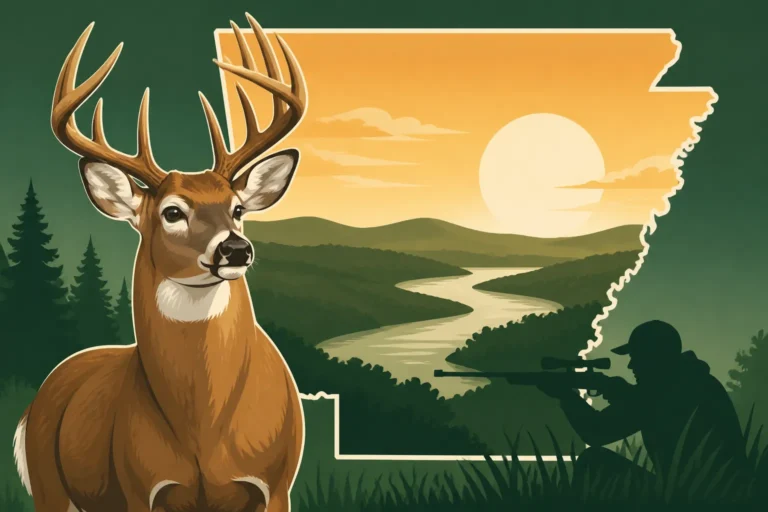
It's a question many deer hunters ponder, especially after seeing photos of those monster racks coming out of the eastern part of our state: "Why do Delta bucks seem to grow so much bigger?" It’s not just an old wives' tale; there are very real, tangible reasons behind the impressive size and antler growth seen in the Arkansas Delta. This guide will dive deep into the unique confluence of factors that turn a Delta fawn into a true heavyweight buck.
The Delta's Nutritional Powerhouse: A Feast for Bucks
When we talk about big deer, the conversation almost always starts with nutrition. Think of it this way: a deer is a product of its environment, and the Delta environment is practically a five-star buffet for a whitetail. It’s hard to overstate just how much this region contributes to the physical development of a buck.
Rich Soils and Agricultural Bounty
The Arkansas Delta sits squarely in the Mississippi Alluvial Plain, a region famous for its incredibly fertile, rich soils. This isn't just good for farmers; it's phenomenal for deer. These soils translate directly into lush, nutrient-dense vegetation, whether it's native browse or cultivated crops. Imagine a deer in the Ozarks picking through rocky, thin soil for a few sparse acorns or woody browse. Now picture a Delta deer, belly-deep in fields of corn, soybeans, or winter wheat. The contrast in available calories, protein, and minerals is stark.
These agricultural fields provide a consistent, high-energy food source almost year-round. Bucks can pack on fat and build bone density with an abundance of carbohydrates from corn and crucial protein from soybeans. Even after harvest, waste grain provides an easy meal. This isn't just about surviving; it's about thriving, pushing their bodies to their genetic potential for growth. When the natural forage wanes in other regions, Delta deer often still have access to ample sustenance from these cultivated plots, giving them a significant edge in health and size.
Natural Forage and Abundant Water Sources
Beyond the farm fields, the Delta’s bottomland hardwood forests are a treasure trove of natural forage. Think about the mast crops – acorns from towering red and white oaks, pecans, and other nuts. These are critical food sources that provide bursts of protein and fat, especially during the crucial pre-rut and rut periods when bucks are expending massive amounts of energy. The sheer density and variety of these natural foods, coupled with the agricultural offerings, mean a buck rarely has to work hard to find enough to eat.
Then there's water. The Delta is crisscrossed with rivers, bayous, sloughs, and drainage ditches, not to mention the extensive flooding that occurs in many areas. This constant availability of fresh water is often overlooked but vital for deer health. Hydration is key for digestion, nutrient absorption, and overall physiological function. Unlike drier upland areas where deer might have to travel significant distances for water, a Delta buck often has it right on his doorstep. This ready access minimizes stress and energy expenditure, allowing more resources to be allocated to growth and antler development. This abundance is a major reason why the region supports such a dense deer population, as explored in "Why the Delta Carries More Deer Per Acre".
Habitat and Cover: Space to Grow Old
Nutrition is paramount, but a deer needs more than just a full belly to grow big antlers. It needs to survive long enough to reach maturity. This is where the Delta's unique habitat and land management practices play a crucial role.
Dense Thickets and Vast Acreage
The Delta landscape, with its bottomland forests, dense brush, and areas of standing water, provides exceptional cover for deer. Imagine miles of tangled briar patches, cane thickets, and dense willow stands, often interspersed with mature timber. These areas are incredibly difficult for humans (and even dogs) to penetrate, creating sanctuaries where bucks can escape pressure and live relatively undisturbed. This security is invaluable, allowing bucks to conserve energy and avoid the stresses of constant evasion.
Many of these dense cover areas are found on large, contiguous tracts of private land. These expansive properties, often owned by large landowners or hunting clubs, offer vast spaces where deer can roam and find refuge. This is particularly important for mature bucks, which are naturally more wary and prone to seeking out the deepest, darkest corners of the woods. The ability for deer to find undisturbed bedding and resting areas means they spend less time running from hunters and more time eating and growing. Knowing "Where Delta Bucks Bed in Standing Water" can give you a real edge in these challenging environments.
Limited Public Access and Hunter Pressure
Another significant factor contributing to the larger size of Delta bucks is the generally lower hunting pressure on mature animals. Much of the Delta is private land, often leased by hunting clubs or managed by landowners who prioritize quality deer. This isn't to say there aren't hunters, but the style of hunting and management tends to differ from heavily-pressured public lands in other regions.
On many private tracts, a "trophy management" philosophy is informally or formally adopted. This means hunters are often encouraged or required to pass on younger bucks, giving them several more years to reach their full potential. This allows bucks to live long enough to fully express their genetic potential for antler growth, which typically peaks between 4.5 and 7.5 years of age. While there are some public hunting opportunities, such as those discussed in "Arkansas Delta Public Hunting", the vast majority of prime Delta ground is private, allowing for more controlled harvest. This contrasts sharply with areas where every legal buck is fair game, regardless of age, meaning fewer bucks live long enough to become truly massive.
Genetics and Management: Building a Better Buck
While habitat and nutrition are huge drivers, we can't completely ignore genetics and the subtle ways deer populations are managed.
The Role of Age in Antler Development
It's a common misconception that certain regions just "have better genetics" for big antlers. While genetics certainly play a role in the potential size and shape of antlers, age is undeniably the most critical factor. A buck's antlers are largely a function of its age and the nutrition it has received throughout its life. A young buck, even one with excellent genetics, simply hasn't had the time or the nutritional intake to grow a massive rack.
Delta bucks, thanks to the factors of abundant food and secure habitat, simply have a better chance of surviving to older age classes. When a buck lives to be 4.5, 5.5, or even 6.5 years old, its body has had ample opportunity to funnel energy into antler growth year after year. Each successive year, with good nutrition, an older buck will typically grow larger, more complex antlers than it did the previous year. This extended lifespan allows the Delta's bucks to realize their full antler potential, making them appear "bigger" than their counterparts in areas where most bucks are harvested at 1.5 or 2.5 years old. This is one of the reasons regulations like "What the Three-Point Rule Did to Arkansas Bucks" are so important in areas trying to improve buck age structure.
Strategic Harvest Practices
Even without formal Quality Deer Management (QDM) programs, the hunting culture on many private Delta lands leans towards selective harvesting. Hunters often prioritize taking does to balance the herd and ensure the remaining deer have ample food resources. They might also be more inclined to pass on younger, smaller-antlered bucks, waiting for an older, more mature animal. This selective pressure, applied over decades, can subtly shift the demographics of the deer herd towards older age classes and, consequently, bigger antlers.
For example, if hunters consistently take does and only the most mature bucks, they are effectively allowing the middle-aged bucks (2.5-3.5 years old) to continue growing. Over time, this practice contributes to a higher proportion of older, larger-acked bucks in the population. This isn't necessarily about "superior genetics" in the Delta but rather about creating conditions that allow the existing genetic potential to be fully expressed through advanced age and continuous, rich nutrition. Understanding "Deer Rules in the Arkansas Delta Zones" is crucial for any hunter looking to participate responsibly in this area.
Navigating the Delta's Opportunities (and Challenges)
Hunting the Delta for these elusive, massive bucks can be incredibly rewarding, but it comes with its own set of unique challenges. Understanding the landscape and employing specific tactics is key to success.
Scouting and Access Considerations
Scouting in the Delta is different from the rolling hills of the Ozarks or the pine plantations of the Ouachitas. Water is a constant factor, and dense cover can make ground scouting incredibly difficult. This is where modern tools become invaluable. Using mapping applications, especially those with advanced layers like GoHunt, can help you identify potential access points, dense bedding areas, and overlooked pockets of cover, even on private land boundaries or within some of the more accessible public areas. Aerial photography, in particular, becomes your best friend. Learning "Reading Aerial Photos for Delta Deer" can reveal subtle changes in vegetation, water lines, and travel corridors that are invisible from the ground.
Access is often the biggest hurdle. As mentioned, much of the prime Delta habitat is privately owned. Building relationships with landowners, joining a hunting club, or securing a private lease are common ways to gain access. For those looking to hunt public land, understanding the specific regulations and draw systems for WMAs is critical. While it might feel daunting, doing your homework and exploring every avenue can open up opportunities.
Understanding Delta Deer Behavior
Delta deer, while benefiting from an abundance of resources, also adapt to their specific environment. Their movement patterns, bedding habits, and even rut timing can differ. For instance, the rut in the Delta can often extend later into the season compared to other parts of Arkansas, with significant activity often observed in January, as detailed in "Hunting the Delta Rut in January". This late rut can be a game-changer for hunters planning their trips.
Furthermore, the prevalence of agriculture means deer are often patterned to feed heavily in fields. Tactics like "Hunting Standing Corn and Beans in the Delta" become highly effective. Deer might hold tight in thickets all day, only emerging at dusk to feed. Understanding these nuanced behaviors, combined with the sheer density of deer in some parts of the Delta, can significantly improve your chances. It’s a landscape that rewards patient observation and adaptable tactics, often demanding unique approaches compared to other hunting locales in the state.
Delta vs. Other Arkansas Regions: A Comparative Look
To truly appreciate why Delta bucks grow bigger, it's helpful to see how the region stacks up against other deer-rich areas of Arkansas.
| Feature | Arkansas Delta (East) | Ozarks/Ouachitas (West/Central) |
|---|---|---|
| Soil & Nutrition | Highly fertile, rich alluvial soils; abundant row crops, diverse mast. High protein & calorie intake. | Rocky, thinner soils; less agriculture; primarily native browse & mast. Lower overall nutritional density. |
| Habitat & Cover | Vast bottomland hardwoods, dense thickets, cane breaks, standing water. Excellent security. | Mountainous, pine and mixed hardwood forests, scattered clear-cuts. Good cover, but often more fragmented. |
| Hunter Pressure | Generally lower on private lands; trophy-oriented management common. Higher on public land WMAs. | Higher overall pressure, especially on public lands; more "meat hunting" focus. |
| Deer Density | Often very high due to abundant resources. | Varies; generally lower than Delta in many areas, though some pockets are good. |
| Average Buck Age | Higher average age classes (3.5+ years) due to management & security. | Lower average age classes (1.5-2.5 years) due to higher harvest rates. |
| Antler Potential | Excellent; high potential for B&C class bucks. | Good; potential for mature bucks, but less consistent top-end size than Delta. |
| Challenges | Access (mostly private), mosquitos, mud, flooding, heat. | Rugged terrain, steep climbs, fickle thermals, road hunters. |
As you can see, the Delta offers a unique package that is simply hard to beat for growing exceptionally large white-tailed deer. The combination of nutrient-rich food, secure habitat, and often intelligent management practices creates an environment where bucks can consistently reach their full potential. If you’re chasing a true Arkansas giant, the Delta is where many hunters set their sights.
Disclaimer
This article is for general informational purposes only and does not constitute professional advice. Laws, prices and regulations vary by location and change over time. Consult a qualified professional for guidance on your specific situation.