Bear Encounters in Arkansas Campgrounds
Arkansas is a state blessed with incredible natural beauty, from the rugged peaks of the Ozarks to the rich bottomlands of the Delta. For many of us, getting out into that wild country means camping, whether it's a quick weekend getaway or a basecamp for a serious hunting trip. But as anyone who spends time outdoors in Arkansas knows, especially in the western and central parts of the state, we share these woods with black bears. The thought of a bear visiting your campsite can be a real concern, and sometimes, a very real event. This guide aims to ease some of that worry by giving you the knowledge and practical tips you need to prevent encounters and react safely if one does happen, ensuring your time in our beautiful state remains enjoyable and secure.
Understanding Black Bear Behavior Around Campgrounds
When you set up camp in Arkansas, you're entering a bear's home territory. Understanding why they might be drawn to your campsite and how they typically behave is the first step in prevention and safety.
Why Bears Visit Campsites
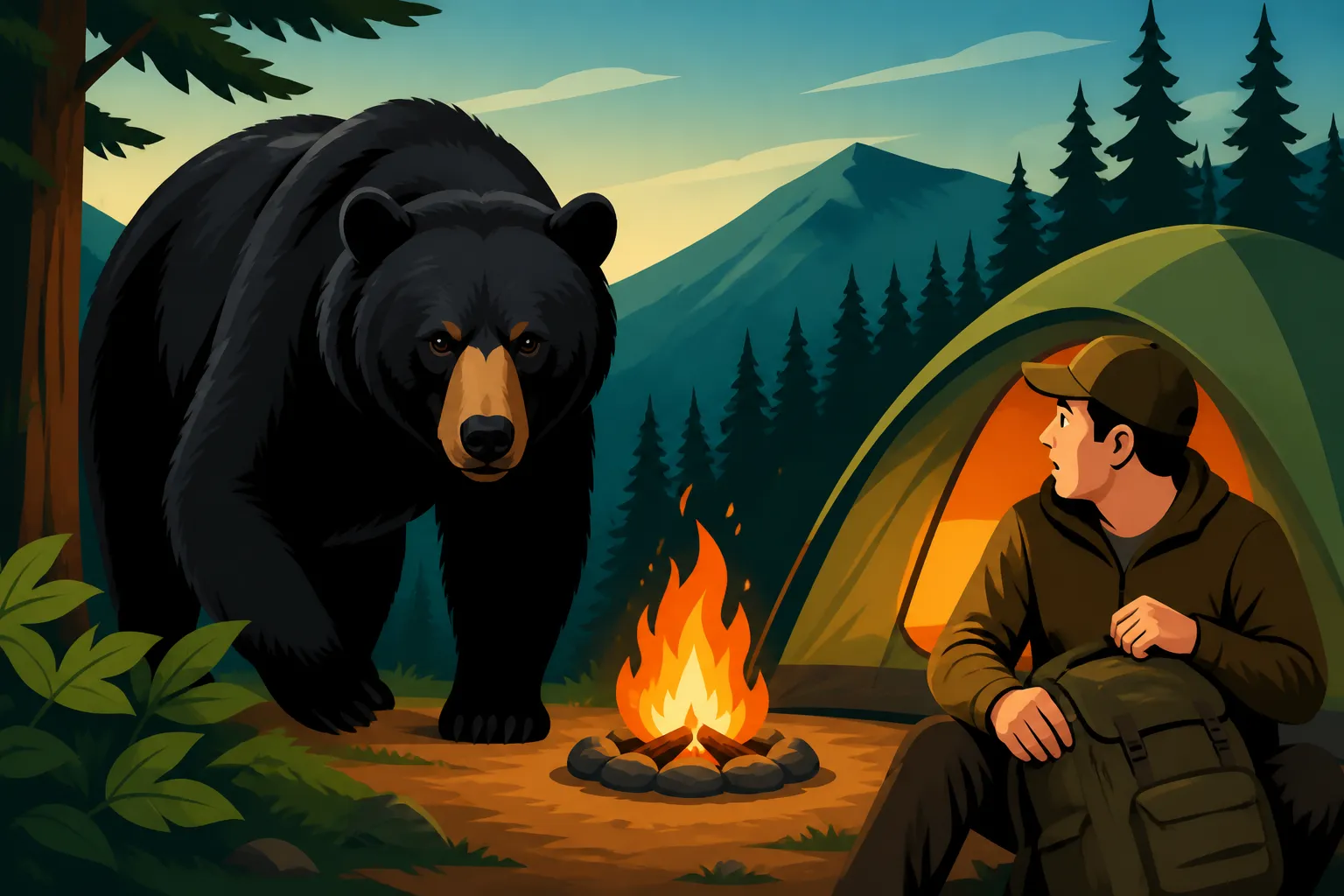
Let's be honest, our campsites often smell like a buffet to a bear. They have an incredible sense of smell, far superior to ours, and they're constantly on the lookout for easy calories. A forgotten wrapper, a crumb dropped from a sandwich, or the lingering aroma of last night's campfire chili can all be potent attractants. Bears aren't inherently aggressive towards humans, but they are opportunistic. If they learn that campsites mean food, they will keep coming back. This isn't about being mean or predatory; it's about survival for them. They'll often investigate at night when human activity is low, rummaging through anything that seems promising. This behavior, where a bear becomes accustomed to human food, is called habituation, and it's a dangerous path for both bears and people. It can lead to bears becoming bolder, losing their natural fear, and eventually having to be relocated or, in worst-case scenarios, euthanized.
Black Bear Habits and Range in Arkansas
Arkansas black bears are primarily found in the forested regions of the Ozark and Ouachita Mountains, though their range is expanding. If you're camping in these areas, particularly around places like the Ozark National Forest Hunting or the Ouachita National Forest Hunting, you should always assume bears are present. They are most active during dawn and dusk, but can be seen at any time, especially if food is involved. During late summer and fall, bears are in a hyperphagia phase, meaning they're eating almost constantly to put on weight for winter hibernation. This makes them even more determined to find food. While they are usually shy and will avoid humans, a bear that has been rewarded with food at a campsite might overcome that natural shyness. Knowing Where Arkansas Bears Range can help you determine your risk. Interestingly, while most of us associate bears with deep woods, some of the most consistent encounters happen in campgrounds that are on the fringes of developed areas or near agricultural lands, as these can offer a mix of natural foods and human scraps. You can explore these areas in detail, even using tools like GoHunt, to understand the terrain and bear habitat before you go.
Proactive Steps for Bear-Safe Camping in Arkansas
The vast majority of bear encounters are preventable. It really boils down to minimizing attractants and understanding how to set up your camp smartly.
Proper Food Storage and Camp Cleanliness
This is perhaps the single most critical aspect of bear safety. Every single item with an odor, not just food, needs to be secured. This includes cooking gear, trash, toiletries (even toothpaste and deodorant), pet food, and coolers. The best practice is to store all these items in a bear-resistant container. Many state and national park campgrounds in prime bear country now offer bear-resistant lockers or dumpsters. If these aren't available, or if you're backcountry camping, hanging a bear bag can be effective, suspended at least 10-12 feet off the ground and 6 feet away from any tree trunk. Alternatively, locking items in a hard-sided vehicle, with windows rolled up, is also a viable option. Never, ever store food in your tent. It's a flimsy barrier that offers no protection and turns your sleeping area into a potential target. Always pack out all trash, don't bury it, and if using campground receptacles, ensure they are bear-resistant and securely latched. Remember, the goal is to make your campsite as uninteresting as possible to a bear.
| Item Type | Do This | Don't Do This |
|---|---|---|
| Food & Drinks | Store in bear-resistant containers/lockers | Leave on picnic tables or in tents |
| Suspend in a bear bag (10-12 ft high) | Store in soft-sided coolers outside | |
| Trash | Place in bear-resistant dumpsters | Bury, burn, or leave unsecured |
| Pack out all garbage if no receptacles | Leave bags of trash outside your tent/vehicle | |
| Toiletries | Store with food items (coolers, lockers) | Keep in your tent or accessible bags |
| Cooking Gear | Clean thoroughly after use, store securely | Leave greasy pots/pans out overnight |
| Pet Food | Store with other attractants | Leave bowls out, especially overnight |
| Scented Items | Store securely (e.g., bug spray, suntan lotion) | Keep near sleeping bags or within arm's reach |
Selecting a Campsite and General Camp Habits
When choosing your spot, consider areas that show no recent bear activity. While you might not always spot a bear, keep an eye out for Finding Bear Sign in the Ozarks, like scat, tracks, or overturned rocks and logs. Try to set up your cooking and eating areas at least 100 yards downwind from your tent. This creates a buffer zone, so any tempting cooking aromas are less likely to waft directly into your sleeping area. Avoid camping on obvious bear trails or near dense berry patches or fruit trees, especially if they are in season. When you’re cooking, try to cook only what you'll eat, and immediately clean up all spills and food scraps. Some experienced campers even wipe down picnic tables with bleach-free wipes to remove lingering odors. If you bring pets, keep them on a leash and supervised. Their food, as mentioned, also needs to be secured, and their excited barking at a bear could escalate a situation. For those who hunt and camp, understanding things like Bear Denning Behaviour can help you pick a camp spot away from potential denning areas during specific seasons.
What to Do During a Bear Encounter
Despite all precautions, sometimes a bear might still wander into your camp. How you react can make all the difference.
Responding to a Curious or Bold Bear
First and foremost, stay calm. Panicking can make you do something impulsive and dangerous. The typical black bear is more likely to be curious or food-motivated than aggressive. If a bear approaches, make your presence known. Speak in a firm, loud voice, clap your hands, and make noise. Avoid screaming, which can sound like an animal in distress. Make yourself look as large as possible by waving your arms, standing on a picnic table, or holding up a coat. If you are with others, gather your group together to appear larger. Slowly back away, creating space, but do not turn your back and run. Running can trigger a chase response, and bears are surprisingly fast. Pick up small children or pets. If the bear continues to approach, throw small objects like rocks or sticks (not food!) to deter it. Your goal is to convince the bear that your campsite is not worth the trouble.
When to Report a Bear and Other Actions
Most curious bear encounters don't require reporting, especially if the bear leaves quickly. However, if a bear exhibits bold behavior, such as approaching you closely, standing its ground, or repeatedly attempting to access food despite your deterrence efforts, it's crucial to report it to the Arkansas Game and Fish Commission (AGFC) or campground staff. This kind of behavior indicates a habituated bear, which poses a risk to itself and future campers. In the rare event of an attack, fight back with everything you have. Black bear attacks are incredibly uncommon, but if one occurs, it's usually defensive. Focus on the bear's face and eyes. Carrying bear spray is a wise precaution in bear country, and knowing how to use it can be a life-saver. Remember, an informed camper is a safer camper, and knowing the AGFC's guidance on Arkansas Hunter Education and Safety Rules can provide a good foundation for general outdoor safety.
Bear Safety for Hikers and Hunters in Bear Country
Our bears aren't just in campgrounds; they're throughout the vast forests many of us love to explore, whether for a scenic hike or a Black Bear Hunting in Arkansas adventure. Extending your safety knowledge to the trails and deep woods is essential.
Awareness on Trails and in the Woods
When you're hiking, especially alone, it's a good idea to make some noise. Talk, sing, or carry a bell. This prevents startling a bear that might not hear you approaching, which is often when defensive encounters happen. Be extra vigilant around dense vegetation, near streams where the sound of moving water can mask your approach, and at dawn or dusk. Always hike during daylight hours if possible. Stay on marked trails, as venturing off into thick brush can put you in closer proximity to bedding or feeding bears without warning. Carry bear spray and know how to use it. Familiarize yourself with the general geography of Arkansas Wildlife Management Areas if you're in one, and use mapping tools like GoHunt to understand terrain features and potential escape routes. This can also help you identify areas of dense cover where bears might be resting. If you encounter a bear on the trail, follow the same principles as in camp: make noise, look large, and back away slowly without running.
Handling Game Meat in Bear Country
For hunters, especially those pursuing deer or other game in bear habitat, managing scent and game meat is a critical safety consideration. Field dressing your animal away from your camp or vehicle is paramount. This keeps blood and offal away from where you'll be spending time. If you're quartering an animal and packing it out over multiple trips, consider hanging the meat securely, just like you would a bear bag, or covering it heavily with branches to deter scavengers, including bears. Field Dressing in Arkansas Heat can be a challenge, but doing it efficiently and cleanly helps reduce attractants. Transporting game meat requires careful planning; use game bags to allow air circulation but also to contain scent. If you're camping in proximity to where you're hunting, ensure all meat, bloody clothes, and tools are stored securely in a bear-resistant manner or in your vehicle, never in your tent. Being mindful of these practices not only prevents bear encounters but also helps preserve the quality of your harvest.
Disclaimer
This article is for general informational purposes only and does not constitute professional advice. Laws, prices and regulations vary by location and change over time. Consult a qualified professional for guidance on your specific situation.