Arkansas Squirrel Harvest Numbers
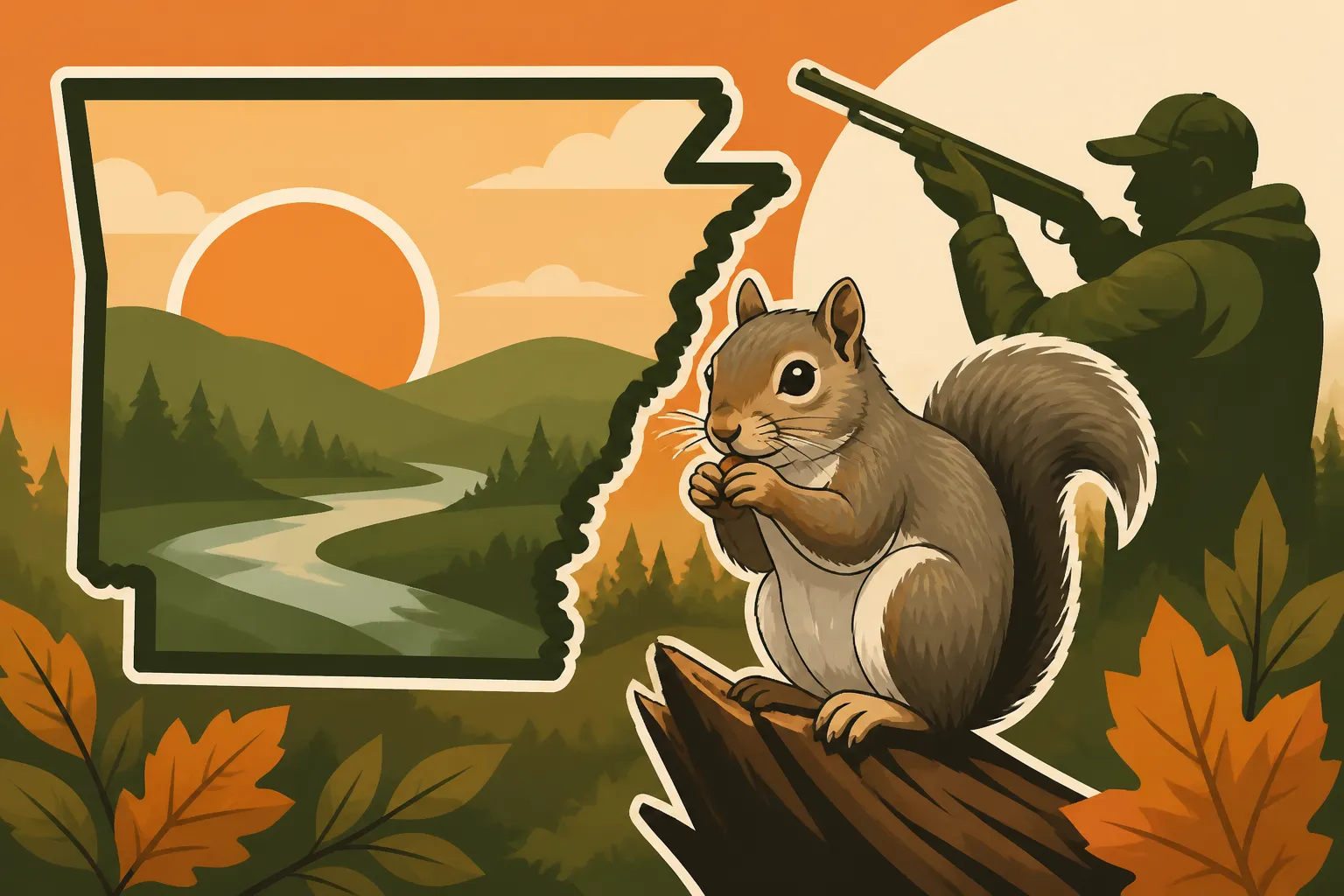
It’s easy to get excited about chasing big game like deer and turkeys in Arkansas, but if you're a small game enthusiast, you know there's a unique thrill in slipping through the timber for squirrels. However, sometimes it feels like the data on squirrel populations and hunter success is a bit harder to come by or to interpret. This guide is here to shed some light on Arkansas's squirrel harvest numbers, helping you understand what they mean, how they're collected, and how you can use this information to plan your next successful hunt.
Understanding Arkansas's Annual Squirrel Harvest Data
For many hunters, knowing the annual squirrel harvest numbers might seem like an abstract concept, but these figures are actually quite important. They offer a window into the health of our squirrel populations, the overall hunting pressure, and the impact of environmental factors. We often focus on deer or duck numbers, but squirrels are a vital part of our ecosystem and provide a fantastic hunting opportunity for many, from seasoned veterans to young hunters just starting out.
Why Tracking Squirrel Harvest Matters
Harvest numbers aren't just a count of squirrels taken; they are a vital piece of the puzzle for wildlife managers. When the Arkansas Game and Fish Commission (AGFC) looks at these figures, they're assessing the overall health and abundance of both gray and fox squirrel populations across the state. A consistent harvest, or even an increase, can signal a healthy and thriving squirrel population, which is usually tied to good habitat and sufficient food sources. Conversely, a significant drop might prompt biologists to investigate potential issues like habitat loss, disease, or consecutive years of poor mast production.
For us hunters, understanding these trends can help manage our expectations and even influence where and when we choose to hunt. If state-wide numbers suggest a banner year, it can give us confidence. If the numbers are down, it might mean we need to work a little harder, scout a bit more, or perhaps try a different area. It’s all about being informed and adapting our strategies to what nature is offering.
How Arkansas Squirrel Harvest Data is Collected
Collecting accurate harvest data for small game like squirrels is a bit different, and often more challenging, than for big game like deer or bear. For large game, mandatory check-ins and tag requirements provide very precise numbers. For squirrels, it's typically based on post-season hunter surveys. The AGFC sends out surveys to a sample of licensed hunters, asking them to report their hunting effort, success rates, and the number of various small game species harvested.
While these surveys provide valuable estimates, they aren't perfect. Small game hunters might not always remember exact numbers, and not every hunter responds. This means the figures we see are usually estimates rather than exact counts, but they are still scientifically derived and provide robust trends. It's a way for biologists to get a pulse on the population without placing an undue burden on every small game hunter to report each squirrel they bag. These estimates, combined with field observations and habitat assessments, give the AGFC the data they need to make informed management decisions.
Recent Trends in Arkansas Squirrel Harvest
Like any wild game population, squirrel harvest numbers in Arkansas can ebb and flow from year to year. Understanding these patterns, and what drives them, can make you a more informed and potentially more successful hunter. It's not just about getting lucky; it's about knowing the rhythms of the woods.
Overview of Annual Fluctuations
Arkansas squirrel harvest numbers typically show annual fluctuations that are often tied to factors outside of hunting pressure. The biggest driver is almost always the mast crop. A year with abundant acorns and hickory nuts usually means more food for squirrels, leading to better survival rates and more successful breeding. Two years down the road, you'll see the impact of that good mast crop in the harvest numbers, as a larger cohort of young squirrels becomes available to hunters. Conversely, a poor mast year can mean fewer squirrels surviving the winter, which will show up as lower harvest numbers a season or two later.
Consider a hypothetical scenario: a few years back, we had a fantastic year for red oaks and white oaks across the Ozarks. Hunters reported seeing squirrels everywhere, and the harvest numbers reflected that boom. The next year, perhaps a late spring freeze impacted the pecan crop in the Delta, and those areas saw a noticeable dip in squirrel sightings and harvest, even while the Ozarks continued to do well from the previous year's success. These localized variations mean that while statewide numbers give you a general idea, specific areas might tell a different story. These variations highlight why a comprehensive tool like GoHunt can be so valuable, as it might help you scout areas with historically good mast production.
Long-Term Outlook for Squirrel Harvest
When we look at the long-term outlook for squirrel harvest in Arkansas, the picture is generally quite stable, though there are always underlying factors at play. Squirrels are highly adaptable and prolific, especially given the abundant hardwood forests that cover much of our state. From the deep bottomlands of the Delta to the rolling hills of the Ouachitas and Ozarks, excellent squirrel habitat abounds.
One thing that helps maintain stable opportunities is Arkansas's Long Squirrel Season Explained. This extended season allows hunters ample time to pursue squirrels, spreading out pressure and providing opportunities throughout various mast cycles. While there might not be the dramatic population swings seen in some other game species, factors like intense timber harvesting practices that reduce mature mast-producing trees, or shifts in hunter participation away from small game, could influence future trends. However, as long as Arkansas maintains healthy hardwood ecosystems, squirrels will likely continue to provide consistent hunting for generations to come. Many hunters find squirrel hunting to be a great way to introduce new hunters to the sport, or to simply enjoy a peaceful day in the woods, honing their woodcraft.
Factors Influencing Squirrel Harvest Success
Understanding the statewide harvest numbers is one thing, but translating that into personal success on your next hunt involves looking at the factors that directly impact squirrel populations and behavior. These aren't just academic points; they are practical insights that can help you fill your game bag.
The Critical Role of Mast Crops
When it comes to squirrels, food is everything, and in Arkansas, that primarily means mast crops. Acorns from oak trees and nuts from hickories, pecans, and walnuts are the lifeblood of our squirrel populations. A bumper crop of mast in the fall provides an essential food source for squirrels to fatten up for winter, supports successful breeding, and helps them raise healthy litters.
In a year with heavy mast production, you'll often find squirrels feasting everywhere, and they might be less concentrated. They'll have a smorgasbord to choose from, often staying high in the trees. Hunters might have to cover more ground, but the sheer abundance of squirrels can make up for it. Conversely, a poor mast year can mean squirrels are more concentrated around the few trees that are producing. This can be a challenge, but if you find those hot spots, your chances can actually increase. It’s all about scouting. Learning how to identify Squirrel Hunting Arkansas Hickories or spending time Reading Cuttings Under an Oak will give you a massive advantage, allowing you to pinpoint where the food is and, by extension, where the squirrels will be. I always make sure to put on my boots and walk through the woods before the season to see what the trees are doing.
Habitat Quality and Hunter Access
Squirrels thrive in mature hardwood forests, particularly those with a diverse mix of mast-producing trees, den trees, and dense understory for cover. These habitats provide both food and shelter, which are crucial for their survival and reproduction. Areas with a mix of different oak species, for instance, offer a prolonged food source, as some oaks drop acorns earlier than others.
Arkansas is blessed with vast tracts of such habitat, particularly within our National Forests like the Ozark National Forest and Ouachita National Forest, and numerous Wildlife Management Areas (WMAs). However, hunter access can sometimes be a limiting factor. Public lands, while extensive, can also experience significant hunting pressure, especially on weekends or during peak times. Knowing how to use tools like the AGFC Map Tool, or even more advanced mapping layers like those found on GoHunt, can help you identify less-pressured areas within these public lands. Public Hunting Land in Arkansas offers a wealth of opportunity if you're willing to walk a bit further than the next guy.
Private land offers another avenue, but it requires diligent work to secure permission. Often, farmers and landowners are happy to grant access for small game hunting, especially if squirrels are damaging crops or gardens. Always remember to ask respectfully and follow up with a thank-you.
Weather Conditions During the Season
Just like humans, squirrels are influenced by the weather, and a wise hunter pays close attention to the forecast. Early in Arkansas's long squirrel season, which often starts when temperatures are still quite warm, squirrels tend to be most active in the cooler morning and late afternoon hours. During the midday heat, they often den up or seek shade, making them harder to find.
As the season progresses into late fall and winter, cooler temperatures bring squirrels out more consistently throughout the day, especially on sunny, calm days. Heavy winds, rain, or extreme cold can keep them tucked away in their dens, impacting their activity levels and, consequently, your harvest chances. I’ve had many hunts where a sudden cold snap made the woods completely silent, only for the squirrels to emerge en masse on the first sunny, still day after the front passed. Paying attention to these weather patterns allows you to time your hunts for when squirrels are most likely to be out and about, increasing your odds of success.
Interpreting Harvest Numbers for Your Hunt Planning
Okay, so we've talked about what harvest numbers are and what drives them. Now, let's get down to how you, as a hunter, can actually use this information to your advantage. It's about taking raw data and turning it into actionable intelligence for your time in the woods.
What Harvest Numbers Don't Tell You
It’s crucial to remember that statewide squirrel harvest numbers are just that: statewide estimates. They provide a broad overview, but they don't necessarily reflect the squirrel population or hunting conditions in your specific woodlot, WMA, or county. Just because the statewide harvest was up or down doesn't mean your favorite hunting spot will follow the exact same trend.
These numbers also don't tell you about local mast crop variations, localized habitat changes, or how many other hunters might be in your preferred area. For example, a WMA known for its excellent Arkansas hardwoods might still have a fantastic squirrel population even if the overall harvest was down, perhaps due to factors like localized weather patterns that deterred hunters or a poor mast crop just in that specific region. This is where personal scouting becomes invaluable; your boots on the ground will always tell you more about a specific spot than any statewide report can.
Using Data to Inform Your Strategy
While you shouldn't rely solely on broad harvest data, you can certainly use it to inform your overall hunting strategy. Think of it as another layer in your scouting toolkit. Look for long-term trends rather than just single-year fluctuations. Is the squirrel population generally stable across Arkansas? This suggests a healthy baseline. Are there any indications of consistent decline in certain regions? That might prompt you to scout new areas or look for different habitat types.
I find it useful to cross-reference statewide data with anecdotal reports from local sporting goods stores, social media groups, or fellow hunters. If the statewide numbers are up, and your local sources are also reporting lots of squirrel activity, you've got a strong signal. If the numbers are down, it might mean you need to put in extra effort, focusing your scouting on finding those isolated pockets of good mast or overlooked habitat.
Tools like the GoHunt platform can be incredibly useful here. While it might not have granular squirrel data for every specific WMA, you can use its mapping features to identify areas with optimal hardwood habitat, locate potential travel corridors, and find secluded public land corners that might see less pressure. By combining broad data, detailed maps, and your own on-the-ground scouting, you're building a comprehensive picture that significantly increases your chances of a successful squirrel hunt. Always remember to check specific WMA regulations for small game before heading out, as rules can vary.
| Factor | Impact on Squirrel Harvest | Hunter Strategy |
|---|---|---|
| Heavy Mast Crop (e.g., acorns) | Higher squirrel populations, widely dispersed food. | Scout for diverse mast trees. Cover more ground. |
| Poor Mast Crop | Lower squirrel populations, concentrated food sources. | Identify specific producing trees. Focus on limited food patches. |
| Early Season Heat | Squirrels most active during cool mornings/evenings. | Hunt dawn and dusk. Seek shade and water sources during midday. |
| Mid-Season Cold Snap | Decreased activity, squirrels den up. | Hunt on warmer, calm days immediately following cold fronts. |
| Abundant Mature Hardwoods | Provides consistent food and denning sites. | Target these areas, especially on Public Hunting Land in Arkansas or National Forests. |
| High Hunter Pressure | Squirrels become more wary and elusive. | Seek out less accessible areas. Hunt during weekdays or off-peak hours. Use a platform like GoHunt to find remote access. |
Disclaimer
This article is for general informational purposes only and does not constitute professional advice. Laws, prices and regulations vary by location and change over time. Consult a qualified professional for guidance on your specific situation.