Reading Cuttings Under an Oak
There's nothing quite as frustrating as still-hunting through a beautiful stand of timber, convinced deer or squirrels should be there, only to find no fresh sign and wonder if you're wasting your time. It’s a common dilemma, but by learning how to properly read the often-overlooked "cuttings" under an oak tree, you can unlock a wealth of real-time information about what game animals are actively feeding, right now, in that very spot, and drastically improve your chances of success.
Why Cuttings Are a Hunter's Best Friend
When you're out in the Arkansas woods, whether it's the sprawling hardwoods of the Ozarks or the scattered oak pockets in the Delta, finding game isn't just about walking around until something jumps. It’s about being a detective, piecing together clues that tell a story of recent activity. Cuttings, essentially the discarded fragments of acorns and nuts left behind by feeding animals, are some of the freshest and most direct evidence you can find. They are a literal "this just happened" signpost that can lead you straight to your quarry.
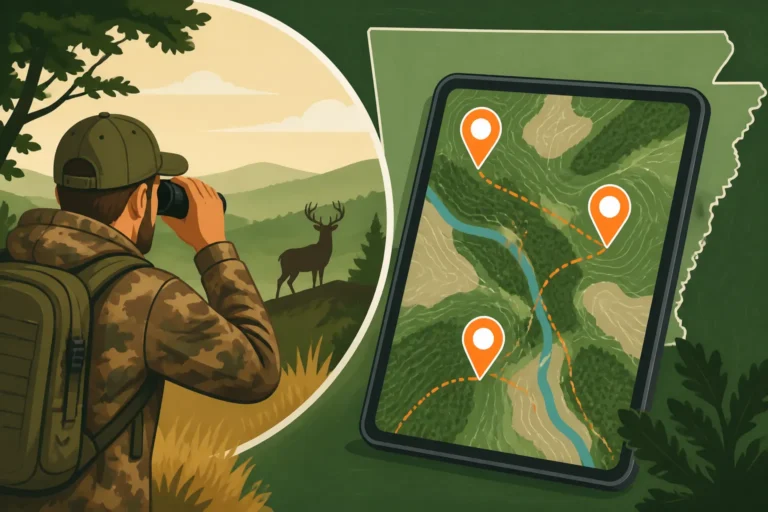
Imagine you've been working hard to understand deer movement, perhaps using tools like the AGFC map tool to identify potential feeding areas. You might have even spent hours studying aerial photos for Delta deer to pinpoint those prime oak ridges. But a map only tells you where the food could be, not where it's being consumed right now. That's where cuttings come in. They tell you which specific tree, which particular acorn crop, is currently hot. Without this ground-level intelligence, you might walk right past the golden ticket, heading to an oak stand that dropped its acorns last week and is now barren, while a hundred yards away, another oak is being hammered. It's the difference between guessing and knowing, and in hunting, knowing is everything.
Distinguishing Between Game Animal Cuttings
The first step in using cuttings to your advantage is knowing what you're looking at. Different animals leave distinct calling cards. While both squirrels and deer love acorns, their methods of consumption leave very different kinds of evidence on the forest floor. Learning to tell them apart is crucial for refining your hunting strategy.
Squirrel Cuttings
Squirrels are, by far, the most prolific and recognizable architects of cuttings. They are fastidious eaters, typically sitting in a tree or on a nearby log, gnawing through the acorn or nut shell with their sharp incisors. What they leave behind is usually a clear, often small pile of distinct shell fragments.
When you're looking for squirrel cuttings under an oak, keep an eye out for these tell-tale signs:
- Small, Neat Piles: Squirrels often have preferred spots to sit and eat. You'll find concentrated piles of shell fragments directly under these perches. If they are eating in the tree, the fragments will rain down directly below. If they move to a log or stump, the pile will be there.
- Cleanly Cut Shells: Look closely at the edges of the shell pieces. Squirrels leave very sharp, clean-cut edges, almost as if they've been snipped by tiny scissors. They rarely crush the entire acorn. Instead, they meticulously strip away the outer shell to get to the meat.
- Species-Specific Fragments: The type of acorn or nut can give you further clues. For instance, smaller pieces of thin-shelled white oak acorns, which deer and squirrels both love, might be harder to discern, but thicker, more robust red oak or water oak fragments are quite distinctive. If you see hickory nut or pecan shell fragments, you know it's almost certainly a squirrel, as deer don't typically bother with those harder nuts. You might even find them "cutting" pine cones in a pine plantation edge, leaving a scattered mess of scales. These are all excellent indicators that the squirrels are active in that specific area, which can be useful when you're squirrel hunting Arkansas hardwoods.
Deer Cuttings
Deer, on the other hand, consume acorns very differently. They don't have incisors in their upper jaw, so they can't "cut" shells in the same way a squirrel does. Instead, they typically crush the entire acorn in their powerful molars. This difference in feeding behavior creates a very distinct type of cutting.
Here's what to look for when trying to identify deer cuttings:
- Crushed, Fragmented Shells: Instead of neat, clean cuts, deer leave behind a more scattered, crushed mess. You'll often find pulverized pieces of the acorn shell, mixed with dirt and perhaps leaf litter, where they've stepped and milled around while feeding.
- Lack of Concentration: Deer tend to move around more while feeding on acorns, so their cuttings won't be in neat piles. They'll be more spread out under the entire drip line of the oak tree, indicating they've been browsing and crunching as they go.
- Scrapes and Tracks: While not strictly "cuttings," fresh deer activity often includes other signs. If you find crushed acorn fragments, also look for fresh deer tracks in soft dirt nearby, or perhaps even a fresh scrape line along a logging road where a buck has been marking his territory while feeding. The presence of these other signs, combined with crushed acorns, is a strong indicator of deer.
Here’s a quick comparison to help you differentiate:
| Feature | Squirrel Cuttings | Deer Cuttings |
|---|---|---|
| Appearance | Small, neatly cut shell fragments | Crushed, pulverized shell pieces |
| Concentration | Often in concentrated piles under a perch | Scattered, spread out under the tree canopy |
| Edge Quality | Sharp, clean-cut edges | Jagged, broken, or completely crushed edges |
| Other Sign | Often accompanied by squirrel scat, chattering | Often accompanied by tracks, scat, scrapes |
| Nut Type | Acorns, hickories, pecans, pine cones | Primarily acorns (all types) |
Interpreting Freshness and Volume
Finding cuttings is a great start, but understanding when they were made and how much activity has occurred is where the real skill comes in. Freshness tells you if an animal is still using the spot, and volume tells you how many animals, or how often, they are using it. This context is vital for making smart hunting decisions.
Gauging Freshness
Determining how recently cuttings were made requires a keen eye and an understanding of the local environment.
- Color and Moisture: Fresh acorn fragments, especially from white oak or water oak, will often retain some of their natural color and may still feel slightly moist, particularly if the ground is damp. Older cuttings will be faded, dry, and brittle. After a rain, very fresh cuttings might look pristine, while anything that's been sitting will be soaked and perhaps stained with mud.
- Leaf Litter and Dirt: Look at how the cuttings interact with the surrounding leaf litter. If the fragments are lying on top of the newest fallen leaves or haven't been buried by recent rainfall or wind, they are likely fresh. If they're partially covered or look weathered, they've been there a while. A heavy rain will wash away or bury older cuttings, so finding new ones after a storm is a fantastic indicator of current activity.
- Smell: Believe it or not, sometimes fresh acorn meat, especially from white oaks, has a subtle, sweet smell. It's faint, but if you're really trying to discern freshness, get down and sniff. Older, decaying nuts or shells will smell earthy, or not at all.
- Insect Activity: A pile of squirrel cuttings that's a few days old might start to attract tiny ants or other insects. Very fresh cuttings typically won't have this.
Understanding Volume and Consistency
The sheer quantity of cuttings, and whether you find them consistently, offers deeper insight into the feeding pattern.
- Heavy Concentration: If you find a dense blanket of fresh cuttings under a specific oak, it's a "hot" tree. This means multiple animals (either a group of squirrels or several deer) are hitting it hard, or a single animal is returning repeatedly. This is where you want to focus your efforts.
- Scattered, Sparse Cuttings: A few scattered, older cuttings suggest sporadic, less intense feeding. The animals might have moved on, or the tree might not be a primary food source. Don't dismiss it entirely, but prioritize heavier concentrations elsewhere.
- Comparing Trees: Walk through an entire oak stand, checking multiple trees. You'll quickly notice that some trees are producing heavily and being fed on, while others might be barren or only show old sign. This is especially true when reading red oak acorn drops, as some trees are simply more productive or drop earlier than others. A mapping tool like GoHunt can help you mark these productive trees, creating a "milk run" of hot spots to check.
- Time of Day/Season: Cuttings found in the morning that weren't there the evening before indicate nocturnal or early morning feeding. Squirrel cuttings are almost always a daytime phenomenon. During different parts of the season, like when Arkansas's long archery season works, you'll find different feeding patterns. Early season, animals might be dispersed, but as the rut approaches or winter sets in, concentrated food sources become magnets.
Integrating Cuttings into Your Hunting Strategy
Now that you know how to find and interpret cuttings, it's time to put that knowledge into action. This isn't just about finding food; it's about understanding animal behavior and predicting where they'll be next.
Scouting and Stand Placement
Before the season even begins, or during your initial scouting trips, cuttings are invaluable. When you're scouting Arkansas public land before season, identifying hot oak trees can save you days of aimless wandering.
- Target Hot Trees: Once you've identified an oak (or a cluster of oaks) with fresh, abundant cuttings, that's your starting point. Use your GoHunt app to mark these trees precisely. This data is gold for subsequent hunts.
- Consider Approach and Wind: After finding a hot tree, don't just set up right under it. Think about the animal's likely travel routes to and from that food source. Where are they bedding? Where are they watering? Plan your approach to ensure you can get to your stand or blind undetected. Always consider the wind direction – you never want your scent blowing towards where you expect the animals to approach. This is especially critical when still-hunting Arkansas pine country, where sound carries far, and scent pools in hollows.
- Set Up Downwind: If deer are crushing acorns under an oak, set your stand downwind of the tree, preferably along a well-used trail leading to or from it. This allows deer to come in, feed, and linger without catching your scent. For squirrels, you can often be a bit more aggressive, setting up within comfortable shooting range of the activity.
- Multiple Setups: If you find several hot trees, consider setting up multiple stand locations, or at least identifying alternative spots. This allows you to adapt to changing wind conditions or shifting animal preferences. Maybe you've got a killer spot for bowhunting Arkansas's five-month archery season set up on one white oak, but the red oaks on the next ridge over start dropping a week later. Having options is key.
Real-Time Hunting Adjustments
Cuttings aren't just for scouting; they are a powerful tool for making real-time decisions during a hunt.
- Morning Recon: If you're heading out for a morning hunt, particularly during an early buck-only archery hunt, consider spending the first hour doing a quiet "recon" walk through promising oak stands. If you find fresh cuttings from overnight activity, you know you're in the right general area. You might even still-hunt your way towards the activity, taking extreme caution with every step.
- Mid-Day Strategy: If your morning hunt was slow, don't just sit there. Get down, move quietly, and check new oak stands for fresh cuttings. Animals often shift their feeding patterns throughout the day or due to pressure. A midday discovery of a new, hot feeding area can turn a slow day around. For example, if you're hunting Ozark ridges and hollows for deer, and the high ridges seem quiet, perhaps move down into a sheltered hollow where an oak might be dropping heavily out of the wind.
- Responding to Pressure: On public land or heavily hunted areas, game animals often become nocturnal or move to less-pressured food sources. Fresh cuttings, especially in thicker cover that other hunters might overlook, indicate an area where animals feel safe enough to feed.
Combining With Other Sign
Cuttings are powerful, but they are even more effective when combined with other signs. No single piece of evidence tells the whole story, but layering clues builds a complete picture.
- Tracks and Trails: Always look for fresh tracks alongside cuttings. Well-worn trails leading to and from an oak stand confirm consistent use. If you see fresh deer tracks leading into a thicket from a hot feeding tree, that's likely where they're bedding.
- Scat: Fresh droppings confirm that an animal has been in the area and, in the case of deer, can even tell you what they've been eating (acorns are often visible in their droppings).
- Rubs and Scrapes: During the pre-rut and rut, rubs and scrapes indicate buck activity. If you find fresh cuttings near a series of rubs or a well-used scrape line, you've hit a jackpot for archery deer season. These are excellent spots for rattling and grunting in Arkansas, as bucks will be checking those scrapes regularly.
- Visual Observation: Sometimes, the best sign is seeing the animal. If you're quietly scouting and see squirrels actively cutting, or deer moving into an oak stand, you've confirmed your intelligence. However, don't just rely on seeing them; learning to read the subtle clues they leave behind, like cuttings, means you can find them even when they're not there.
By truly understanding and applying the art of reading cuttings under an oak, you're not just looking for food; you're deciphering the living, breathing rhythms of the Arkansas woods. It’s an old-school skill augmented by modern tools, and it's one that will put more game in front of you season after season.
Disclaimer
Hunting involves inherent risks, and adherence to all Arkansas Game and Fish Commission regulations is paramount. Always prioritize safety, responsible hunting practices, and ethical conduct in the field. This guide is for informational purposes only and does not constitute legal advice. Ensure you have the necessary licenses and permits before engaging in any hunting activity.