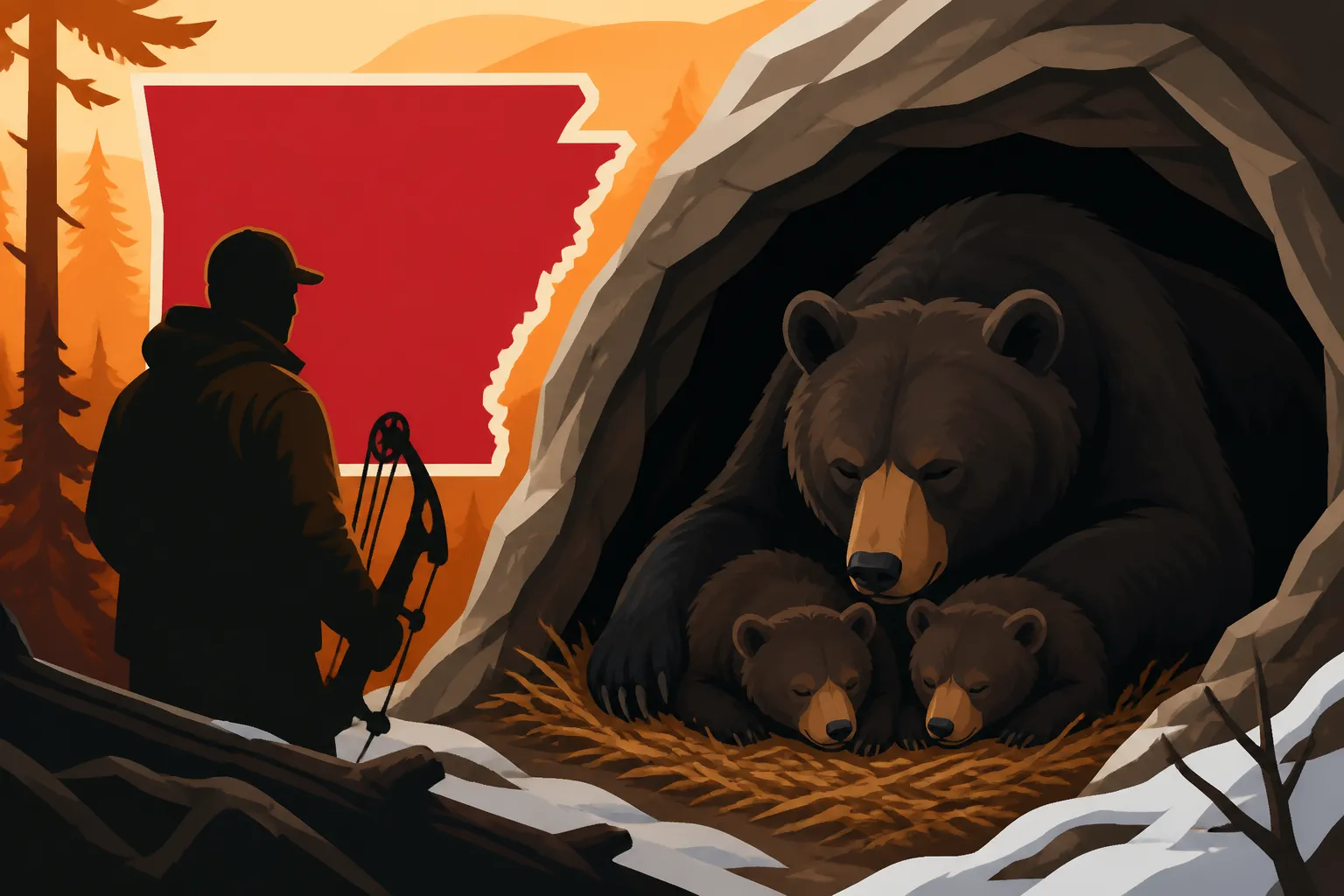
Arkansas Bear Denning Behaviour
It can be incredibly fascinating, and sometimes a real puzzle, trying to understand the rhythms of Arkansas's black bears. We all know they hibernate, or at least den up for a significant portion of the colder months, but what does that really look like here in the Natural State? It’s not just about them going to sleep; their denning behavior is a complex interplay of survival, influenced by our specific climate, food availability, and the rugged terrain of the Ozarks and Ouachitas. This guide will walk you through the ins and outs of how and why Arkansas bears choose their winter homes, offering insights that can help us all better appreciate and coexist with these magnificent animals.
Understanding the "Why" Behind Bear Denning in Arkansas
When we talk about bears denning, it's easy to picture a deep sleep, but it's more accurately a period of torpor or reduced metabolic activity. For black bears in Arkansas, this annual ritual is less about escaping extreme cold like their northern cousins and more about conserving energy during a time of scarce food resources. Our winters aren't typically as harsh as, say, Canada's, but the natural food sources that bears rely on—acorns, berries, insects—become incredibly limited. So, denning is primarily a survival strategy to bridge that gap.
Think about it: a bear needs a tremendous amount of calories to sustain its large body. In the summer and fall, they're constantly foraging, building up those critical fat reserves. Once the leaves fall and the last of the acorns are gone, keeping that metabolism running at full tilt would mean starving. By reducing their heart rate, breathing, and body temperature, they can stretch those fat reserves for months. It’s an evolutionary marvel, allowing them to ride out the lean times until spring brings new growth and new opportunities for food. For sows, especially, this period is crucial, as it’s often when they give birth to their tiny, helpless cubs. They need that secure, warm den to nurse and protect their young during their most vulnerable stage. Understanding this fundamental drive helps us appreciate why certain den characteristics are so important.
When and Where Arkansas Black Bears Typically Den Up
The timing of denning for black bears in Arkansas isn't an exact science; it's more like a loose schedule dictated by a combination of factors. Generally, bears in the state will start looking for suitable dens and begin to enter a state of torpor in late November or early December, once the major acorn crops have diminished and the temperatures consistently drop. However, if we experience a particularly mild fall or winter with lingering food sources, some bears, especially boars, might remain active well into December, or even emerge for brief periods during unseasonably warm spells in January or February.
The location of their dens is far from random. Where Arkansas Bears Range provides a good overview, but specifically for denning, bears seek out places that offer security, insulation, and protection from predators (though adult black bears have few natural predators in Arkansas, it's still about safety). This often means remote, rugged terrain within the Ozark and Ouachita National Forests, areas that boast dense timber, rocky bluffs, and steep ravines. You won't typically find them denning in open fields or easily accessible spots. They prefer solitude. Many hunters, when using mapping tools like GoHunt, will often look for those steep, north-facing slopes, dense cedar thickets, or areas with significant rock formations when trying to identify potential areas where bears might be before they den. It's about finding that intersection of remoteness and natural shelter.
The Role of Food Availability and Weather in Den Timing
The biggest driver for denning in Arkansas, beyond just the calendar, is the availability of food. If there's an exceptional acorn crop one year, bears might delay denning by a week or two, trying to pack on every last ounce of fat. Conversely, a poor mast year could see them heading to their dens a bit earlier, as the cupboard is bare sooner. Weather plays a secondary, but still significant, role. A sudden, sustained cold snap, especially one that brings early snow or ice, can push bears into their dens quickly, even if some food is still theoretically available. They're wired to survive, and conserving energy when conditions turn harsh is paramount.
When spring begins to awaken, typically in late March or early April, bears will start to emerge. Again, this timing is flexible. A warm, early spring will see them out and about sooner, eager to find the first green shoots and fresh food. A lingering cold or wet spring can keep them tucked away a bit longer. Sows with new cubs often emerge later than lone bears, needing that extra time for their tiny offspring to grow and gain strength before facing the outside world. This variable timing is one reason why hunting seasons, particularly Black Bear Hunting in Arkansas, are carefully set to align with bear activity patterns while also protecting critical breeding periods.
Types of Bear Dens You'll Find in Arkansas
Arkansas black bears are quite adaptable when it comes to choosing a den, which is part of their charm and resilience. You won't find them building elaborate structures; instead, they utilize natural features that offer warmth, concealment, and safety. The types of dens they choose often reflect the specific landscape they inhabit, whether it's the rocky, forested hills of the Ozarks or the dense timber of the Ouachitas.
Generally, you'll encounter a few primary types of bear dens in Arkansas:
Rock Cavity Dens
These are incredibly common, especially in the more mountainous and rocky regions of the state. Think of those natural caves, rock overhangs, or crevices nestled into a bluff line. Bears will often find a space just big enough to fit their body, sometimes excavating a shallow depression within the cavity to create a "bed" of sorts. They might drag in leaves, pine needles, or grass to create a more insulated and comfortable space. These dens offer excellent protection from the elements, as the rock provides natural insulation against both cold and wind. For a hunter scouting in areas known for Finding Bear Sign in the Ozarks, checking bluff lines and rocky outcroppings for tell-tale signs of bear activity, even old dens, can be a valuable strategy. These are also prime locations for sows, as the secure, hidden nature of these dens offers great protection for newborn cubs.
Tree Cavity Dens
Old, hollow trees, especially large oaks or pines, make fantastic dens. A bear might enter through an opening at the base of the tree or climb up and go in through a broken limb or hollow knot high off the ground. These "tree dens" are particularly well-insulated due to the thick wood and often provide a surprisingly snug hideaway. They're common in older growth forests. If a bear climbs into a tree den, it's virtually invisible from the ground, offering superb concealment. Hunting Arkansas Bear Over Natural Food can often lead you to older growth areas where these large trees are more prevalent, making it a good idea to keep an eye on those ancient monarchs for potential denning activity. These arboreal dens are another favored spot for sows with cubs, as they're often harder for other animals to access, enhancing cub survival.
Ground Dens or Brush Pile Dens
Sometimes, a bear will simply find a very dense thicket, a large brush pile, or dig a shallow depression under the roots of a fallen tree or a large, dense cedar. These are less protective than rock or tree cavities but can still provide enough insulation and concealment, especially when augmented with gathered leaves and debris. In areas with less dramatic topography, these might be more common. A bear might also simply "nest" on the surface in a very thick, sheltered spot, especially during milder winters or if they are disturbed from a more substantial den. These ground nests are generally used by boars or younger bears who might be more opportunistic. While not as secure, the sheer density of a thicket can make a bear virtually invisible, and tools like GoHunt can help identify those dense pockets of cover on satellite imagery that might serve as impromptu den sites.
Factors Influencing Denning Choices and Hunter Implications
Bear denning behavior isn't just a random act; it's a strategic decision influenced by a multitude of environmental and individual factors. Understanding these can offer valuable insights, not just for conservationists, but for hunters too, as it sheds light on where bears might be prior to denning and where they'll emerge in the spring.
Security and Seclusion
First and foremost, a bear seeks security. This means a den location that is secluded, away from human disturbance, and well-hidden. Bears are incredibly shy, and while they tolerate some human presence, they prefer to den in areas where they are unlikely to be bothered. This often pushes them into the deepest, most rugged parts of the Ozark and Ouachita National Forests, far from roads, trails, and human activity. A sow with cubs will be especially particular about choosing a den that offers maximum protection, as her tiny offspring are completely helpless for the first few months of their lives. When considering Black Bear Hunting in Arkansas, understanding this innate need for solitude means you're more likely to find success by focusing your scouting efforts on these less-traveled, difficult-to-access areas.
Insulation and Protection from Elements
While Arkansas winters are not Siberia, temperatures can still drop significantly, and rain, sleet, and even snow are common. A good den provides insulation. Rock crevices, hollow trees, and even dense root balls under fallen timber offer natural protection from wind and wet weather. Bears will often gather leaves, moss, and pine needles to further insulate their chosen spot, creating a cozy bed. This insulation is critical for minimizing energy expenditure during torpor. A den that keeps them dry and relatively warm means less fat burned to maintain body temperature, which is a key to survival.
Food Availability in the Pre-Denning Period
The availability of food, particularly hard mast like acorns, in the late fall plays a crucial role not just in when a bear dens, but also in its condition before denning. A bear that has been able to gorge on a bountiful acorn crop will be in prime condition, with ample fat reserves. This allows them more flexibility in den selection, as they can afford a slightly less perfect den if necessary. Conversely, a bear that struggled to find food might be more desperate for the most efficient, insulated den possible to conserve what little fat it has. This pre-denning feeding frenzy is why areas with abundant oak forests are often prime spots for hunting during the late fall seasons, as bears are actively moving to pack on those last pounds. Scouting these areas, perhaps with a tool like GoHunt, can reveal historical feeding patterns.
What This Means for Hunters and Conservation
For hunters, understanding bear denning behavior is not about finding a den and disturbing a bear. It's about recognizing the broader patterns of their life cycle. Knowing when they enter and emerge from dens helps you understand their presence and activity levels during the hunting seasons, particularly in late fall and early spring. Bears are heavily focused on feeding before denning, making them more predictable in areas with prime food sources. After emerging, they're often ravenous and looking for the first available greens, like skunk cabbage or early forbs. This knowledge is invaluable for Hunting Arkansas Bear Over Natural Food.
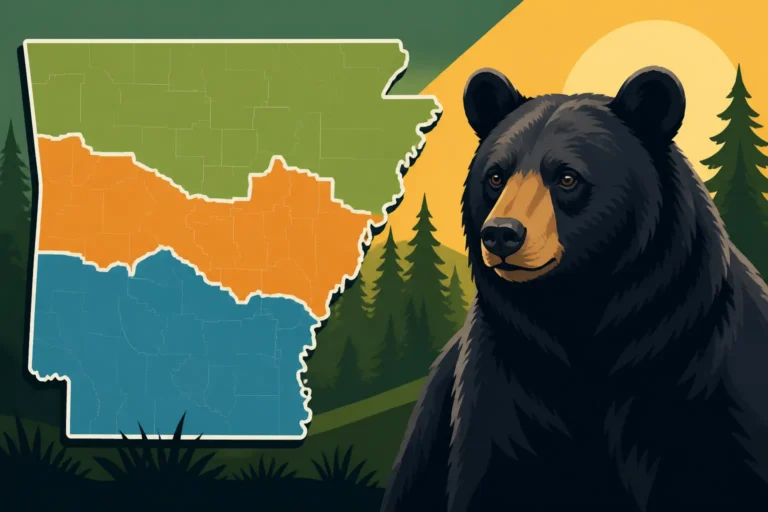
From a conservation perspective, protecting critical denning habitat is paramount. These secluded, secure areas are vital for the survival of the species, especially for reproductive sows. Disturbing dens can cause a sow to abandon cubs, or at least disrupt their critical early development. The Arkansas Game and Fish Commission (AGFC) takes denning behavior into account when setting Arkansas Bear Seasons and Zone Quotas to ensure minimal impact on breeding bears and their cubs. Maintaining large, contiguous tracts of forested habitat with diverse age classes of trees and ample rock features directly supports a healthy bear population, contributing to the continued success of The Arkansas Black Bear Restoration.
Ultimately, the den is more than just a winter bedroom for an Arkansas black bear; it's a testament to their incredible adaptability and a critical component of their life cycle in our beautiful state.
| Den Type | Typical Location | Primary Advantages | Common Users | Hunter Implications |
|---|---|---|---|---|
| Rock Cavity | Bluffs, rock ledges, large boulder fields | Excellent insulation, strong security | Sows with cubs, boars, lone bears | Look for these in rugged Ozark/Ouachita terrain; high security means less human disturbance. |
| Tree Cavity | Large, hollow oaks/pines, dead standing trees | Superior insulation, great concealment | Sows with cubs, boars, lone bears | Common in older growth forests; hard to spot from ground. |
| Ground/Brush Pile | Dense thickets, downed timber, root balls | Good concealment, opportunistic | Boars, younger bears, disturbed bears | May indicate milder winter or opportunistic choice; good to check dense cover. |
| Surface Nest | Very dense cedar/pine thickets, under logs | Quick concealment, minimal effort | Usually boars, occasionally mild winters | Least secure, often in areas with heavy cover but less structure. |
This article is for general informational purposes only and does not constitute professional advice. Laws, prices and regulations vary by location and change over time. Consult a qualified professional for guidance on your specific situation.