Eurasian Collared Doves in Arkansas
It can be genuinely confusing out there in the field, especially when you think you've got a handle on local game birds, only for a new species to seemingly pop up overnight. For many hunters in Arkansas, that's exactly how the Eurasian collared dove has made its presence known. This comprehensive guide will help you understand these relatively new arrivals, how to identify them, and what their presence means for your hunting opportunities in the Natural State.
The Curious Case of Eurasian Collared Doves in Arkansas
Just a few decades ago, the Eurasian collared dove wasn't even on the radar for most hunters in North America. These birds are native to Asia and Europe, but they've undergone an incredible expansion, making their way across the globe and eventually into the United States. They first appeared in Florida in the 1980s, likely as escapees from captivity, and from there, they've spread like wildfire. Arkansas, with its abundant food sources and mild climate, proved to be an ideal stop on their westward and northward journey.
Their proliferation has been astonishing. What started as a rare sighting in the early 2000s has turned into a common occurrence in many parts of Arkansas. You'll find them not just in rural areas, but often right in the heart of towns and cities, foraging around bird feeders, grain elevators, and suburban landscapes. This rapid colonization presents both a fascinating ecological shift and a unique hunting opportunity for those willing to learn about this adaptable species. They're a testament to how dynamic our ecosystems can be, and how quickly new species can establish themselves when conditions are right.
Identifying Collared Doves Versus Native Mourning Doves
When you're out hunting, especially during dove season, quick and accurate identification is absolutely critical. Eurasian collared doves are often mistaken for our native mourning doves, which could lead to some real headaches if you're not careful about your bag limits on the native species. While they share some similarities, there are distinct features that, once you know them, make telling the two apart fairly straightforward. It's not just about size; it's about subtle plumage differences, vocalizations, and even their flight patterns.
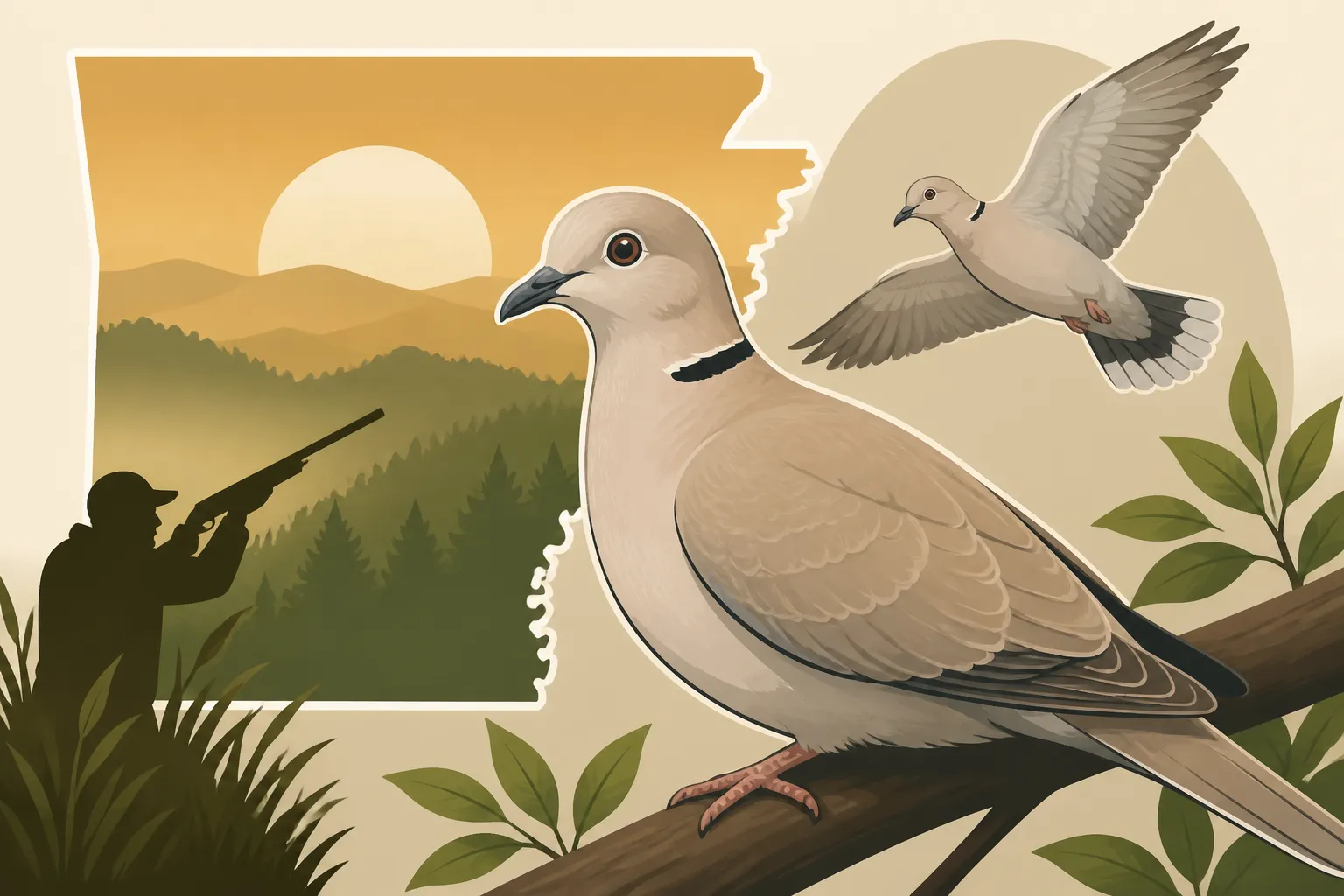
The most obvious distinguishing characteristic of the Eurasian collared dove is its size – they are noticeably larger and stockier than mourning doves, often resembling a pigeon more than a typical dove. They have a broader body and a longer, squared-off tail, unlike the mourning dove's characteristic pointed tail. Their plumage is a pale, grayish-tan overall, but the real giveaway is the prominent, narrow black half-collar on the back of their neck. Mourning doves, by contrast, are a more slender, brownish-gray, with black spots on their wings and no neck collar. Their vocalizations are also quite different; collared doves have a three-note cooing call that sounds like "hoo-hoo-hooo," often repeated, while mourning doves have their well-known, mournful "coo-OO-oo-oo" sound. In flight, collared doves tend to have a heavier, more direct flight path, whereas mourning doves are known for their fast, erratic flight with whistling wings. Learning these cues is vital before you head into the field.
Where Collared Doves Prefer to Live in Arkansas
Eurasian collared doves are incredibly adaptable, which is a major reason for their widespread success. They've found niches across a variety of habitats in Arkansas, though they do show a strong preference for certain types of environments, especially those influenced by human activity. This makes them a little different from the more rural-oriented mourning dove, and understanding these preferences can significantly help you locate them.
You'll most commonly find collared doves in areas with a mix of open ground for foraging and trees for roosting and nesting. Think suburban neighborhoods, farmsteads, and especially around agricultural operations like grain elevators, poultry farms, and cattle feedlots. They are real opportunists when it comes to food, happily feasting on spilled grains, birdseed, and a variety of wild seeds. As their population has grown, however, they've expanded beyond these typical "urban edge" environments and are now a more common sight in truly rural agricultural landscapes, often alongside mourning doves in cut fields or around barns. Using a mapping tool like GoHunt can help you spot these areas of human activity and agricultural centers, guiding you to potential collared dove hotspots even on public land borders or larger private tracts. They're not particular about what kind of trees they use, as long as they offer some cover and a stable perch, making them a common sight in everything from suburban oaks to rural pecan groves.
Hunting Regulations and Opportunities for Collared Doves
The arrival and subsequent spread of Eurasian collared doves have created a unique situation for hunters. Unlike most game species, which are managed with strict seasons, bag limits, and specific regulations, collared doves are generally treated differently due to their status as an exotic, non-native species. This difference can be a fantastic boon for hunters looking for additional opportunities, but it also means you need to be aware of the specific rules.
Many hunters are accustomed to the traditional Arkansas Dove Opener and Later Splits for mourning doves, which have very specific dates and daily limits. With collared doves, the rules are often far more relaxed, essentially offering a year-round hunting season with no bag limit in many places. This means you can often pursue them when other seasons are closed, or add them to your bag during other hunts. However, this doesn't mean all rules go out the window. You still need a valid Arkansas Hunting Licenses and What They Cost, and if you're hunting migratory birds in general, including mourning doves, you'll need your HIP registration. While collared doves themselves aren't migratory in the same sense, it's always best to be fully compliant with all general hunting requirements. Always check the very latest regulations from the Arkansas Game and Fish Commission (AGFC) before heading out, as rules can change, and you want to ensure you're on the right side of the law.
Why Collared Doves Have Different Rules
The reason Eurasian collared doves are treated so differently from native game birds boils down to their classification as an exotic, non-native, and often considered invasive species. Our wildlife management agencies, like the AGFC, are primarily focused on conserving and managing native wildlife populations. When a species that isn't native establishes itself and rapidly expands, there's a concern about its potential impact on native species and ecosystems.
Because they are not considered a native game species, and with no established natural predators to keep their numbers in check, collared doves are often given an "unprotected" status. This means they typically don't have a closed season or bag limit. The idea behind this approach is to encourage harvest, theoretically helping to mitigate any potential negative impacts they might have on native birds like mourning doves by competing for food and nesting sites. It's a pragmatic approach to dealing with a species that wasn't here before and doesn't fit neatly into existing game management frameworks. This flexibility offers hunters a unique chance for year-round shooting opportunities, making them a great target for sharpening your wingshooting skills or simply enjoying a day afield when other seasons are closed. Just remember, despite the relaxed rules for the collared dove itself, you still need to adhere to all general hunting laws, including shooting hours and safety regulations for Arkansas Legal Shooting Hours and general firearm use.
Tactics for Hunting Collared Doves
Hunting Eurasian collared doves often requires a slightly different approach than the traditional field-edge setup many use for mourning doves. While they will certainly frequent cut grain fields, their preference for areas with human activity means you might find success in places you wouldn't typically consider for a dove hunt. Flexibility and scouting are key when it comes to these birds.
One highly effective tactic is to focus on areas around farmsteads, abandoned barns, feedlots, or grain storage facilities, particularly where there's spilled grain or easy access to food. They are often less wary than mourning doves, sometimes allowing for closer approaches, especially if they are accustomed to human presence. Setting up a ground blind or finding good natural cover near these food sources can be very productive. Decoys can also be effective; a small spread of dove decoys, especially with some motion decoys mixed in, can draw them in. Another strategy is to locate their roosting areas, which are often in dense trees near their feeding sites, and set up an ambush in the late afternoon. Their flight pattern is often slower and more direct than a mourning dove's, which can make for easier shooting, but don't get complacent – they can still surprise you with bursts of speed. Remember, while there's generally no bag limit, ethical hunting means only taking what you can use and ensuring a clean kill. And if you're hunting near water sources, be mindful of Nontoxic Shot Rules in Arkansas if lead shot is prohibited.
| Feature | Eurasian Collared Dove | Mourning Dove |
|---|---|---|
| Size | Larger, stockier, pigeon-like | Smaller, more slender |
| Tail Shape | Longer, squared-off | Pointed |
| Neck Markings | Distinct narrow black half-collar | No collar, often small black spots on wings |
| Overall Color | Pale grayish-tan | Brownish-gray |
| Flight Pattern | Heavier, more direct | Fast, erratic, whistling wings |
| Vocalization | Three-note "hoo-hoo-hooo" | Mournful "coo-OO-oo-oo" |
| Primary Habitat | Urban/suburban, farmsteads, grain areas | Open fields, rural areas, woodland edges |
| Hunting Status | Unprotected (no bag limit, no closed season typical) | Game bird (strict seasons, bag limits apply) |
Impact on Native Wildlife and Ecosystems
The presence of any non-native species, especially one that colonizes as successfully as the Eurasian collared dove, always raises questions about its ecological impact. It's natural to wonder how these newcomers are affecting our beloved native birds and the broader Arkansas ecosystem. While studies are ongoing, there are some clear considerations and potential consequences, as well as an interesting silver lining for hunters.
It’s important to remember that nature is complex, and the full scope of an invasive species' impact can take years, even decades, to fully understand. However, wildlife managers are constantly monitoring these situations to maintain balance. The goal is always to protect our native species, and understanding the role of the collared dove is part of that effort. This ecological puzzle is part of what makes studying Arkansas Doves and Migratory Birds so fascinating, as new information continues to emerge.
Competition with Native Mourning Doves
One of the primary concerns regarding Eurasian collared doves is their potential to outcompete native species, particularly our familiar mourning doves. Both species have similar diets, primarily consisting of seeds, and they often utilize similar habitats, especially in agricultural areas. When two species need the same resources, competition is inevitable.
The collared doves' larger size and aggressive nature could give them an advantage at feeders or prime foraging locations. If food sources become limited, the more dominant collared doves might displace mourning doves, potentially affecting their breeding success or even leading to localized population declines. There's also the concern about nesting sites; while collared doves are adaptable nesters, they could put pressure on preferred nesting locations if populations become too dense. However, some research suggests that while there is overlap, the collared dove's preference for more urban and suburban environments, combined with its year-round breeding capabilities, might mean they're not always in direct, head-to-head competition with mourning doves in every single habitat type. It's a nuanced situation, and the AGFC keeps a close eye on these dynamics to understand any long-term shifts in Mourning Dove Migration Timing or overall population health.
Collared Doves as a Year-Round Food Source
Despite the ecological concerns, there's a significant positive for hunters: Eurasian collared doves offer an excellent, year-round food source. For many, the joy of hunting isn't just about the chase; it's about putting wholesome, wild game on the dinner table. Collared doves deliver on this front in spades.
Their larger size means more meat per bird compared to a mourning dove, making them a more substantial meal. And because they typically lack the strict seasons and bag limits of other game birds, you can pursue them almost any time of year, whenever the opportunity arises. This is particularly appealing during the long stretches when other hunting seasons are closed, giving wingshooters a chance to stay sharp and enjoy the outdoors. Whether you're targeting them specifically, or just happen upon them while Small Game and Squirrel Hunting in Arkansas, they make a delicious addition to your cooler. They can be prepared in all the same ways as mourning doves – grilled, fried, roasted, or even in a rich gravy. This availability makes them a valuable resource for hunters looking to fill their freezers and practice their shooting skills throughout the year, adding an unexpected bonus to the Arkansas hunting landscape.
Disclaimer
This article is for general informational purposes only and does not constitute professional advice. Laws, prices and regulations vary by location and change over time. Consult a qualified professional for guidance on your specific situation.