Snow Goose Numbers in the Delta
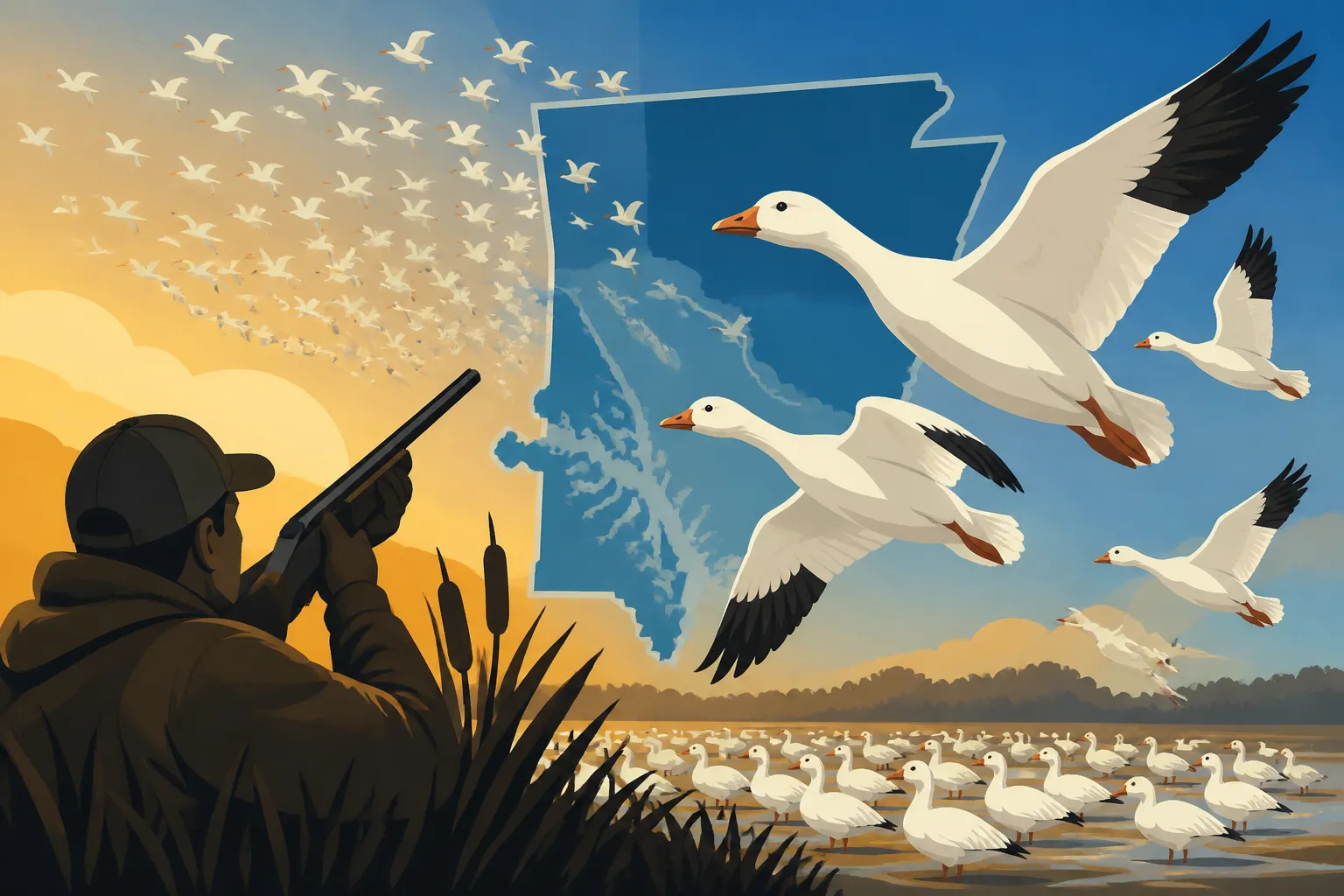
If you've spent any time at all in the Arkansas Delta during the colder months, you've likely seen them—vast, swirling blizzards of white across the sky, or immense blankets covering seemingly endless fields. These are snow geese, and their sheer numbers can be astonishing, sometimes even overwhelming. It’s a phenomenon that leaves many hunters and even non-hunters wondering just how many of these birds truly descend upon our state and why the Delta, in particular, becomes such a winter haven for them. This guide will dive into the fascinating world of snow goose populations in the Arkansas Delta, exploring why they gather here, how their numbers are monitored, and what it all means for hunters and the landscape.
The Delta: A Feast for Snow Geese
The Arkansas Delta is an agricultural powerhouse, a landscape dominated by vast fields of rice, soybeans, and corn. While these fields are meticulously managed for harvest, they leave behind an incredible bounty of waste grain that acts as an irresistible magnet for migratory waterfowl, especially snow geese. This isn't just a convenient stopover; for millions of snow geese, the Delta is essentially a five-star, all-you-can-eat buffet that fuels them through the winter.
Think about it: after the combines have roared through, there’s still a significant amount of grain scattered across the ground. For a snow goose, this is pure gold. They're incredibly efficient grazers, often seen "grubbing" – digging up roots and rhizomes in shallowly flooded fields – but the waste grain provides an immediate, high-energy food source that sustains enormous flocks. It's a perfect storm of available calories and safe, open spaces where they can feed and roost without constant disturbance.
Beyond the sheer volume of food, the Delta also offers critical habitat in the form of shallowly flooded fields and sloughs. These areas provide ideal roosting sites, places where hundreds of thousands of geese can gather, safe from many predators, often just a short flight from their feeding grounds. This combination of abundant food and secure resting spots makes the Arkansas Delta one of the most important wintering grounds for lesser snow geese on the entire continent, a fact that becomes immediately clear when you witness the spectacle of a million-plus bird flock. This is also why Field and Flooded Rice Duck Hunting in the Delta is such a productive strategy for duck hunters, as these same conditions attract other waterfowl.
Understanding Snow Goose Population Dynamics
Snow goose populations have experienced a remarkable boom over the past few decades, primarily due to changes in agricultural practices across their migratory route. What was once a population concern has, in many areas, become an issue of overpopulation, particularly for the mid-continent lesser snow goose. These birds breed in the Arctic tundra, and for a long time, the tundra's limited food resources acted as a natural check on their numbers. However, the development of large-scale agriculture, especially rice and corn, in their migration corridors and wintering grounds like the Arkansas Delta, has provided an almost unlimited food supply.
This abundance of food has led to incredibly high survival rates, both for adults and goslings, pushing the population far beyond what the Arctic breeding grounds can sustainably support. The result is a cycle of damage: huge flocks of snow geese return to the tundra each spring and literally strip the vegetation, destroying their own nesting habitat and that of other tundra-nesting species. It’s a conservation paradox: a highly successful species is causing significant ecological harm due to its success. This is why you often hear about the Snow Goose Numbers in the Delta being so high, and why the management approach is so unique.
To address this, wildlife agencies, including the Arkansas Game and Fish Commission (AGFC), implemented the Light Goose Conservation Order. This special season, with its extended dates, increased bag limits, and relaxed methods (like unplugged shotguns and electronic calls), is a direct response to the need to reduce the mid-continent snow goose population. It's a crucial management tool, recognizing that traditional hunting seasons and bag limits simply aren't enough to make a dent in these colossal numbers and mitigate the ecological damage.
How Numbers Are Tracked and Observed
Pinpointing an exact number for snow geese in the Delta at any given moment is a monumental task, but wildlife agencies rely on a combination of aerial surveys, satellite imagery, and ground observations to estimate population trends and wintering numbers. The U.S. Fish and Wildlife Service, in cooperation with state agencies like the AGFC, conducts regular surveys along the Mississippi Flyway. These often involve flying transects over key wintering areas, visually estimating flock sizes.
These surveys give biologists a broad understanding of the population's health and distribution, helping to inform season lengths and bag limits. However, even with advanced methods, migratory bird counts are always estimates. Factors like weather patterns, which can push birds rapidly into or out of a region, and the sheer movement of massive flocks across thousands of acres of farmland, make precise, real-time counting incredibly challenging. Hunters themselves play a vital role in observation, often reporting their experiences, which, when aggregated, can provide valuable anecdotal evidence of local concentrations. Many hunters use tools like GoHunt to scout and understand migration patterns, which indirectly helps them observe numbers firsthand.
It's important to remember that the "number" of snow geese you see can vary dramatically day-to-day and week-to-week. A massive cold front up north might push millions of birds into Arkansas overnight, while a warm spell could send them further south or spread them out over a wider area. The peak numbers in the Delta usually occur from late December through February, when the vast majority of the mid-continent population has settled into its wintering grounds. Staying updated on weather forecasts and migration reports can give hunters an edge, and resources found on platforms like GoHunt can aid in this research.
Implications for Hunters and Farmers
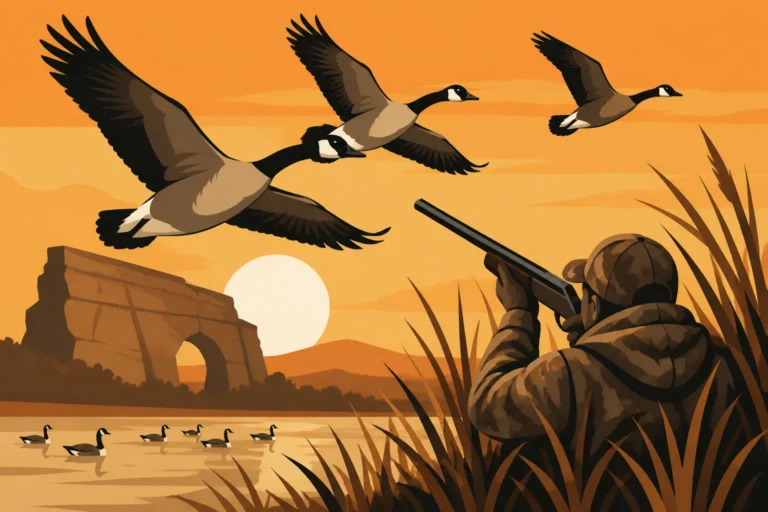
The colossal numbers of snow geese in the Delta present both unique challenges and incredible opportunities. For hunters, it means liberal seasons and generous bag limits during the Light Goose Conservation Order. This isn't your typical duck hunt; it’s an experience focused on volume, requiring different tactics, often involving massive decoy spreads, electronic calls, and relentless scouting. It’s an opportunity to truly experience the scale of waterfowl migration and to contribute to a critical conservation effort by helping to reduce an overabundant species. Many outfitters specialize in Snow Goose Tactics in the Delta, taking advantage of these numbers.
For farmers, the sheer abundance of snow geese can be a significant headache. While waste grain is part of the problem, large flocks can also cause direct crop damage by grubbing up newly planted fields or feeding on winter wheat. This economic impact is a major reason why wildlife agencies are so keen on managing these populations. Hunters, by participating in the Conservation Order, are providing a valuable service to the agricultural community, even if the impact of hunting on such a massive population can feel like a drop in the ocean.
Navigating these dynamics means understanding the landscape. Hunters often spend days scouting, looking for the "X" where birds are actively feeding. These locations can change daily as geese deplete food sources in one area and move to another. Using advanced mapping tools, such as those integrated into platforms like GoHunt, can be incredibly helpful for identifying potential roosting and feeding areas on public and private lands. It's a testament to the incredible resilience and adaptability of these birds, but also a call to action for hunters to get out there and help balance the ecosystem. For information on specific regulations, refer to the Arkansas Game and Fish Commission website.
Comparing Snow Geese to Other Geese in the Delta
Understanding the characteristics of snow geese compared to other goose species that winter in the Delta can help hunters identify them and appreciate their unique ecological role.
| Feature | Snow Goose (Lesser) | Specklebelly Goose (Greater White-fronted) | Canada Goose (Interior/Giant) |
|---|---|---|---|
| Appearance | White body, black wingtips, pink bill | Grey-brown body, white "speckled" belly, orange legs/bill | Brown body, black neck/head, white chin strap |
| Size | Medium | Medium-Large | Large-Very Large |
| Primary Food | Waste grain, roots, tubers (grubbing) | Waste grain, green forage | Waste grain, green forage |
| Flock Size | Enormous (hundreds of thousands, millions) | Moderate (dozens to hundreds) | Small to Moderate (dozens to a few hundred) |
| Conservation Status | Overabundant (requires control) | Stable/Increasing | Stable/Increasing |
| Hunting Season | Standard season + Light Goose Conservation Order | Standard season | Standard season |
| Typical Habitat | Open agricultural fields, shallowly flooded areas | Agricultural fields, moist-soil units | Agricultural fields, reservoirs, rivers |
| Sound | High-pitched, continuous "honk" or "gabble" | Distinct two-note "klah-wank" | Classic deep "honk" |
As you can see, snow geese stand apart in their sheer numbers and the way they interact with the Delta's environment. Their overpopulation drives specific hunting strategies and conservation efforts like the Light Goose Conservation Order Dates.
The Future of Snow Goose Numbers and Hunting
The future of snow goose numbers in the Arkansas Delta remains tied to their Arctic breeding grounds and the continued availability of agricultural food sources. While hunting efforts during the Conservation Order are significant, they have largely stabilized the population rather than dramatically reducing it. This means hunters can likely expect continued opportunities for high-volume snow goose hunting for the foreseeable future.
For those planning a hunt, staying informed about migration patterns, local conditions, and regulations is paramount. Resources like the AGFC's waterfowl reports and online hunting forums, where hunters share insights, can be invaluable. Tools such as those found on GoHunt can provide map overlays for public land and property boundaries, essential for navigating the complex patchwork of the Delta. Remember, a successful snow goose hunt isn't just about pulling the trigger; it's about understanding the birds, their habitat, and how to adapt to their movements. It's an immersive experience that puts you right in the middle of one of nature's most spectacular migrations. If you're looking for guidance, remember that Specklebelly and Goose Guide Services are widely available, especially in prime Delta areas.
Whether you're a seasoned waterfowl hunter or new to the sport, witnessing the vast numbers of snow geese in the Arkansas Delta is an unforgettable experience. It highlights the delicate balance of nature, the impact of human activity, and the ongoing efforts to manage and conserve our wildlife resources. It's a challenge, a spectacle, and a unique part of the Arkansas hunting tradition.
Disclaimer
This article is for general informational purposes only and does not constitute professional advice. Laws, prices and regulations vary by location and change over time. Consult a qualified professional for guidance on your specific situation.