Buffalo National River Hunting Rules
Many hunters dream of chasing game through the stunning landscapes of Arkansas, but the thought of hunting within a National Park Service unit, like the Buffalo National River, often conjures images of endless red tape and complicated regulations. It's a completely understandable frustration, because navigating these unique rules can feel like trying to solve a puzzle in the dark. This guide is here to shine a light on the specific hunting rules and considerations for the Buffalo National River, helping you understand where and how you can pursue game in this remarkable part of the state.
Understanding the Unique Status of the Buffalo National River
The Buffalo National River isn't just any piece of public land in Arkansas; it holds a special designation as a unit of the National Park System. This means it operates under a blend of federal and state regulations, which can be a little different from what you might be used to in a Wildlife Management Area (WMA) or a National Forest. For a long time, hunting was actually prohibited within the Buffalo National River boundaries, but that changed, opening up some incredible opportunities for those who understand the specific rules.
The National Park Service Mandate and Hunting
Unlike state WMAs or National Forests primarily managed for multiple uses including timber, recreation, and hunting, the National Park Service (NPS) mandate prioritizes the preservation of natural and cultural resources, along with providing for public enjoyment. When hunting was reintroduced, it was done so under strict guidelines to ensure it aligns with this primary mission. This isn't about maximizing harvest; it's about providing a traditional recreational opportunity that is compatible with resource protection. This fundamental difference means you’ll encounter rules here that are more restrictive than in other parts of the state, particularly regarding weapon types, access, and activities like baiting. You might even find some areas completely closed to hunting for resource protection or visitor safety reasons, so knowing the exact boundaries and rules is paramount.
Designated Hunting Zones Within the BNR
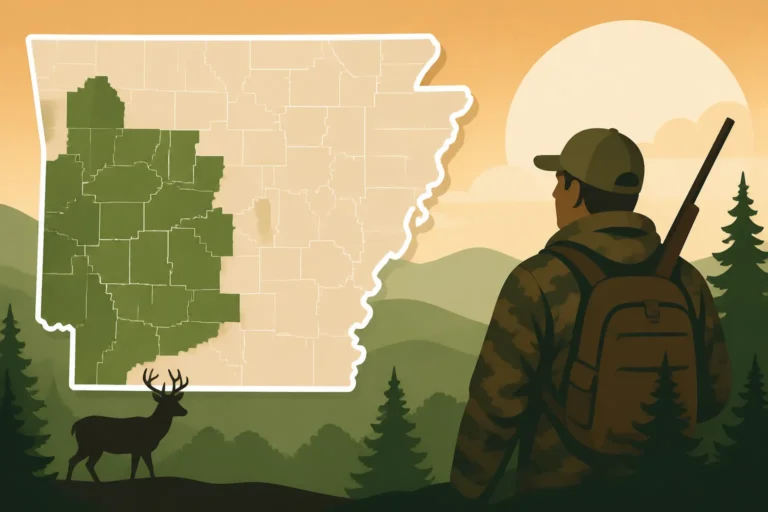
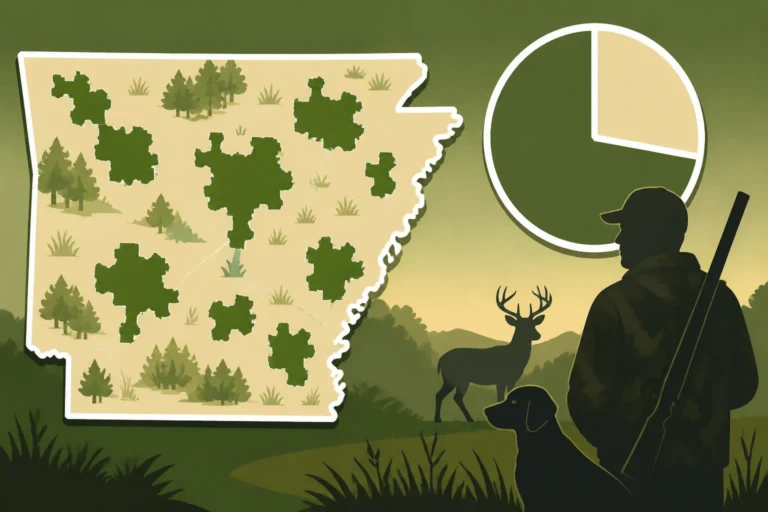
It's crucial to understand that hunting is not allowed throughout the entire Buffalo National River corridor. Instead, specific zones or areas have been designated as open to hunting. These zones are carefully delineated and are often separated by areas where hunting remains prohibited. These might be sections near visitor centers, developed campgrounds, or sensitive ecological sites. Always check the official National Park Service map specifically for the Buffalo National River, as well as the Arkansas Game and Fish Commission (AGFC) regulations. Many hunters find a digital mapping app like onX Hunt incredibly useful here, as it often has layers that show federal land boundaries and can help clarify exactly where you are standing in relation to these designated hunting zones. This isn't a place where "close enough" will work; you need to be precise.
General Regulations vs. State Law Intersections
When hunting on the Buffalo National River, you're essentially operating under two layers of rules: the general statewide hunting regulations set by the AGFC, and the specific regulations imposed by the National Park Service for the BNR. Generally, if the NPS has a specific rule for the BNR, that rule takes precedence. If the NPS doesn't have a specific rule, then the AGFC's statewide regulations apply. This means you still need all your valid Arkansas Hunting Licenses and What They Cost and stamps, and you still have to adhere to statewide bag limits and seasons, unless the BNR has an even stricter limit or a shortened season. It's a "lowest common denominator" approach – the most restrictive rule is usually the one you must follow. This complexity is why doing your homework before you go is absolutely non-negotiable.
Specific Game and Season Considerations
The types of game you can pursue on the Buffalo National River are generally aligned with what's available in the surrounding Ozark region, but the methods and seasons can differ significantly. Deer, turkey, and some small game are typically the primary targets for hunters who venture into these areas.
Deer Hunting within BNR Boundaries
Deer hunting is a popular pursuit on the Buffalo National River, but it comes with stricter weapon regulations than many other parts of Arkansas. In most designated hunting areas within the BNR, only archery equipment is permitted for deer. This means no modern firearms or muzzleloaders, even during statewide modern gun or alternative firearms seasons. This restriction is primarily for visitor safety in a multi-use area that sees significant foot traffic from hikers, paddlers, and campers.
The season dates for deer hunting generally follow the statewide Arkansas Archery Deer Season Dates for the zone the BNR falls within, but always, always double-check the specific BNR regulations as they can sometimes be slightly modified or include specific closures. For example, some areas might have antler restrictions that align with the state's three-point rule, while others might have additional restrictions or simply follow the general Ozark zone rules. Hunters looking for a challenge will appreciate the deep woods and rugged terrain, where scouting is paramount to success. Learning to Read an Ozark Bench for Deer and understanding how deer use the steep hollows and ridges will be crucial.
Turkey and Small Game Opportunities
Beyond deer, the Buffalo National River can also offer opportunities for wild turkeys and certain small game species. Spring Turkey Hunting in the Arkansas Ozarks is a cherished tradition, and some sections of the BNR are open to turkey hunting. As with deer, expect potential restrictions. Often, only shotguns using approved shot sizes are permitted, and the bag limits and season dates will typically align with the specific turkey zone the BNR unit is in. However, given the multi-use nature of the park, turkey hunting zones might be more limited, or specific calling methods might be discouraged near high-traffic areas.
Small game like squirrels and rabbits can also be found in the timbered hills and bottomlands of the BNR. Squirrel hunting, with its long season and relatively low impact, is often permitted. Again, be aware of any weapon restrictions – typically, rimfire rifles and shotguns are allowed, but always confirm. It's a fantastic way to enjoy the river corridor, and the challenge of navigating the terrain and finding game in a wild setting is truly rewarding. However, never assume. Just because small game is allowed statewide, it doesn't automatically mean it's allowed on every inch of BNR land, nor that all weapons are legal.
Prohibited Species and Activities
Just as important as knowing what you can hunt is understanding what you cannot. Certain species are completely off-limits for hunting within the Buffalo National River. This typically includes furbearers like bobcats, coyotes, and foxes, as well as predators like black bears, even though Black Bear Hunting in Arkansas is permitted in surrounding zones. The NPS views these species as integral to the ecosystem they are charged with protecting and generally prohibits their harvest.
Furthermore, several hunting activities that might be common elsewhere in Arkansas are strictly prohibited on the BNR. These include:
- Baiting or feeding wildlife: This is a non-starter. You cannot use any bait, attractants, or minerals to lure in game.
- Use of dogs for hunting deer: While Deer Hunting With Dogs in Arkansas is a tradition in some parts of the state, it is not permitted within the BNR.
- Setting up permanent blinds or stands: Any stand or blind must be removed daily. No leaving equipment behind.
- Motorized vehicles off designated roads: Access is often limited to foot travel or non-motorized means in hunting areas.
- Target shooting or sighting in firearms: The BNR is not a shooting range.
Always check the current regulations issued by the National Park Service for the Buffalo National River for the most up-to-date and comprehensive list of prohibitions.
Permits, Licenses, and Hunter Responsibilities
Hunting on the Buffalo National River means you'll need to be extra diligent about carrying the correct documentation and adhering to all safety protocols. It’s not just about what you harvest, but how you conduct yourself within this unique and cherished landscape.
State Licenses and BNR Specific Permits
To hunt on the Buffalo National River, you must possess all applicable Arkansas state hunting licenses and stamps for the species you are pursuing, just as you would for any other public land in Arkansas. This includes your general hunting license, deer tags, turkey tags, and any migratory bird stamps if applicable. For nonresidents, this means having the appropriate Arkansas Nonresident License Options. There may also be specific, free permits issued by the National Park Service itself that are required for hunting within the BNR. These BNR-specific permits often act as an acknowledgement that you've read and understood their particular rules. It's essential to check the official Buffalo National River website or contact park headquarters before your hunt to determine if any such additional permits are necessary. Failing to possess the correct state license and any required BNR permit could lead to citations and forfeiture of your harvest.
Hunter Orange and Safety Rules
Even though most hunting within the Buffalo National River is archery-only, standard Arkansas Hunter Orange Requirements still apply during any season where it's mandated statewide. For example, if you are deer hunting with archery equipment during a period that overlaps with a youth gun deer hunt in the surrounding area, you might still need to wear hunter orange. Beyond the legal requirements, wearing visible clothing is simply good practice in an area that sees a lot of recreational use. You're sharing the woods with hikers, horseback riders, and sightseers who may not be accustomed to seeing hunters. Always assume there are other people in the woods, exercise extreme caution, and clearly identify your target and what lies beyond it. Ethical hunting is about safety first, always.
Checking and Reporting Game
Once you've successfully harvested an animal on the Buffalo National River, the process for checking and reporting your game follows the standard AGFC protocols. You'll need to affix your game tag immediately to the animal, as per state law. You can then use the AGFC's online system or mobile app to check in your harvest. The specific Arkansas Turkey Checking Rules or deer checking rules apply. While the BNR is federal land, the AGFC manages the game populations, and thus the reporting process falls under their jurisdiction. However, it's always wise to be prepared to present your game and documentation to a National Park Service Ranger or an AGFC Wildlife Officer if encountered, as they both have jurisdiction within the park boundaries. Having your licenses and any BNR-specific permits readily accessible is part of being a responsible hunter here.
Navigating the Terrain and Scouting
The Buffalo National River offers some truly wild and rugged hunting experiences, but its unique landscape and multi-use status demand careful scouting and smart navigation. It's not just about finding game; it's about respecting the land and other users.
Using Mapping Tools for Success
Given the intricate boundaries, varying regulations, and rugged terrain, a reliable mapping tool is an absolute lifesaver when hunting the Buffalo National River. I personally wouldn't step foot in these areas without a good digital map. Applications like onX Hunt are invaluable because they provide detailed topographic maps, aerial imagery, and critically, public and private land ownership layers that clearly mark the boundaries of the BNR and its specific hunting zones. You can drop waypoints for potential game sign, access points, and even other points of interest like scenic overlooks or river access points that you might need to avoid. For the most up-to-date season dates and specific unit regulations, beyond what the AGFC provides, platforms like GoHunt can offer quick access to compiled state and federal rules, saving you a lot of cross-referencing and ensuring you’re operating within legal parameters. Studying these maps thoroughly beforehand, using them to plan your entry and exit routes, and using them to identify where the designated hunting areas begin and end is essential.
Access Points and Travel Methods
Access into hunting areas within the Buffalo National River is often more restricted than on typical public lands. Motorized vehicles are generally confined to paved roads and designated parking areas. In many hunting zones, you'll be limited to foot traffic, which means physically demanding hikes into remote areas. This can be a huge advantage for hunters willing to put in the effort, as it naturally reduces pressure from those who prefer easier access. When planning your hunt, consider your physical conditioning and your ability to pack out a harvested animal over potentially rough, steep terrain. You might encounter trails shared with hikers and horseback riders, so be courteous and vigilant. Always confirm any rules about bicycles or other non-motorized conveyances if you plan to use them to extend your range. For specific insights into the local terrain, reading up on Hunting Ozark Ridges and Hollows for Deer can offer a mental edge, as many of those principles apply directly to the BNR.
Respecting Non-Hunters and Private Property
The Buffalo National River is a place where hunters often share the landscape with a diverse group of outdoor enthusiasts. This means you have an added responsibility to represent the hunting community positively. Be visible, be polite, and be prepared to answer questions from non-hunters about what you are doing. Avoid disturbing other recreational users, especially near popular trails or river access points. Furthermore, the BNR boundaries are often adjacent to private property. Even with your onX Hunt app, it's crucial to be aware of property lines and ensure you do not inadvertently trespass. Retrieving game from private land always requires permission, and you must respect posted signs. The last thing any hunter wants is a run-in with a landowner or another park user that could jeopardize hunting opportunities for everyone in the future.
| Category | General State Land (Ozarks) | Buffalo National River Hunting Zones | Key Difference |
|---|---|---|---|
| Deer Weapon Types | Archery, Modern Gun, Alt. | Primarily Archery Only | BNR often restricts firearms for safety/preservation |
| ATV/Vehicle Access | Often allowed on designated | Highly restricted; foot traffic often | BNR prioritizes natural experience, less vehicle |
| Baiting/Feeding | Allowed outside CWD zones | Strictly prohibited | BNR maintains wild conditions |
| Permanent Stands/Blinds | Allowed with rules | Prohibited; must remove daily | Prevents visual impact and resource damage |
| Permitting | State License/Tags Only | State License + Potential BNR Permit | Additional federal layer of permission |
Hunting the Buffalo National River is a truly unique experience, offering breathtaking scenery and a challenging hunt. It demands a higher level of preparation and adherence to specific rules, but the reward of connecting with nature in such a pristine environment is immeasurable. Always do your homework, respect the land and its rules, and embrace the wilderness challenge this special place provides.
Disclaimer
This article is for general informational purposes only and does not constitute professional advice. Laws, prices and regulations vary by location and change over time. Consult a qualified professional for guidance on your specific situation.