Protected Species in Arkansas Hunting Country
It’s happened to all of us: you’re out in the woods, maybe a bit before legal shooting light, or deep in thick cover, and you hear a rustle, see a flicker of movement, and for a split second, your heart leaps, thinking it’s the deer or turkey you’ve been patiently waiting for. But then, as it moves into better light, you realize it’s something else entirely – something you absolutely cannot, under any circumstances, harvest. The fear of accidentally taking a protected species is a very real, stomach-dropping concern for any ethical hunter. This guide is all about helping you understand what species are protected in Arkansas, why, and how to confidently identify and avoid them so you can hunt responsibly and stay on the right side of the law.
Understanding the "Protected" Label in Arkansas
When we talk about "protected species" in Arkansas hunting country, it's not just about endangered animals. It's a much broader category encompassing anything that isn't specifically designated as a game animal with an open season. Think of it this way: unless the Arkansas Game and Fish Commission (AGFC) has set clear seasons, bag limits, and methods for harvesting a particular species, you generally cannot hunt it. This blanket protection is crucial for maintaining ecological balance and biodiversity, and it prevents confusion or exploitation of non-target wildlife.
Why Species Are Protected
The reasons behind protecting various species are diverse, but they all boil down to conservation and maintaining healthy ecosystems. Some species are protected because their populations are truly struggling, perhaps due to habitat loss, disease, or historical overharvesting. These might be listed as federally or state-threatened or endangered, carrying very severe penalties for any harm. Think of species like certain bat colonies in our caves, or specific mussels in our rivers – you might never even see them while hunting, but their protection is paramount.
Other species are protected not because they're rare, but simply because they aren't considered traditional game animals. These include the vast majority of songbirds that fill our forests with sound, many small mammals that play vital roles in the food chain, or even majestic birds of prey like hawks and owls. They have their place in the natural world, contributing to the health of our environment, and their protection ensures they can continue to thrive without pressure from hunting.
The legal implications of harming a protected species can range from hefty fines to loss of hunting privileges, and even jail time, especially for federally protected or endangered animals. It’s a serious matter, and ignorance of the law is rarely an acceptable defense.
General Rules for Non-Game Species
The golden rule for Arkansas hunters is simple: if it's not explicitly a game animal with an open season, it's protected. This means you cannot intentionally harass, capture, wound, or kill it. This extends to pretty much every bird you see outside of ducks, geese, and turkeys, and most mammals that aren't deer, bear, elk, squirrels, rabbits, or furbearers like coyotes and bobcats that have specific hunting seasons.
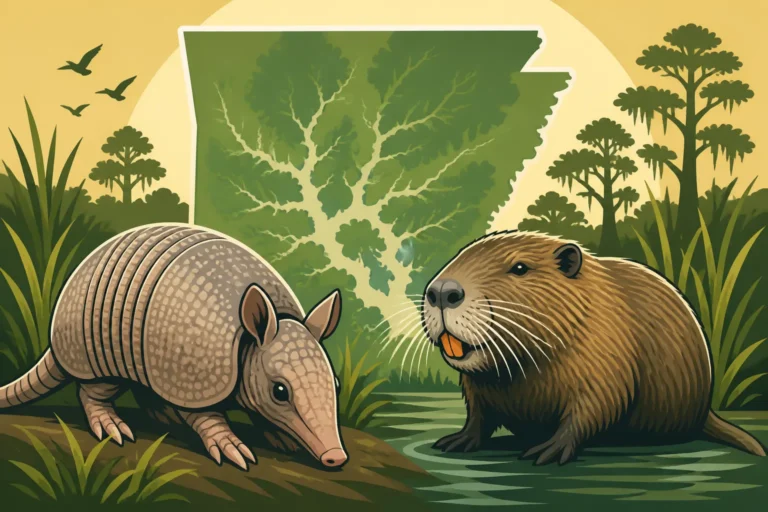
Even critters that seem like pests, such as skunks, opossums (outside of specific furbearer trapping seasons), or armadillos, generally fall under this protection. While feral hogs are a notable exception and are often encouraged for removal due to their destructive nature, this is a specific management decision for an invasive species, not a general allowance for all non-game animals. It's a nuanced landscape, and understanding the general principle of "protected by default" is your best starting point.
Common Protected Species Hunters Encounter
In the excitement of the hunt, especially when light is low or vision is obscured, it's easy to mistake a protected animal for a game species. Knowing what to look for, and what not to shoot, is absolutely critical.
Birds of Prey and Songbirds
Arkansas is a birdwatcher's paradise, home to a stunning array of avian life, much of which is protected under the Migratory Bird Treaty Act and state regulations.
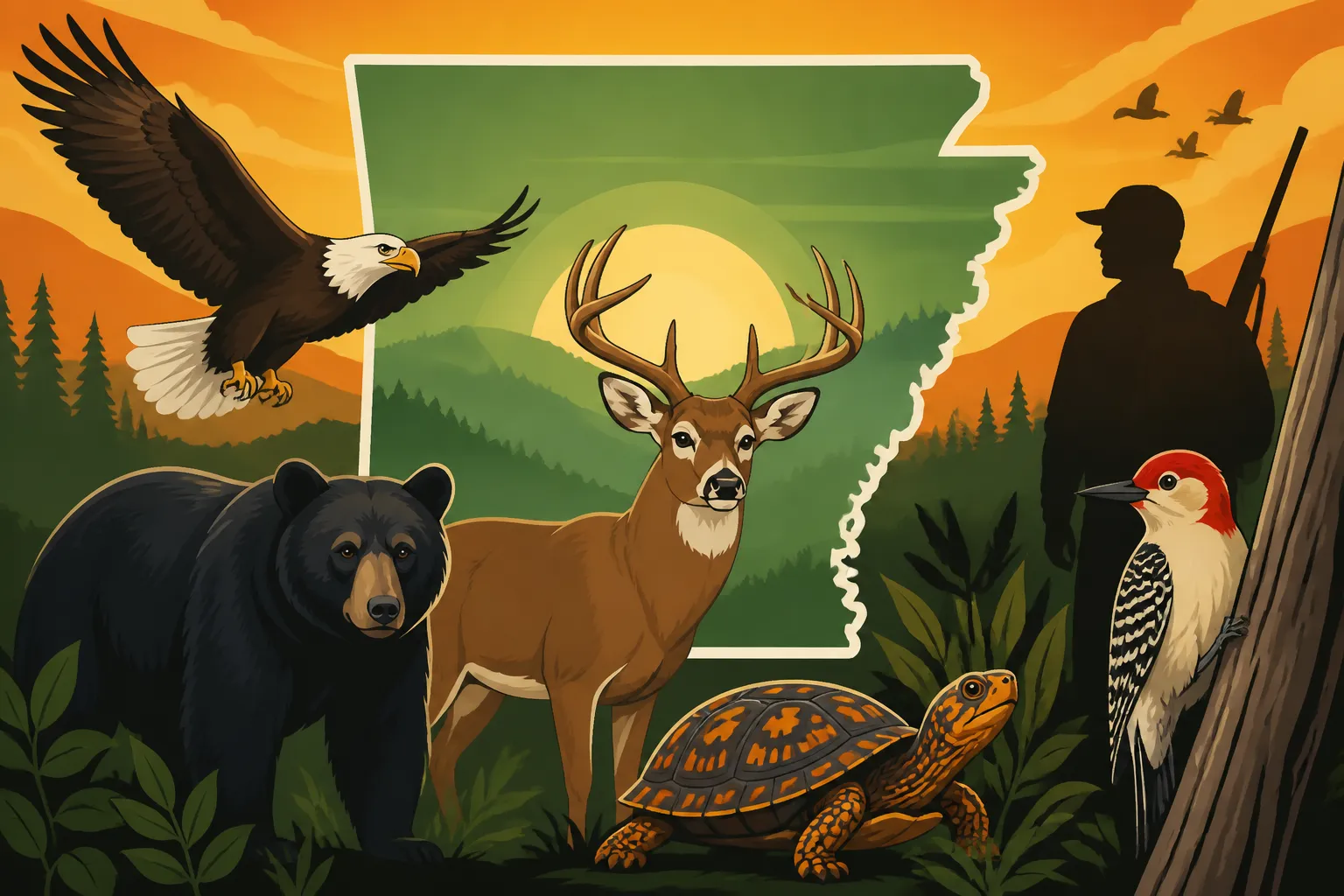
Imagine you're tucked into a ground blind during deer season, the woods still and quiet. Suddenly, a large bird glides through the timber, landing on a branch nearby. Your first thought might be "turkey!" but if you take a moment, you might notice the hooked beak, the sharp talons, and the distinct plumage of a hawk or an owl. These are birds of prey, apex predators that play a crucial role in controlling rodent and small mammal populations. Bald eagles, for example, once on the brink, have made a remarkable comeback in Arkansas and are a federally protected species. Mistaking one for a turkey, even accidentally, carries severe penalties. You can often tell them apart by their flight patterns, size, and the way they perch – eagles and hawks often perch in the open, scanning for prey, while a turkey is more likely to be on the ground or roosting in a denser tree.
Then there are the countless songbirds. From vibrant warblers to melodic thrushes, these smaller birds are a vital part of our ecosystem and are broadly protected. While you're unlikely to mistake a cardinal for a duck, it's important to remember that all migratory birds, unless specifically designated game birds, are off-limits. Their calls might even draw your attention in the woods, making you think something larger is moving, but a moment of careful observation usually reveals their true identity.
Non-Game Mammals and Reptiles
Our Arkansas forests and fields are also home to a diverse population of mammals and reptiles that are not legal to hunt. While most hunters are well-versed in deer, bear, and turkey identification, it's the less common or often-misidentified animals that can cause issues.
For instance, the mention of Mountain Lion Reports in Arkansas can certainly raise an eyebrow. While there's no confirmed breeding population, and sightings are incredibly rare, mountain lions are protected wherever they might be encountered. Imagine you’re still-hunting a ridge and catch a glimpse of a large, tawny, cat-like animal with a very long tail. Your immediate thought might be to reach for your rifle, but proper identification is key. A domestic cat, even a large one, is significantly smaller. A bobcat is much smaller and has a distinct short, "bobbed" tail. If you see something that makes you question, and it has that long, unmistakable tail of a mountain lion, it is absolutely a protected animal.
Then there are other critters like armadillos, moles, shrews, or various species of bats. Bats, in particular, include federally protected species. If you’re exploring an old barn or cave system, understanding that these creatures are often protected is important.
Alligators are another interesting case in Arkansas. While the general population is protected, there is a very limited Arkansas Alligator Permit Draw that allows for a strictly regulated hunt in specific zones. However, if you don't have one of these incredibly rare permits, encountering an alligator means it's a protected animal that you cannot harass or harm. Hunters might encounter them in the Delta's sluggish waters or bayous, and mistaking one for a log or other debris while wading can be a real concern. Knowing their distinctive shape and behavior is key.
Reptiles, too, have their place. While many hunters might dispatch a venomous snake out of self-preservation, most snakes, lizards, and turtles in Arkansas are protected. Unless it poses an immediate threat to life and limb, these animals should be left undisturbed. It can be surprisingly difficult to correctly identify every snake species in a split second, so again, caution is your best friend.
Amphibians and Fish Beyond Game Species
While hunters might not typically be focused on amphibians, if you're out scouting or even retrieving a downed animal near water, you might stumble upon various frog or salamander species. Bullfrogs have a season, but most other frog species are not game animals. The same applies to fish; outside of regulated fishing seasons and species, the vast majority of aquatic life is protected. Always consult the AGFC regulations if you're unsure about any species you encounter, especially near water sources.
Avoiding Accidental Takes and Staying Legal
The best way to ensure you never accidentally harvest a protected species is through diligence, education, and adherence to some core hunting ethics. It's about responsibility and respect for all wildlife.
"Know Before You Go" Research
This isn't just a catchy phrase; it's the bedrock of ethical hunting. Before you ever set foot in the field, take the time to thoroughly review the current Arkansas hunting regulations. The AGFC website is a treasure trove of information, detailing open seasons, bag limits, and specific rules for every game species.
Beyond simply knowing what you can hunt, it's equally important to know what you cannot. Familiarize yourself with common protected species in the area you plan to hunt. Using mapping tools like the Using the AGFC Map Tool or commercial apps such as GoHunt can be invaluable. These resources often provide overlays that show protected areas, specific WMA rules, and even habitat types that might indicate the presence of certain species. For instance, knowing you're hunting near a known bat roosting site might make you extra cautious about any sudden movements in the air at dusk. Being prepared with this knowledge is your first line of defense against making a costly mistake. Scouting Arkansas Public Land Before Season is a great time to do this research, not just for game animals but for everything else you might encounter.
Positive Identification is Key
This is perhaps the most crucial rule for avoiding an accidental take: if in doubt, don't shoot. No animal is worth a violation, a fine, or the regret of harming a protected creature. Ethical hunting demands positive identification.
This means waiting for clear light, unobstructed views, and sufficient time to absolutely confirm what you are looking at. Consider the animal's size, shape, color patterns, and behavior. Is it moving like a deer or more like a larger domestic dog? Does that bird have the tell-tale waddle of a turkey or the distinct flight of a hawk? Many accidents happen in low light conditions, during quick, fleeting glimpses, or when a hunter is overly excited. Take a breath, drop your binoculars if you need to, and wait until you are 100% certain. This is a core tenet of Arkansas Hunter Education and Safety Rules and applies universally.
For example, a hunter might mistakenly identify a feral dog as a coyote or a small black bear cub as a large feral hog in poor light. While coyotes and feral hogs are often fair game, a domestic dog is absolutely protected, and a bear cub is also protected unless you have a specific bear tag and it meets legal criteria for harvest, which cubs often do not. The subtle differences in gait, ear shape, or tail carriage can be critical identifiers.
Reporting Encounters and Violations
Even with the best intentions, sometimes things go wrong. If, in a moment of honest mistake, you realize you've accidentally wounded or killed a protected species, the most responsible action is to immediately contact the AGFC. Do not try to conceal it or dispose of the animal. Being upfront about an accidental take can significantly impact the outcome, as it demonstrates responsibility.
Similarly, if you witness someone else intentionally or carelessly harming a protected species, you have a responsibility to report it. Poaching or wanton waste of any wildlife, including protected species, undermines conservation efforts and is a crime. Knowing how and when to contact local authorities or the AGFC is vital. You can find information on Reporting a Poacher in Arkansas through official channels. The penalties for Arkansas Wildlife Violation Penalties can be severe, so it's always better to be an ethical observer and reporter than an accidental participant.
Special Considerations for Arkansas Hunters
Navigating the rules for protected species also means understanding specific state and federal programs designed to protect vulnerable wildlife.
Endangered and Threatened Species
Arkansas, like all states, is home to species that are federally or state-listed as endangered or threatened. These are the species with populations so low that they are at risk of extinction. While you might not typically encounter these while pursuing game, their existence influences management decisions across the landscape. Examples might include certain cave-dwelling bat species, freshwater mussels, or specific migratory birds that use critical habitats. Even impacting their habitat can carry penalties.
The fines and legal repercussions for harming these species are often substantially higher than for other protected species, reflecting their critical status. The key takeaway for hunters is to always be aware of the ecosystems you're in. While you aren't expected to be a wildlife biologist, a general understanding of sensitive areas or specific species that might be particularly vulnerable in your hunting grounds is helpful.
Wildlife Rehabilitators and Reporting Injured Animals
What do you do if you come across an injured hawk, a stranded otter, or a baby bird that has fallen from its nest? Your first instinct might be to help, but handling injured or orphaned wildlife can be dangerous for both you and the animal, and it's often illegal without proper licensing.
Arkansas has a network of licensed wildlife rehabilitators who are equipped and permitted to care for injured or orphaned protected wildlife. If you find such an animal, the best course of action is to contact the AGFC or a local wildlife rehabilitator. They can provide guidance, or arrange for the animal to be safely picked up and treated. Never attempt to take a protected animal home to care for it yourself unless you are a licensed professional. This extends to reporting sick animals as well, which ties into Arkansas Wildlife Disease Monitoring efforts, helping prevent the spread of illnesses like CWD to broader wildlife populations.
| Category | Common Arkansas Examples (General) | Hunter's Key Identifier | Hunting Status in AR |
|---|---|---|---|
| Birds of Prey | Hawks, Owls, Eagles (Bald, Golden) | Large size, hooked beak, talons, soaring flight | Protected (All Species) |
| Songbirds | Robins, Cardinals, Blue Jays, Warblers | Small size, diverse plumage, varied calls | Protected (All Species) |
| Small Mammals | Moles, Shrews, most Bat Species, Armadillos, Opossums | Small, nocturnal, burrowing, distinctive appearance | Protected (Unless specific Furbearer season) |
| Large Carnivores | Mountain Lion (rare/unconfirmed) | Large cat, very long tail, tawny color | Protected |
| Reptiles/Amphibians | Most Snakes, Lizards, Turtles, Salamanders, most Frogs | Scales, slow movement, specific patterns, aquatic/terrestrial | Protected (Except Bullfrogs, Alligators w/ permit) |
| Furbearers (Specific) | Bobcat, Coyote, Raccoon, Fox, Otter | Distinctive fur, specific behaviors | Huntable/Trappable (Specific seasons/rules) |
| Game Animals | Deer, Turkey, Bear, Elk, Squirrel, Rabbit, Duck, Goose | Known game characteristics | Huntable (Specific seasons/rules) |
Disclaimer
This article is for general informational purposes only and does not constitute professional advice. Laws, prices and regulations vary by location and change over time. Consult a qualified professional for guidance on your specific situation.