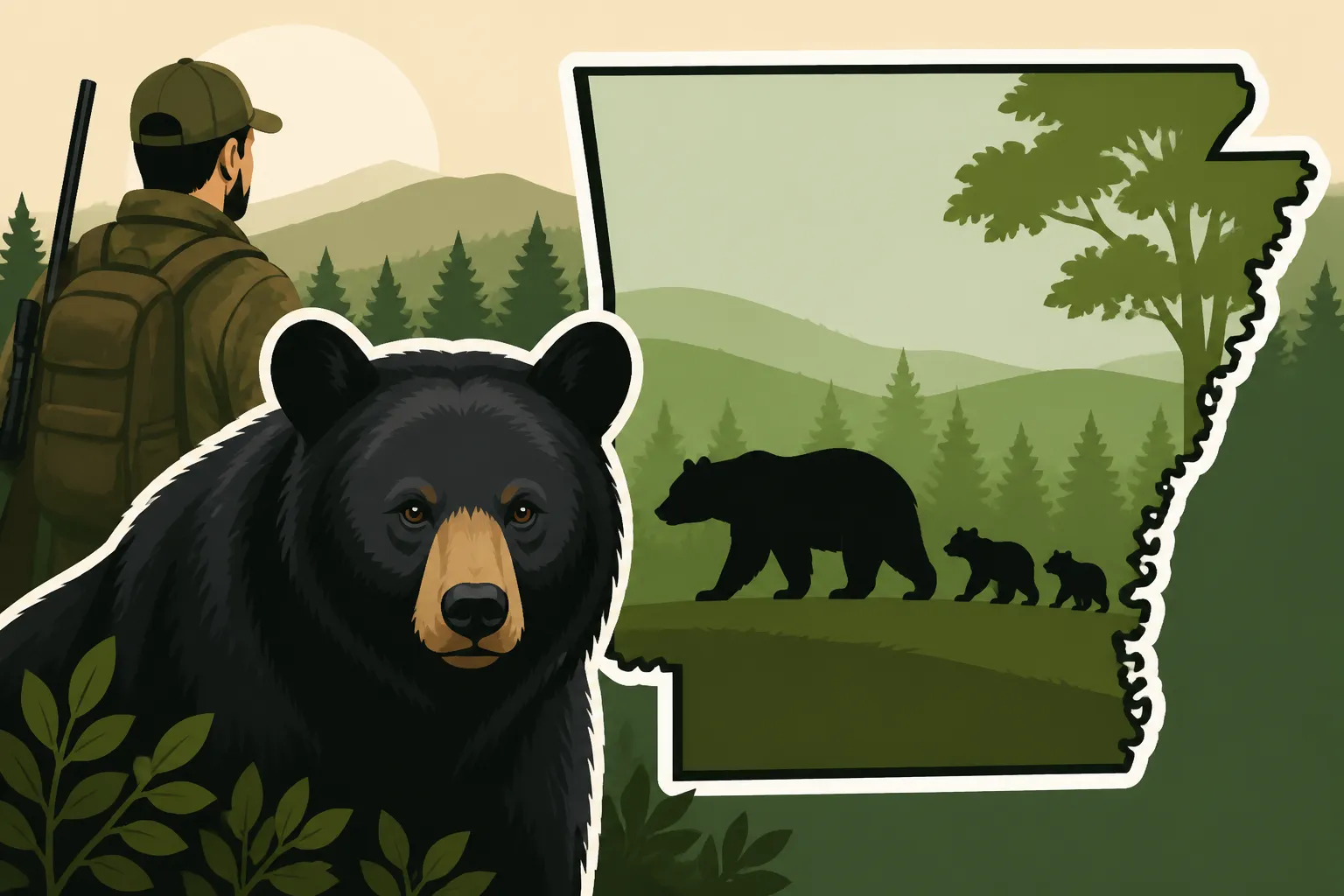
How Many Black Bears Arkansas Has
It's easy to wonder how many black bears are actually roaming the dense forests and rugged mountains of Arkansas, especially when you might only catch a fleeting glimpse or just hear rumors. For many years, the presence of black bears in our state was more of a legend than a widespread reality. This guide aims to pull back the curtain on the impressive comeback of these magnificent creatures, giving you a clear picture of their numbers, where they thrive, and the dedicated efforts that have brought them back from the brink in the Natural State.
The Historical Journey of Arkansas Black Bears
The story of black bears in Arkansas is a true testament to conservation efforts, a narrative of decline and dramatic resurgence. It’s a journey that takes us from a landscape teeming with these powerful animals to one where they were nearly erased, only to be brought back through deliberate and sustained action. Understanding this history is crucial to appreciating the thriving bear population we see today.
From Near Extinction to Resurgence
Before European settlement, Arkansas was rightfully known as a stronghold for black bears. Historical accounts paint a picture of abundant wildlife, with bears playing a significant role in the ecosystem. However, as the frontier expanded, so did timber harvesting, agriculture, and unregulated hunting. These pressures relentlessly chipped away at the bear population. Habitat loss was a massive factor, as vast tracts of wilderness were converted for human use, leaving bears with fewer places to forage, den, and raise their young. Coupled with widespread, unregulated hunting and trapping, bear numbers plummeted dramatically by the early to mid-20th century. By the 1950s, the black bear population in Arkansas was perilously low, teetering on the edge of extinction. Most estimates suggest only a few dozen, perhaps a couple of hundred at best, remained in the most remote corners of the Ouachita Mountains.
It was a bleak picture, but not one without hope. This dire situation spurred the Arkansas Game and Fish Commission (AGFC) into action, launching one of the most successful wildlife restoration programs in North American history. The 1958 Arkansas Bear Restoration involved relocating bears from other states, particularly Minnesota and Manitoba, to strategic areas within the Ouachita and Ozark National Forests. These carefully chosen sites offered the intact habitat and isolation necessary for the transplanted bears to establish new populations. Over several years, hundreds of bears were moved, a monumental effort involving countless hours of planning, trapping, and transporting these large, powerful animals. Where the Restoration Bears Came From is a fascinating part of this story, showing the dedication required to bring a species back.
Why Arkansas Was Once the "Bear State"
The moniker "Bear State" wasn't just a catchy phrase; it reflected a historical reality. Arkansas, with its vast, untamed wilderness of dense forests, rugged mountains, and expansive river bottoms, once provided ideal habitat for black bears across nearly its entire landmass. The state's diverse ecosystems offered an incredible abundance of food sources, from vast acorn crops in the hardwood forests to a rich variety of berries, insects, and small game. These natural larders allowed bears to thrive, putting on the necessary fat reserves for winter denning and successful reproduction. Before large-scale human encroachment, the deep woods provided ample cover and safe havens.
Beyond the sheer volume of resources, the geography of Arkansas also played a role. The winding rivers and creeks provided water sources and avenues for movement, while the mountainous terrain offered countless secluded denning sites in caves, hollow logs, and dense thickets. This natural endowment meant that bears faced fewer natural predators and had every opportunity to grow into a robust, healthy population. For generations, bears were a prominent feature of the landscape, deeply intertwined with the folklore and natural history of Arkansas. Why Arkansas Was Called the Bear State highlights this deep historical connection and the natural richness that supported such a prolific population.
Understanding Current Arkansas Black Bear Populations
So, with that incredible comeback story in mind, what do the numbers look like today? It’s a question many hunters and wildlife enthusiasts ponder, and thankfully, the news is overwhelmingly positive. While getting an exact headcount of every single bear in our state is practically impossible, wildlife biologists employ sophisticated methods to provide reliable estimates.
How Bear Populations Are Estimated
Counting every single bear across thousands of square miles of dense forest isn't like counting cattle in a pasture. It requires a combination of art and science, utilizing various techniques to get an accurate statistical estimate. The Arkansas Game and Fish Commission relies on several key methods:
- Trap-and-Release Studies: This involves capturing bears, marking them with ear tags or radio collars, and then releasing them. By tracking these individuals and observing recapture rates or sightings, biologists can estimate the total population size within a defined area. This provides data on survival rates, movements, and reproductive success.
- Hair Snares: These non-invasive traps are set up to collect hair samples as bears pass through. The hair contains DNA, which can be analyzed to identify individual bears. This allows biologists to estimate population density without ever physically handling the animals. It's a fantastic way to monitor populations over large, remote areas.
- Cub Counts and Den Surveys: During winter denning periods, biologists may locate dens and count cubs. This provides valuable data on reproductive success and recruitment into the population, offering a glimpse into the health and future growth potential of the bear population.
- Hunter Harvest Data: Every bear legally harvested in Arkansas must be checked in, providing crucial data on age, sex, and location of harvest. This information, when combined with other survey methods, helps biologists understand population trends and adjust management strategies.
- Scent Station Surveys: Using an attractive scent, biologists can lure bears to a specific location to get an indication of their presence and activity in an area. While not providing exact numbers, it helps understand distribution and relative abundance.
By combining these different data points, AGFC biologists can create robust population models, giving us a very good picture of how many black bears are thriving in Arkansas. It’s a continuous process, demanding scientific rigor and dedicated fieldwork.
Current Population Figures and Trends
Today, the black bear population in Arkansas is not just stable; it's robust and expanding. While it’s always an estimate and not a precise census, the consensus among wildlife experts is that Arkansas now hosts a significant and healthy population of black bears, far exceeding the dire numbers of the mid-20th century. How Many Black Bears Arkansas Has is a question that, thankfully, now has a very positive answer compared to decades past.
The trend has been consistently upward for many years, a remarkable success story. This growth isn't uniform across the state, but generally, bear numbers are increasing, and their range is expanding beyond the core restoration areas. This means more frequent sightings, even in areas where bears were once considered rare. The overall trajectory indicates a healthy, self-sustaining population that is well-managed and continues to benefit from conservation efforts and suitable habitat. This success allows for regulated hunting seasons, which are themselves a critical management tool to maintain population health and balance with human communities.
Where Arkansas Black Bears Live
Black bears aren't found in every nook and cranny of Arkansas, but they are certainly widespread across a significant portion of the state, particularly in its more rugged and forested regions. The distribution largely follows the major mountain ranges and their associated woodlands. Where Arkansas Black Bears Live is primarily concentrated in two main geographic areas:
- The Ozark Mountains: In the northern part of the state, the Ozark National Forest and surrounding private timberlands provide vast expanses of ideal bear habitat. Counties like Newton, Pope, Johnson, Madison, and Franklin are well-known for their healthy bear populations. This region is characterized by steep, timbered hillsides, deep hollows, and abundant mast-producing trees like oaks and hickories, which are crucial food sources for bears.
- The Ouachita Mountains: Stretching across the central-western part of Arkansas, the Ouachita National Forest is another primary stronghold for black bears. Counties such as Montgomery, Garland, Polk, and Scott have thriving bear populations. Similar to the Ozarks, the Ouachitas offer extensive, continuous forest cover and diverse food resources, allowing bears to find ample foraging and denning sites.
While these two mountain ranges represent the core bear habitat, the population has been steadily expanding. Bears are increasingly being sighted in river bottoms, timberlands, and even more agricultural areas, particularly along river corridors that act as natural travel lanes. This expansion is a direct result of their increasing numbers and the search for new territories and food sources. It’s a dynamic distribution, constantly evolving as the population continues its impressive growth.
Factors Influencing Bear Numbers and Management
The health and trajectory of Arkansas's black bear population aren't left to chance. A complex interplay of natural factors and human management strategies dictates their success. Understanding these elements helps us appreciate the ongoing efforts to keep bears thriving in the Natural State.
Habitat, Food Sources, and Bear Health
Just like any other wildlife species, black bears are intrinsically tied to the quality and availability of their habitat and food sources. When these elements are abundant and stable, bear populations tend to flourish. Conversely, fluctuations can impact their numbers.
- Mast Crops are Key: Acorns from oak trees and nuts from hickory trees, collectively known as mast, are absolutely critical for black bears. These fatty, protein-rich foods allow bears to put on significant weight in the fall, which is essential for surviving the winter denning period and for successful reproduction the following spring. Years with poor mast crops can lead to leaner bears, fewer cubs, and increased human-bear conflicts as hungry bears venture closer to residential areas in search of food. Conversely, a bumper crop means healthy bears and better survival rates.
- Diverse Foraging Opportunities: Beyond hard mast, bears rely on a wide variety of seasonal foods. In spring, they graze on tender new vegetation, roots, and grubs. Summer brings an abundance of berries—blackberries, blueberries, and wild grapes are all bear favorites. The availability of these diverse food sources throughout the year helps sustain a robust population.
- Denning Sites: Bears need secure, undisturbed places to den during the winter months. This can be inside hollow trees, rock crevices, brush piles, or excavated dens. Arkansas Bear Denning Behaviour is fascinating, as pregnant sows need safe, secluded spots to give birth and raise their cubs in their first weeks. The availability of these critical denning habitats directly impacts reproductive success and cub survival.
- Water and Cover: Access to water is vital, especially during hot Arkansas summers. Dense forest cover provides security from disturbance and thermal regulation. Maintaining large, contiguous blocks of forested habitat is paramount for a healthy bear population, providing them the space they need to live without constant human interaction.
- Human-Bear Interactions: As bear populations expand and human development encroaches on wild areas, interactions become more frequent. While most bears are shy, habituated bears that learn to associate humans with food (like trash cans, pet food, or bird feeders) can become a nuisance. Arkansas Bear Encounters in Campgrounds are a good example of this, where proper food storage is crucial to prevent problems. Education and responsible human behavior are critical for minimizing negative interactions and maintaining public tolerance for bears.
Hunting Seasons and Their Role in Management
Hunting plays a surprisingly vital and often misunderstood role in modern wildlife management, and black bears in Arkansas are no exception. Far from being a threat, regulated hunting seasons are a crucial tool for maintaining a healthy and balanced bear population.
- Population Control and Health: With the success of the restoration efforts, bear populations in parts of Arkansas have reached levels where management is necessary. Left unchecked, overpopulation can lead to increased disease transmission, localized food shortages, and greater conflicts with humans, especially in agricultural or suburban fringe areas. Regulated hunting helps to control population growth, keeping numbers at a level that the habitat can sustainably support.
- Preventing Damage: Bears can cause damage to timber, agricultural crops, and property. Hunting seasons can be structured to reduce bear numbers in areas prone to such issues, easing pressure on landowners and fostering coexistence.
- Scientific Data Collection: As mentioned earlier, hunter harvest data is an invaluable source of information for biologists. Every bear harvested contributes to a better understanding of the population's age structure, sex ratios, and overall health. This data directly informs future management decisions, ensuring that seasons are set appropriately.
- Zone-Based Management: Arkansas manages its bear population using specific zones, which allows for localized control based on population density and habitat capacity. Arkansas Bear Season Dates by Zone can vary, reflecting these regional differences. What works in a remote Ouachita wilderness might not be appropriate for an area closer to human habitation. The AGFC can even implement dynamic management, where How a Bear Zone Closes Mid-Season if harvest quotas are met, demonstrating a flexible and responsive approach to conservation. This ensures that harvest levels are sustainable and prevent overharvest in any single area.
Challenges and Conservation Efforts
Despite the incredible success story, managing Arkansas's black bear population isn't without its challenges. Conservation is an ongoing process that requires constant vigilance and adaptation.
- Habitat Fragmentation: While Arkansas has vast forests, increasing development, road construction, and changing land use patterns can fragment existing bear habitat. This breaks up continuous blocks of wilderness, making it harder for bears to move freely and potentially isolating populations. Maintaining large, interconnected habitat corridors is essential for long-term genetic diversity and population health.
- Human-Wildlife Conflict: As bears expand their range and numbers, encounters with humans inevitably increase. This can lead to conflicts over property damage, livestock depredation, and safety concerns. Education campaigns aimed at teaching people how to live responsibly alongside bears (e.g., securing trash, removing food attractants) are crucial to minimizing these issues and fostering public acceptance.
- Illegal Activity: Poaching, though less common than in the past, remains a threat. Law enforcement efforts by the AGFC are vital to deterring illegal hunting and protecting the bear population from unlawful activities.
- Disease Monitoring: Wildlife diseases, while not a major threat to bears in Arkansas currently, are always a concern. Monitoring bear health and quickly responding to any outbreaks is part of responsible wildlife management.
- Ongoing Research and Monitoring: The AGFC continuously invests in research and monitoring programs to track bear numbers, understand their movements, and assess the impact of environmental changes. This scientific foundation ensures that management decisions are data-driven and effective. Organizations like GoHunt can provide detailed data summaries and analysis tools, helping both managers and hunters stay informed about population trends and habitat conditions.
These efforts collectively demonstrate a commitment to ensuring that black bears continue to thrive as an integral part of Arkansas's rich natural heritage.
Accessing Bear Hunting Information and Opportunities
For those interested in hunting black bears in Arkansas, understanding the regulations and knowing where to find opportunities is paramount. The AGFC has a robust system in place, and leveraging available tools and resources can make your planning much more effective.
Navigating Regulations and Zone Quotas
Hunting bears isn't as simple as just hitting the woods; it requires careful attention to specific regulations that vary by location and time. Arkansas employs a zone-based management system for bears, which means the rules, season dates, and even the possibility of a zone closing can differ greatly depending on where you intend to hunt.
- Understanding Bear Zones: Arkansas is divided into several bear zones, each with its own population dynamics and management objectives. Some zones might have a more liberal season due to a higher bear density, while others might be more conservative. It’s absolutely critical to know which zone you are in and what its specific rules are. Arkansas Bear Zone Quotas Explained clarifies how these zones are structured and why they exist. These quotas are set to ensure sustainable harvest and prevent localized overharvesting, which is a hallmark of good wildlife management.
- Season Dates and Quotas: Each zone has specific season dates, and importantly, many zones have harvest quotas. This means that once a certain number of bears have been harvested in that zone, the season will close, often with very little notice. This dynamic closure system protects the bear population from excessive take. Hunters must stay informed about quota statuses, especially as the season progresses. Checking Whether an Arkansas Bear Zone Is Open is a daily requirement for hunters during the season, typically done through the AGFC website or dedicated phone lines.
- Permits and Licenses: Beyond general hunting licenses, bear hunting often requires specific permits or tags. Make sure you have all the necessary documentation before heading out. Checking the AGFC regulations digest annually is your go-to source for the most current and accurate information. Websites and apps like GoHunt can be incredibly useful here, often consolidating this complex regulatory information into user-friendly formats, complete with zone maps and real-time updates on quota closures. This kind of tool can save you a lot of headache and ensure you're hunting legally and ethically.
Scouting for Bears and Finding Habitat
Successful bear hunting, like any hunting, starts long before the season opens with thorough scouting and understanding bear behavior. Bears are intelligent and adaptable, but they rely on predictable patterns related to food and cover.
- Food First: Bears are primarily driven by their stomachs. During the fall, focus your scouting efforts on areas with abundant hard mast. Look for stands of oak and hickory trees, particularly those dropping fresh acorns or nuts. Bear sign, such as scat full of acorn shells or claw marks on trees where they’ve climbed for nuts, are dead giveaways. Earlier in the season, focus on areas with ripe berry bushes or wild fruit trees.
- Water Sources: Bears need water daily, especially in warmer weather. Look for consistent water sources like creeks, springs, or seeps, especially in dry periods. These areas can often funnel bear activity.
- Thick Cover and Denning Sites: While bears will forage in more open areas, they retreat to dense cover for security and bedding. Look for thickets, blowdowns, or areas of dense undergrowth that provide good escape routes and bedding cover. During late fall, identifying potential denning sites can be beneficial, though disturbing denning bears is strongly discouraged. Finding Bear Sign in the Ozarks involves knowing what to look for—scratches on trees, turned-over rocks, broken branches from foraging, and distinctive tracks.
- Utilize Technology: Modern tools can significantly aid in scouting. Aerial maps and topographic maps from resources like GoHunt can help you identify remote drainages, potential food sources, and travel corridors that might hold bears. Look for benches, saddles, and natural funnels that bears might use to move between feeding and bedding areas. The satellite imagery can reveal subtle changes in forest type or density that might indicate prime bear habitat.
- Pre-Season Reconnaissance: Spend time in the woods before the season. Walk potential areas, look for fresh sign, and identify areas of high bear activity. Pay attention to game trails that show heavy use. Remember that bears can cover significant distances, so understanding their movements between food, water, and cover is key. Observing how an area changes with weather and time of year can provide invaluable insights.
By combining an understanding of regulations with effective scouting techniques, you can significantly increase your chances of a successful and ethical bear hunt in Arkansas.
Bear Hunting Opportunities and Zones in Arkansas
Arkansas offers diverse bear hunting opportunities across its primary bear ranges. The state's management strategy uses zones to tailor seasons and quotas to specific regional populations. Here’s a general overview of the characteristics of these hunting grounds.
| Bear Zone | Primary Location (General) | Key Habitat Features | Typical Season Length (General) | Harvest Strategy (General) |
|---|---|---|---|---|
| Zone 1 | Northwestern Ozarks | Rugged mountains, mixed hardwood/pine forests | Shorter, quota-managed | Conservative, focused on population growth and stability |
| Zone 2 | Central & Eastern Ozarks | Less rugged, more intermixed private land | Medium, quota-managed | Balanced, allowing for moderate harvest |
| Zone 3 | Western Ouachitas | Steep, heavily timbered, dense public land | Longer, quota-managed | More liberal, managing higher densities |
| Zone 4 | Eastern Ouachitas & River Valley | Mixed forest, private timber, agricultural fringe | Shorter, very specific quota | Highly conservative, managing expanding populations |
Note: Always consult the current Arkansas Game and Fish Commission regulations digest for precise, up-to-date zone boundaries, season dates, and quotas. These details change annually.
Zone 1 and 2: The Ozark Mountains
The Ozarks, comprising Zones 1 and 2, represent a significant portion of Arkansas's bear country. These zones are characterized by their rugged terrain, deep hollows, and extensive hardwood forests mixed with some pine.
- Zone 1: Northwestern Ozarks: This zone covers the more remote and wilderness-like areas of the Ozarks. Hunting here can be physically demanding, involving steep climbs and long walks into untouched areas. The bear population here is healthy, but the AGFC often manages it with a more conservative approach due to the challenging terrain and the desire to maintain a robust breeding population. Hunters in Zone 1 often prioritize scouting for mast crops and secluded denning sites. Success here usually comes down to hard work, patience, and getting away from access roads.
- Zone 2: Central and Eastern Ozarks: This zone often includes areas with a mix of public and private lands, sometimes bordering more agricultural regions. Bear populations are strong, and while the terrain can still be challenging, it might be slightly less extreme than Zone 1. Hunters need to be particularly mindful of property boundaries when hunting in Zone 2. The season length might be a bit longer than Zone 1, reflecting a slightly higher bear density and management objective to control numbers more effectively where they may interact more with rural communities. Hunting Ozark Ridges and Hollows for Deer tactics can often be applied to bears as well, as they utilize similar terrain features for travel and feeding.
Zone 3 and 4: The Ouachita Mountains and River Valley
The Ouachita Mountains, primarily Zone 3, and the fringe areas of Zone 4 offer a different set of challenges and opportunities for bear hunters, often with some of the most consistent bear populations in the state.
- Zone 3: Western Ouachitas: This is arguably the heartland of Arkansas bear hunting, particularly within the Ouachita National Forest. Zone 3 typically has the longest seasons and often the highest quotas, a testament to the thriving bear population in this vast, heavily timbered area. The terrain here can be steep and rugged, but not always as dramatic as the steepest Ozark sections. Hunters here can find excellent opportunities by focusing on large tracts of national forest land, especially where there are good mast crops. Bear baiting is often allowed in this zone during specific periods, which can be an effective tactic for many hunters. Public land access is generally good, but navigating the dense forests requires good map skills and possibly tools like GoHunt to understand land ownership and access points.
- Zone 4: Eastern Ouachitas and River Valley: This zone often includes a mix of Ouachita foothills, timber company lands, and parts of the Arkansas River Valley. Bear populations here are often expanding, moving out from the core Ouachita areas. Management in Zone 4 tends to be very conservative, with shorter seasons and strict quotas, reflecting the newer establishment of bear populations and their proximity to more developed or agricultural areas. Hunting here often requires more diligent scouting to pinpoint localized bear activity and a keen awareness of quota closures. This zone often offers opportunities for hunters who enjoy pursuing game in diverse habitats, from mountainous terrain to river bottom woodlands.
Regardless of the zone, bear hunting in Arkansas is a rewarding experience that demands preparation, adherence to regulations, and a deep respect for the animal and its habitat.
Disclaimer
This article is for general informational purposes only and does not constitute professional advice. Laws, prices and regulations vary by location and change over time. Consult a qualified professional for guidance on your specific situation.