Where Arkansas Black Bears Live
If you've ever dreamed of encountering one of Arkansas's magnificent black bears, whether with a camera or a hunting tag, you know that simply knowing they exist isn't enough. These aren't creatures you just stumble upon in every woodlot. Finding where Arkansas black bears live means understanding their preferred habitats, their history in our state, and how to interpret the subtle clues they leave behind. This guide will walk you through the prime bear territories in Arkansas, helping you narrow down your search and understand these elusive giants better.
The Historical Comeback: Understanding Arkansas's Bear Country
It's easy to take for granted the robust black bear population we have in Arkansas today. Many folks don't realize that not too long ago, these incredible animals were practically gone from our state. Understanding their comeback story really helps frame why they live where they do now. It’s not just random; it’s a direct result of conservation efforts and the bears finding specific landscapes that suited their needs.
From Near Extinction to Resurgence
Imagine a time when Arkansas, the "Bear State," had only a handful of bears left, tucked away in the deepest, most remote corners of the Delta. It’s hard to picture, right? But by the early 20th century, relentless hunting and habitat destruction had whittled down our black bear numbers to a desperate few, perhaps as low as 50 animals, largely confined to the most impenetrable swamps of the southeastern part of the state. It was a stark reminder of how quickly even a resilient species can vanish without thoughtful management. This grim reality spurred a monumental effort.
Beginning in the late 1950s and continuing into the 1960s, the Arkansas Game and Fish Commission, alongside partners, embarked on a truly remarkable black bear restoration project. Over a decade, more than 250 wild black bears were trapped in northern Minnesota and Manitoba, Canada, and carefully relocated to the vast, wild, and sparsely populated mountain ranges of the Ozark and Ouachita National Forests. This wasn't a small undertaking; it involved immense planning, effort, and belief that the bears could thrive again in their ancestral lands. The success of this program is why we have the incredible populations we do today, mostly concentrated in these two distinct mountain regions. It's a testament to what dedicated conservation can achieve, taking a species from the brink back to a thriving presence. You can learn more about The 1958 Arkansas Bear Restoration and Where the Restoration Bears Came From.
The Core Bear Sanctuaries Today
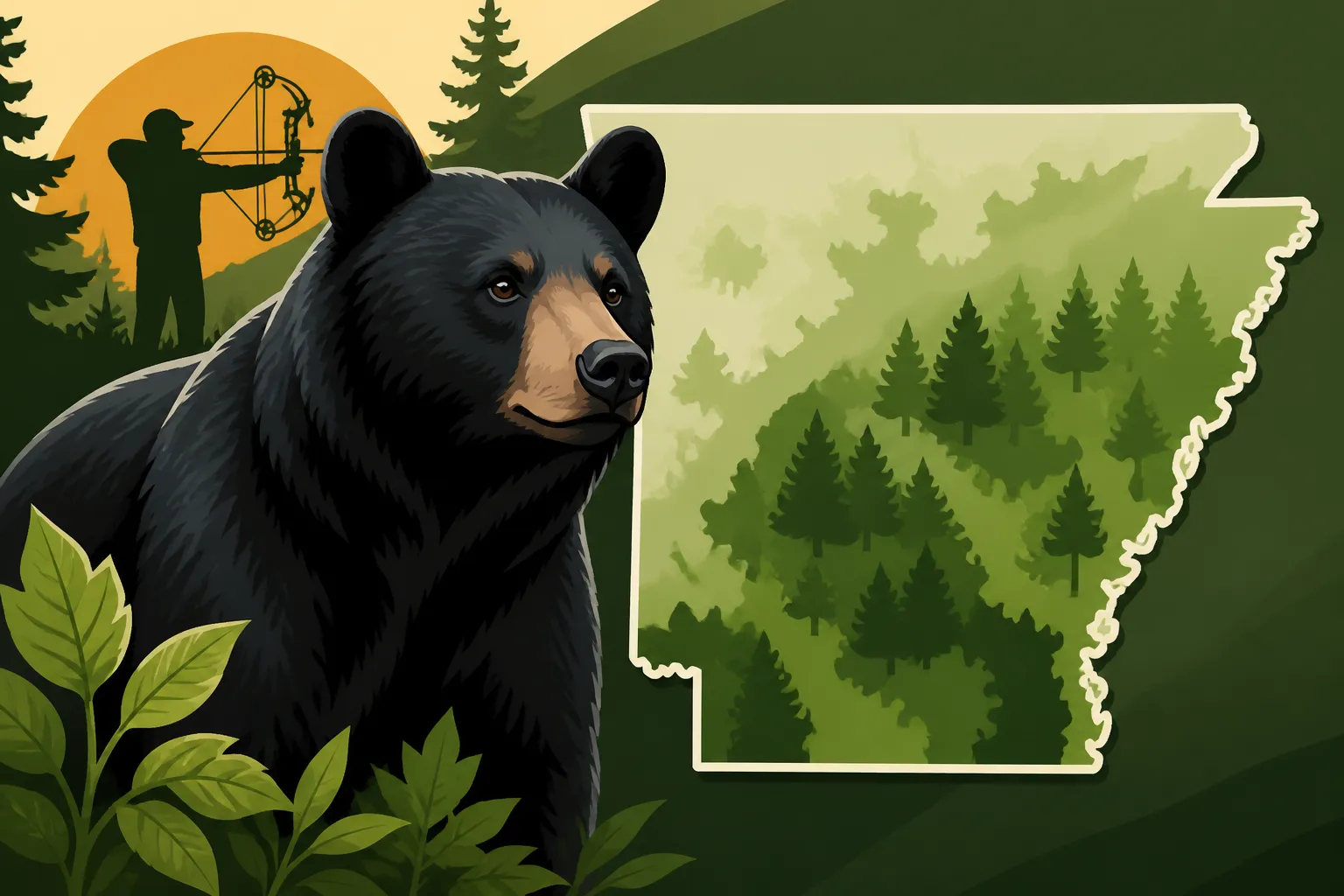
Thanks to that historic effort, the Ozark and Ouachita National Forests became the true anchors of Arkansas’s black bear population. These aren't just big tracts of timber; they are massive, interconnected ecosystems perfectly suited for bears. We're talking millions of acres of dense forest cover, rugged terrain, and a rich diversity of natural food sources. These vast, remote areas offer the solitude and resources black bears need to thrive, grow, and reproduce.
While bears will occasionally wander outside these primary zones, the bulk of their population, and certainly the most consistent sightings and harvest opportunities, occur within the boundaries of these national forests. They are not evenly distributed, even within these forests, but rather concentrate in areas with reliable mast crops, dense thickets for bedding, and access to water. This means that if you're looking for bears, whether for hunting or observation, these two mountainous regions should be your absolute starting point. It's where the most significant bear activity happens year after year, forming the backbone of what has become one of the most successful bear restoration stories in the country. Understanding How Many Black Bears Arkansas Has gives a good picture of this success.
The Major Habitats: Where to Find Black Bears in Arkansas
When we talk about "where Arkansas black bears live," we're really talking about habitat. Bears are creatures of opportunity and comfort, seeking out places that offer abundant food, dense cover for security and bedding, and readily available water. While you might spot a bear in unexpected places sometimes, their core residency is tied to specific types of landscapes that provide these essentials in spades.
The Rugged Ozark National Forest
The Ozark National Forest, stretching across northern Arkansas, is a prime example of ideal bear habitat. Think rolling mountains, steep hollows, rocky outcrops, and extensive hardwood forests. This terrain might be tough for us humans to navigate, but it’s exactly what a bear thrives on. The diversity of mast-producing trees—oaks, hickories, and other nut-bearing species—provides a critical food source, especially in the fall. You'll find bears frequenting these areas, particularly when the acorn crop is good.
The Ozarks also offer incredible solitude. With countless drainages, thickets of greenbriar and tangled undergrowth, bears can find plenty of secure bedding areas where they feel safe from human disturbance. When scouting these areas, look for mature oak ridges, especially those with good acorn production. Creek bottoms and draws often serve as travel corridors, providing both water and easier passage through the rugged landscape. A mapping tool like GoHunt can be invaluable here, helping you identify these features, mark potential food sources, and plan your routes through challenging terrain. Knowing Ozark National Forest Hunting rules will be crucial for any hunting plans.
The Expansive Ouachita National Forest
South of the Arkansas River lies the Ouachita National Forest, another vast and critical stronghold for black bears. While the Ouachitas share some characteristics with the Ozarks, they often feature a slightly different topography—more east-west trending ridges and a mix of pine and hardwood forests. This mix still provides excellent habitat, with bears utilizing both forest types. Hardwood bottoms and slopes within the Ouachitas are key for mast crops, just like in the Ozarks, providing essential calories for bears, especially as they prepare for winter denning.
Pine plantations, while seemingly less appealing, can offer incredibly dense cover for bears, particularly for bedding and security. Young pine stands, in particular, can be almost impenetrable to humans but provide perfect escape cover for a bear. Water sources like streams, springs, and even intermittent drainages are also vital. Bears are often found near these water features, especially during warmer months. The sheer size and relatively low human population density in many parts of the Ouachitas also contribute to their appeal as prime bear country. Many hunters find great success exploring Ouachita National Forest Hunting opportunities.
Lesser-Known Bear Haunts and Corridor Movement
While the national forests are the undisputed kings of Arkansas bear habitat, it's important to remember that bears are intelligent and adaptable. They don't always read the textbook. Occasionally, bears will venture into other areas, especially along riparian corridors like river bottoms or major drainages that connect larger forested blocks. These "corridors" allow bears to move between habitat patches, seek out new food sources, or even establish new territories if the conditions are right.
For instance, some bears can be found in the more heavily timbered regions of the Delta, particularly in the lower White River basin or areas like the Felsenthal National Wildlife Refuge in south Arkansas, where dense swamps and bottomland hardwoods provide both cover and food. These populations are often remnants of the original few bears that survived the lean years, or they are bears that have dispersed from the main mountain populations. However, these are generally smaller, more localized populations compared to the vast numbers found in the Ozarks and Ouachitas. If you’re scouting, focusing your initial efforts on the national forests will give you the highest probability of success. But always be aware of potential bear activity in any substantial timbered area connected by natural travel routes. For more on the species, see Black Bears in the Arkansas Ozarks and Ouachitas.
Decoding Bear Presence: What to Look For on the Ground
Knowing where bears generally live is one thing, but knowing where within that where to focus your efforts is the real challenge. Bears are incredibly stealthy and often shy, so direct sightings can be rare unless you’re in a very high-density area. Instead, successful bear hunters and wildlife enthusiasts learn to read the subtle—and sometimes not-so-subtle—signs they leave behind. This involves understanding their feeding habits and how they use the landscape for cover and travel.
Identifying Primary Food Sources and Sign
Bears are omnivores, meaning they eat just about anything, but certain food sources are absolute magnets for them, especially during peak seasons. Acorns are, without a doubt, the king of bear foods in Arkansas. When the acorns are dropping, bears will concentrate heavily in areas with good mast production. Look for fresh “cuttings” – acorn caps and bits of shell – under oak trees, especially red oaks. They don't just eat them; they often leave a bit of a mess.
Beyond acorns, bears feast on a variety of other natural foods:
- Berries: Blackberries, blueberries, huckleberries, and other soft mast during the summer months. Look for scat (droppings) filled with berry seeds.
- Grasses and Forbs: Early spring growth offers green forage.
- Insects: Bears will tear apart rotting logs or dig up ant hills and yellowjacket nests for grubs and honey. Look for these disturbed areas, often with claw marks.
- Carrion: They aren't above scavenging.
Look for overturned rocks, ripped-up stumps, or claw marks on trees. Bears will rub trees, especially pines, often leaving hair behind. These rub marks can sometimes be quite high off the ground, a good indicator of a large bear. When you find these signs, especially combined with fresh tracks, you know you're in active bear country. Finding Hunting Arkansas Bear Over Natural Food is a fantastic strategy.
Locating Optimal Cover and Travel Corridors
Bears need cover for a myriad of reasons: to bed down, to escape danger, to raise cubs, and to travel unseen. In Arkansas, this often means dense thickets, overgrown clearcuts, and the deepest, most tangled sections of hollows and drainages. These areas, which might seem impenetrable to you, are highways for a bear. They feel secure there.
When scouting with a tool like GoHunt, look for areas on the map that show very dense vegetation, especially on north-facing slopes which tend to retain moisture and grow thicker. Creek bottoms and saddles between ridges are classic travel corridors. Bears will often follow the path of least resistance when moving, just like deer, but they’ll prioritize heavy cover. Look for trails that are wider and more matted down than deer trails, and often parallel to a stream or running along the base of a ridge through thick brush. Don't forget about remote rock outcroppings or caves that could serve as den sites, especially during late fall and winter. The intersection of good food sources, thick cover, and reliable water is your ultimate bear hotspot. Learning to identify Finding Bear Sign in the Ozarks will dramatically improve your chances.
Seasonal Movements and Planning Your Search
Black bears aren't static; their movements are heavily influenced by the availability of food, breeding cycles, and the changing seasons. What works for finding them in spring might be entirely different from late fall. Understanding these patterns is key to maximizing your chances of a successful bear encounter.
Spring Foraging and Denning Behavior
As winter recedes and the Arkansas landscape awakens, black bears emerge from their dens, often lean and hungry after months of slumber. In early spring, their diet shifts dramatically. Natural food sources like hard mast (acorns, hickory nuts) from the previous fall are often depleted or buried. So, bears will turn to green vegetation – tender shoots, grasses, and forbs that are among the first to sprout. They also spend a good deal of time seeking out insects, grubs, and scavenging for any available carrion.
During this time, bears are often found in sunnier areas where green-up happens earlier, like south-facing slopes, old logging roads, or clearings. Creek bottoms, where fresh growth is abundant and water is readily available, are also key. Sow bears will also be emerging with new cubs, and they will be extremely cautious, seeking out dense cover in secluded areas to protect their young. Their movements will be more localized around den sites in the immediate post-denning period. If you’re in bear country during spring, pay close attention to fresh tracks along muddy roads or disturbed areas where bears have been rooting for food. This is also a time when you might encounter them crossing roads as they expand their foraging range after being cooped up all winter.
Summer and Fall Abundance and Patterns
Summer brings a bounty of soft mast. From June through August, bears will shift their focus to fruits and berries like blackberries, wild grapes, persimmons, and plums. These high-sugar foods are critical for building fat reserves. During this period, you’ll find bears frequenting thickets and forest edges where these plants thrive. Areas with a mix of open areas and dense cover are often productive, as berries grow well with sunlight, but bears still need quick access to security cover. You might even find them raiding cornfields or other agricultural crops if they are available near forested areas.
As summer transitions into fall, the focus pivots back to hard mast, particularly acorns. This is the most crucial feeding period for bears, as they enter hyperphagia – a state of excessive eating – to pack on weight for winter denning. A successful fall hunting season for bears often hinges entirely on locating prime acorn crops. If red oaks are producing well in one area, bears will abandon other food sources and converge there. This is when utilizing maps to identify oak stands, especially mature ones, becomes paramount. GoHunt’s detailed satellite imagery can help pinpoint these areas, allowing you to scout for mast on the ground. Bears will also be more active during daylight hours in fall, driven by the urgency of feeding. This is often when bears are at their largest, showcasing the incredible growth they achieve from the rich Arkansas landscape.
| Habitat Feature | Ozark National Forest | Ouachita National Forest | Other Areas (e.g., Delta) |
|---|---|---|---|
| Topography | Rugged, steep hollows, rocky | Rolling ridges (E-W), mixed pine/hardwood | Flat, swampy, bottomland |
| Dominant Tree Species | Hardwoods (Oaks, Hickories) | Hardwoods, Pine Plantations | Hardwoods, Cypress, Tupelo |
| Primary Food Sources | Acorns, berries, insects | Acorns, berries, insects, some agricultural | Acorns, berries, aquatic plants |
| Cover Type | Dense forest, greenbriar thickets, hollows | Pine thickets, deep draws, clearcuts | Swamp cane, dense bottomland |
| Bear Density | High, consistent | High, consistent | Lower, localized, less consistent |
| Scouting Focus | Oak ridges, creek bottoms, rocky areas | Pine/hardwood interfaces, saddles, water | River corridors, remote swamps |
Remember, while this guide points you to prime bear country, finding a bear still requires effort, patience, and a keen understanding of their habits. Always scout thoroughly, respect the wildlife, and ensure you're familiar with all current Arkansas Bear Seasons and Zone Quotas before planning any hunt.
Disclaimer
This article is for general informational purposes only and does not constitute professional advice. Laws, prices and regulations vary by location and change over time. Consult a qualified professional for guidance on your specific situation.