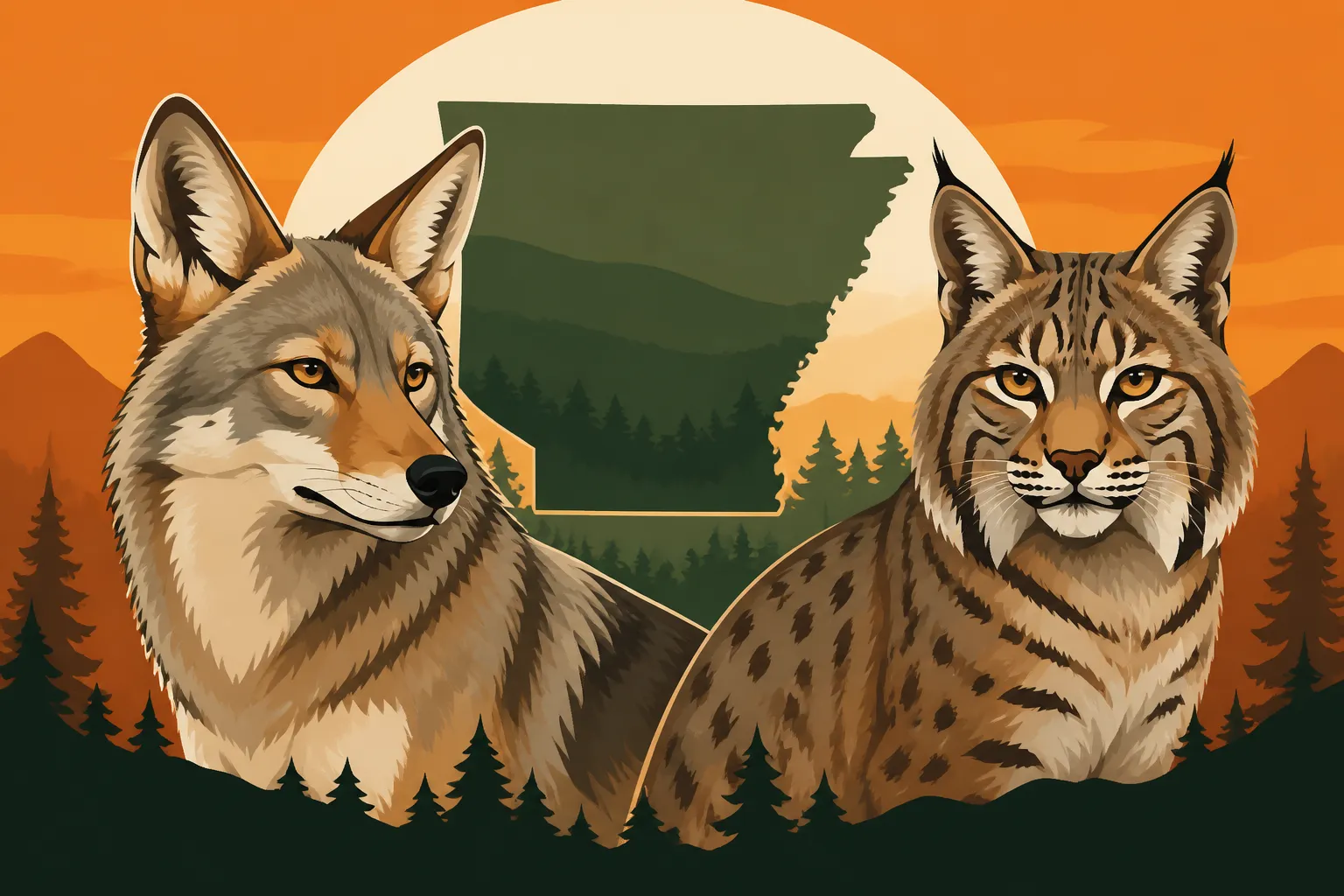
Coyote and Bobcat Range
For any Arkansas hunter, there's a certain reality to our woods: we share them with more than just deer, turkey, and ducks. The shadowy figures of coyotes and bobcats are always out there, often heard but rarely seen, impacting everything from deer fawn survival to turkey nesting success. Understanding where these clever predators range and how they utilize our diverse Arkansas landscape is crucial, not just for predator hunters, but for anyone who wants a more complete picture of the ecosystem they’re hunting in. This guide will take a deep dive into the typical ranges and habits of coyotes and bobcats across the Natural State, helping you better understand their presence.
Understanding the Arkansas Predator Landscape
Arkansas truly is a wild state, boasting incredible biodiversity that includes a healthy population of both prey animals and the predators that keep them in check. While we often focus on the deer, turkey, and waterfowl, it’s the constant presence of species like coyotes and bobcats that shapes the daily lives of every other creature in the woods. They are masters of adaptation, constantly shifting their patterns and territories in response to habitat, food availability, and human activity. For a hunter, understanding these dynamics isn't just academic; it's practical knowledge that can influence everything from where you set your stand to how you manage your land.
The Ubiquitous Coyote: Where They've Spread
Coyotes are perhaps the most widespread and adaptable predators in Arkansas, having dramatically expanded their range over the past century. They've filled a niche left vacant by larger predators like wolves and cougars, proving incredibly resilient. You'd be hard-pressed to find a county in Arkansas where coyotes don't roam. From the sprawling farmlands of the Delta to the rugged peaks of the Ozarks, these canids have found a way to not just survive, but thrive. Their success is a testament to their intelligence and their ability to consume a wide variety of food sources, from small rodents and rabbits to deer fawns and even certain types of vegetation. Their presence is a constant, low hum in the background of any Arkansas hunt.
The Elusive Bobcat: A More Discreet Presence
In contrast to the coyote, the bobcat is generally more elusive, preferring denser cover and less direct interaction with humans. While they are found throughout Arkansas, their numbers can be harder to gauge, and their sign is often more subtle. They are creatures of stealth and ambush, true masters of camouflage and silent movement. A bobcat sighting is often a brief, fleeting glimpse, leaving many hunters wondering if they truly saw what they thought they did. They are efficient hunters, preying primarily on rabbits, squirrels, and small birds, though they will certainly take a deer fawn or turkey if the opportunity arises. Their presence signifies a healthy, wild ecosystem, one with enough cover and prey to support these beautiful, wild cats.
Coyote Range Across the Natural State
Coyotes in Arkansas are everywhere, and I mean everywhere. They are the ultimate opportunists, and their range is less about specific geographic boundaries and more about habitat suitability, which, for a coyote, is pretty much anywhere they can find food and a bit of cover. However, certain areas do see higher concentrations and different behavioral patterns based on the landscape. They've become so intertwined with our ecosystem that understanding their movements can genuinely help you understand the broader movements of prey animals too.
Farmland and Forest Edges: Coyote Hotspots
If you're hunting deer or ducks anywhere near agricultural fields in Arkansas, you're almost guaranteed to be in coyote country. The edges where open fields meet dense timber, brushy fencelines, or overgrown creek bottoms are prime coyote habitat. Why? Because these areas offer the perfect combination of hunting grounds and escape cover. In the fields, they can easily hunt rodents, rabbits, and even catch an unwary bird. Then, they can quickly disappear into the timber or brush to rest, den, or avoid detection. These transition zones also attract deer, providing coyotes with a consistent food source, especially during fawning season. I've personally seen more coyote tracks and heard more howls around these field edges than almost anywhere else, whether I'm hunting in the Delta or the rolling hills of west-central Arkansas. Their presence can be a real nuisance, particularly for hunters whose primary goal is deer or turkey.
Adapting to Urban and Suburban Fringe Areas
It might surprise some, but coyotes have become incredibly adept at living right on the fringes of our towns and cities, and sometimes even within them. Arkansas's growing suburban areas, with their greenbelts, golf courses, and undeveloped woodlots, offer coyotes an unexpected bounty. Think about it: easy access to trash, pet food, and a steady supply of small mammals like squirrels and rabbits that thrive in these environments. They learn to avoid people, often operating under the cover of darkness. This urban adaptation means that even if you're not in the "deep woods," you might still encounter coyote sign. Their ability to coexist with us, often unnoticed, speaks volumes about their intelligence and adaptability, but it also brings challenges for pet owners and suburban residents.
The Impact of Habitat Changes on Coyote Spread
The dynamic landscape of Arkansas plays a huge role in coyote distribution. Over the decades, changes in land use—like widespread timber clearcutting, agricultural expansion, and even the natural succession of old fields into young forests—have often favored coyotes. Clear-cuts, for example, quickly grow into dense thickets that provide excellent cover and harbor abundant small prey. As these areas mature, the coyotes will move with the changing habitat. Additionally, the decline of larger apex predators, historically wolves and cougars, allowed coyotes to expand into virtually every corner of the state without significant competition. This ecological vacuum meant a wide-open playing field for them, allowing their populations to boom and their range to solidify throughout Arkansas. If you're looking for prime areas for Predator and Furbearer Hunting in Arkansas, understanding these habitat preferences is key.
Bobcat Habitats and Territories in Arkansas
While coyotes are everywhere, bobcats are a bit more discerning about their preferred digs. They aren't going to set up shop in your backyard (usually), and they tend to stick to the wilder, more remote corners of the state. These cats are creatures of solitude, thriving where cover is thick and human disturbance is minimal. Hunting them often requires a deeper dive into understanding their subtle movements and preferred hideouts.
Dense Cover and Remote Wildlands: Bobcat Strongholds
Bobcats absolutely love dense, impenetrable cover. We're talking about areas of tangled briars, thick regenerating timber, rocky outcroppings, and remote wilderness areas where a human might struggle to walk through. The Ouachita National Forest and many of the more rugged sections of the Ozark National Forest are classic bobcat strongholds. They offer the perfect blend of hiding spots, ambush points, and a healthy population of small game like rabbits and squirrels. These areas also tend to have fewer roads and less human traffic, which suits their reclusive nature just fine. When you're scouting for Hunting Ozark Ridges and Hollows for Deer, keep an eye out for bobcat sign too, as their territories often overlap with deer bedding areas that provide ample cover.
River Bottoms and Rugged Terrain: Ideal Bobcat Grounds
Beyond the deep wilderness, some of the most consistent bobcat activity I've observed is in the tangled river bottoms and creek drainages that crisscross Arkansas. These riparian corridors often feature dense vegetation, fallen timber, and a constant water source, creating a perfect mini-ecosystem for bobcats. The rugged, broken terrain of these areas provides endless nooks and crannies for dens and ambush sites. In places like the Cache River bottomlands or the smaller drainages feeding into the Arkansas River, bobcats find an abundance of small prey, especially swamp rabbits and various bird species. The deep, dark woods along these waterways provide exactly the kind of secretive environment a bobcat needs to thrive.
Factors Limiting Bobcat Density and Distribution
While bobcats are broadly distributed across Arkansas, their densities can vary significantly. Unlike coyotes, bobcats are more sensitive to habitat fragmentation and heavy human pressure. Large, contiguous blocks of undeveloped land are essential for maintaining robust bobcat populations. Intense logging that completely removes dense understory or widespread development that fragments their habitat can reduce their numbers in localized areas. Additionally, the availability of their primary prey – rabbits and other small mammals – directly impacts how many bobcats an area can support. If an area experiences a sharp decline in rabbit populations, you'll likely see a corresponding dip in bobcat presence. Their secretive nature also means they prefer to avoid direct competition with coyotes where possible, often utilizing slightly different habitat types or being more nocturnal in areas where coyotes are abundant. For hunters, knowing these limiting factors helps you zero in on areas with the highest potential.
Identifying Predator Sign and Activity
Knowing where coyotes and bobcats should be is one thing, but confirming their presence and understanding their movements on your specific hunting ground is another entirely. Learning to read the subtle clues they leave behind can give you a significant advantage, whether you're trying to call them in or just trying to understand how they might affect your deer and turkey populations. This often means becoming a better woodsman, paying attention to details many might overlook.
Tracking and Scat: Reading the Ground
The most common and reliable way to identify the presence of coyotes and bobcats is through their tracks and scat. Coyote tracks are generally oval, with four distinct toe pads and visible claw marks. They tend to walk in a straight line, often referred to as "direct registering," where their hind foot lands in the print of their front foot. Bobcat tracks, on the other hand, are rounder, often lacking visible claw marks (unless they are slipping), and their stride can be a bit more erratic due to their hunting style. Their tracks might appear almost cat-like, which, of course, they are!
Scat also tells a story. Coyote scat often contains hair, bone fragments, and sometimes berries or seeds, reflecting their omnivorous diet. It's usually rope-like and pointed at one end. Bobcat scat is typically more segmented, smaller, and almost exclusively composed of hair and bone, given their carnivorous diet. You'll often find both coyote and bobcat scat along logging roads, field edges, or creek beds – places where they travel regularly. Pay attention to the freshness of the sign; muddy tracks or moist scat indicate recent activity, telling you exactly when and where they’ve been moving. If you're trying to learn more about Scouting Arkansas Public Land Before Season, looking for these signs should be high on your list.
Calls and Vocalizations: What to Listen For
Hearing a coyote or a bobcat can be an unforgettable experience and a clear indicator of their presence. Coyotes are well-known for their diverse vocalizations: the classic high-pitched yips, barks, and howls that can echo through the night. Often, one coyote will start, and soon, others in the pack will join in, creating a chorus that can sound like far more animals than are actually present. These vocalizations are used for communication, territorial defense, and even locating pack members.
Bobcat vocalizations are far less common and much more subtle. They typically consist of purrs, growls, and hisses, much like a domestic cat, but deeper and wilder. During mating season, they might let out a series of screams or caterwauls that can be unsettling if you don't know what you're hearing. While you're less likely to hear a bobcat's characteristic calls during a typical hunt, if you do, it's a strong sign that you're in their core territory. Using specific calls, like those described in Coyote and Bobcat Calling in Arkansas, can also confirm their presence when they respond.
Trail Camera Intel: The Modern Scouting Tool
In today's hunting world, trail cameras are invaluable for understanding predator activity. Placing cameras along known travel corridors, game trails, or near potential kill sites can give you a literal snapshot of when and where coyotes and bobcats are moving. I’ve learned so much about their nocturnal habits and preferred routes just by studying my camera photos. You might find a coyote regularly passing through a pinch point at dawn, or a bobcat frequenting a particular brush pile in the middle of the night.
Using a mapping tool like GoHunt can significantly enhance your trail camera strategy. By overlaying your camera locations on detailed maps that show terrain features, dense cover, and water sources, you can start to identify patterns. GoHunt allows you to mark specific locations where you've captured images of coyotes or bobcats, helping you visualize their travel paths and potential home ranges. This kind of data-driven approach takes a lot of the guesswork out of scouting and can make your predator hunting efforts much more efficient, whether you're tracking a specific animal or just monitoring their overall presence.
Hunting Strategies Based on Range and Behavior
Once you understand where coyotes and bobcats typically range and how to identify their presence, you can start to develop more effective hunting strategies. Both species are incredibly smart and wary, so success often comes down to patience, stealth, and a deep understanding of their behaviors. It's a challenging but rewarding pursuit that sharpens your hunting skills in unique ways.
Calling Tactics for Coyotes in Open vs. Thick Cover
Calling coyotes is a popular and effective method, but your approach needs to adapt to the terrain. In open country, like the vast agricultural fields of the Delta, you can often set up with a wider field of view, allowing for longer shots. Here, "distress calls" mimicking a rabbit or fawn in trouble are very effective, often bringing coyotes in from a distance. You'll want to place your call out in front of you, giving the coyote a focal point away from your position. Always be mindful of wind direction; coyotes will almost always try to circle downwind to scent check the call, so set up to intercept them before they get there.
In contrast, hunting coyotes in thick cover, such as the dense pine plantations of South Arkansas or the brushy bottoms of the Ozarks, requires a different mindset. Shorter, sharper calls are more effective here, as the sound doesn't travel as far. You'll need to be more aggressive with your calling and constantly scan the immediate area, as they can appear silently and quickly. Utilizing "vocalizations," like howls and barks, can also be effective in thick cover, as it might provoke a territorial response. Remember, visibility is limited, so quick target acquisition is paramount. Regardless of the terrain, staying concealed and minimizing movement are critical.
Still-Hunting and Stand Placement for Bobcats
Bobcats are far less susceptible to calling than coyotes, making still-hunting and strategic stand placement more effective methods for targeting these reclusive felines. Still-hunting for bobcats involves moving extremely slowly and deliberately through their preferred habitat – dense cover, rocky areas, and tangled creek bottoms – pausing frequently to scan for movement. Look for subtle cues like a flick of an ear, a patch of patterned fur, or the twitch of a tail. This method demands immense patience and a keen eye for detail.
When using a stand, whether a ground blind or a treestand, focus on pinch points where bobcats are likely to travel between bedding and feeding areas. Overgrown logging roads, natural funnels between thickets, or crossings along creek beds are excellent choices. Setting up near known prey concentrations, such as a dense rabbit briar patch or a squirrel-rich oak flat, can also be productive. Since bobcats are often crepuscular (most active at dawn and dusk) and nocturnal, prime hunting times are the first and last hours of daylight. Pay close attention to wind, and consider using scent control, as their sense of smell is quite good.
Seasons and Regulations for Predator Hunting in Arkansas
Before you head out, it's absolutely vital to be familiar with the current Arkansas Game and Fish Commission (AGFC) regulations regarding predator hunting. Seasons, bag limits, and legal methods can change. For coyotes, hunting is typically open year-round, and they don't usually have bag limits, largely due to their abundant populations. Bobcat seasons, however, are often more restricted, usually running from September through February, with specific daily and season bag limits, especially if you're planning to harvest them for their fur.
It's also important to note specific rules regarding Night Hunting Rules for Arkansas Predators, as these regulations are often different from daytime hunting. For example, some counties or WMAs might have restrictions on specific hunting methods or the use of artificial lights. Always verify the current regulations for the specific zone or WMA you plan to hunt using the AGFC's website or their excellent interactive map tool, which, like GoHunt, can provide specific boundary information. A quick check before each season can save you a lot of headache and ensure you're hunting legally and ethically.
The Ecological Role of Coyotes and Bobcats
Beyond the thrill of the hunt, understanding the ecological roles of coyotes and bobcats offers a deeper appreciation for the complex web of life in Arkansas. These predators are not just targets; they are integral components of our wild ecosystems, playing a vital role in maintaining balance. Their presence, while sometimes frustrating for a deer hunter, is a sign of a healthy environment.
Managing Prey Populations
One of the most significant ecological roles of coyotes and bobcats is their impact on prey populations. Coyotes, with their varied diet, can exert pressure on everything from rabbits and rodents to deer fawns and even sickly adult deer. While this can sometimes be a sore spot for deer hunters, it’s important to remember that predators help keep prey populations healthy by culling the weak and diseased. This natural selection can actually strengthen the overall deer herd by removing individuals less likely to survive or reproduce.
Bobcats, focusing primarily on smaller mammals and ground-dwelling birds, play a similar role within their specific niches. They help control rodent populations that might otherwise damage agricultural crops or forest regeneration. Their predation on rabbits and squirrels ensures that these populations don't explode to unsustainable levels, which could lead to overbrowsing or resource depletion. In essence, both predators act as natural population managers, a crucial service for the long-term health of the ecosystem.
Competition and Coexistence with Other Predators
The Arkansas woods are a competitive place, and coyotes and bobcats interact with a host of other predators, large and small. They share territories and compete for food resources with other furbearers like raccoons, opossums, and foxes. Interestingly, there's often an inverse relationship between coyote and fox populations; where coyotes are abundant, fox numbers tend to be lower due to direct competition and sometimes predation.
Bobcats, being medium-sized felines, are often subordinate to coyotes, which means they might avoid areas with high coyote densities or shift their activity patterns to be more nocturnal to minimize encounters. This dynamic creates a complex mosaic of predator distribution and behavior across the landscape. Even larger predators, like black bears in the Ozarks and Ouachitas, can occasionally interact with coyotes, though their diets and primary ranges often differ enough to avoid constant conflict. These interactions highlight the intricate balance that exists, where each species has its role, sometimes overlapping, sometimes distinct, but always contributing to the vibrant tapestry of Arkansas wildlife.
Predator and Prey Dynamics in Arkansas
| Feature | Coyote | Bobcat |
|---|---|---|
| Appearance | Dog-like, grizzled grey/brown, bushy tail, pointed ears | Medium-sized cat, spotted coat, short "bobbed" tail, tufted ears |
| Size | 20-50 lbs, lean | 15-30 lbs, muscular |
| Diet | Omnivorous; rodents, rabbits, deer fawns, birds, insects, fruit, carrion | Carnivorous; rabbits, squirrels, rodents, birds, deer fawns |
| Habitat | Highly adaptable; farmlands, forest edges, suburbs, open woods, dense cover | Dense cover, rugged terrain, remote forests, river bottoms, rocky areas |
| Activity | Primarily crepuscular/nocturnal, but active during day | Primarily crepuscular/nocturnal, very reclusive |
| Vocalizations | Howls, yips, barks, growls | Purrs, growls, hisses, rare mating screams |
| Tracks | Oval, visible claws, direct register | Round, no visible claws (usually), cat-like |
| Population | Widespread, abundant, increasing | Widespread but secretive, stable/local variations |
| Hunting Season | Typically year-round, no bag limit | Specific fall/winter season, bag limits Apply |
Disclaimer
This article is for general informational purposes only and does not constitute professional advice. Laws, prices and regulations vary by location and change over time. Consult a qualified professional for guidance on your specific situation.