Arkansas Bear Season Dates by Zone
Trying to make sense of Arkansas bear season dates can feel like deciphering an ancient scroll, especially with the state's unique zone and quota system. It's not just a matter of checking a calendar; you've got to know which calendar applies to where you're hunting, and then stay on top of daily updates. This guide is here to untangle all that, helping you understand the ins and outs of black bear hunting seasons in the Natural State so you can plan your hunt with confidence.
The Basics of Arkansas Bear Hunting Seasons
Arkansas is a special place for black bears, and the Arkansas Game and Fish Commission (AGFC) works hard to manage these populations responsibly. Unlike deer or turkey seasons which often have fixed statewide dates, bear hunting here operates under a more dynamic system designed to ensure the health and sustainability of the bear population. This means understanding not just the when but also the where and how much.
Why Bear Seasons Are Zoned and Quota-Driven
The biggest reason Arkansas bear hunting is split into zones and driven by quotas is simply population management. Black bears aren't evenly distributed across the state; their primary strongholds are in the mountainous regions of the Ozarks and Ouachitas. If the AGFC were to implement a single, statewide season with no harvest limits, hunters could potentially overharvest bears in areas where they are more abundant, while areas with sparser populations might see little to no harvest pressure. The zone system allows for localized management, tailoring regulations to specific bear populations and their habitats.
Furthermore, bears reproduce slower than deer, and their populations can be more sensitive to harvest pressure. The quota system acts as a built-in safeguard. Each zone is assigned a maximum number of bears that can be harvested by hunters. Once that quota is met, or even approached closely, the season for that particular zone is closed, often with little notice. This ensures that the overall harvest remains within sustainable limits, preventing long-term impacts on the breeding population. It's a proactive approach to conservation, but it certainly keeps hunters on their toes! This is a core part of how Arkansas Bear Seasons and Zone Quotas are structured.
Understanding Bear Zone Boundaries
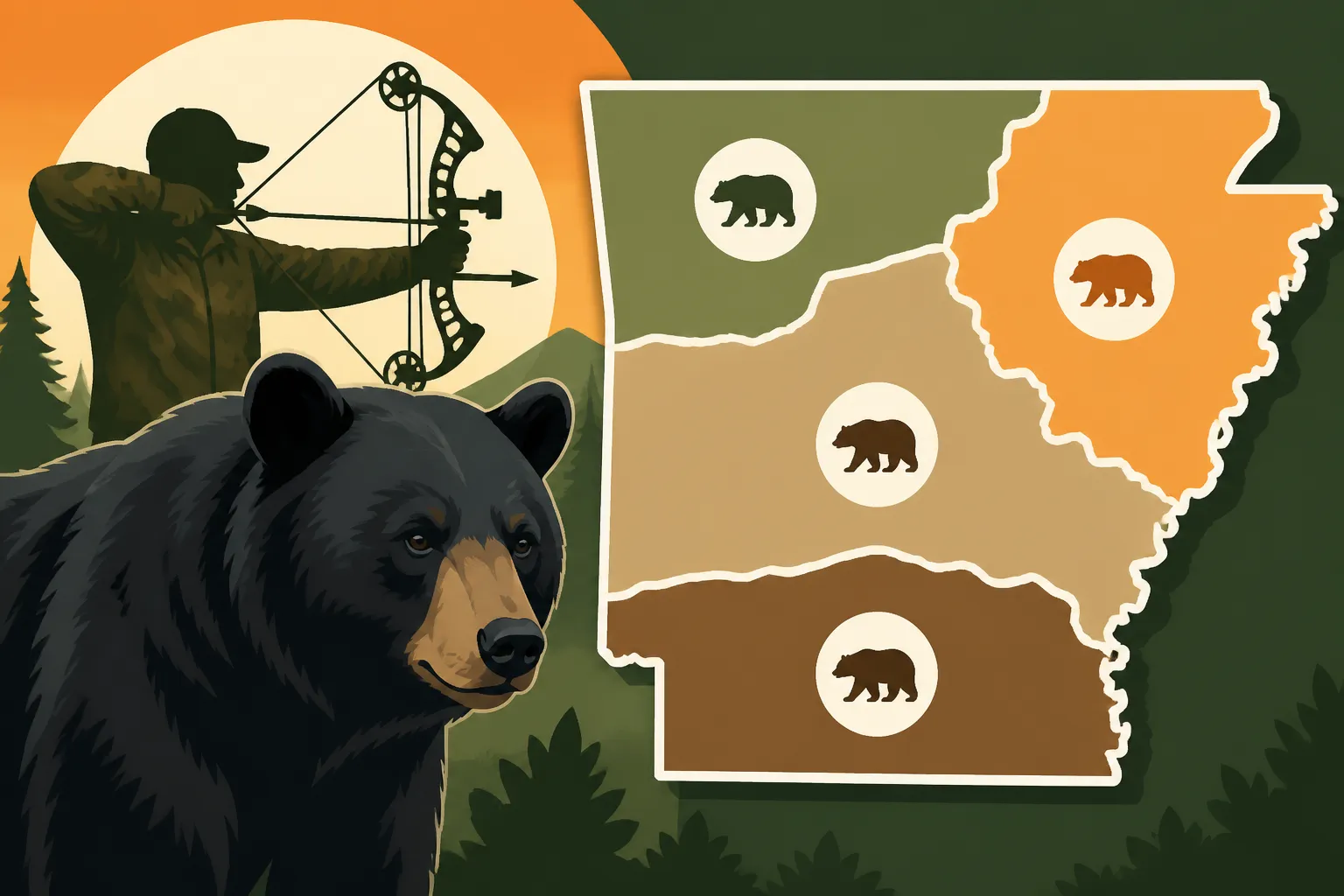
Arkansas is divided into a handful of designated bear zones, each with its own set of regulations and potential season dates. These zones primarily cover the large expanses of national forest land and adjacent private timberlands that make up prime bear habitat in the western and central parts of the state. You'll find the main zones concentrated in the Ozark and Ouachita mountain ranges.
It's absolutely critical to know precisely which zone you're in before you even think about heading afield. The boundaries aren't always intuitive, often following county lines, major highways, or prominent waterways. Relying on a vague memory or a general idea of your location simply won't cut it. A misstep here could mean hunting out of season or in a closed zone, leading to serious legal trouble. The AGFC's official hunting guide and online interactive maps are your best friends here. You might be hunting in the heart of Black Bears in the Arkansas Ozarks and Ouachitas territory, but knowing your exact zone is paramount.
Diving into Specific Bear Season Dates
Bear seasons in Arkansas are broken down by weapon type, much like deer seasons. However, the exact opening and closing dates are often zone-specific and, as we've discussed, subject to closure based on quotas. It's not a "set it and forget it" kind of deal, which is part of the challenge and excitement of bear hunting in Arkansas.
Archery and Crossbow Bear Seasons
Generally, the archery and crossbow bear season in Arkansas tends to be the longest, running concurrently with the statewide archery deer season, or at least a significant portion of it. This usually means an opening in late September, extending into November or even early December in some zones. This extended season provides ample opportunity for bowhunters to pursue bears, often before other weapon types are allowed in the field.
However, just because the season can run for months doesn't mean it will. The quota system is very much in play here. If a particular bear zone reaches its archery quota early, that season will be closed immediately, even if other zones remain open. This means bowhunters must be extra vigilant, checking the AGFC website or hotline daily once the season is underway, especially if they are getting close to their harvest. The earlier parts of the archery season, particularly in September, can be quite warm, so hunters need to consider how to properly Field Dressing in Arkansas Heat to preserve their harvest.
Modern Gun and Muzzleloader Bear Seasons
The modern gun and muzzleloader bear seasons are typically much shorter and often fall within specific windows during the late fall, usually in October or November, sometimes extending into early December in certain zones. These seasons are often strategically placed to coincide with periods when bears are actively feeding before denning up for winter, and after the initial archery pressure has had some time to pass.
Like the archery season, these modern gun and muzzleloader periods are also strictly quota-controlled. In fact, due to the higher efficiency of firearms, these seasons are often the first to close. It's not uncommon for a modern gun season in a popular bear zone to open and close within a matter of days, or even hours, if the quota is quickly met. This creates a thrilling, but intense, hunting scenario where preparation and prompt action are key. Hunters pursuing bears with these methods need to be ready to act fast and follow all guidelines meticulously.
Here's a generalized overview of how Arkansas bear zones typically structure their seasons, remembering that exact dates and quotas change annually and should always be verified with the current AGFC regulations.
| Bear Zone | Primary Habitat | Archery/Crossbow Season | Modern Gun/Muzzleloader Season | Key Notes |
|---|---|---|---|---|
| Zone 1 | Northwest Ozarks (e.g., Carroll, Madison, Newton, Searcy) | Typically Late Sept – Mid Nov | Typically Late Oct – Early Nov | High density, often closes quickly. |
| Zone 2 | Northeast Ozarks (e.g., Baxter, Stone, Izard, Independence) | Typically Late Sept – Mid Nov | Typically Late Oct – Early Nov | Healthy population, important quotas. |
| Zone 3 | Ouachita Mountains (e.g., Polk, Scott, Yell, Garland) | Typically Late Sept – Late Nov | Typically Late Oct – Mid Nov | Significant bear numbers in Ouachita National Forest Hunting areas. |
| Zone 4 | Central Arkansas (e.g., Pope, Conway, Perry) | Typically Late Sept – Late Nov | Typically Mid Nov – Early Dec | Lower density, often later closure dates. |
| Zone 5 | Southwest Arkansas (e.g., Sevier, Howard, Pike) | Typically Late Sept – Late Nov | Typically Mid Nov – Early Dec | Emerging populations, careful management. |
Disclaimer: This table provides a conceptual overview. Always consult the current AGFC regulations for precise dates, bag limits, and quota information, as these change yearly.
Important Rules and Considerations for Bear Hunters
Hunting black bears in Arkansas isn't just about knowing the dates; it's about understanding and adhering to a set of rules and best practices that are unique to bear management. Ignoring these details can not only jeopardize your hunt but also put you in legal hot water.
Checking if a Bear Zone Is Still Open
This is arguably the single most critical piece of information for any Arkansas bear hunter, especially during modern gun season. Because seasons are quota-driven, a zone can close with very little warning. The AGFC maintains an official bear harvest reporting system and updates the status of each zone in near real-time. This means that you, as a hunter, have a personal responsibility to check the current status of your hunting zone before you head out each day, and even periodically throughout the day if you're in an area where the quota is nearing its limit.
The AGFC website is the primary source for this information, often featuring a prominent "Bear Season Status" banner during the season. Some hunters even set up notifications or check dedicated apps that pull this data. Imagine the heartbreak of successfully harvesting a bear, only to find out the zone closed an hour before your shot. It's a scenario no one wants to experience, and it's entirely avoidable by staying informed. This active monitoring is key to understanding How a Bear Zone Closes Mid-Season.
Mandatory Bear Checking Requirements
Just like with deer and turkey, any harvested bear in Arkansas must be checked with the AGFC. This isn't just a formality; it's a vital part of the population management process. When you check your bear, you're providing the AGFC with critical data points like harvest location, date, and sex of the bear. Sometimes, specific biological samples (like a tooth for aging) are also requested. This information helps wildlife biologists accurately assess the health of the bear population, track harvest trends, and make informed decisions about future season structures and quotas.
You typically have a specific timeframe, usually within 12 or 24 hours of harvest, to complete this check. The AGFC provides multiple ways to do this, including an online system, a dedicated phone app, or by physically presenting the bear to an authorized checking station. Make sure you understand the requirements for Arkansas Bear Checking Requirements well before you pull the trigger. Failing to properly check your bear is a violation and can carry significant penalties.
The Role of Baiting in Bear Hunting
Baiting for bears in Arkansas is a hot topic, and it's legal in certain zones and under specific conditions. Many hunters find baiting to be an effective strategy, especially in areas with dense timber or limited natural food sources. It allows hunters to draw bears into a consistent location, providing opportunities for observation and a well-placed shot. However, the rules around baiting are very strict, and it's essential to follow them to the letter.
Generally, baiting is allowed in specific bear zones, often in the Ouachita and Ozark National Forests, where natural food sources can be unpredictable. There are strict guidelines on the types of bait allowed (typically no meat or fish products), the distance from public roads or established trails, and how long bait can be present before and during the season. It's not a free-for-all. Always check the current regulations regarding Arkansas Bear Baiting Rules for the specific zone you plan to hunt. Remember, the goal is responsible hunting, and adherence to these rules ensures fair chase and minimizes potential conflicts. Some hunters use platforms like GoHunt to research these nuances, cross-referencing state regulations with community insights on baiting strategies.
Planning Your Bear Hunt with Confidence
A successful bear hunt in Arkansas isn't just about luck; it's about meticulous planning, preparation, and staying informed. With the unique challenges presented by the zone and quota system, a strategic approach can make all the difference.
Utilizing Online Resources and Maps
In today's digital age, hunters have an incredible array of tools at their fingertips. For Arkansas bear hunting, the AGFC website is your absolute best friend. It provides the official regulations, season dates, zone maps, and, most importantly, the real-time bear harvest updates. Bookmark it, download the AGFC app, and get familiar with its navigation. The digital maps provided by AGFC are often layered with public land boundaries, WMA information, and even physical features that can aid in scouting.
Beyond the official sources, third-party mapping applications have become indispensable. Platforms like onX Hunt or GoHunt offer detailed satellite imagery, property line overlays, and often show public land boundaries, WMA lines, and topographic features. These tools are invaluable for scouting remote areas, understanding access points, and determining exactly which bear zone you're standing in. A good mapping app can literally highlight Ouachita Forest Bear Country or the boundaries of Ozark National Forest Hunting, helping you visualize your hunting area and plan your approach. Before your hunt, spend time poring over these maps, identifying potential travel corridors, bedding areas, and feeding locations based on terrain and available food sources.
Maximizing Your Chances in High-Pressure Zones
Let's be realistic: high-pressure zones, especially during modern gun season, can feel like a race against the clock and other hunters. Everyone wants to tag a bear before the quota is met. To maximize your chances, consider these strategies:
First, scout early and often. Knowing your chosen hunting area intimately – understanding bear travel patterns, food sources, and bedding areas – will give you a significant advantage. This includes pre-season scouting for fresh sign like scat, tracks, and claw marks on trees. Second, be prepared to move. If you're hunting in a zone that typically closes quickly, have a backup plan for an adjacent zone, or even a different part of the same zone, that might have a slightly later-closing history. Use resources like GoHunt to track historical harvest data for different zones, which might give you an edge in predicting where seasons will last longer.
Third, consider less popular access points. Many hunters flock to obvious parking areas or well-known trails. Sometimes, hiking that extra mile or finding a less-used logging road can get you into areas that receive less pressure. Fourth, be efficient and decisive. During a fast-closing season, you might not get many opportunities. Be confident in your shot placement and ethical decision-making. Lastly, stay informed. As mentioned earlier, constantly checking the AGFC status updates for How to Check If a Bear Zone Is Open is non-negotiable. Knowing the exact moment a zone closes could be the difference between a legal harvest and a frustrating, even costly, mistake.
Disclaimer
Please remember that hunting regulations, season dates, and zone boundaries in Arkansas can change annually. Always consult the most current Arkansas Game and Fish Commission (AGFC) regulations and official publications before planning and undertaking any hunting activity. This guide is for informational purposes only and should not be considered a substitute for the official rules.