Game You Cannot Hunt in Arkansas
It’s a natural question for any hunter, whether you're a seasoned Arkansas resident or just looking to visit the Natural State: "What exactly can't I hunt here?" With so many diverse species roaming our woods, fields, and waters, it's easy to assume that if an animal exists, it might be fair game. However, Arkansas, like every state, has very specific regulations governing which species are legal to pursue and which are strictly off-limits. This guide will help clarify which animals you absolutely cannot hunt in Arkansas, ensuring you stay within the bounds of the law and maintain ethical hunting practices.
Federally and State Protected Wildlife
Arkansas is a treasure trove of biodiversity, from the smallest insects to the largest mammals. To protect this natural heritage, many species are safeguarded by federal and state laws. Understanding these protections is crucial for any responsible outdoors enthusiast.
Endangered and Threatened Species
At the top of the list of unhuntable animals are those classified as endangered or threatened. These are species whose populations are in severe decline, often due to habitat loss, disease, or historical overhunting. Federal laws like the Endangered Species Act, alongside state-specific protections enacted by the Arkansas Game and Fish Commission (AGFC), make it illegal to harass, harm, pursue, hunt, shoot, wound, kill, trap, capture, or collect any of these animals. It's a comprehensive protection, designed to give these fragile populations a fighting chance at recovery.
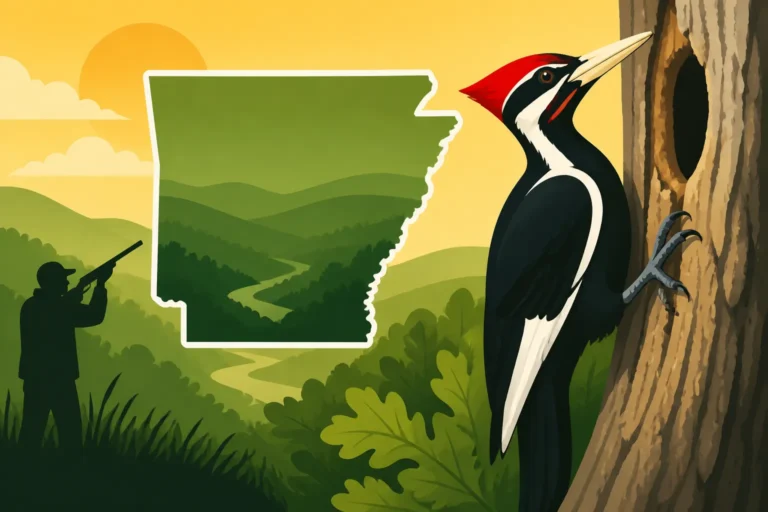
Even accidentally harming one of these species can carry severe penalties, underscoring the importance of positive identification of your target. For instance, while you might be focused on a specific game animal, you need to be aware of your surroundings and ensure you don't inadvertently impact a federally protected species. Species like the Red-cockaded Woodpecker, the Ozark Hellbender salamander, or the Indiana Bat are not targets, and their protection is paramount.
The lists of endangered and threatened species are dynamic, changing as populations fluctuate or new threats emerge. It’s not just about the big, charismatic animals either; many insects, fish, and plants also receive these vital protections. Always remember that if a species is listed as endangered or threatened, it is absolutely off-limits to any form of take or disturbance.
Migratory Birds Not Classified as Game
When we talk about hunting migratory birds, most people immediately think of ducks, geese, and doves. However, the vast majority of migratory bird species are not considered game birds and are therefore completely protected. The Migratory Bird Treaty Act, a landmark federal law, safeguards hundreds of species of birds that migrate across international borders. This includes all songbirds, raptors (like hawks, eagles, and owls), wading birds (herons, egrets), shorebirds (except specific huntable species like woodcock or snipe), and many others.
This means that while you might enjoy watching a Red-tailed Hawk soar overhead or listen to the chorus of warblers in the spring, these birds are strictly non-game. It is illegal to hunt them, possess them (alive or dead, including feathers, nests, or eggs), or disturb their nesting sites without specific federal permits, which are almost exclusively granted for scientific or rehabilitative purposes. This extends even to species you might see regularly in your backyard.
For instance, if you're out Green Timber Duck Hunting in Arkansas or pursuing Specklebelly Hunting in Arkansas Fields, you'll encounter a myriad of non-game migratory birds. It is every hunter’s responsibility to know the difference and ensure that only legal game birds are targeted. A good rule of thumb: if it's not explicitly listed in the AGFC waterfowl or migratory bird regulations as a huntable species, assume it is protected.
Species of Special Concern or Historical Protection
Beyond federally listed endangered species and migratory non-game birds, Arkansas also has a category of species that, while not necessarily endangered, are subject to special protection or are simply not classified as game. One prominent example that often sparks conversation is the Mountain Lion. While there's no evidence of a breeding population of Mountain Lions in Arkansas, sightings do occur, and any Mountain Lion found within the state is fully protected and cannot be hunted. They are considered a species of special conservation concern.
Similarly, many native amphibians, reptiles, and non-game fish species are protected, meaning they cannot be harvested or disturbed without specific scientific permits. This ensures that their populations remain healthy and play their vital role in the ecosystem. This also includes many smaller, less conspicuous mammals that are simply not part of the state's game species roster. You won't find a season for voles, moles, or shrews, for example, as they are not defined as game animals.
It's important to remember that these protections are in place to manage the state's diverse wildlife populations sustainably. While some species might seem abundant, their role in the ecosystem or their historical vulnerability warrants a non-hunting status. For those interested in exploring various species and their distribution, using tools like GoHunt can help you understand general wildlife patterns, though specific hunting regulations always need to come from the AGFC.
Animals Not Defined as Game or Legally Huntable by Arkansas Law
Beyond those explicitly protected, many animals simply aren't considered "game" by Arkansas law. This distinction is critical because it means there are no open seasons, bag limits, or legal methods for hunting them. They exist, they're part of the landscape, but they are not a target for recreational hunting.
Common Non-Game Mammals
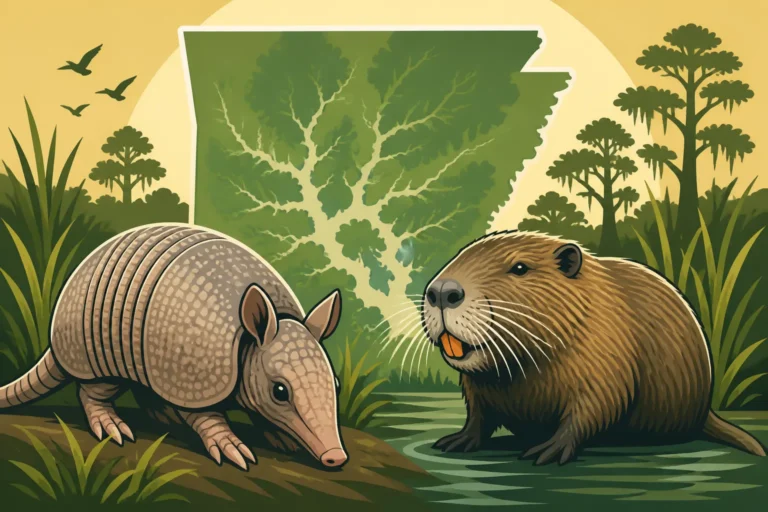
Many mammals that are common across Arkansas are not classified as game animals. This means no hunting seasons are set for them, and attempting to harvest them would be illegal. Think about animals like armadillos, which are ubiquitous in many parts of the state. While they might root up your garden, they are not a game species. Likewise, many common rodents, such as various mice, rats, and voles, are simply not on the list of huntable animals.
Even the opossum, while sometimes encountered by hunters, is primarily considered a furbearer with specific trapping and hunting seasons, not a general game animal that can be taken at any time. When these species cause damage or become a nuisance, there are usually specific regulations or permitting processes through the AGFC or local authorities for control, which is distinct from recreational hunting. This highlights that "abundance" does not equate to "huntable."
The focus of Arkansas's game regulations is on species that are managed for sustainable harvest, typically deer, bear, turkey, and specific small game and waterfowl. Any animal not explicitly listed in the regulations as a game species with an open season is effectively off-limits for hunting. Always check the official AGFC regulations for the most current list of huntable game.
Domestic Animals and Hybrids
This might seem obvious, but it's a crucial point: domestic animals are absolutely, unequivocally not game animals. This includes household pets like dogs and cats, even if they are stray or feral. Shooting a domestic animal can lead to severe legal consequences, including animal cruelty charges, property damage claims, and criminal prosecution. Livestock, such as cattle, horses, sheep, or goats, are also completely off-limits, as they are private property.
The line can sometimes blur with hybrids, such as wolf-dog hybrids. If an animal has domestic parentage, it is generally treated as a domestic animal under the law, regardless of its wild appearance or behavior. This makes identification even more critical. Mistaking a domestic animal for a wild one, even unintentionally, is not a valid defense if you pull the trigger.
Hunters must exercise extreme caution and positively identify their target before taking a shot. This is a fundamental principle of Arkansas Hunter Education and Safety Rules. When in doubt, don't shoot. The consequences of mistaking a domestic animal for game are far-reaching and can permanently damage a hunter's reputation and legal standing.
Aquatic Life and Non-Game Fish
While Arkansas offers fantastic fishing opportunities in its many rivers, lakes, and oxbows, it's important to distinguish between hunting and fishing regulations. Many aquatic species are simply not huntable. Fish, for example, are governed by fishing licenses, seasons, and tackle restrictions, not hunting regulations. You wouldn't "hunt" a Largemouth Bass or a Crappie; you would fish for them.
Beyond typical sport fish, numerous non-game fish species, crustaceans (like crayfish), and other aquatic invertebrates are either protected, subject to specific commercial regulations, or simply not legal targets for recreational take. Even species like Alligators, while huntable in Arkansas, require a very specific, limited, and highly regulated permit draw, distinguishing it from general game hunting. Arkansas Alligator Range and Numbers provides more detail on this unique species.
The vast majority of species living in Arkansas's waters fall under the purview of fishing and conservation laws, not hunting laws. Understanding this distinction is vital for any outdoorsperson who enjoys both hunting and angling. Don't assume that because an animal lives in the wild, it can be hunted.
Understanding Exceptions and Avoiding Costly Mistakes
Arkansas's wildlife regulations are designed to manage populations, protect vulnerable species, and ensure sustainable use of its natural resources. Navigating these rules requires attention to detail and a commitment to understanding the nuances.
The Feral Hog Dilemma
One of the most significant and often confusing exceptions to "unhuntable" animals in Arkansas is the feral hog. These animals are a destructive invasive species, not native game. They cause immense damage to agricultural crops, natural habitats, and even pose a threat to native wildlife by competing for food and preying on young animals. Because of their detrimental impact, feral hogs are explicitly not classified as game animals.
This distinction is crucial because it means they can be hunted year-round on private land without a limit, and in many cases, on public land under specific WMA rules. The goal is eradication or control, not conservation through regulated harvest. Unlike deer or turkey, there's no closed season, no bag limit, and often no specific weapon restrictions beyond what's legal for hunting generally. This makes them a unique case where the goal is to maximize take, not restrict it. For hunters looking to help the state's conservation efforts, pursuing feral hogs is one way to contribute. The Arkansas Feral Hog Problem details why these animals are such a concern.
| Category | Example Animals (Cannot Hunt) | Example Animals (Can Hunt, with season/license) | Key Difference |
|---|---|---|---|
| Protected Species | Bald Eagle, Red-cockaded Woodpecker | Whitetail Deer, Mallard Duck, Wild Turkey | Federal/State law prohibits any take. |
| Non-Game Mammals | Armadillo, Opossum (general, outside furbearer season), most rodents | Squirrel, Rabbit, Raccoon (furbearer season) | Not classified as game species in regulations. |
| Migratory Birds | Robin, Cardinal, Hawk, Owl, Heron | Mourning Dove, Green-winged Teal, Snow Goose | Protected by Migratory Bird Treaty Act. |
| Domestic/Hybrid | Feral Cat, Stray Dog, Livestock | N/A (Never huntable) | Private property or federally protected as pets. |
| Invasive (Exception) | N/A | Feral Hog (often year-round, no limit) | Not a game animal, focus on eradication. |
Nuisance Animal Regulations
Even if an animal is not a legal game species, there are circumstances where you might legally be allowed to remove it if it's causing damage to property or posing a threat. This falls under "nuisance animal" regulations, and it's very different from recreational hunting. For instance, if an opossum or an armadillo is destroying your garden, you might have options for removal. However, these actions typically require specific approval, methods, or permits from the AGFC or local authorities.
You can't just decide to "hunt" a nuisance animal outside of established game seasons without understanding these rules. For example, trapping a nuisance animal usually involves specific trap types and checking requirements. It's not a free-for-all. Always contact the AGFC directly if you have a nuisance wildlife problem to understand your legal options. This is where personalized advice becomes crucial, and general hunting regulations don't apply.
Remember, the intent here is damage control, not sport. These situations are highly regulated to ensure humane treatment and to prevent the unlawful take of protected species under the guise of nuisance control. Don't confuse nuisance control with hunting; they operate under different sets of rules and permissions.
Always Consult the Arkansas Game and Fish Commission Regulations
The absolute best way to ensure you are hunting legally and ethically in Arkansas is to always, always, always consult the current Arkansas Game and Fish Commission (AGFC) Hunting Guidebook or their official website. These are the definitive sources for all hunting regulations, seasons, bag limits, and legal methods. Assuming something is legal because you've seen it done elsewhere, or because a friend mentioned it, is a recipe for trouble.
Regulations can change from year to year, and sometimes even mid-season, especially regarding things like CWD zones or specific WMA rules. Using online tools like GoHunt can be helpful for mapping and general planning, but for the definitive legal framework, the AGFC is your bible. Their website offers an easily searchable database of regulations, and the annual printed digest is invaluable for keeping track of all the rules. It's your responsibility as a hunter to be informed.
Ignorance of the law is not a valid defense if you are found to be hunting an unhuntable species or violating any other regulation. Take the time to read through the regulations for every species you intend to pursue and for the specific area you plan to hunt. Understanding Arkansas Wildlife Violation Penalties should be motivation enough to double-check everything. When you're in doubt, err on the side of caution or contact the AGFC directly for clarification. It's far better to ask than to face the consequences of an illegal act in the field.
Disclaimer
This article is for general informational purposes only and does not constitute professional advice. Laws, prices and regulations vary by location and change over time. Consult a qualified professional for guidance on your specific situation.