Tracking a Deer in Ozark Rock
There’s a unique dread that settles in when you know you’ve hit a deer in the Arkansas Ozarks, but the blood trail has just… vanished into the rocks. It’s a frustrating, heartbreaking situation that every hunter hopes to avoid. This guide is dedicated to giving you the proven strategies and mental fortitude needed to meticulously track and successfully recover your deer, even when the unforgiving, rocky terrain of the Ozarks seems determined to hide every clue.
The Unique Challenges of Tracking in Ozark Rock
Hunting in the Ozarks offers breathtaking scenery and a true wilderness feel, but it also presents formidable obstacles when it comes to tracking a hit deer. Unlike the soft, loamy soil of the Delta or the pine needles of the Ouachitas, the rocky, unforgiving landscape here demands a completely different approach.
Why Blood Trails Vanish on Rocky Ground
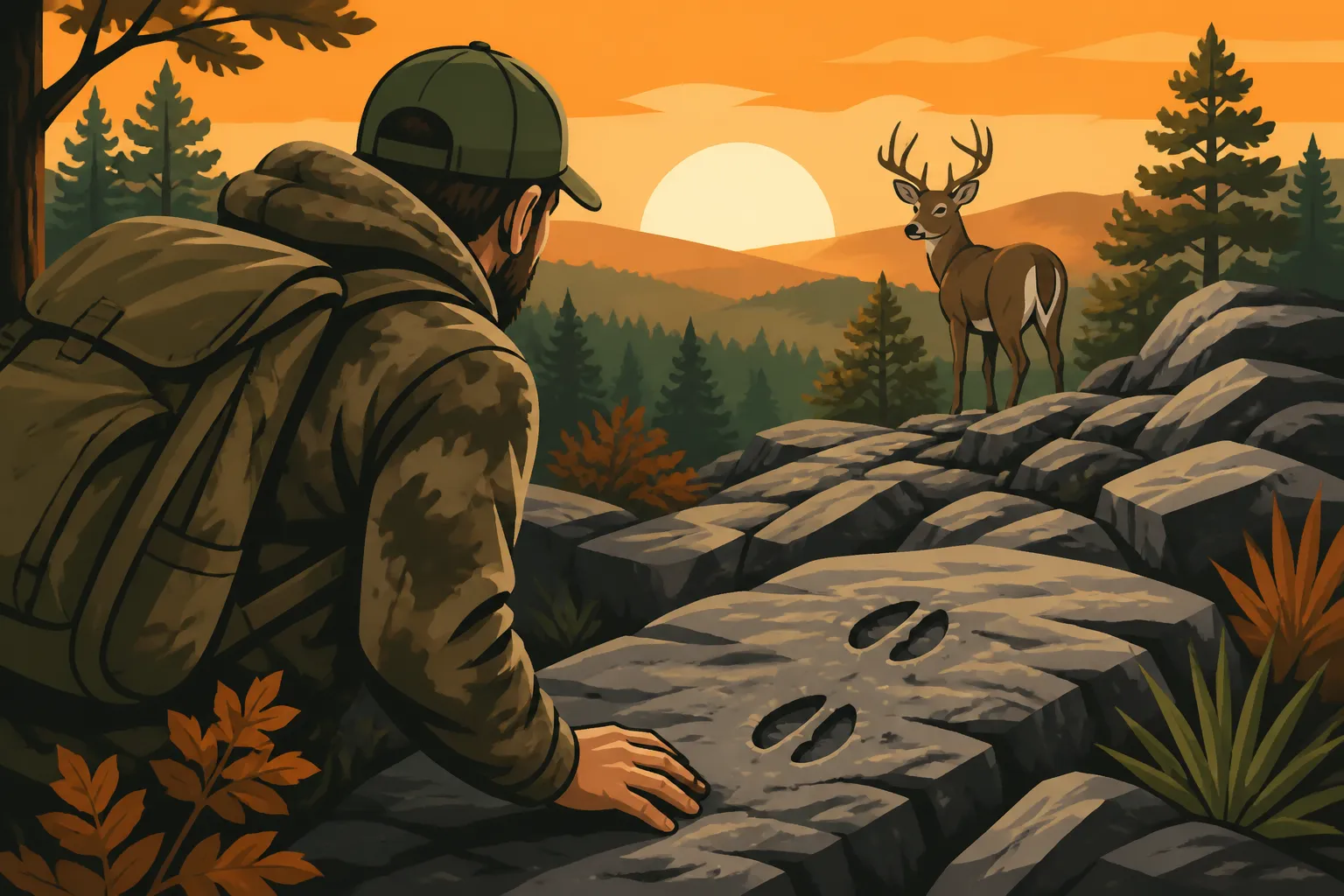
The most immediate frustration for any hunter in the Ozarks is the way a seemingly good blood trail can simply disappear. On soft ground or through dense leaf litter, blood typically leaves a clear, identifiable mark. But on the exposed rock faces, scattered boulders, and gravelly creek beds of the Ozarks, blood behaves differently. Instead of soaking in and leaving a lasting stain, it tends to splatter, run off into crevices, or get smeared thin across unyielding stone. What looks like a gushing wound can leave surprisingly little visible sign in such an environment. You might find a few bright drops, then nothing but bare rock, making you question everything you thought you saw.
This lack of absorption is a real kicker. You can stare at a rock for minutes, certain there should be blood, only to find the faintest, almost invisible smear that washes away with the next dew or rain shower. The angle of impact and the speed of the deer can also play a huge role; a deer running hard might shed very little blood on impact with the ground itself, instead flicking drops onto vegetation that can be sparse in certain rocky areas. It's a truly demoralizing feeling, and it’s why understanding other signs becomes paramount when hunting Ozark Ridges and Hollows for Deer.
Overcoming Broken Terrain and Steep Inclines
Beyond the frustrating lack of blood sign, the sheer physical challenge of tracking through Ozark terrain cannot be overstated. We're talking about navigating steep bluffs, treacherous rock slides, and deep hollows that seem to go on forever. A hit deer, especially one that’s not mortally wounded, will often gravitate towards the thickest, most inaccessible cover it can find. This could mean a dense cedar thicket clinging to a bluff side, a jumble of fallen timber in a ravine, or a remote pocket of brush that would be tough to traverse even without a blood trail to follow.
The broken ground itself can obscure tracks and make it difficult to maintain balance while meticulously searching for sign. What might be a simple walk in open woods elsewhere becomes a slow, deliberate climb and descent, often requiring all four limbs. The deer you’re tracking knows this terrain intimately, and it will use it to its advantage, sometimes circling back, running along a rocky creek bed, or disappearing over a ridge that requires a long, arduous hike to reach. You might even find yourself encountering false trails or older deer sign, adding to the confusion. This is where pre-scouting your hunting area, understanding the lay of the land, and anticipating a deer's movements become incredibly important for successful tracking.
Pre-Hunt Preparation: Setting Yourself Up for Success
Successful deer recovery in the Ozarks isn't just about what you do after the shot; it starts long before you even step into the woods. Being prepared, both mentally and with the right gear, can dramatically increase your chances of finding your deer.
Shot Placement and Its Impact on Tracking
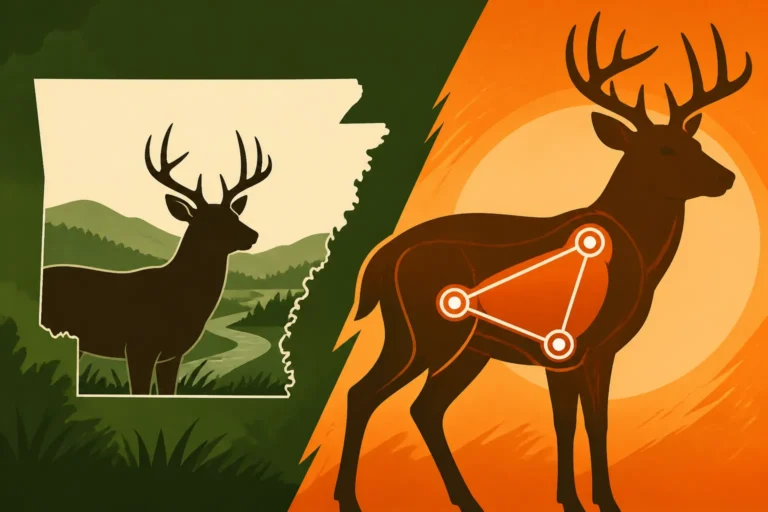
The most critical factor in a clean, recoverable kill, especially in difficult terrain, is precise shot placement. While "Arkansas Modern Gun Deer Hunting" allows for a variety of firearms, the ethical responsibility remains the same: put the projectile where it will do the most good. A well-placed shot, whether with a bow or rifle, dramatically reduces the distance a deer travels and, consequently, the length and difficulty of your tracking job. Aiming for the vital organs – the heart and lungs – is always the goal.
A perfect double-lung shot often results in a short sprint and a quick demise, usually leaving a clear, bright red, often frothy blood trail. A heart shot is similarly effective, though the trail might be slightly less frothy. However, even a solid lung hit can yield a surprisingly sparse blood trail in rocky conditions. A gut shot, unfortunately, means a much longer and more challenging track, often with dark, brownish blood mixed with stomach contents, and demands a significantly longer waiting period before tracking begins. A shoulder or muscle hit can sometimes produce good initial blood but might not be fatal, leading to a frustrating, non-ending track. Understanding the immediate signs of a hit and patiently waiting before you start tracking is crucial. If you suspect anything other than a lethal, quick-killing shot, patience is your best friend.
Essential Gear for Rocky Recoveries
When you're faced with the prospect of tracking a deer through the rugged Ozarks, the right gear isn't a luxury; it's a necessity. First and foremost, you need reliable illumination. Pack at least two powerful headlamps or flashlights, and plenty of spare batteries. You never want to be caught deep in a hollow with a dead light source, especially when Blood Trailing After Dark in Arkansas.
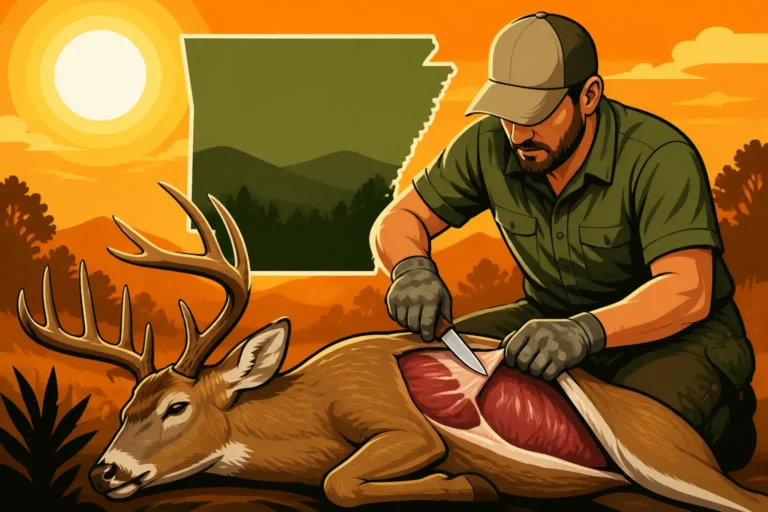
Beyond lighting, a few other items are non-negotiable. Flagging tape, brightly colored and easily visible, is crucial for marking every single speck of blood or sign you find. This creates a breadcrumb trail that allows you to step back, re-evaluate, and prevent getting lost. Binoculars can be invaluable for spotting a downed deer at a distance or identifying subtle disturbances in the terrain ahead. A good, sharp knife is, of course, essential for field dressing, and a sturdy dragging rope or game cart can make the arduous task of Getting a Deer Out of an Ozark Hollow much more manageable. For navigating unfamiliar territory, a GPS device or a robust mapping app like GoHunt is a game-changer. You can mark your last blood, your path, potential bedding areas, and your recovery spot, even when cell service is nonexistent. GoHunt allows you to download maps offline, ensuring you always know your location and can accurately pinpoint where you found the last sign or where you recovered your animal. Don't forget a basic first-aid kit for yourself – scrapes, falls, and thorns are common hazards in the Ozarks. Sturdy boots with excellent ankle support are a must, along with durable, thorn-resistant clothing. A tracking stick or monopod can also be a surprisingly useful tool, allowing you to probe brush, lift leaves, and maintain balance without constantly bending over, which saves energy and keeps your eyes focused on the ground level.
The Art of the Track: Visual Cues Beyond Blood
In the Ozarks, relying solely on blood can lead to frustration and lost game. The real art of tracking here lies in becoming a detective, meticulously searching for every subtle hint a deer leaves behind, often long after the blood trail has dried or vanished.
Interpreting Scrapes, Scuffs, and Hair
When the ground refuses to show a clear blood trail, your eyes need to widen to encompass every other disturbance. Think of yourself as a CSI investigator. Look for overturned rocks, scuff marks in patches of dirt or loose gravel where hooves dug in or slid, or disturbed leaf litter that looks different from the surrounding undisturbed forest floor. These might be the only consistent "breadcrumbs" you find. A deer that’s hit hard will often leave more pronounced scuffs as it struggles to maintain its footing or pushes off the ground to escape.
Hair is another invaluable clue. When a bullet or arrow passes through a deer, it often shears off hair from the entry and exit points. The type of hair can tell you a lot about the shot placement. Short, stiff, reddish-brown hair typically indicates a muscle hit or a superficial wound. Longer, darker hair, especially if mixed with stomach contents, points to a paunch hit, which demands a much longer waiting period. White hair from the brisket or the underside of the deer can indicate a low shot that might not be immediately fatal, or a clean pass-through of the brisket. Along with hair, look for other bodily fluids. Bright green or brownish material mixed with feces is an undeniable sign of a gut shot. A clear or yellowish fluid might indicate urine or even spinal fluid in rare cases. Any of these non-blood signs are critical confirmation of a hit and provide crucial information about the severity and location of the wound, guiding your subsequent tracking strategy.
Leveraging the Terrain to Your Advantage
In the rocky, broken country of the Ozarks, you can't just follow a straight line. You have to think like the deer. A hit deer, disoriented and seeking refuge, will often follow predictable patterns. They usually try to get downhill, often towards water sources like springs or creek beds. They also instinctively seek the thickest cover available – dense cedar glades, jumbles of fallen timber, or brushy hollows that offer a sense of security. This is particularly relevant when you consider the Wind and Thermals in Ouachita Hollows, as deer often use these to their advantage when bedding or fleeing.
Use natural funnels and existing game trails to your advantage. Even if there’s no visible sign, a deer, even a wounded one, will often revert to the path of least resistance. Scan ahead along these natural travel corridors. When the trail goes truly cold, pause. Look up from the ground and survey the landscape. Where would you go if you were hurt? Which direction offers the most cover? Which way leads to a steep drop-off or a water source? Consider what you learned while Scouting Arkansas Public Land Before Season about deer movement patterns in similar areas. If you have a tracking partner, spread out slightly, moving in a deliberate grid pattern through suspected bedding areas or thickets, constantly communicating and calling out any discovery. A mapping app like GoHunt can help here, allowing you to mark the areas you've already covered, preventing wasted time and ensuring a thorough search.
| Sign Type | Appearance | Indication | Tracking Strategy |
|---|---|---|---|
| Bright Red, Foamy Blood | Light red, often with small bubbles. | Lung hit. | Wait 30-60 min. before tracking. Usually a short track. |
| Dark Red, Thick Blood | Deep red, sometimes clotted. | Liver hit. | Wait 3-4 hours before tracking. Deer beds quickly. |
| Green/Brown Blood/Fluid | Mixed with stomach contents or feces. | Gut/Paunch hit. | Wait 6-8+ hours or overnight. Very challenging, long track. |
| Short, Stiff Hair | Body hair, often same color as deer's coat. | Muscle hit or superficial wound. | Difficult track, deer may recover. Re-evaluate shot. |
| Long, White Hair | From brisket or underside. | Low brisket or lower leg hit. | Often non-fatal. Deer may recover, but check for injury. |
| Scrapes/Scuffs | Disturbed leaves, displaced rocks, churned soil. | Direction of travel, struggle. | Crucial visual cue when blood is sparse. Follow closely. |
| Strong Pungent Odor | Foul, gamey smell, sometimes like rotting leaves. | Gut shot. | Confirm with other signs. Indicates a very long wait. |
Navigating Difficult Scenarios and Recovery Strategies
Even with the best preparation and keenest eye, tracking in the Ozarks can test your resolve. Knowing how to handle the inevitable cold trail and when to call for specialized help can be the difference between a successful recovery and a lost animal.
When the Trail Goes Cold: Grid Searching and Expanding the Area
The moment the blood trail, or any discernible sign, completely vanishes, is undoubtedly the most disheartening part of tracking. It’s easy to panic or feel a wave of despair. But this is precisely when you need to take a deep breath, reset, and trust in a systematic approach. First, mark the last confirmed sign with flagging tape or a waypoint on your GoHunt app. This gives you a fixed point of reference. Don't push past this point blindly; you risk getting further off track and destroying potential clues.
From your last known point, begin a methodical grid search. This means expanding your search in ever-widening concentric circles or by walking parallel lines, slowly and deliberately, scrutinizing every inch of ground. Focus intensely on likely bedding areas: thickets, brush piles, fallen logs, or the lee side of a ridge that offers cover and protection from the wind. Check under overhanging rock ledges or in dense cedar groves common in the Ozarks. If you have a partner or two, line abreast and walk slowly, ensuring no ground is missed. Remember that deer sometimes circle back, especially if they are trying to evade pursuit. Don't be afraid to backtrack slightly from your last confirmed sign to ensure you haven't overlooked a subtle turn or a drop of blood hidden by a leaf. You might need to expand your search area significantly, sometimes covering acres from the last known point. This is where patience truly becomes a virtue; you might spend hours, even days, looking for what could be a very small animal in a very big, rugged landscape.
The Role of Tracking Dogs
In Arkansas, certified tracking dogs are an absolutely invaluable resource, especially when facing the daunting task of tracking a deer across rocky, cold-trailing Ozark terrain. These dogs are specifically trained to follow the scent of wounded game, a scent that human noses simply cannot detect. Even if the blood trail has completely disappeared, a skilled tracking dog can often pick up the faint scent of disturbed ground, broken vegetation, or residual blood molecules.
If you hit a deer and the trail quickly goes cold, or if you suspect a marginal hit, your very next call should be to a certified tracking dog handler. The sooner you call, the higher the chances of success. Don't wait until the next morning if you can help it, especially with warm temperatures. You can often find lists of certified handlers through the Arkansas Game and Fish Commission (AGFC) website or dedicated tracking dog organizations and online forums. While you wait for the dog, do not continue to blindly search. Mark your last known blood or sign clearly, back out of the area the way you came, and avoid contaminating the scene further. Let the professionals and their incredible canine partners do what they do best. They can literally turn a hopeless situation into a successful recovery, fulfilling your ethical obligation as a hunter.
Ethical Considerations and When to Give Up
As hunters, we hold an inherent ethical obligation to make every reasonable effort to recover any animal we shoot. This commitment is part of the deep respect we have for the game we pursue. However, the harsh reality of hunting in places like the Ozarks is that sometimes, despite your best, most diligent efforts, a deer may simply be unrecoverable. This can be due to a superficial wound, the animal covering an incredible distance over impossible terrain, or other unforeseen circumstances.
Knowing when to give up is a tough call, and it can weigh heavily on a hunter's conscience. But after hours, or even days, of meticulous searching, utilizing every trick in the book, perhaps even employing a tracking dog, there comes a point where continued effort becomes fruitless. It's important not to beat yourself up; you exhausted all reasonable avenues. This experience underscores the importance of practices like ethical shot placement and understanding Arkansas Hunter Education and Safety Rules. Before you begin your hunt, especially when exploring Public Hunting Land in Arkansas, be mindful of property boundaries. If your deer crosses onto private land, always know and follow the state's regulations regarding game retrieval from private property. This often requires obtaining permission from the landowner before you can set foot on their ground. By preparing thoroughly, acting responsibly, and knowing when to call in specialized help, you fulfill your commitment to ethical hunting, even if the outcome isn't always what you hoped for.
Disclaimer
Please remember that hunting regulations and best practices can change. Always consult the latest Arkansas Game and Fish Commission (AGFC) regulations before heading into the field. This guide offers general advice and personal insights, but it is not a substitute for official rules and safety guidelines.