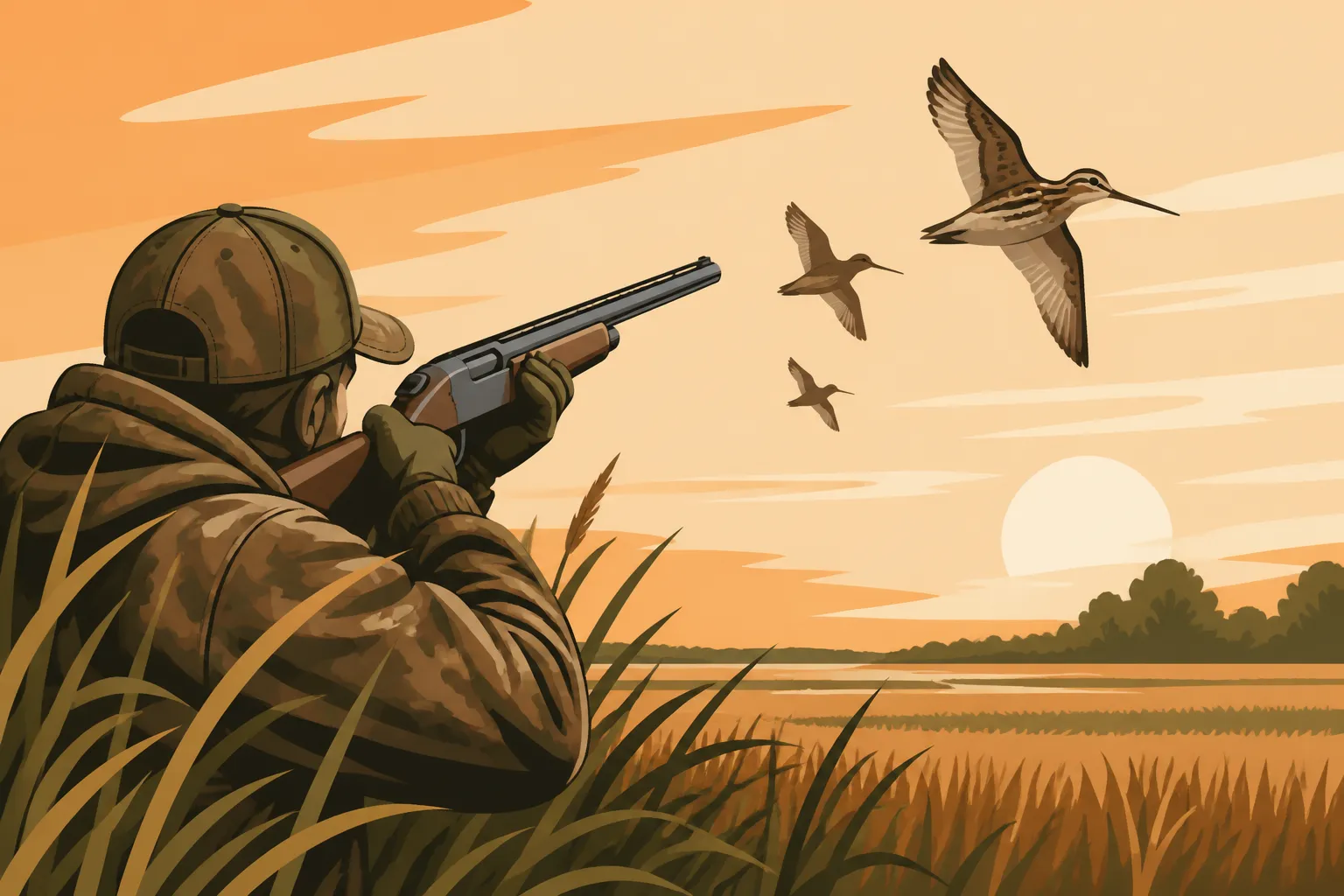
Snipe Hunting in Delta Fields
Oh, the common snipe! It’s a bird that many hunters in Arkansas, especially those focused on ducks or deer, often overlook or simply don't understand how to pursue. You might see one burst from a ditch while deer scouting, or hear their distinctive "scape" call and wonder, "Can I even hunt those?" The good news is, you absolutely can, and for those willing to embrace a unique challenge, snipe hunting in the Arkansas Delta fields offers a truly rewarding and often thrilling experience. This guide is all about demystifying snipe hunting, giving you the insights and practical tips to find success in the mud and muck of our beautiful Delta.
Understanding the Elusive Arkansas Snipe
Before you can hope to bag a snipe, you need to understand the creature itself. These aren't your typical slow-flying upland birds; they're quick, camouflaged, and master aviators.
The Bird Itself: Behavior and Habitat
The common snipe (Gallinago gallinago) is a fascinating migratory shorebird, roughly the size of a dove, but with a disproportionately long, slender bill. They are absolute masters of camouflage, their mottled brown and black plumage blending seamlessly with dead grass, mud, and decaying vegetation. This incredible natural cloaking device is precisely why they're so often missed by hunters not specifically looking for them.
When flushed, a snipe explodes from cover with a startling "scape!" call, then immediately launches into an erratic, zig-zagging flight pattern that can disorient even experienced wingshooters. It's truly something to behold – one moment the ground is empty, the next a blur of brown is juking through the air as if on invisible strings. They tend to fly low for a bit, then climb quickly before leveling off. This quick, unpredictable flight is what makes them such a challenging and addictive target.
In terms of habitat, snipe are drawn to very specific conditions. Forget thick woods or dense cover; these birds are all about the wet, muddy edges. Think shallow-flooded fields, muddy fringes of ponds, wet pastures, saturated ditches, and moist-soil units. They love areas where the water table is high, leaving soft, exposed mud where they can probe for their diet of worms, small insects, and other invertebrates with their long bills. They are primarily winter residents in Arkansas, migrating south from their northern breeding grounds, making our mild winters and vast Delta farmlands ideal temporary homes.
Prime Delta Locations for Snipe
The Arkansas Delta is, quite frankly, a snipe paradise. Its flat landscape, abundant agricultural fields, and intricate network of ditches and sloughs create perfect conditions. When it comes to finding snipe, you need to think "wet and open."
Harvested rice fields are perhaps the most iconic snipe spots. After the combine has done its work, leaving behind a stubble field, farmers often flood these fields with a few inches of water, or simply let nature take its course with winter rains. These shallow-flooded expanses, with their exposed mud and decaying rice stubble, are magnets for snipe. Similarly, harvested soybean and old cotton fields that collect sheet water after a rain can hold significant numbers of birds. Look for areas where there's just a few inches of water, or even just saturated, exposed mud flats.
Beyond the vast fields, don't overlook the smaller, often neglected areas. Drainage ditches and sloughs winding through farmland, especially those with muddy banks and shallow standing water, are excellent spots. Seepage areas around levees or low spots in pastures that stay perpetually wet are also prime candidates. When scouting, you’re looking for that telltale mix of shallow water, exposed mud, and sparse vegetation, which allows them to forage easily. Using an app like GoHunt can be incredibly helpful here. You can use its satellite imagery to identify likely wet areas and low spots, even before you set foot on the ground. Think about how these birds would move and feed – they need that soft, wet substrate to get their bills into. You can get more details on managing for these areas by looking into specific guidance on Hunting Arkansas Moist-Soil Units.
| Habitat Feature | Snipe Preference | Why It Works |
|---|---|---|
| Water Depth | 1-4 inches, or saturated mud | Easy probing for food, wading access |
| Vegetation Type | Short, sparse grasses/stubble | Hides them, but allows flight |
| Soil Type | Soft, mucky, loamy | Full access to invertebrate food |
| Location | Open fields, ditch banks | Minimal obstruction for flight, wide views |
| Key Indicator | Active probing holes, muddy tracks | Evidence of feeding |
Essential Gear and Tactics for Delta Snipe
Successfully hunting snipe requires a blend of the right gear, patience, and quick reflexes. It's a physically demanding hunt, but incredibly rewarding when you connect.
Shotguns, Loads, and Footwear
Given the snipe's small size and erratic flight, a light, fast-swinging shotgun is ideal. Many hunters favor a 20 gauge or 28 gauge for its reduced recoil and quick handling. Some purists even embrace the challenge with a .410, but a 12 gauge is perfectly acceptable if that's what you have, just perhaps a bit more gun than strictly necessary. The key is to find a gun you can shoulder quickly and swing fluidly to catch those darting targets.
For ammunition, smaller shot sizes are your friend. You want a dense pattern to increase your chances of hitting such a small, fast-moving bird. Number 7.5 or 8 lead shot is typically excellent. While most upland hunting areas allow lead, always double-check specific WMA regulations, as some public lands may require nontoxic shot for migratory birds. The goal is to put as many pellets on target as possible without over-penetrating.
Perhaps the most critical piece of gear, however, is your footwear. You'll be wading through mud, standing water, and potentially crossing ditches. Good quality, knee-high rubber boots are practically a necessity. Muck Boots or LaCrosse are popular choices, providing both waterproofing and comfortable support for miles of walking. There's nothing worse than cold, wet feet, and poor footwear can quickly turn an exciting hunt into a miserable slog. Don’t skimp here; your feet will thank you.
Walking Patterns and Flushing Techniques
Snipe hunting is often a walk-up affair, requiring you to cover ground systematically. The most effective tactic is a slow, deliberate walk, often in a zig-zag pattern, covering as much prime habitat as possible. These birds hold tight, often not flushing until you're nearly on top of them, sometimes almost stepping on them. The trick is to walk slowly, taking short pauses. Those pauses often make a nervous snipe decide to flush, thinking you've moved past.
When a snipe does flush, it will be fast and unexpected. Be ready! Your shotgun should be mounted and ready to swing. The moment you hear that "scape!" and see the bird, resist the urge to rush the shot. Try to let it complete its initial, most erratic zig-zags, then settle into a more predictable flight path for a split second before you pull the trigger. It’s a game of quick reflexes and precise timing. Many hunters find that focusing on the head of the bird, rather than the body, helps with lead and accuracy.
If hunting with a partner, you can employ a basic flanking strategy. Walk abreast, 15-20 yards apart, covering a wider swath of habitat. This increases the chances of flushing birds and provides multiple shooting opportunities. Remember, safety is paramount: always know where your hunting partner is and your safe shooting lanes. This isn't a hunt for sky-busting; most shots will be relatively close-range on fast-moving targets. This walk-and-flush method is similar in principle to Still-Hunting After a Delta Rain but applied to feathered targets. Before you go, leverage tools like GoHunt to scout the fields. Understanding the topography and potential holding spots can help you plan your walking patterns effectively.
Rules, Seasons, and Bag Limits in Arkansas
Like all migratory bird hunting, snipe hunting in Arkansas falls under both federal and state regulations. It's crucial to be aware of these rules to ensure a legal and enjoyable hunt.
Arkansas Snipe Seasons and Limits
The snipe season in Arkansas typically opens in the late fall, often overlapping with the earlier portions of duck season, and extends through the winter months, sometimes into early spring. This makes them a fantastic quarry to pursue when duck hunting is slow, or as a complement to your waterfowl outings.
While season dates can shift slightly year to year, a general timeframe for snipe in Arkansas runs from early November through late February or early March. The daily bag limit is usually quite generous, often set at 8 birds, with a possession limit of three times the daily bag. However, it is absolutely critical to check the current Arkansas Game and Fish Commission (AGFC) hunting regulations booklet or website each year before heading afield. Seasons and limits are subject to change, and staying up-to-date is your responsibility as a hunter. This is similar to how you'd check dates for Arkansas Duck Season Dates or Arkansas Small Game Seasons and Limits.
Understanding these dates and limits is fundamental. Snipe are not typically managed on a granular zone-by-zone basis like deer, so statewide regulations generally apply, but always confirm any local or WMA-specific rules that might override or add to these.
Licensing, Stamps, and Safety
To hunt snipe in Arkansas, you'll need the proper licensing. This typically includes a valid Arkansas hunting license (resident or nonresident), a state migratory bird stamp, and a federal migratory bird hunting and conservation stamp (the "Federal Duck Stamp"). Additionally, you must be registered with the Harvest Information Program (HIP). HIP registration is free and simply helps wildlife agencies gather data on migratory bird hunters.
Think of it this way: if you can hunt ducks, you likely have most of the required stamps and licenses already. If you're new to migratory bird hunting, be sure to acquire all these before your hunt. Details on costs and requirements can be found in our comprehensive guide on Arkansas Hunting Licenses and What They Cost and specifically for the federal stamp, Arkansas Federal Duck Stamp Rules.
Safety, as always, is paramount. When hunting snipe, you're often walking through open fields, and there's a possibility of other hunters being in the area, especially if you're on public land or hunting during deer season. While hunter orange isn't typically required for snipe hunting itself, it's always a good idea to wear some visible orange, especially if you're in an area where other hunters might be present. Be mindful of your shooting lanes, know what's beyond your target, and never shoot towards farmhouses, roads, or livestock. Communicating with your hunting partners is key, particularly during those fast-flushing moments. Always assume every fence line or thicket could hold a bird, and be ready, but never at the expense of safety.
Field Processing and Enjoying Your Harvest
So, you've successfully navigated the muddy fields and connected with a few of these challenging birds. Now what? While small, snipe are truly a gourmet delight, and handling them properly in the field ensures you get to enjoy their exquisite flavor.
Cleaning Your Snipe
Cleaning a snipe is a relatively straightforward process, especially if you choose to breast them out, which is the most common method given their small size. You won't get a lot of meat from a single bird, but what you do get is incredibly rich and flavorful.
Here's a simple way to breast out a snipe:
- Lay the bird on its back: Hold it firmly in one hand.
- Make an incision: With a sharp knife or a pair of game shears, make a shallow cut through the skin along the center of the breastbone, from the neck down to the belly.
- Separate the skin: Peel the skin back from both sides of the breast.
- Remove the breast meat: Using your thumb or knife, carefully separate the breast meat from the breastbone and rib cage on each side. The tenderloins (small strips of meat) often come off with the larger breast pieces.
- Clean up: Trim any excess fat or shot-damaged areas.
If you prefer, you can pluck the whole bird, but it's a bit more tedious for such a small amount of meat. Some hunters do prefer to cook them whole for presentation, in which case a quick gutting is all that's needed. Regardless of your method, it's essential to keep your birds cool in the field, especially if it's a warmer day. A small game bag or a cooler with ice will prevent spoilage and maintain the meat's quality.
Culinary Delights and Tips
Snipe have long been considered a delicacy by gourmands and hunters alike, often appearing on high-end restaurant menus when available. The meat is dark, lean, and intensely flavored, with a unique richness that sets it apart from many other game birds. If you've never tried them, you're in for a treat!
One of the simplest and most revered ways to prepare snipe is to roast them whole (if plucked) or quickly pan-sear the breasts. Roasting them briefly on high heat preserves their delicate flavor and prevents them from drying out. Many classic recipes call for them to be served on toast, allowing the bread to soak up the delicious juices. You can also wrap the breasts in bacon or prosciutto before searing to add moisture and a smoky counterpoint.
For those who enjoy experimentation, snipe breasts can be deglazed with a fruit-based sauce (like cherry or fig) or a red wine reduction. They also lend themselves well to quick grilling or even being added to a rich game stew. Don't be afraid to experiment, but remember, the key is not to overcook them; their lean meat can dry out quickly. Think rare to medium-rare for the best texture and flavor. These birds are small, so expect a few per person for a main course. You can explore more ideas for preparing game in our guide on the Best-Eating Game in Arkansas, or even adapt some recipes meant for larger waterfowl, like Cooking a Delta Mallard. There's also a thriving community of wild game chefs who constantly share new and exciting ways to prepare smaller birds, so a quick search online can yield a treasure trove of recipes. Enjoy the fruits of your labor!
Disclaimer
Hunting is an inherently risky activity. Always prioritize safety, adhere to all local, state, and federal regulations, and obtain proper licenses and permits before heading afield. The information provided here is for general guidance and should not replace official regulations or professional instruction. Be aware of private land boundaries, ethical hunting practices, and always secure landowner permission when necessary.