Jerk Cords and Motion in Timber
There's nothing quite like the sight of mallards cupped and committed, legs down, sailing into a flooded timber hole. But let's be honest, how many times have you been out there, decoys set perfectly, only to watch those wily greenheads circle, circle, and then inexplicably flare at the last minute? It’s a frustrating dance, especially in the tight confines of Arkansas's green timber, where birds are often educated and demanding. This guide is all about adding that crucial, lifelike motion to your decoy spread using jerk cords, turning hesitant high-fliers into committed finishers.
The Static Spread Problem in Green Timber
Hunting flooded timber in Arkansas is a unique challenge and a cherished tradition, but it comes with its own set of hurdles. One of the biggest is convincing increasingly wary ducks that your spread is a safe, natural spot to land. Static decoys, no matter how realistic their paint job, often fail to create that vital illusion.
Why Ducks Flare Over Still Decoys
Imagine looking down from above. You see a cluster of ducks, perfectly still, maybe bobbing slightly with the imperceptible current, but otherwise lifeless. To a smart mallard, especially one that's been shot at for weeks, this just doesn't look right. Ducks are constantly moving, feeding, preening, and splashing, creating ripples and subtle movements that signal comfort and safety. A spread of decoys that lacks this dynamic energy can scream "trap" to an experienced bird.
In the flooded hardwood bottoms of the Arkansas Delta, ducks face immense pressure. They've learned to spot anomalies. A perfectly still spread, especially on a calm, bluebird day when the water is like glass, stands out like a sore thumb. Ducks will circle higher, scrutinizing every detail, and without that natural, convincing movement, they'll often decide to find somewhere else to land. We've all seen them lock up, get halfway committed, and then suddenly hit the brakes and power out of the hole. It's soul-crushing, and often, the lack of realistic motion is the culprit.
The Limitations of Traditional Decoy Rigs
Most hunters start with traditional decoy rigs: Texas rigs, which use a heavy lead weight slid on a sturdy monofilament or braided line, or simple anchor rigs, where a weight is tied directly to the decoy. These are fantastic for quick deployment and retrieval, and they keep your decoys upright in varying depths, which is crucial when Hunting Arkansas Flooded Green Timber. However, their primary purpose is static placement.
While some natural current or wind can impart a slight sway to these decoys, it's often not enough to mimic the frenetic energy of a feeding flock. You might get a few bobbing heads, but the coordinated, purposeful motion that truly draws ducks simply isn't there. For years, hunters accepted this limitation, relying solely on calling prowess to compensate. But as ducks get smarter and hunting pressure mounts, especially on public land WMAs or even private timber with a lot of activity, adding dynamic motion becomes not just an advantage, but almost a necessity. Relying solely on a beautiful spread of static decoys, even premium ones, can leave you scratching your head when the birds just won't commit.
The Magic of Motion: Introducing the Jerk Cord
This is where the humble jerk cord steps in, transforming a lifeless spread into a vibrant, irresistible hub of activity. It's a simple, low-tech solution that packs a huge punch, especially in the unique environment of flooded timber.
What is a Jerk Cord and How Does It Work
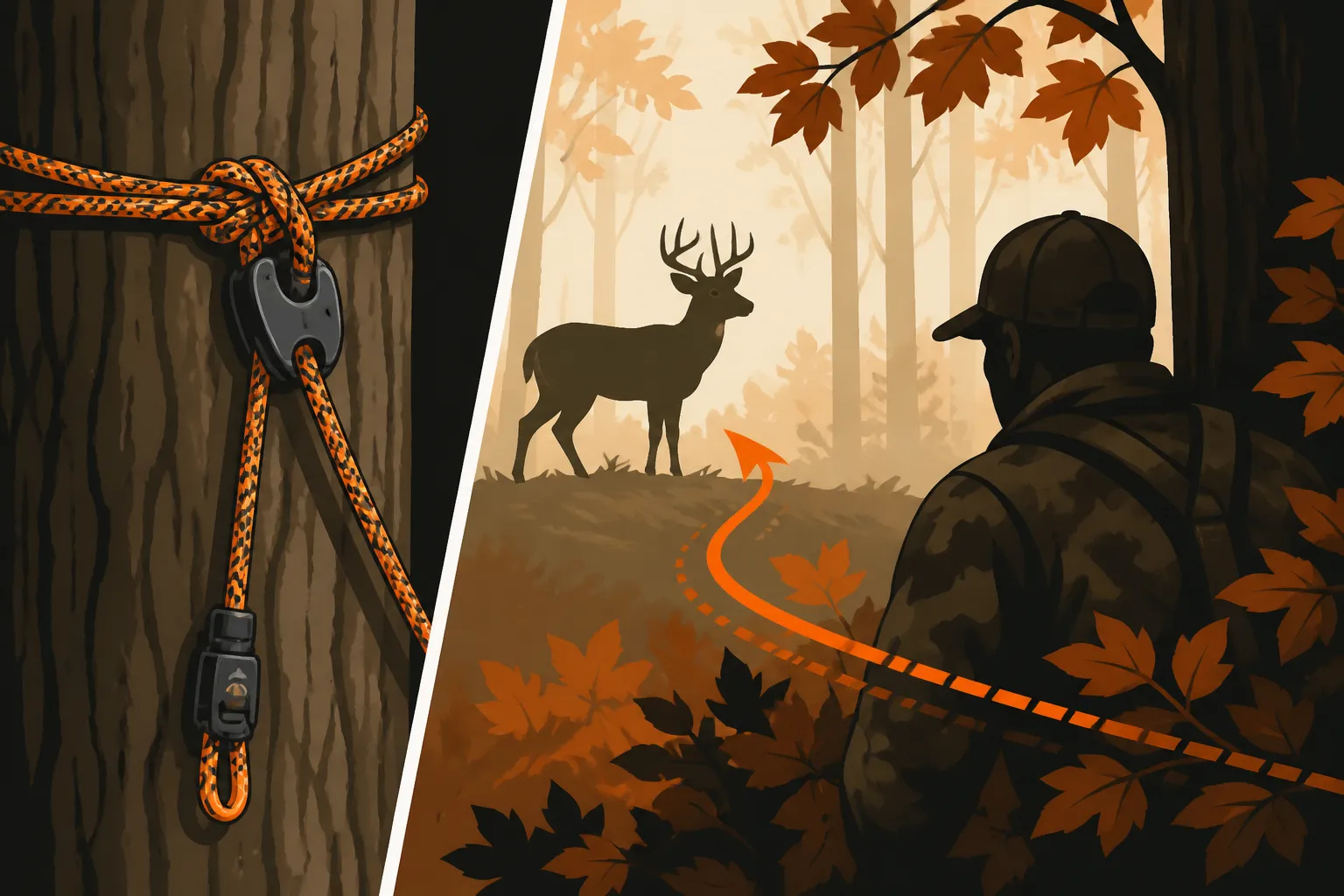
A jerk cord, at its core, is a length of line with several decoys attached, designed to be pulled by a hunter to create splashing and movement. The basic setup usually involves a main line, often heavy-duty braided or monofilament, stretched across a portion of your decoy spread. Along this main line, you'll attach droppers – shorter lines with clips – to which you connect your desired decoys. One end of the main line is typically anchored to a tree or a weighted anchor, and the other end runs back to your blind or hunting position, allowing you to pull it.
When you pull the cord, the decoys attached to it surge forward, splash, and then drift back to their original position. This mimics the splashing, feeding, and preening of live ducks. You can control the intensity and frequency of the motion, from subtle ripples to aggressive splashes, depending on how the ducks are reacting. It's incredibly effective because it directly addresses the static problem by introducing lifelike, hunter-controlled movement that looks entirely natural. This dynamic element can be the difference-maker, especially when ducks are circling overhead, trying to decide if your setup is the real deal.
Choosing the Right Gear for Timber
Selecting the right components for your jerk cord is essential for durability and effectiveness in the often-abrasive timber environment.
- Line: Braided fishing line, like 80-100 lb test, is a popular choice for the main line due to its strength, low stretch, and resistance to abrasion from submerged branches and bark. However, heavy-duty monofilament or even specialized decoy cord can also work. The key is something that won't snap under tension or fray easily when dragged against wood.
- Dropper Lines: Shorter, lighter line (e.g., 40-60 lb monofilament) with swivels or quick-clips for easy decoy attachment. Some hunters prefer heavy-duty rubber bands or bungee material for droppers; these add a little stretch, which creates a more natural, delayed "snap back" motion after you release the cord.
- Decoys: Don't just grab any decoys. Lightweight, buoyant decoys respond best to a jerk cord. Standard plastic mallards are a great start, but mixing in a few pintails, widgeon, or even an active feeder-style decoy can add more variety to your motion. You want decoys that move freely and create a good splash. If you're looking for high-quality, durable decoys that stand up to timber abuse, checking out resources like GoHunt can help you find options designed for serious waterfowlers. Their selection often includes lightweight models that are perfect for jerk cord applications.
- Anchors: A heavy lead weight (2-5 lbs), a brick, or a sandbag for the fixed end of the main line. In many Green Timber Duck Hunting in Arkansas scenarios, you can simply tie the fixed end securely to a standing tree.
- Bungee Cord: Incorporating a short section (1-3 feet) of bungee cord into the main line, near the anchored end, provides resistance. This bungee allows the decoys to stretch further, then snap back more naturally when you release the tension, enhancing the realistic effect.
A well-chosen setup will be durable, easy to deploy, and most importantly, highly effective at bringing in those wary timber ducks.
Strategizing Your Jerk Cord Setup in Arkansas Timber
Deploying a jerk cord isn't just about throwing it out there. Thoughtful placement and operation can significantly amplify its effectiveness, turning hesitant birds into committed decoys.
Optimal Placement for Maximum Impact
The goal is to create a focal point of activity that draws ducks into your desired shooting zone. Think about your "kill hole" – that open patch of water where you want ducks to land.
- Across the Kill Hole: A common and effective strategy is to run the main line across the mouth of your kill hole. As you pull the cord, the decoys surge into the open water, drawing attention and acting as a welcoming committee. This is particularly effective for mimicking ducks actively feeding in a prime landing spot.
- Along the Edge of the Spread: Running a jerk cord along one edge of your main decoy spread can create the illusion of a separate group of feeding birds. This adds depth and realism, making your entire spread appear larger and more active.
- In a Secondary Pocket: If you have a larger hole with multiple pockets of water, consider putting a jerk cord in a secondary pocket slightly away from your main landing zone. This gives the impression of multiple groups of contented ducks, making your area seem incredibly safe and inviting. When Setting Decoys in Timber Holes, always visualize the flight path of approaching ducks and place your cord where it will be most visible and enticing from their perspective. Remember that ducks typically try to land into the wind, so position your motion where they will see it most clearly on their final approach.
Mimicking Natural Duck Behavior
Operating the jerk cord effectively is an art. It's not just about constant pulling; it's about mimicking real duck behavior.
- Vary the Rhythm: Ducks don't splash constantly. They feed in bursts, preen, then feed again. Vary your pulls – short, sharp jerks for splashing, followed by periods of stillness, then a longer, slower pull to create a gentle ripple. Watch how real ducks behave on the water and try to replicate that.
- Create a Landing Strip: When ducks are circling, a few aggressive splashes can act as a beacon, signaling "come here!" As they commit, you can soften your motion to gentle ripples, indicating comfort and safety for them to land.
- Targeted Splashes: If you see a group of ducks looking away or hesitating, a well-timed, vigorous pull can grab their attention and turn their heads. This is especially useful for redirecting birds that might be looking at static decoys or showing signs of wanting to leave. The movement will catch their eye and direct them back to your Setting Up on a Canopy Opening.
Combining Jerk Cords with Other Motion Decoys
While a jerk cord is powerful on its own, it can be even more effective when used in conjunction with other motion decoys, depending on local regulations.
- Spinning Wing Decoys (SWD): If legal in your hunting area (Arkansas has specific rules about SWDs, so always check the latest regulations), an SWD placed strategically can be a deadly combination. The vertical motion and flash of an SWD grabs attention from afar, while the jerk cord provides that crucial, close-range, horizontal water motion that seals the deal. The combination offers both long-distance attraction and close-in realism.
- Water-Activated Pulsators: These subtle devices create a realistic ripple effect, mimicking a feeding duck's head bobbing up and down. When paired with a jerk cord, they add another layer of natural movement without requiring constant hunter interaction. These can be particularly effective on those calm, still mornings where every ripple counts.
- Simple String-Pulled Decoys: For adding even more controlled motion, consider setting up a few individual decoys with light lines running back to your blind. You can then gently twitch these lines, making a single decoy dive or preen. This complements the broader action of the jerk cord by adding hyper-realistic, individualized movements. Resources like GoHunt often carry these specialized motion decoys that can really round out your spread.
By thoughtfully integrating a jerk cord into your overall decoy strategy, you'll create a dynamic, lifelike spread that will make even the wariest timber mallards think twice about flying past.
Troubleshooting Common Jerk Cord Challenges
While jerk cords are fantastic, hunting in flooded timber isn't always smooth sailing. You're dealing with varying water depths, submerged obstacles, and sometimes, stubborn ducks. Knowing how to troubleshoot common issues can save your hunt.
Dealing with Snags and Tangled Lines
The very environment that makes timber hunting so magical – those dense trees and underwater structure – can also be a headache for jerk cords. Snags are almost inevitable.
- Prevention is Key: Before setting up, take a moment to look for submerged logs, stumps, or dense brush where your line might get hung up. Try to route your main line over clearer water or use a longer anchor line to keep the main cord higher off the bottom. When you're Entry Routes Through Flooded Timber, be mindful of where you're dragging your feet and potentially snagging your cord. Using a heavier main line can also help it sink slightly and avoid surface debris, while its stiffness can make it less prone to tangling.
- Strategic Decoy Placement: Don't overload your jerk cord with too many decoys if you're in a super brushy spot. Fewer decoys with good spacing will reduce the chance of them wrapping around branches as they move.
- Careful Retrieval: When retrieving your jerk cord at the end of the hunt, do so slowly and deliberately. This gives you time to identify and free any snags before they become full-blown tangles. A small, retractable grappling hook or even a sturdy stick can be handy for freeing a snagged line.
- Carry Spares: Always have extra dropper lines and clips. It’s not uncommon for a line to fray or a clip to break, and having replacements means you can quickly get back to hunting.
Adjusting for Water Depth and Current
Arkansas's flooded timber can present wildly different water conditions, even within a single WMA. You might go from knee-deep to waist-deep in a few yards, and sometimes there's a subtle current, especially after heavy rains or in areas influenced by larger rivers like the White River. Understanding Reading Water Levels on the White River and how they affect the timber is critical for successful decoy deployment.
- Water Depth: If the water is very shallow, your decoys might drag on the bottom or get caught on low-lying debris. Consider using fewer decoys on the cord or shortening your dropper lines. In deeper water, you might need slightly longer droppers to ensure your decoys ride naturally and don't look like they're just skimming the surface. A bungee section on the main line helps absorb some of these depth inconsistencies.
- Current: Even a slight current can make your decoys drift downstream, making it harder to get them to snap back effectively. If there's a noticeable current, consider angling your jerk cord slightly upstream or using a heavier anchor weight to keep the fixed end more secure. You might also need to use more aggressive, shorter pulls to get the desired motion against the current. Sometimes, letting the current do some of the work, and only using the cord to add a sudden splash, is the most natural approach.
When Ducks Ignore the Motion
Despite your best efforts, sometimes ducks just don't seem to care about your perfectly executed motion. This can be frustrating, but it's rarely the jerk cord's fault entirely.
- Too Much Motion: On very calm days, or with extremely pressured birds, too much aggressive splashing can actually scare ducks. They might interpret it as ducks fighting or being alarmed. Start with subtle, gentle ripples, then increase the intensity if the birds respond positively. Think of it as a conversation: you start soft, then get louder if they don't hear you.
- Not Enough Motion: Conversely, on a windy day, a very subtle jerk might get lost in the natural chop. You'll need more assertive pulls to make your motion visible and convincing.
- Beyond the Motion: If ducks are consistently ignoring your motion and your calls, it might be something else. Are you hidden well enough? Is your calling sounding authentic for Calling Ducks in Tight Arkansas Timber? Is your spread too dense or too sparse? Are you Hunting Timber on a Bluebird Day when birds are extra wary? Sometimes, ducks just aren't flying, or they've seen too many hunters. Don't be afraid to experiment. Try reducing your decoy numbers, changing your calling cadence, or even trying a period of complete silence to see if a change in approach makes a difference.
No single tactic guarantees success, but a jerk cord significantly increases your odds by adding a layer of realism that static decoys simply can't match. Mastering its use means more ducks cupped in the timber.
| Jerk Cord Setup Type | Pros | Cons | Best Use Case |
|---|---|---|---|
| Simple Static Anchor | Easy to set up, minimal gear. | Limited motion, requires hunter interaction. | Beginners, calm water, less pressured birds. |
| Bungee Enabled | More natural snap-back, better splash. | Slightly more complex setup. | All-around, more realism, active feeders. |
| Multiple Decoys/Lines | Max realism, covers wider area. | Prone to tangles, more gear to carry. | Large spreads, high-pressure areas, experienced users. |
Disclaimer
Hunting is an inherently dangerous activity. Always prioritize safety, follow all local, state, and federal hunting regulations, and ensure you have the appropriate licenses and permits, such as those covered in the article on Arkansas Hunting Licenses and What They Cost. The information provided here is for educational purposes and should not replace proper training or expert guidance. Be aware of your surroundings, practice ethical hunting, and respect wildlife.