Arkansas Youth Turkey Hunt Dates
Trying to figure out the specific dates for youth turkey hunts in Arkansas can feel like navigating a maze of regulations, especially when you’re just trying to plan a special trip with the younger hunters in your life. It’s frustrating when you want to introduce kids to the thrill of spring turkey season, but the dates aren't always front and center, leaving you wondering if you’re even in the right window. This guide aims to clear up all that confusion, giving you a clear rundown of the youth turkey hunt dates, rules, and tips to make your outing successful and memorable.
Understanding Arkansas Youth Turkey Season Dates
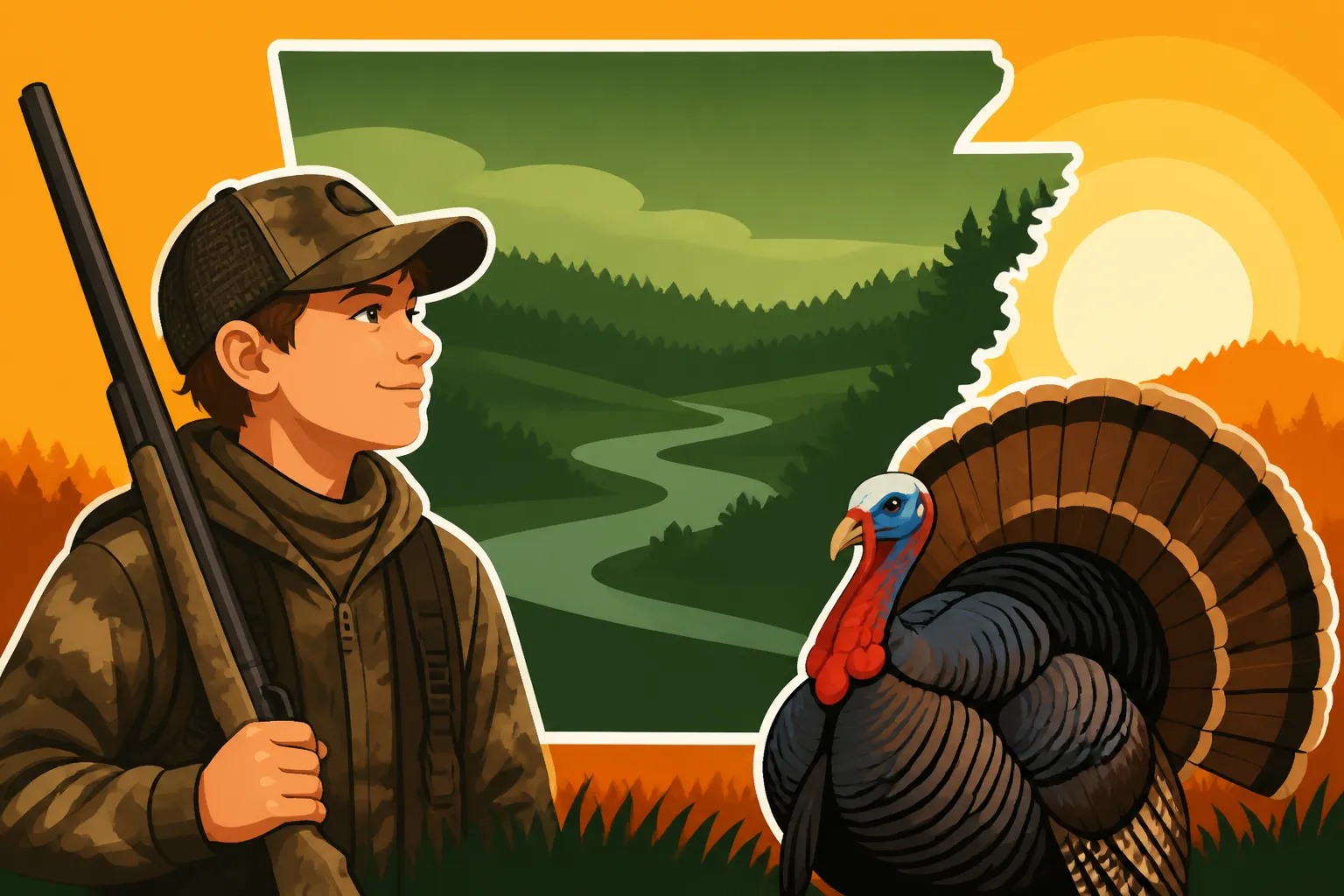
The Arkansas Game and Fish Commission (AGFC) makes a conscious effort to provide dedicated opportunities for youth hunters, and the spring turkey season is no exception. They typically set aside a special weekend before the general statewide season opens. This dedicated time is a fantastic chance for young hunters, typically those under 16, to get out in the woods without the added pressure of adult hunters competing for the same birds. It’s a wonderful way to foster a love for hunting and the outdoors in a controlled, educational environment.
Why Dedicated Youth Weekends Matter
The idea behind these youth-only weekends is truly brilliant. Imagine trying to call in a gobbler with a seasoned hunter at your side, but also knowing that dozens of other experienced hunters are in the woods on opening day. That’s a lot of competition! By contrast, the youth weekend drastically reduces the overall hunting pressure, making it much easier for young hunters to have a realistic chance at success. This dedicated time allows mentors to focus entirely on the youth's experience, teaching them about scouting, calling, safety, and shot placement without the urgency of a general season opener. It’s all about creating positive, low-stress memories that can last a lifetime.
Typically, the Arkansas youth turkey season dates fall on the weekend immediately preceding the statewide general spring turkey opener. For instance, if the general season starts on a Monday, the youth hunt would be the Saturday and Sunday before. This pattern is fairly consistent year to year, providing a predictable window for planning. However, always double-check the current year's official AGFC regulations, as dates can shift slightly. You can find more detailed information on the overall framework in our guide to Arkansas Spring Turkey Seasons and Limits.
Official Dates and Zone Considerations
Arkansas typically runs its spring turkey season across different zones, and while the youth hunt usually has a unified statewide date, it’s always smart to be aware of the broader zone structure. The AGFC simplifies things for youth, but understanding the general zone boundaries, such as those covered in Arkansas Spring Turkey Zones, can help in planning future hunts or understanding regional variations.
The youth hunt usually runs for two days, often a Saturday and Sunday. During these days, specific bag limits apply to youth hunters, which are generally the same as the statewide limits per youth hunter. It's crucial that any accompanying adult who is not youth-eligible does not carry a firearm or hunt during this dedicated youth period; their role is strictly supervisory and instructional. This ensures the integrity of the youth-only designation.
Regulations and Requirements for Youth Turkey Hunters
Navigating the regulations can feel a bit daunting, even for experienced hunters, let alone for those guiding a youngster. But don't worry, the rules for youth turkey hunting are designed to be straightforward, prioritizing safety and a positive experience. Understanding these specific requirements – from licensing to hunter orange – is crucial for a lawful and enjoyable hunt.
Licensing and Hunter Education Requirements
For young hunters under 16, the licensing requirements are often simplified, which is a huge relief for parents and mentors. Generally, youth hunters under 16 are exempt from needing a hunting license and state turkey stamp. However, if they are 16 or older, they will need the appropriate licenses and stamps. Even if a license isn't required, all youth hunters must have completed an approved hunter education course, or be hunting under the direct supervision of a licensed adult who is at least 21 years old and has completed hunter education (or is exempt). This is a critical safety measure, and you can learn more about it in our comprehensive guide on Arkansas Hunter Education and Safety Rules.
It’s always a good practice to carry proof of age for the youth hunter, such as a birth certificate or state ID, especially if they are close to the age cutoff. While the AGFC typically provides leeway, having documentation can prevent any potential misunderstandings with game wardens in the field. Tools like the GoHunt app can also be invaluable for quickly checking regulations or carrying digital copies of necessary documents.
Bag Limits and Checking Your Harvest
Just like adult hunters, youth hunters have specific bag limits they must adhere to. During the youth-only weekend, the bag limit is usually one gobbler for the entire weekend, and this bird counts towards their annual statewide bag limit (which is typically two gobblers for the spring season). This means if a young hunter harvests a bird during the youth weekend, they would only be eligible to harvest one more gobbler during the remainder of the general spring season.
Harvest checking is mandatory for all turkeys taken in Arkansas. After a successful hunt, the turkey must be checked online via the AGFC website or app, or by phone, by the end of the day of harvest. It’s important to familiarize yourself with this process beforehand, as details like the county of harvest and WMA (if applicable) will be required. This data is vital for wildlife management, helping the AGFC understand turkey populations, as discussed in Arkansas Turkey Population Trends. Make sure the youth hunter is involved in this process; it’s an important part of responsible hunting.
Safety and Equipment Considerations
Safety is paramount, especially when hunting with youth. Ensure that the young hunter is proficient with their chosen firearm – typically a shotgun – and understands its operation thoroughly. Practicing at a shooting range well before the season is non-negotiable. Hearing and eye protection should be worn during practice and when shooting in the field.
Hunter orange rules in Arkansas are generally waived during the spring turkey season, as turkeys have excellent color vision. However, it’s still critical to exercise extreme caution. Never assume movement is a turkey. Positively identify your target and what is beyond it. Many mentors opt for a ground blind when hunting with youth, as it offers concealment, comfort, and a safer, more stable shooting platform. This also allows the youth to move more freely, without the need for constant stillness, which can be challenging for younger hunters. This setup also makes it easier to set up properly, like when Setting Up Against a White Oak.
Preparing for a Successful Youth Turkey Hunt
Preparation is the cornerstone of any successful hunt, and it's even more critical when introducing youth to the sport. The more you plan, scout, and teach beforehand, the higher the chances of a positive experience, regardless of whether a bird is harvested. Remember, the goal isn't just a kill; it's to foster a lifelong passion for the outdoors and ethical hunting.
Pre-Season Scouting and Location Choices
Before the youth hunt dates arrive, put in the legwork. Pre-season scouting is invaluable for locating potential roosting sites, strut zones, and travel corridors. Look for fresh turkey tracks, droppings, and scratch marks in fields or along logging roads. Listening for gobblers on the roost in the weeks leading up to the season can give you a massive advantage. Knowing where birds are frequently heard or seen can dramatically reduce the amount of walking and waiting a young hunter has to endure on hunt day, keeping their spirits high.
Public lands, like national forests and some WMAs, offer excellent opportunities. While WMAs might see more pressure, some less accessible spots can still hold birds. If you have private land access, that’s often ideal due to lower pressure. Tools like GoHunt or other mapping apps can help you identify prime scouting locations, analyze terrain, and pinpoint potential ambush spots. Our guide on Scouting Arkansas Public Land Before Season offers fantastic advice that applies just as well to youth hunts. Look for areas with a good mix of mature timber for roosting, open fields or clearings for strutting, and water sources.
Essential Gear and Comfort
Bringing the right gear can make or break a youth hunt. Beyond the shotgun and ammunition, think about comfort. A comfortable seat or ground blind is paramount. Youngsters aren't known for their ability to sit perfectly still for long periods, so minimizing discomfort helps immensely. Dress in layers, as spring mornings can be chilly but afternoons can warm up quickly. Camouflage clothing is essential for blending in.
Don't forget bug spray, especially as ticks and mosquitoes become active in spring. Plenty of water and snacks are a must – hungry kids lose focus quickly. A small backpack for the youth to carry their own essentials instills a sense of responsibility. Also, consider bringing a small first-aid kit, a headlamp, and a fully charged cell phone for emergencies. If you're utilizing a ground blind, remember to set it up quietly and well in advance of daylight, ensuring it's brushed in for maximum concealment.
Mentoring and Teaching in the Field
The youth hunt is primarily a teaching opportunity. Be patient, explain every step, and let the young hunter participate in decisions. Teach them about turkey vocalizations, how to use calls, and the importance of silence and stillness. Discuss ethical shot placement before you even get in the woods. Show them how to identify a legal gobbler, paying attention to beard length and spur size.
The actual hunting experience itself is a fantastic classroom. If you're calling, explain why you're making certain sounds and what you expect in return. If a gobbler responds, describe its likely approach. If a shot opportunity doesn't arise, or if a bird is missed, emphasize that it's all part of hunting. Focus on the beauty of the sunrise, the sounds of the woods, and the shared experience. This approach ensures that even without a harvest, the youth walks away with valuable knowledge and cherished memories.
Here's a quick reference table for the typical youth hunt structure:
| Category | Typical Rule/Date (Always Confirm Annually) | Details |
|---|---|---|
| Season Dates | Weekend prior to general statewide opener | Usually Saturday and Sunday. Example: late March/early April. |
| Eligibility | Hunters under 16 years of age | Accompanied by a licensed, non-hunting adult (21+). |
| License/Stamps | Not required for under 16 | Youth 16+ need appropriate licenses. Hunter Ed required or direct adult supervision. |
| Bag Limit | One (1) gobbler for the weekend | Counts toward annual statewide bag limit (typically two total gobblers for spring). |
| Weapon | Legal firearms (shotguns) and archery | Must comply with all legal methods for turkey hunting. |
| Hunter Orange | Not required during spring turkey season | Extreme caution advised. Positive target ID is critical. |
| Harvest Check | Mandatory by end of harvest day | Check online or via AGFC app/phone. Involve the youth in the process. |
| Adult Participation | Supervisory only | Accompanying adult cannot carry a firearm or hunt during youth weekend. |
Remember, teaching a young hunter about the nuances of calling, like how Calling Arkansas Gobblers in the Ozarks might differ from calling in the Delta, adds immense value to their experience. Or explaining the different approaches when Hunting Gobblers in the Late Morning versus early hours. Every detail is a learning opportunity.
Beyond the Hunt: Instilling Conservation Values
A youth turkey hunt is more than just trying to bag a bird; it’s an incredible chance to instill deep-seated conservation values and an appreciation for wildlife management. When we take kids into the woods, we’re not just teaching them to hunt; we're teaching them to be stewards of the land and its resources. This goes far beyond the excitement of calling in a gobbler.
Understanding Wildlife Management and Habitat
Take the time to explain why certain regulations exist. Discuss the concept of bag limits and how they help manage turkey populations, preventing overharvest and ensuring healthy breeding stock for future generations. Talk about habitat – what turkeys need to thrive, from roosting trees to food sources and nesting cover. If you encounter signs of poor habitat or environmental challenges, use it as a teaching moment. Point out how forest management practices or agriculture can impact wildlife.
The AGFC's work in monitoring populations, setting seasons, and managing public lands like WMAs is all part of a larger conservation effort that ensures hunting opportunities remain viable. When discussing topics like Why Arkansas Bans Bearded Hen Harvest, you can delve into the biological reasons for protecting hens and the importance of reproduction for population stability. This deeper understanding fosters respect for the resource and encourages responsible participation.
Ethical Hunting and Respect for Game
Emphasize ethical hunting practices at every turn. This includes not only safe shooting and positive target identification but also respect for the animal after the harvest. Discuss the importance of a clean kill and quick recovery. After a successful harvest, involve the youth in the field dressing process (if they are comfortable). Explain how to properly care for the meat and why it's important to utilize as much of the animal as possible.
This respect extends to other hunters and landowners. Teach them about courtesy, quietness, and how to interact respectfully with anyone else you might encounter in the woods. If hunting on private land, reinforce the importance of leaving gates as you found them, not littering, and expressing gratitude to the landowner. These are the soft skills that make a well-rounded and respected hunter.
Reflecting on the Experience
Win or lose, take time after the hunt to reflect on the experience with the youth hunter. Talk about what went well, what could have been done differently, and what you both learned. Did you hear other birds? Did you spot other wildlife? Even if no turkey was harvested, there were undoubtedly countless moments of connection with nature.
Encourage them to share their experiences with others, spreading positive messages about hunting and conservation. Consider journaling about the experience or looking back at photos. These reflections cement the memories and reinforce the lessons learned. A successful youth hunt isn't solely about the bird in hand, but the development of a young conservationist's heart and mind.
Disclaimer
Please remember that hunting regulations, season dates, and license requirements are subject to change. Always consult the most current Arkansas Game and Fish Commission (AGFC) regulations guide or website before planning and executing any hunting trip. This article is intended for informational purposes only and does not constitute legal advice or an official endorsement of any hunting method or product. Adherence to all local, state, and federal laws is the responsibility of the individual hunter.