Feeding Deer in Arkansas
It's a natural instinct, isn't it? You see deer, whether on your property or just passing through, and there's a part of you that wants to help them out, especially when times get tough with natural food sources. Or maybe you're a hunter, and you're just looking for that extra edge to keep deer on your land. But in Arkansas, what seems like a simple act of kindness or a smart hunting strategy can quickly land you in hot water. This guide is here to untangle the often-confusing web of regulations around feeding deer in the Natural State, so you can avoid penalties and truly help the deer population thrive, responsibly.
The Frustration of Wanting to Help (or Attract) Deer
Let's be honest, the urge to feed deer comes from a good place for most people. We love wildlife, and there’s a certain satisfaction in providing for animals, especially when you feel like they could use a little boost. For hunters and landowners, the desire can be even stronger, tied to managing a healthy deer herd or simply increasing observation opportunities. It feels almost counterintuitive that what seems like a benign act could be problematic.
Why Hunters and Landowners Consider Feeding
Many folks initially think about feeding deer for a variety of understandable reasons. Perhaps they’ve noticed a dip in natural forage during a harsh winter or a dry summer, and they want to supplement the deer’s diet to ensure their survival and health. There's a common belief that a little extra protein or corn can help bucks grow bigger antlers, or help does carry healthier fawns. It’s also incredibly rewarding to watch deer up close, and a feeder can be a surefire way to bring them right into your backyard or within sight of a trail camera. For the hunter, the idea of consistently drawing deer to a particular spot is undeniably appealing, making scouting easier and increasing the chances of a successful harvest.
However, this well-intentioned desire often runs head-first into complex wildlife management principles. What seems like a simple solution can actually create a host of unintended consequences that can negatively impact the deer herd and the broader ecosystem. It's a classic example of how sometimes, stepping back and letting nature take its course, or assisting nature in a different way, is actually more beneficial in the long run.
The Unseen Dangers of Artificial Feeding
While your heart might be in the right place, artificial feeding carries significant risks that aren't immediately obvious. One of the biggest concerns is the potential for disease transmission. When deer congregate around a feeder, they’re essentially sharing a common eating area, which creates a perfect scenario for the rapid spread of illnesses like Chronic Wasting Disease (CWD), tuberculosis, or even common parasites. It’s like sending a bunch of kids to kindergarten; they’re all going to bring home a cold. For deer, it can be much more serious.
Beyond disease, feeding can drastically alter natural deer behavior. Deer are naturally wary and spread out, foraging widely to avoid predators and maximize nutrient intake from diverse sources. A feeder, however, can make them dependent on a single, often nutritionally imbalanced, food source. This can lead to localized overpopulation, stressing the natural habitat, and even making deer less wary of humans, which isn't safe for either the deer or people. Plus, it can disrupt their natural migration and foraging patterns, impacting their long-term survival skills. It's a slippery slope from supplementing to creating dependency, and that's something the Arkansas Game and Fish Commission (AGFC) takes very seriously.
Arkansas's Official Stance on Feeding Deer
Navigating the rules and regulations for deer hunting in Arkansas can feel like trying to solve a puzzle with a blindfold on, and feeding deer is one of those pieces that often trips people up. The Arkansas Game and Fish Commission (AGFC) has clear guidelines, but they're nuanced, especially depending on where you are in the state. Generally, Arkansas takes a pretty firm stance against direct feeding, especially when it comes to attracting deer for hunting purposes.
General Rules Against Direct Feeding
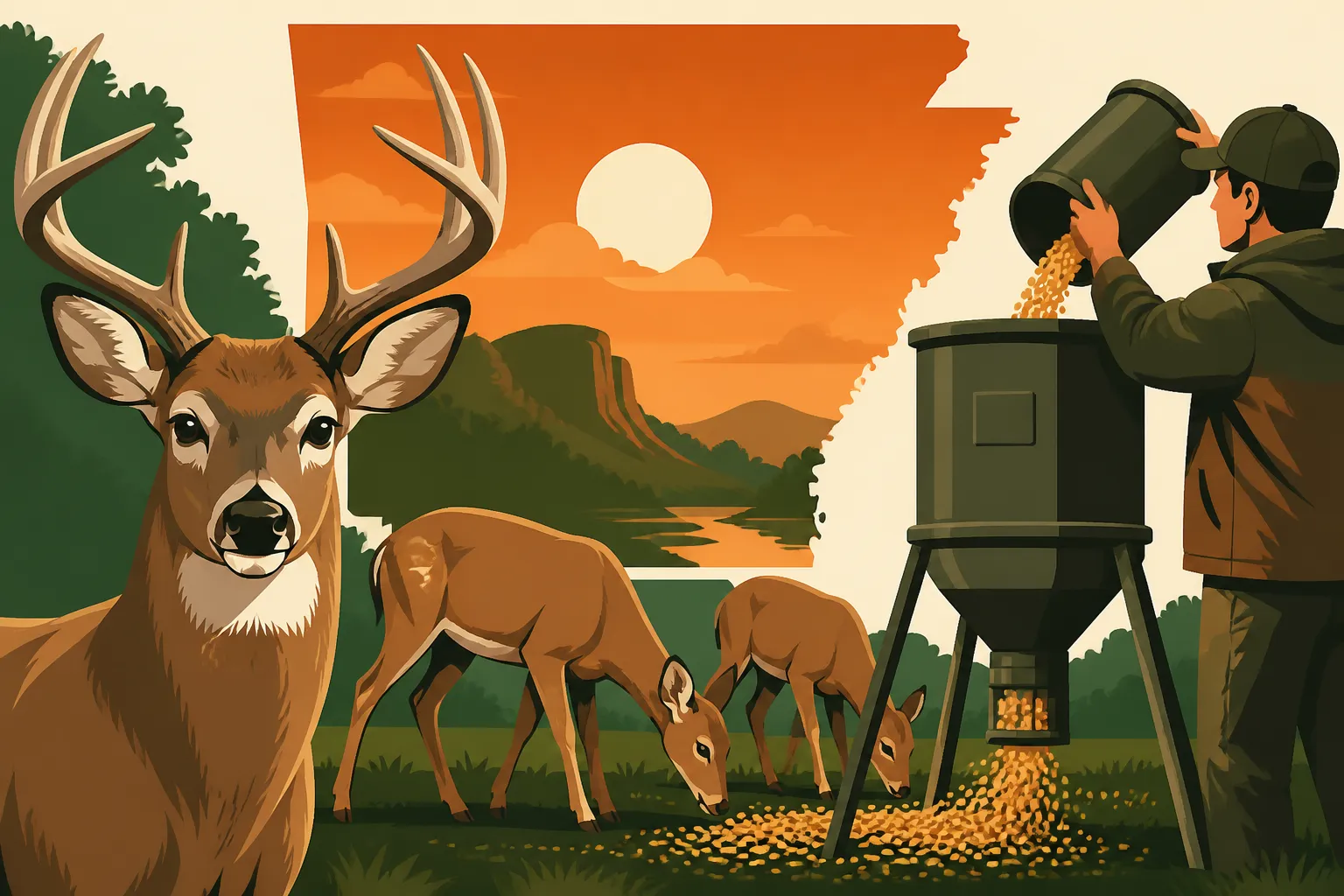
The overarching rule in Arkansas is quite straightforward: it is illegal to bait or feed deer when hunting. But what does "baiting" really mean? According to the AGFC, baiting includes placing, exposing, depositing, distributing, or scattering salt, grain, or other feed that entices or attracts game. This isn't just about corn piles; it can extend to mineral blocks, protein pellets, or any other foodstuff placed specifically to draw deer in. The goal of this rule is to maintain fair chase principles and prevent the concentration of deer, which, as we discussed, has significant disease implications. You can't just throw out a bag of corn and expect it to be legal for hunting over, period. Even if you're not actively hunting over it, having bait out can still be considered an illegal attractant if it's placed in a manner that could reasonably be expected to attract deer to a specific area for hunting. For more details on overall regulations, check out the comprehensive guide on Arkansas CWD Rules and Carcass Transport.
This prohibition is in place to ensure that hunters are pursuing wild animals using skill, scouting, and woodsmanship, rather than relying on a pile of food. It also helps manage the health of the herd by discouraging congregation. The AGFC is pretty vigilant about enforcing these rules because they understand the long-term impact on the state's deer population. If you're ever in doubt, it's always best to err on the side of caution and assume that anything that could be construed as bait is off-limits.
Understanding the CWD Zone Impact
If you thought the general rules were strict, welcome to the CWD Zone, where the regulations around feeding deer become even more stringent. Chronic Wasting Disease is a serious, fatal neurological disease affecting deer, elk, and moose. It's caused by abnormal proteins called prions that can remain infectious in the environment for years. Because CWD spreads most effectively when animals congregate and exchange saliva, urine, and feces, any activity that artificially concentrates deer is heavily restricted in these areas.
In Arkansas's CWD Management Zone, all baiting and feeding of wildlife are prohibited year-round. This isn't just about hunting season; it's a 365-day ban. This means no corn, no protein pellets, no mineral blocks, no salt licks – nothing that could intentionally attract and congregate deer. This widespread prohibition is a critical tool in the AGFC's fight to contain and slow the spread of CWD. It's a tough pill to swallow for many, especially those who enjoyed setting out mineral blocks or other attractants, but the health of the entire deer herd is at stake. To see which areas are affected, consult the Arkansas CWD Counties List and make sure you're up to date on specific Baiting Rules in Arkansas CWD Zones. These rules are non-negotiable within the designated zones and carry significant penalties for violations.
Exceptions and Misconceptions
Despite the strict rules, there are some nuances and common misconceptions worth clarifying. One of the biggest points of confusion often revolves around food plots. Food plots, when managed for long-term nutritional benefit and not as a "bait site," are generally allowed and often encouraged by the AGFC as a habitat management tool. The key distinction is intent and scale: a food plot is typically a larger area planted with agricultural crops (like clover, wheat, or brassicas) designed to provide sustained forage over a period, integrating into the natural landscape. A bait pile, on the other hand, is usually a concentrated mound of high-energy food like corn, meant for immediate, short-term attraction. Utilizing tools like GoHunt can help you plan and map out effective food plot strategies that align with AGFC regulations, ensuring you're working within the legal framework while improving your land.
Another common question relates to incidental feeding, such as bird feeders in your yard. Generally, if you have a bird feeder or a garden that happens to attract deer, and you're not using it as a deliberate attractant for hunting, you're usually in the clear. The AGFC's primary concern is intentional feeding that concentrates deer for hunting or in a way that facilitates disease spread. However, if your bird feeder becomes a daily deer buffet in a CWD zone, it could become problematic. It's always about reasonable effort to not attract deer in a way that creates a high-risk scenario. When planning your hunting strategy, consider alternatives to direct feeding, like Reading Aerial Photos for Delta Deer or Scouting Arkansas Public Land Before Season to truly understand deer movement.
The Science Behind the Regulations: Why It Matters
It’s easy to feel frustrated by regulations that seem to restrict what you can do on your own land or make hunting harder. But the rules around feeding deer in Arkansas aren’t arbitrary; they’re deeply rooted in scientific understanding of deer biology, behavior, and disease ecology. When the AGFC implements these policies, they’re doing so based on years of research and observation, aiming to protect the long-term health and sustainability of the deer population.
Chronic Wasting Disease CWD Transmission
The specter of Chronic Wasting Disease (CWD) looms large over deer management across North America, and Arkansas is no exception. This fatal neurological disease, caused by infectious prions, is not a bacterial or viral infection in the traditional sense, which makes it particularly insidious and difficult to manage. CWD prions can persist in soil and plants for extended periods, meaning an area where an infected deer has congregated can remain a source of infection long after the animal is gone.
When deer gather at artificial feeders or mineral sites, they create a perfect storm for CWD transmission. They’re nose-to-nose, mouth-to-mouth, depositing saliva, urine, and feces directly onto the food source and the surrounding ground. This allows prions to transfer easily from an infected animal to a healthy one. Imagine a shared communal eating trough where everyone is sick – that’s essentially what a feeder becomes. This is why the year-round feeding ban in CWD zones is so critical. It's not about being inconvenient; it's about breaking the cycle of disease transmission and trying to prevent CWD from gaining a stronger foothold and spreading to new areas. Understanding Chronic Wasting Disease in Arkansas is key to appreciating these strict regulations.
Altering Natural Deer Behavior and Ecology
Beyond disease, artificial feeding fundamentally changes how deer interact with their environment and each other. Deer are naturally adapted to forage over wide areas, utilizing diverse food sources throughout the year. This natural dispersion helps prevent over-browsing in any one area and reduces competition. When a steady, artificial food source becomes available, deer will often abandon these natural patterns, congregating heavily around the feeder.
This congregation can lead to several ecological problems. Firstly, it can increase stress within the herd, as deer jostle for access to the food, leading to more aggressive interactions and sometimes even injury. Secondly, concentrating deer can make them easier targets for predators, as the predictable food source also attracts coyotes, bobcats, and even bears, altering the natural predator-prey balance. For more on predator management, see Predator and Furbearer Hunting in Arkansas. Lastly, it can create a localized overpopulation, where the surrounding natural habitat suffers from over-browsing, leading to a decline in natural forage and cover. This dependency also makes deer more vulnerable during periods when artificial feeding is stopped, as they may not have retained their natural foraging instincts or knowledge of diverse food sources. The goal of responsible wildlife management is to encourage strong, wild deer that thrive on their own terms, not animals dependent on human handouts. This principle also extends to how hunting is conducted, which is why methods like Deer Hunting With Dogs in Arkansas are carefully regulated.
Responsible Alternatives to Direct Feeding
So, if direct feeding and baiting are largely out, especially in CWD zones, what can a responsible landowner or hunter do to improve deer habitat and hunting opportunities? The answer lies in working with nature, not against it. Focusing on habitat management is a sustainable, effective, and legal way to attract and hold deer on your property, leading to a healthier herd and more rewarding experiences.
Enhancing Natural Habitat
Instead of pouring out a pile of corn, think about planting a diverse buffet of natural foods that deer already love and that provide sustained nutrition. This means looking at your property and identifying ways to improve the existing ecosystem. Consider timber stand improvement, which involves thinning certain trees to allow more sunlight to reach the forest floor, promoting the growth of native browse, forbs, and grasses that deer naturally prefer. Encouraging soft mast producers like persimmons and wild plums, or hard mast trees like oaks and hickories, can provide seasonal food sources that are far more beneficial than a single-source feeder. For example, understanding Reading Red Oak Acorn Drops can be a game-changer for attracting deer.
Creating or enhancing natural bedding cover is also crucial. Dense thickets, brush piles, and areas of regenerating timber offer deer security and a place to rest undisturbed. Water sources are another often-overlooked aspect of habitat management; ensuring reliable access to water, especially during dry periods, can be a major draw. Platforms like GoHunt offer detailed mapping tools and resources that can help you analyze your property's existing habitat, identify potential improvements, and plan out these long-term enhancements, ensuring you're making smart, informed decisions that benefit wildlife. For more insights into planning and mapping, exploring Scouting With the AGFC Map Tool can be incredibly useful.
Strategic Food Plot Management
Food plots are perhaps the most popular and effective alternative to baiting, offering a legal and ethical way to supplement deer diets and attract them to specific areas. However, as mentioned earlier, the distinction between a food plot and a bait site is critical. A successful food plot is typically larger than a bait site, planted with various crops designed to provide nutrition throughout different seasons. Common choices in Arkansas include clover, winter wheat, oats, brassicas, and soybeans, all selected for their nutritional value and palatability to deer.
The key to food plot success isn't just planting; it's managing them effectively. This includes soil testing, proper fertilization, and selecting the right seed varieties for your soil type and climate. Position your food plots strategically, considering prevailing winds, access points, and proximity to bedding areas. A well-placed food plot can provide consistent forage and create natural travel corridors for deer. Using scouting tools and aerial photos, like those described in Finding Arkansas Property Lines and Hunting Arkansas Cutovers and Clearcuts, can help you identify ideal locations for plots. While direct feeding concentrates deer at an unhealthy point, well-managed food plots spread deer out across a larger area, reducing the risk of disease transmission and promoting natural foraging behaviors. GoHunt, for instance, provides valuable mapping overlays and data to help you select the best locations and manage your food plots effectively, maximizing their benefit to your deer herd.
Mineral Supplements and Salt Blocks with caveats
This is where things can get a bit tricky and are often a source of confusion. While feeding corn or protein pellets is broadly prohibited, especially in CWD zones, the rules surrounding mineral supplements and salt blocks have some specific nuances. Generally, placing mineral supplements or salt blocks specifically for the purpose of attracting or hunting deer falls under the baiting prohibition in Arkansas, particularly in CWD zones where such attractants are banned year-round. The intent behind placing them is what the AGFC often scrutinizes.
However, there's a distinction for livestock purposes. If you are a bona fide livestock owner and have salt blocks or mineral supplements out for your cattle or other domestic animals, and deer happen to visit them, that's typically not considered a violation. The key here is that the primary purpose is for livestock, and it's not being used as a deliberate attractant for hunting deer. It's a fine line, and if you're not a livestock owner, it's safer to avoid placing any mineral blocks or salt licks, especially if your intent is to attract deer. Always double-check the latest AGFC regulations, as these rules can change, particularly with evolving CWD management strategies. For those interested in how nutrition impacts deer, understanding factors like Why Delta Bucks Grow Bigger can shed light on the importance of natural forage. In summary, if you're not a farmer or rancher with legitimate livestock, it's best to steer clear of these types of attractants to avoid any legal issues, particularly in CWD zones.
Here’s a quick overview of the differences between common practices related to deer feeding in Arkansas:
| Practice | Description | Legality (Arkansas) | Primary Impact on Deer |
|---|---|---|---|
| Direct Feeding (Baiting) | Placing corn, pellets, or other concentrated food in piles to attract deer. | Illegal for hunting. Prohibited year-round in CWD Zones. | Increases disease transmission risk, alters natural behavior, creates dependency, fair chase issues. |
| Mineral/Salt Blocks | Placing blocks of minerals or salt to supplement deer diet. | Generally prohibited if intended to attract deer for hunting. Illegal year-round in CWD Zones. Legal for livestock use only. | Attracts deer, increases congregation, potential disease risk, fair chase issues. |
| Food Plots | Planting agricultural crops (clover, wheat, brassicas) over larger areas for long-term forage. | Generally legal and encouraged. Must be for sustained forage, not a concentrated bait site. | Provides year-round nutrition, improves habitat, spreads deer out, enhances overall herd health. |
| Habitat Improvement | Enhancing natural forage (mast trees, browse), creating cover, improving water sources. | Legal and highly encouraged. Best practice for sustainable deer management. | Supports natural behaviors, provides diverse nutrition, increases carrying capacity, boosts survival. |
| Incidental Feeding | Bird feeders or gardens that inadvertently attract deer (not intended for hunting). | Generally not a violation, but exercise caution in CWD Zones if deer become highly concentrated. | Minimal to moderate, depending on concentration and location. |
Disclaimer
The information provided in this guide is for general informational purposes only and does not constitute legal advice. Hunting regulations, including those concerning feeding deer, are subject to change. It is the individual's responsibility to review and comply with all current Arkansas Game and Fish Commission (AGFC) regulations before engaging in any hunting or wildlife-related activities. Always consult the official AGFC regulations for the most up-to-date and accurate information.