Arkansas Quail Season Dates
Navigating the world of hunting seasons can feel like deciphering a cryptic puzzle, especially when you're keen on pursuing a specific game species like the elusive Bobwhite quail in Arkansas. Many hunters find themselves frustrated, sifting through pages of regulations, just trying to nail down exact dates and understand the nuances. This comprehensive guide is here to cut through that confusion, providing clear, in-depth information on Arkansas quail season dates, licensing, and practical tips to help you plan a successful hunt.
Navigating Arkansas Quail Season Dates
For those of us who cherish the explosive flush of a covey of quail, knowing precisely when and where we can pursue them is paramount. Arkansas, with its rich hunting heritage, maintains specific seasons for upland birds like the Bobwhite, balancing hunting opportunities with ongoing conservation needs.
General Season Framework
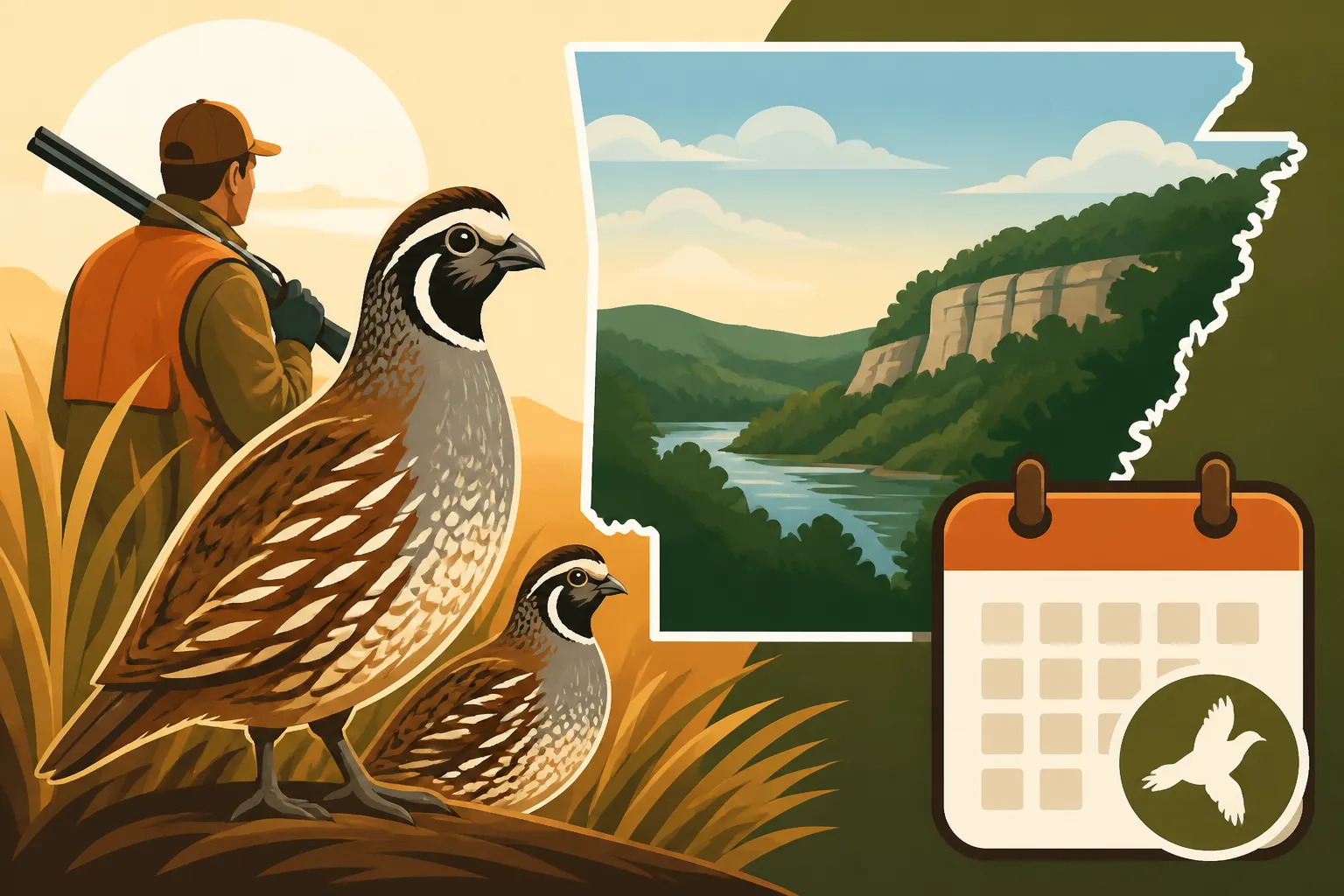
Typically, the Arkansas Game and Fish Commission (AGFC) sets the general quail season to open in early November and run through the end of January or early February. This timing is strategic, designed to coincide with cooler weather and after the majority of the year's hatch has matured, ensuring a sustainable harvest. For example, in recent years, the season has often kicked off around November 1st, extending until January 31st.
When you're out there, it’s crucial to remember the daily bag and possession limits. The daily limit is usually 6 quail, meaning you can harvest up to half a dozen birds in a single day. The possession limit, which refers to the maximum number of birds you can have on hand at any given time, including those at your camp or home, is generally twice the daily limit, or 12 quail. These limits are in place to prevent overharvest and support the slow but steady recovery of the population. Always double-check the current year's AGFC regulations booklet before heading afield, as these dates and limits can shift slightly from year to year based on population surveys and habitat conditions. Planning your trip requires careful attention to these details to ensure you’re hunting legally and ethically.
Youth Quail Season Opportunities
Arkansas is big on fostering the next generation of hunters, and that commitment often includes dedicated youth opportunities for various game species. While not always a separate, exclusive season like deer or turkey, the youth can participate in the general quail season under specific guidelines that encourage their involvement and safety. Often, young hunters (typically 15 years old and younger) can hunt during the regular season, but they must be accompanied by a licensed adult who is at least 18 years old. This adult is prohibited from hunting during the youth's specific activity but can carry a firearm.
The focus here is on mentorship and teaching proper hunting techniques, safety, and wildlife ethics. It’s an invaluable opportunity for seasoned hunters to share their passion and knowledge, guiding youngsters through the thrill of watching a good bird dog work and the excitement of a covey rise. These experiences are truly foundational, building a lasting connection to the outdoors and conservation. For specific rules regarding youth participation, particularly supervision requirements and whether the adult accompanying them can possess a firearm (but not hunt), a quick check of the current AGFC regulations or their website is always recommended.
The State of Arkansas's Quail Population
Understanding the season dates is just one piece of the puzzle. To be a truly informed hunter, it helps to know what's happening with the quail populations themselves. The Bobwhite quail story in Arkansas, much like across the broader Southeast, is one of challenges and dedicated efforts.
Historical Decline and Current Status
For many veteran hunters, the memory of abundant quail coveys is a fond, albeit increasingly distant, one. There's no sugarcoating it: Arkansas's Bobwhite quail population has experienced a significant decline over the past several decades. This isn't unique to our state; it's a trend observed across much of their traditional range. The reasons are complex and interconnected, but chief among them is extensive habitat loss and degradation.
Modern agricultural practices, which often prioritize large, monoculture fields and eliminate hedgerows, fence rows, and field borders, have removed critical nesting and brooding cover. The shift from diverse farming to large-scale operations has meant less early successional habitat – those weedy, brushy areas that quail absolutely depend on for food, shelter, and escape from predators. Furthermore, increased predator populations, like raccoons, opossums, and coyotes, thriving in altered landscapes, also put added pressure on quail nests and chicks. It’s a tough situation, and anyone who has spent time in the field chasing these birds can attest to how much harder it is to find a robust covey today. For a deeper dive, you can learn more about the specific factors in the Arkansas Bobwhite Quail Decline.
Conservation and Restoration Efforts
Despite the challenges, there's a strong commitment to bringing back the Bobwhite quail in Arkansas. The AGFC, along with numerous conservation partners like Quail Forever, is actively engaged in a variety of initiatives aimed at reversing the decline. These efforts primarily focus on habitat restoration and creation. Programs encourage landowners to implement quail-friendly practices, such as prescribed burning, disking, planting native grasses and wildflowers, and establishing diverse forest stands with open understories.
Several "quail focus areas" have been identified across the state where these intensive habitat management practices are concentrated, offering the best hope for establishing and expanding localized populations. These areas often receive targeted funding and expertise to ensure management efforts are effective. Hunters who want to contribute can look into programs that help fund these efforts through license purchases or direct donations to organizations dedicated to quail recovery. It’s a long road, but the dedication to these efforts provides a glimmer of hope for future generations of quail hunters. Dive into more details about these efforts with Arkansas Quail Restoration Efforts.
Essential Licenses and Regulations for Quail Hunters
Before you even think about stepping into the field for quail, you need to make sure your paperwork is in order. Hunting without the proper licenses and stamps is a surefire way to ruin a day and potentially incur hefty fines.
Required Licenses and Stamps
To hunt quail in Arkansas, both residents and non-residents need a valid hunting license. For residents, this typically means a Resident Sportsman's License or a Resident Annual Hunting License. Non-residents have options like the Nonresident Annual Hunting License or shorter-term licenses specifically for small game. It’s always best to figure out which license best fits your hunting plans. You can find detailed information on these requirements and costs in Arkansas Hunting Licenses and What They Cost, Arkansas Resident License Options, and Arkansas Nonresident License Options.
Beyond the general hunting license, there might be additional state or federal stamps required, depending on the game you're pursuing. For quail, you'll generally just need your basic hunting license, as they are not migratory birds like ducks or geese that require federal stamps or HIP registration. However, checking the specific small game section of the current AGFC regulations guide is non-negotiable. They often consolidate all the small game seasons and limits into one easy-to-read section, which is a lifesaver when planning.
Legal Firearms and Ammunition
Quail hunting is traditionally a shotgun sport, and Arkansas regulations reflect that. Generally, you’ll be looking at shotguns ranging from .410 bore up to 12 gauge. The choice often comes down to personal preference, recoil management, and the type of cover you're hunting. Many quail hunters opt for lighter gauges like 20 or 28 gauge, finding them easier to carry all day and sufficient for the smaller birds.
As for ammunition, standard lead shot is typically permissible for upland birds like quail across most of the state. Unlike waterfowl hunting, which mandates non-toxic shot like steel or bismuth, quail hunting usually doesn't carry that restriction unless you happen to be hunting in a specific area, such as certain federal refuges or Wildlife Management Areas (WMAs) that have their own, more stringent rules. Always check WMA-specific regulations if you plan to hunt public land, as they can differ from statewide rules. For shot size, smaller sizes like 7 ½ or 8 are ideal for quail, providing a dense pattern without excessive pellet energy.
| Season Type | Opening Date (Typical) | Closing Date (Typical) | Daily Bag Limit | Possession Limit | Required Licenses | Notes |
|---|---|---|---|---|---|---|
| General Quail | November 1 | January 31 | 6 birds | 12 birds | Resident/Nonresident Hunting License | Confirm specific dates annually with AGFC regulations. |
| Youth Participation | Same as General Season | Same as General Season | 6 birds | 12 birds | Youth Hunting License (if applicable) | Youth hunters (15 and under) must be accompanied by a licensed adult. |
| Public Land (WMA) | Varies by WMA | Varies by WMA | 6 birds | 12 birds | Hunting License + WMA Permit (if required) | Always check specific WMA regulations for dates and special rules. |
Note: Dates and limits are typical and can vary annually. Always consult the most current Arkansas Game and Fish Commission regulations before hunting.
Strategies for a Successful Arkansas Quail Hunt
Knowing the rules and seasons is foundational, but success in the field comes down to strategy, preparation, and a little bit of luck. Quail hunting is an active pursuit that often involves a lot of walking and keen observation.
Locating Prime Quail Habitat
Finding quail in Arkansas means understanding their habitat preferences. Bobwhites are not random birds; they are creatures of specific cover. Look for what's known as "early successional habitat"—areas that have recently been disturbed, leading to a mix of native grasses, weeds, and small brush. Think overgrown old fields, field edges with dense cover, regenerating clearcuts (especially those 3-7 years post-logging), and the edges of pine plantations. These areas provide the necessary blend of open ground for foraging, dense cover for nesting and roosting, and escape routes from predators.
Often, you'll find quail in transition zones: where a dense woodline meets a field, along creek bottoms with thick brush, or in areas with patchy cover. Pay close attention to food sources, too. Quail feed on seeds, insects, and berries, so areas rich in these resources will attract them. Leveraging the advanced mapping features available through platforms like GoHunt can be incredibly helpful for identifying potential habitat before you even step foot in the woods. These tools allow you to layer public land boundaries, habitat types, and even topographical features, giving you a huge leg up in your scouting efforts. For a deeper dive into preparation, consider reading up on Scouting Arkansas Public Land Before Season and Using the AGFC Map Tool.
Working With Hunting Dogs
Let's be honest, trying to find quail consistently without a good bird dog is like trying to find a needle in a haystack. While not strictly necessary, a well-trained pointing or flushing dog dramatically increases your chances of success and makes the hunt infinitely more enjoyable. Dogs cover far more ground than a human can, using their superior sense of smell to locate coveys that would otherwise be missed. A classic pointer will lock up on scent, signaling the birds' location, allowing you to walk in for the flush. Flushers, on the other hand, will actively push birds out of cover.
Training and conditioning your dog are key. They need to be physically fit for long days in the field and responsive to commands. Ensure your dog is properly vaccinated and protected against ticks and other parasites common in Arkansas. Always carry water for your dog, especially on warmer days, and keep an eye out for signs of overheating or exhaustion. The partnership with a good bird dog is one of the most rewarding aspects of quail hunting, transforming a simple walk into a dynamic, engaging experience. Even if you're not running beagles, understanding how dogs work can apply to other small game like in Rabbit Hunting With Beagles.
Respecting Landowner Relations and Public Land
Finding a place to hunt quail can be as challenging as finding the birds themselves. While Arkansas has significant public land, prime quail habitat is often found on private property, especially agricultural lands. This makes landowner relations incredibly important. Always, always ask for permission before hunting on private land. A friendly conversation, a polite request, and a commitment to respecting their property (leaving gates as you found them, not littering, and reporting any issues you see) can go a long way. Consider bringing a small token of appreciation, like a gift card or a box of shells, as a thank you. More insights on this can be found in Getting Private Land Permission in Arkansas.
For those relying on public land, Arkansas offers a network of Wildlife Management Areas (WMAs) and national forests. While some WMAs have specific habitat management for small game, quail numbers can be lower on heavily pressured public tracts. Using modern mapping tools like those from GoHunt can really give you an edge in identifying accessible public lands and understanding property boundaries. These apps allow you to layer public land boundaries over aerial photos, helping you spot those critical habitat components like overgrown field edges or clearcuts that might hold birds. Be aware that public land often sees more hunting pressure, so getting there early or being willing to walk a bit further can make a difference. Familiarizing yourself with property boundaries, which tools like GoHunt make incredibly easy, is crucial for avoiding accidental trespass. For more on public land opportunities, check out Arkansas Wildlife Management Areas and Public Hunting Land in Arkansas.
Disclaimer
The information provided in this guide is for general informational purposes only and is subject to change. Hunting regulations, season dates, and bag limits are set by the Arkansas Game and Fish Commission (AGFC) and can vary annually. It is the hunter's responsibility to consult the most current official AGFC regulations and any WMA-specific rules before engaging in any hunting activities. Always prioritize safety, ethical hunting practices, and compliance with all local, state, and federal laws.