Why Arkansas Bans Bearded Hen Harvest
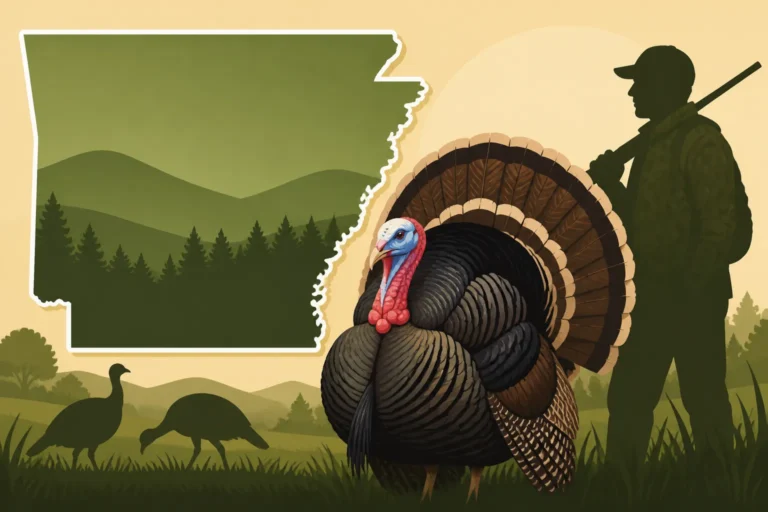
It's happened to almost every turkey hunter in Arkansas: you're set up, calling, and suddenly, a majestic bird steps into view. It's got a beard, but something feels… off. Maybe it's smaller, or its body shape looks a bit different than the gobblers you're used to seeing. This moment of doubt often centers around the elusive bearded hen, and the confusion is real. This guide will walk you through why Arkansas maintains a strict ban on harvesting bearded hens, delving into the biological reasons and management strategies that safeguard our wild turkey populations, and how you can ensure you're always making the right call in the field.
Understanding Arkansas's Turkey Management Philosophy
Arkansas has a rich heritage of wild turkey hunting, but managing these birds effectively is a complex dance between biology, habitat, and human interaction. The regulations, particularly around hen harvest, are deeply rooted in a conservation-first approach designed to ensure robust populations for generations to come.
The Focus on Population Growth and Stability
For years, across much of the Southeast, including right here in Arkansas, wild turkey populations have faced their share of headwinds. Things like habitat fragmentation, increased predation pressure on nests and poults, and even weather events during critical nesting periods can all take a toll. Because of these challenges, the Arkansas Game and Fish Commission (AGFC) has had to be incredibly thoughtful and sometimes conservative with its turkey management strategies. The primary goal is always to foster growth and stability in the turkey numbers. We've seen periods where the statewide turkey population estimates have been a real concern, and every regulation, especially those protecting hens, is a direct response to ensuring these birds thrive. It’s not about limiting opportunities just for the sake of it; it's about making sure there are more turkeys down the road. Understanding the Arkansas Turkey Population Estimate helps put these decisions into perspective, showing the long-term vision behind the rules.
The Role of Hens in Turkey Reproduction
When we talk about managing wild turkeys, it's critical to remember that hens are the bedrock of the entire population. They are the ones laying eggs, incubating clutches, and raising poults. Without a healthy, abundant hen population, there are simply no new turkeys. Think of it this way: one gobbler can breed many hens, but one hen can only produce one clutch of eggs at a time. This biological reality means that removing even a single hen has a disproportionately larger impact on the population's reproductive potential compared to removing a gobbler. While we love a big, booming gobbler, the future of the flock rests squarely on the shoulders of the hens. This foundational biological principle is why the AGFC places such a strong emphasis on hen protection, ensuring that as many breeding females as possible are left to perpetuate the species.
The Biology Behind Bearded Hens and the Harvest Ban
The sight of a hen with a beard can be truly baffling, and it’s a situation where the common wisdom of "if it has a beard, it's a gobbler" simply doesn't hold true in Arkansas. This biological quirk is a significant reason for the strict regulation.
The Phenomenon of Bearded Hens
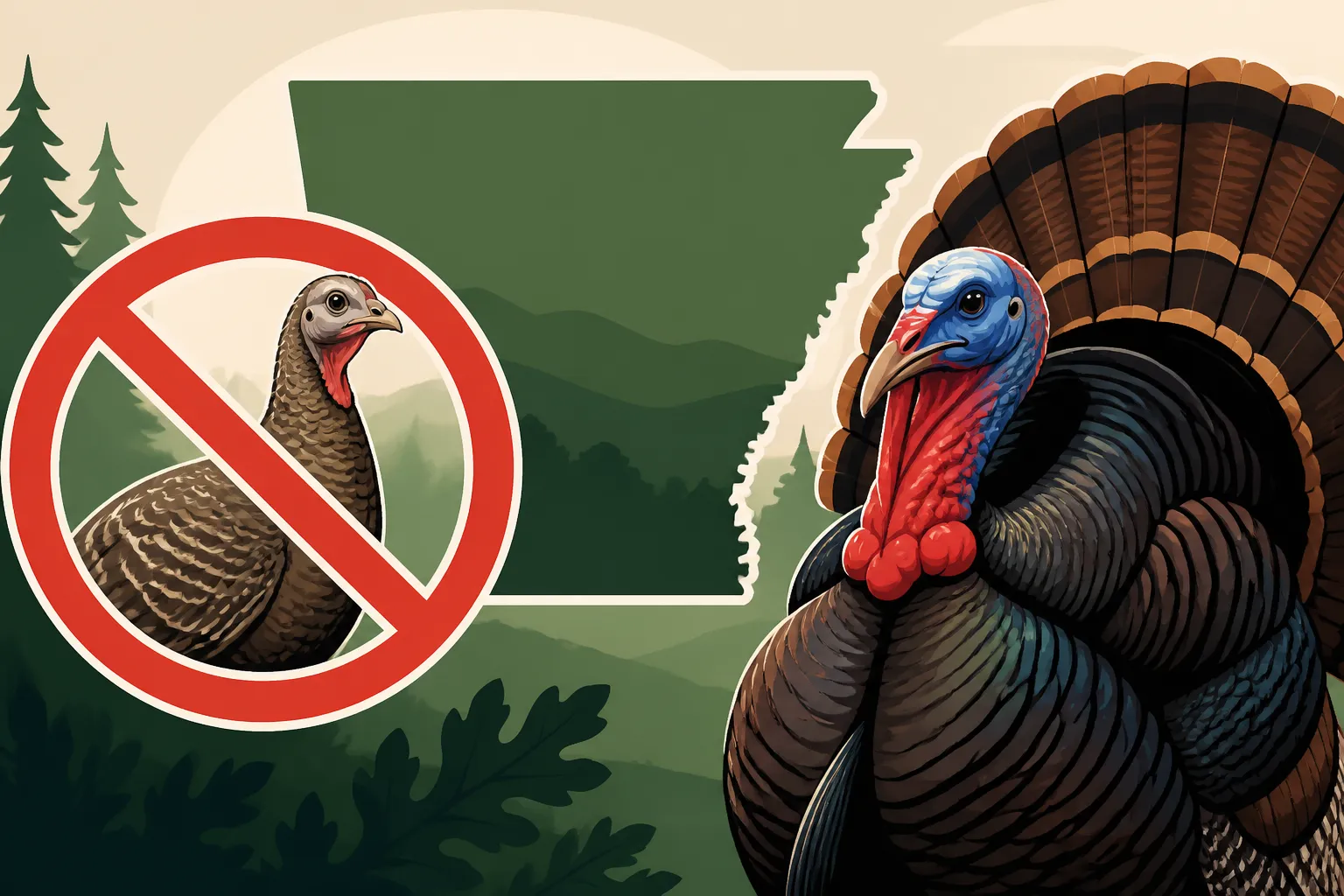
Yes, it’s true: some hens grow beards! This isn't just a tall tale; it's a well-documented genetic trait that occurs in a small percentage of the female wild turkey population, typically ranging from 5% to 10%, though some estimates go a bit higher. A beard, whether on a gobbler or a hen, is essentially a tuft of bristle-like feathers made of keratin, similar to hair or fingernails. It grows from the breast and can vary in length and thickness.
From a distance, or in low light, it can be incredibly challenging to differentiate a bearded hen from a jake or even a smaller longbeard. Their overall body size might be smaller than a mature tom, but a large, older hen can still be substantial, further blurring the lines. This phenomenon causes genuine confusion in the woods, and many hunters have, understandably, hesitated when confronted with such a bird. It’s easy to second-guess yourself, especially when you’re hoping for a legal bird and see that tell-tale growth.
Why They're Still Considered 'Hens' for Management Purposes
Despite sporting a beard, these birds are, biologically speaking, 100% hens. They are female, possess female reproductive organs, and contribute to the breeding pool just like any other non-bearded hen. This is the crucial point for management. The presence of a beard does not change their fundamental role in reproduction. If anything, a bearded hen is often an older bird, indicating she's likely had multiple successful nesting seasons, making her an even more valuable asset to the flock.
The AGFC's stance is clear: allowing the harvest of bearded hens, even if they represent a small fraction of the total hen population, still means removing potential breeding females from the equation. Given the ongoing efforts to bolster turkey numbers, every hen's reproductive capacity is considered vital. Therefore, to simplify enforcement and to provide maximum protection to the hen population, the regulation is universal: no hens, bearded or not, can be harvested. This helps protect those valuable breeders, ensuring they can contribute to the critical poult-to-hen ratios that wildlife biologists track through methods like the Arkansas Turkey Brood Surveys. It’s a management decision rooted in the long-term health of the species, prioritizing the overall population over individual anomalies.
The Practical Implications for Hunters
For you, the hunter, understanding this regulation means being extra diligent in the field. Mistakes can be costly, both for the individual hunter and for the turkey population.
Identifying a Legal Turkey in Arkansas
In Arkansas, the rule is unambiguous: only male turkeys, specifically gobblers, are legal for harvest during the spring season. This means that merely seeing a beard is not enough. You must confirm the bird is a gobbler. This is where patience and careful observation become your best friends.
Here are the key identifying features to look for on a gobbler:
- Size: Gobblers are generally larger and bulkier than hens, especially mature toms.
- Head Color: A gobbler's head will display vibrant reds, whites, and blues, which can change in intensity with excitement. Hens typically have duller, more muted blue or grayish heads.
- Plumage: Gobblers have iridescent bronze, copper, and green feathers that shimmer in the sunlight. Hens tend to have duller, drabber brown or grayish body feathers that lack this iridescence.
- Beard Length and Thickness: While hens can have beards, a gobbler's beard is usually thicker, longer, and more prominent. However, relying on this alone is a risky proposition given the bearded hen phenomenon.
- Spurs: This is arguably the most definitive visual cue. Gobblers, particularly mature ones, will have sharp, bony spurs on the backs of their legs, typically an inch or more in length for an adult. Hens generally do not have spurs, or if they do, they are tiny nubs.
- Strutting Behavior: Only gobblers will engage in a full strut, fanning their tail, puffing up their feathers, and dragging their wings.
- Vocalizations: While hens cluck and yelp, only gobblers will perform the distinctive "gobble."
Before you even think about raising your shotgun, use your binoculars or the magnification on your scope. Take your time. Don't let turkey fever rush you. Wait until you have a clear, unobstructed view and can confirm multiple key gobbler characteristics. Many hunters find tools like GoHunt invaluable for scouting and understanding terrain before a hunt, which can help them choose setup locations that offer better visibility for positive identification. It's about being 100% certain, not 99%.
Avoiding Accidental Harvest and Potential Penalties
The consequences of accidentally harvesting a hen, even a bearded one, can be significant. The Arkansas Game and Fish Commission takes turkey management very seriously, and violations can lead to hefty fines, potential loss of hunting privileges, and even confiscation of equipment. More importantly, it means you've removed a vital breeding bird from the population, impacting conservation efforts.
To avoid this unfortunate scenario:
- Positive ID is Paramount: Never shoot at a turkey if you're not absolutely sure it's a legal gobbler. If there's any doubt, let it walk. There will always be another opportunity.
- Clear Shot Opportunities: Wait for the bird to present a clear, ethical shot, but also one where you can see all its identifying features. A bird obscured by brush, or one moving quickly, makes identification much harder.
- Know Your Regulations: Before every season, review the Arkansas Spring Turkey Season Dates and all relevant regulations. Ignorance of the law is not an excuse. You can often find state-specific regulations and mapping overlays in hunting apps like GoHunt, which can be a valuable resource for staying informed while in the field.
- Ethical Consideration: Beyond the legal ramifications, there's an ethical responsibility. As hunters, we are conservationists first. Respecting these regulations is part of our commitment to the health of the wild turkey population.
Broader Conservation Goals and Hunter Responsibility
The ban on bearded hen harvest isn't an isolated rule; it's a piece of a much larger puzzle designed to secure the future of Arkansas's wild turkey. Our shared love for these magnificent birds compels us to understand and uphold these principles.
The Future of Arkansas's Wild Turkey Population
The long-term vision for wild turkeys in Arkansas is simple yet profound: to have thriving, resilient populations across suitable habitats, offering sustainable hunting opportunities for everyone. This vision is particularly important when we reflect on historical challenges, such as why Arkansas Turkey Numbers Fell over the past few decades. The bearded hen ban plays a direct, albeit small, role in this grand scheme by protecting every potential breeding female. It's a conservative measure that complements other critical management efforts, such as habitat restoration, targeted predator control, and detailed scientific research through programs like The Arkansas Bowhunter Observation Survey.
Every regulation, from bag limits to season structures, is crafted with this future in mind. When you follow these rules, you're not just complying with the law; you're actively participating in the conservation of a treasured game species. It's about ensuring that the thrill of Calling Arkansas Gobblers in the Ozarks or successfully executing Turkey Tactics in Arkansas Pine Plantations remains a possibility for generations to come.
The Hunter's Role in Conservation
As hunters, we are the front-line conservationists. Our passion for the outdoors and the pursuit of game birds makes us natural stewards of these resources. Adhering to regulations like the bearded hen ban is a fundamental part of our responsibility. It's a commitment to the health of the species, even when it means making a tough decision in the moment to let a bearded bird walk.
Think about it: every time a hunter passes on a questionable bird, they are making a conscious choice to prioritize the long-term health of the flock. We have a unique opportunity to be ambassadors for responsible hunting, sharing our knowledge and setting a positive example for new hunters. Organizations like the National Wild Turkey Federation (NWTF) are built on these principles, working tirelessly with state agencies like the AGFC to ensure healthy turkey populations and robust hunting traditions. By staying informed, being patient, and making ethical choices in the field, we all contribute to a brighter future for wild turkeys in Arkansas. For new hunters, understanding these nuances often starts with comprehensive education, which is why programs like Arkansas Hunter Education and Safety Rules are so important.
| Feature | Gobbler (Male) | Hen (Female) | Bearded Hen (Female) |
|---|---|---|---|
| Size/Build | Large, robust, broad-chested body | Smaller, more slender body | Smaller, more slender body (like other hens) |
| Head Color | Vibrant red, white, blue (changes with excitement) | Duller, grayish-blue, often feathered to top of head | Dull, grayish-blue, often feathered to top of head |
| Plumage | Iridescent bronze, copper, green | Duller brown/gray, less iridescent | Duller brown/gray, less iridescent |
| Beard | Long, thick, prominent (usually) | Absent (typically) | Present, but often thinner/shorter than a gobbler's |
| Spurs | Present, sharp, bony (especially on mature birds) | Absent or tiny nubs | Absent or tiny nubs |
| Vocalizations | Gobs, yelps, clucks, purrs | Yelps, clucks, purrs (no gobbles) | Yelps, clucks, purrs (no gobbles) |
| Behavior | Struts, drums, displays for hens | Forages, nests, cares for poults | Forages, nests, cares for poults |
| Legal to Harvest? | YES (during open season, within limits) | NO | NO |
Disclaimer
Always consult the official Arkansas Game and Fish Commission (AGFC) regulations for the most current and accurate hunting laws and season dates before heading into the field. This guide provides general information and should not be used as a substitute for official AGFC resources.