Arkansas Landowner Licence Exemptions
Navigating the ins and outs of hunting regulations can often feel like deciphering a secret code, especially when it comes to specific exemptions. Many Arkansas landowners find themselves scratching their heads, wondering if their property ownership means they're automatically exempt from purchasing hunting licenses. It's a common misconception that simply owning land means you can hunt freely without a license, and misunderstanding these rules can lead to unwanted trouble. This comprehensive guide aims to clarify exactly what constitutes an Arkansas landowner license exemption, what activities it covers, and, perhaps more importantly, what it doesn't.
Understanding Arkansas Landowner License Exemptions
The idea of hunting on your own property without a license is appealing, and for many, it’s a reality here in Arkansas. However, the exemptions aren't as broad as some might initially believe. It’s crucial to understand the specifics to ensure you're always hunting legally and responsibly. The Arkansas Game and Fish Commission (AGFC) provides clear guidelines, but the jargon can sometimes be a bit much. Let’s break down what it truly means to be a "resident landowner" in the eyes of the law, and which hunting activities fall under this valuable exemption.
Defining "Resident Landowner" in Arkansas
First things first, not all landowners are created equal when it comes to license exemptions. The key here is the term "resident landowner." To qualify, you must be a bona fide resident of Arkansas, meaning you primarily live here, and you must own the land you intend to hunt. This isn't just a casual distinction; it's the foundation of the exemption. If you own property in Arkansas but reside out of state, you generally do not qualify for these resident landowner exemptions. Non-resident landowners, unfortunately, typically need to purchase the appropriate Arkansas Nonresident License Options to hunt their own property, just like any other non-resident hunter.
Furthermore, the exemption often extends to immediate family members who also reside on the owned property. This typically includes your spouse and children living in the same household. However, it’s not an open invitation for all relatives or friends. If your cousin, who lives across town, wants to hunt on your land, they will likely need their own valid hunting license unless they meet the criteria of residing on the property and being an immediate family member. Always double-check the latest AGFC regulations for the most current definitions and familial inclusions, as these details can sometimes change. Possessing proof of ownership, such as a property deed or recent tax statement, along with your Arkansas driver's license, is always a smart move when in the field, even if you’re exempt.
What Hunting Activities Are Covered by the Exemption
Once you've established that you are indeed a resident landowner, you're probably wondering what you can actually hunt without purchasing a standard license. The good news is that for most common game species, the exemption is quite generous, as long as you are hunting on your own land. This generally includes deer, wild turkey, and most small game like squirrels and rabbits, as well as furbearers such as coyotes and bobcats. If you’re enjoying a quiet morning deer hunt on your back forty, or chasing squirrels through your timber, you’re likely covered.
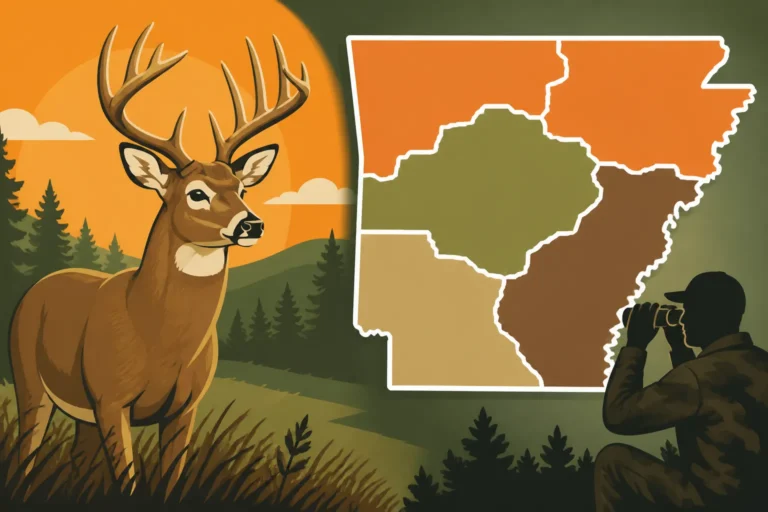
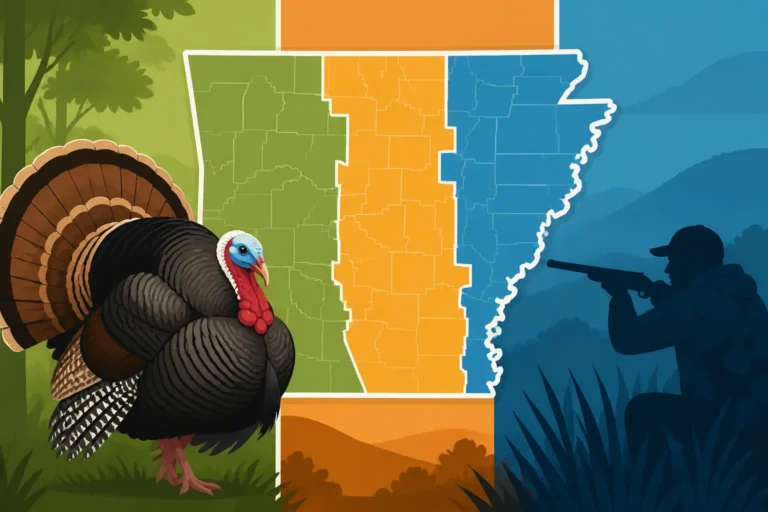
However, it's vital to remember that this exemption isn't a blanket pass for every single hunting opportunity Arkansas offers. There are specific exceptions and additional requirements for certain species or hunting methods. For instance, while you might not need a general deer license, you still need to adhere to all bag limits, season dates, and reporting requirements for Arkansas Deer Seasons and Zone Limits and Arkansas Turkey Seasons and Limits. Also, the exemption rarely covers federal requirements. For example, if you plan to hunt migratory birds like doves or ducks on your property, you'll still need to comply with federal regulations, which often include purchasing a Federal Duck Stamp and registering with the Harvest Information Program (HIP). More on these crucial distinctions in the next section, but for now, remember: common resident game on your land, generally good to go; everything else, proceed with caution and verify.
Specific Scenarios and Important Restrictions
While the landowner exemption offers significant benefits, it's not a "get out of jail free" card for all hunting. Misinterpreting the rules can lead to citations, fines, and even loss of hunting privileges. It’s critical to delve into specific scenarios where additional licenses or permits are almost always required, even for an eligible resident landowner.
Hunting on Leased Land vs. Owned Land
This is perhaps one of the most common misunderstandings in Arkansas hunting. Many individuals assume that if they lease land for hunting, they are somehow granted landowner exemption status. This is simply not the case. If you lease hunting rights to a property, whether it's from a timber company, a private individual, or through a hunting club, you are considered a lessee, not the landowner in the eyes of the AGFC for exemption purposes.
Therefore, if you are hunting on leased property, you – and any guests – must possess all the necessary Arkansas Hunting Licenses and What They Cost, including a Arkansas Resident Hunting License Cost if you're an Arkansas resident, or the appropriate non-resident licenses. The exemption applies strictly to the actual owner of the land who also resides in Arkansas. This means if you lease a fantastic tract for deer hunting, you’ll need to ensure your paperwork is in order just like any other hunter. Always carry your valid license and permits when hunting leased ground to avoid any confusion or legal issues. Tools like GoHunt can be incredibly helpful for confirming property lines and understanding land ownership, which is vital when hunting on or near leased tracts.
Migratory Birds, Bear, Elk, and Alligator Hunting
As mentioned earlier, the landowner exemption primarily covers resident game species. When you move into the realm of migratory birds or certain highly managed big game species, the rules almost always change, regardless of whether you own the land.
For migratory birds such as ducks, geese, and doves, you will need to purchase a Federal Migratory Bird Hunting and Conservation Stamp (often called a Federal Duck Stamp) and register with the Harvest Information Program (HIP). These are federal requirements and supersede state landowner exemptions. Additionally, you'll need the appropriate state migratory bird permit, which might be included in a more comprehensive license like the Arkansas Sportsman's License or purchased separately. These apply even if you're hunting on your own property during Arkansas Waterfowl Seasons and Zones.
For specific big game animals like bear, elk, and alligator, the landowner exemption typically does not cover the specialized permits required. Bear hunting in Arkansas operates under specific zones and quotas, and hunters, including landowners, need to apply for and obtain a bear tag, adhering to Arkansas Bear Seasons and Zone Quotas. Similarly, the magnificent elk herd in Arkansas, primarily around the Buffalo River, is managed through a highly sought-after permit draw, detailed in the Arkansas's Buffalo River Elk Permit Draw guide. Landowners in the elk zone are not exempt from this draw process. And if you're lucky enough to draw an alligator permit, you'll be participating in the Arkansas Alligator Permit Draw, which requires specific permits and adherence to very strict regulations, regardless of land ownership. These species require dedicated permits because their populations are closely monitored and managed to ensure sustainability, making them exceptions to most general license exemptions.
Special Hunts and Youth Hunts
Sometimes, the AGFC designates "special hunts" on certain public or even private lands to manage populations or offer unique opportunities. These often come with their own set of rules and permit requirements, which generally override landowner exemptions. For instance, specific managed deer hunts on certain Wildlife Management Areas (WMAs) may require WMA permits or successful draw applications, even if a landowner were to participate on an adjacent property that fell under the WMA rules.
For youth hunters, Arkansas offers various youth hunt weekends for deer and turkey, which are fantastic opportunities for young folks to get into the field. While youth hunters may have reduced or exempt license requirements, they usually still need to possess a Youth Hunter Education Card or hunt under the direct supervision of a licensed adult. It's not necessarily tied to landowner status, but rather to age and hunter education completion. Always check the specific regulations for youth hunts to ensure compliance. You can learn more about general requirements for young hunters and adults in Arkansas Hunter Education and Safety Rules.
Navigating the Rules and Best Practices
Understanding the specific nuances of landowner exemptions is key to a stress-free hunting season. Even when you believe you're exempt, having your ducks in a row can prevent uncomfortable conversations with game wardens and ensure you're contributing to conservation efforts where it counts.
Required Documentation and Identification
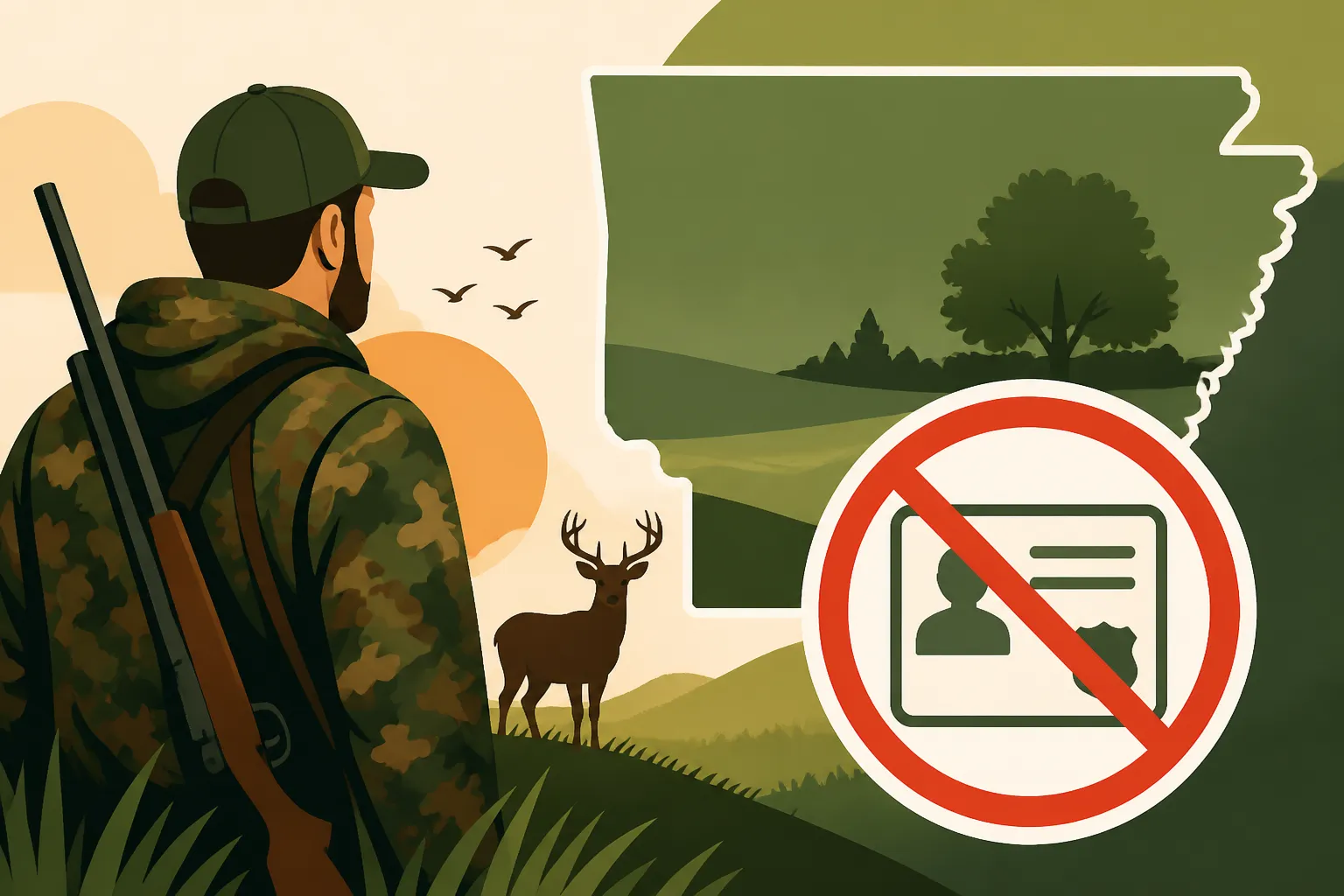
Even if you, as a resident landowner, are exempt from purchasing certain state hunting licenses, it does not mean you can wander into the woods without any identification or proof. A game warden has every right to ask for identification and verify your status. It’s always best practice to carry proof of your Arkansas residency, such as an Arkansas driver's license or state ID card.
Equally important is having proof of land ownership for the specific property you are hunting. This could be a property deed, a recent property tax statement, or a similar official document clearly linking you to the land. While you might not need to carry the original deed in your hunting pack, having a copy readily accessible, perhaps digitally on your phone, can save a lot of hassle. Tools like GoHunt or the Using the AGFC Map Tool can also be invaluable for confirming property lines and ensuring you are indeed on your owned land, especially if you have large tracts or irregular boundaries. Having this information at your fingertips demonstrates responsibility and makes any interaction with law enforcement smooth and quick.
Why Hunters Still Often Buy Licenses
Despite the landowner exemptions, many eligible resident landowners still choose to purchase Arkansas Hunting Licenses and What They Cost. Why? There are several compelling reasons that extend beyond simply being allowed to hunt on one’s own land.
- Hunting Off Their Land: The most straightforward reason is often the desire to hunt somewhere else. The exemption is strictly for your own land. If you plan to hunt on public land, such as a National Forest or a Wildlife Management Area (WMA), or if you get invited to a friend's property, you'll need the appropriate licenses and permits, including possibly Arkansas WMA Permits and Draw Hunts. Having a license already ensures you're ready for any opportunity that arises.
- Supporting Conservation: A significant portion of the revenue generated from hunting license sales goes directly into wildlife conservation programs, habitat restoration, law enforcement, and research conducted by the AGFC. Many landowners understand this and see buying a license as a way to contribute to the health of Arkansas's wildlife populations, benefiting not just their own property but the entire state.
- Ease of Mind: Sometimes, it’s just simpler to have the license. The cost of a general resident license is relatively low compared to the peace of mind it offers, eliminating any ambiguity about what you can or cannot hunt, especially if you frequently hunt both your land and elsewhere.
- Specific Species or Methods: As discussed, certain species (like bear or elk) and specific hunting methods require additional tags or permits. Purchasing a base license might be a prerequisite for obtaining these specialized tags, even if you are hunting on your own land.
The Role of the Arkansas Game and Fish Commission
The AGFC is your ultimate resource for all hunting regulations in Arkansas. Their mission is to conserve and enhance Arkansas's fish and wildlife and their habitats, and they are the authority on all licensing, season dates, and bag limits. If you have any doubts about your specific landowner exemption status or any particular hunting scenario, the absolute best thing you can do is contact the AGFC directly.
You can visit their official website, which is a treasure trove of information, or call their regional offices. They also publish an annual hunting guide that outlines all regulations for the upcoming season, typically available online and at license vendors. Relying on hearsay or outdated information from friends can be a costly mistake. Staying informed directly from the source ensures you're always legal and safe, and it helps you appreciate the significant effort the AGFC puts into managing Arkansas's rich hunting heritage.
Here’s a quick overview of common game and license requirements for Arkansas Resident Landowners hunting on their own property:
| Game Species / Type | General State Hunting License Required? | Additional Permits/Stamps Required? | Notes |
|---|---|---|---|
| White-tailed Deer | NO (on own land) | NO | Must adhere to season dates, bag limits, and checking requirements. |
| Wild Turkey | NO (on own land) | NO | Must adhere to season dates, bag limits, and checking requirements. |
| Small Game | NO (on own land) | NO | E.g., Squirrels, Rabbits. Adhere to season dates and bag limits. |
| Furbearers | NO (on own land) | NO | E.g., Coyotes, Bobcats. Adhere to season dates and methods. |
| Black Bear | YES (Bear Permit required) | YES (Bear Permit) | Bear zones have quotas; all hunters (including landowners) need a valid bear permit. |
| Elk | YES (Elk Permit required) | YES (Elk Permit) | Extremely limited draw permits; all hunters need to apply and draw. |
| Alligator | YES (Alligator Permit required) | YES (Alligator Permit) | Limited draw permits; all hunters need to apply and draw. |
| Ducks / Geese | NO (on own land for state license) | YES (Federal Duck Stamp, HIP Reg.) | Federal requirements apply to all, regardless of land ownership. State waterfowl permit often also needed. |
| Doves | NO (on own land for state license) | YES (HIP Registration) | Federal HIP registration required for all migratory bird hunters. State migratory bird stamp often also needed. |
| Hunting off own land | YES | Varies by species | All standard licenses and permits apply when hunting public land, leased land, or another's private land. |
Remember, this table is a general guide. Always consult the most current AGFC regulations for precise and up-to-date information.
Disclaimer
The information provided in this guide is for general informational purposes only and is not intended as legal advice. Hunting regulations are subject to change, and it is the responsibility of each individual hunter to review and comply with all current federal, state, and local hunting laws and regulations. Always refer to the official Arkansas Game and Fish Commission (AGFC) publications and website for the most accurate and up-to-date information.