Finding an Arkansas Farmer to Ask
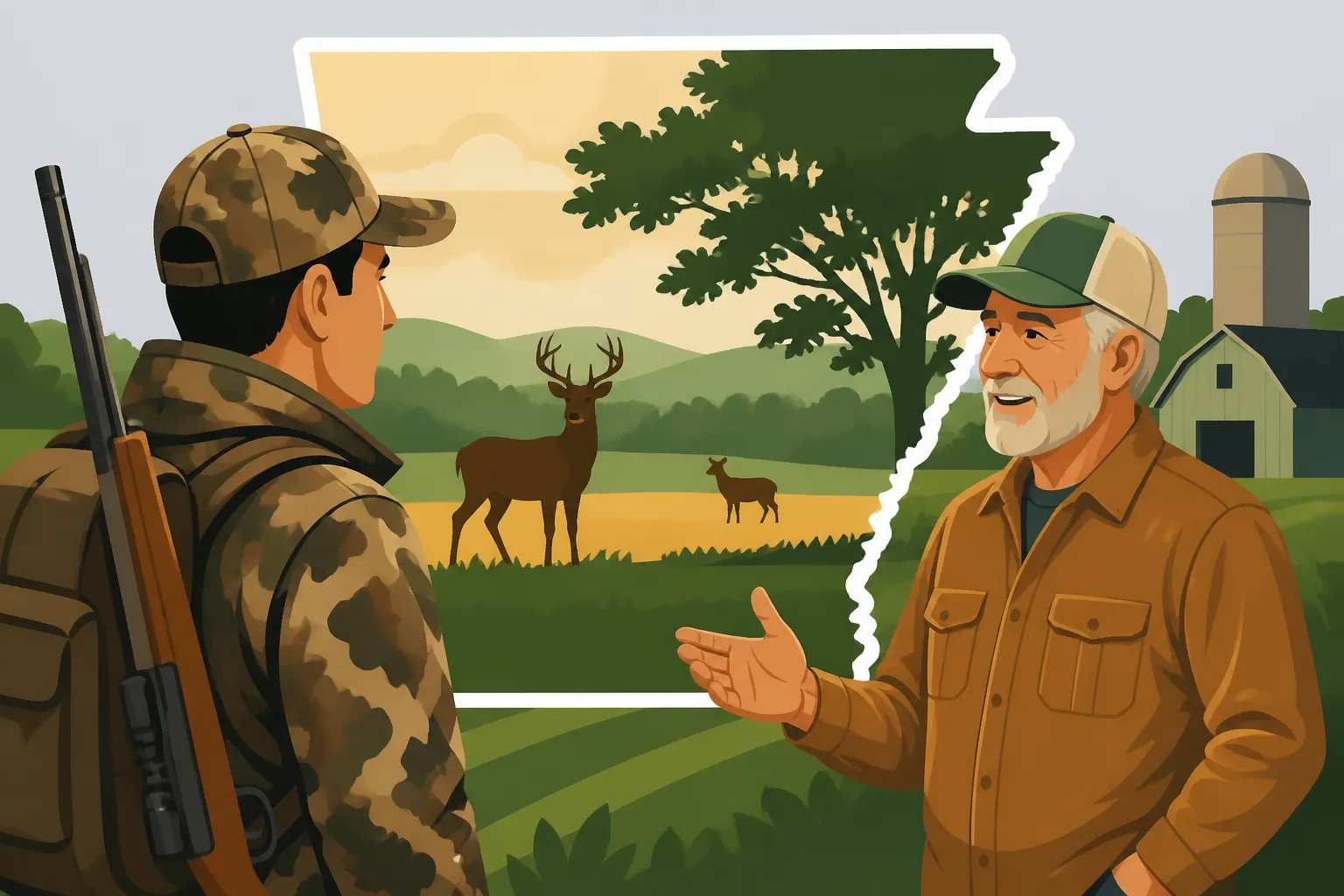
It’s a tale as old as time for hunters in Arkansas: you’re dreaming of that perfect patch of woods or a flooded field, away from the crowds you often find on public lands, but you just can’t seem to find private property access. Finding a friendly farmer or landowner who’s willing to let you hunt can feel like searching for a needle in a haystack, especially if you don't already have deep roots in a rural community. This guide is all about giving you the tools and the mindset to confidently and respectfully approach Arkansas farmers, increasing your chances of securing that coveted hunting permission.
Understanding the Farmer's World: What's On Their Mind?
Before you even think about knocking on a door or making a phone call, it's crucial to put yourself in the shoes of the Arkansas farmer. Their property isn't just a place; it's their livelihood, their home, and often, generations of hard work rolled into one. Understanding their perspective is the first step toward building trust and securing access.
The Demands of the Land and Livestock: It's More Than Just Crops and Fences
Farmers are busy, plain and simple. Their days start early and end late, dictated by sun, rain, and the needs of their crops or livestock. When you approach them, they're likely juggling a thousand things in their head: the soybean market, a fence line that needs mending, a sick calf, or the rising cost of fertilizer. Hunting, while important to us, might be just another item on an already overwhelming mental checklist, or worse, a potential complication.
They worry about damage to crops, gates left open allowing cattle to escape, or someone driving across a freshly planted field. They're trying to protect their investment and their way of life. When you speak with them, acknowledge this reality. A simple "I know you're busy, I won't take up much of your time" can go a long way. Show them you understand that their land is a working landscape, not just a hunting paradise.
Past Experiences and Liability Concerns: Why a 'No' Isn't Always Personal
One of the biggest hurdles is often a farmer's past negative experiences. Perhaps a previous hunter left trash, drove through a field, or wasn't respectful of boundaries. These bad apples spoil the barrel for everyone. They might also be worried about liability – what if you get hurt on their land? Even with robust hunter education, accidents can happen, and a landowner wants to protect themselves.
Many farmers have been burned, and it makes them understandably wary. If they say no, it's rarely a personal rejection of you. It's often a defense mechanism built from past headaches or a genuine concern for safety and liability. Don't push or get defensive if they decline. A polite "I understand, thank you for your time anyway" leaves a far better impression than arguing. Sometimes, that polite exit might even open the door for a second conversation down the line if circumstances change.
The Upside for Farmers: Why They Might Say 'Yes' to Responsible Hunters
While there are many reasons a farmer might hesitate, there are also compelling reasons they might grant permission. Deer can devastate crops, especially soybeans and corn, and wild hogs are a constant menace, tearing up fields and spreading disease. Many farmers are looking for reliable, responsible help to manage these populations.
If you can present yourself as a solution to a problem, rather than just another person wanting something, your chances go up. Offering to help control deer numbers, especially antlerless deer, or to actively pursue feral hogs, can be a huge selling point. It shows you're not just interested in trophy hunting, but in helping them protect their livelihood. Furthermore, some farmers simply enjoy the tradition of hunting and appreciate sharing that experience with others, especially younger hunters who are just getting started. It helps them connect to a shared rural heritage.
Pre-Approach Homework: Researching Your Target Property
You wouldn't show up for a job interview without doing your research, and asking for hunting permission deserves the same respect. Knowing as much as you can about the property and the landowner before you make contact can dramatically improve your chances.
Scouting from a Distance: Aerial Maps and County Records
In today's digital age, you have incredible tools at your fingertips. Start by using online mapping services like Google Maps or specialized hunting apps like onX. These allow you to "scout" potential properties from your couch. Look for:
- Crop Fields: Are there row crops like corn, soybeans, or rice that might attract deer or ducks?
- Timber Blocks: Are there blocks of woods, especially mature hardwoods that provide mast crops, or dense cover adjacent to fields?
- Water Sources: Ponds, creeks, sloughs, or even areas that look like they might flood during heavy rains are magnets for waterfowl.
- Access Points: How can you get into the property without disturbing residents or creating new tracks?
- Neighboring Properties: Are there houses, other hunting camps, or public lands nearby that could indicate pressure?
Once you've identified a promising parcel, the next step is often to figure out who owns it. This is where county assessor's websites come in handy. Many Arkansas counties have online GIS (Geographic Information System) maps that allow you to search by parcel number or address and often provide the landowner's name and mailing address. Apps like onX also offer this feature as a paid overlay, allowing you to instantly see property boundaries and ownership details right on your phone in the field. This information is invaluable for a personalized approach. Knowing a name to go with a face shows you've done your homework and aren't just randomly knocking on doors. You can also use the Using the AGFC Map Tool to see if the property is adjacent to any public lands, which might give you an idea of game movement or pressure.
Here's a quick comparison of different research methods:
| Method | Pros | Cons | Best For |
|---|---|---|---|
| Aerial/Satellite Maps | Visual scouting, identifying habitat, access. | Doesn't show current crop status, requires interpretation. | Initial property identification, habitat analysis. |
| County Assessor Sites | Identifies landowner by name and address, precise property lines. | Can be cumbersome to navigate, not always up-to-date. | Finding landowner contact information. |
| Hunting Apps (e.g., onX) | Combines aerial maps with landowner info, GPS features. | Subscription cost, relies on data accuracy. | Comprehensive pre-scouting and in-field navigation. |
| Driving Recon | Confirms current conditions, identifies active farming. | Can be perceived as trespassing if not careful, time-consuming. | Verifying online info, getting a feel for the area. |
| Local Connections | Warm introductions, insights into landowner personality, local gossip. | Can be subjective, requires existing network, slow. | Building rapport, getting "in" with the community. |
Leveraging Local Knowledge: Community Hubs and Connections
Beyond digital tools, don't underestimate the power of old-fashioned community networking. Stop by the local co-op, feed store, or diner in a small Arkansas town. These places are often the heartbeats of rural communities. Strike up conversations. Mention you're looking for a place to hunt and politely ask if anyone knows a landowner who might be open to the idea. You might not get a direct lead right away, but you might learn who owns what, or get a suggestion for someone to talk to.
Sometimes, a direct introduction from a mutual acquaintance can be the golden ticket. If a trusted neighbor or business owner vouches for you, it instantly builds credibility with a farmer who might otherwise be hesitant. Even if you don't get an introduction, just being seen as a polite, respectful person in the community can slowly build goodwill. Remember, these folks will likely run into the farmer you're trying to contact, and you want their impression of you to be positive.
Making the Initial Connection: The Art of the Ask
Now for the moment of truth: actually approaching the farmer. This is where your preparation and respectful demeanor truly shine.
Timing and Demeanor: When and How to Show Up
Timing is everything. Never approach a farmer when they are actively working in the field, moving cattle, or otherwise in the middle of a critical operation. They are stressed, focused, and won't appreciate the interruption. Weekday evenings, after dinner but before dark, or on a Sunday afternoon (unless they're headed to or from church, in which case, maybe wait) are often good times. They're more likely to be home and have a few moments to talk.
Always approach their home or farmhouse directly. Don't park on a remote part of the property and walk in. That's a good way to get yelled at, or worse, have a shotgun pointed in your direction. Park your vehicle in a visible, non-obstructive spot, and walk to the door. Knock clearly, and if no one answers after a reasonable time, leave a polite note with your name and number, stating briefly why you stopped by.
Your demeanor should be humble, respectful, and friendly. Dress neatly and conservatively – no camouflage. A clean pair of jeans and a casual shirt are perfectly fine. Make eye contact, offer a firm handshake, and introduce yourself clearly.
The Conversation Starters: What to Say to Build Rapport
Start with a simple, polite introduction: "Hi, my name is [Your Name], and I live over in [Your Town/Area]. I apologize if I'm interrupting, but I was driving by and noticed your property looks like it holds some good [deer/ducks/hogs], and I was wondering if you might ever allow someone to hunt on your land."
Then, offer to help. This is critical. "I'm always looking for a place to hunt responsibly, and I've seen some of the deer damage in fields around here. If you ever have issues with deer eating your crops or feral hogs tearing up your land, I'd be happy to help you manage them." This immediately shifts the dynamic from asking for a favor to offering a service. Mentioning your willingness to help control Arkansas Feral Hog Problem can be a huge bonus for landowners.
Listen more than you talk. Let them tell you about their concerns or experiences. Engage in a little small talk about the weather, their crops, or their livestock, if they seem open to it. Building a human connection beyond just the hunting request is invaluable.
Being Prepared: Showing You're a Serious, Responsible Hunter
When you make the ask, you need to project responsibility. This isn't just about what you say, but what you can demonstrate.
- Your License and ID: Have your valid What an Arkansas Hunting License Covers and a picture ID ready. Offer to show it to them. It proves you're a legal, legitimate hunter.
- Hunter Education Card: If you're required to have one (and even if you're not, it's a good idea to have completed it), having your Arkansas Hunter Education and Safety Rules card demonstrates your commitment to safety.
- Specifics of Your Request: Don't just say "Can I hunt here?" Be specific. "I'm primarily interested in bowhunting deer in October," or "I'd love to try and shoot some ducks out of that slough if you're not already hunting it." This shows you're not a wild card who's going to show up with a high-powered rifle during archery season. You can even mention you're familiar with the Arkansas Deer Seasons and Zone Limits and will adhere strictly to them.
- Liability Insurance: While not required, some hunting organizations offer personal liability insurance for hunters. If you carry such a policy, mention it. It addresses a major concern for landowners.
- References (Optional but Powerful): If you have a trusted friend, family member, or even a local business owner who can vouch for your character and responsibility, offer their name as a reference.
What NOT to Do:
- Cold Call from Your Truck: Don't roll down your window from the road and shout your request. Get out and go to the door.
- Show Up in Camo: This can be intimidating and suggests you've already been "scouting" on their property without permission.
- Bring Your Hunting Buddies: Make the initial contact alone. Too many people can be overwhelming.
- Be Vague: "Can I just hunt anything?" is a red flag. Be specific about what you're interested in.
- Trespass First: Never, ever enter their property without explicit permission, even just to "look around." That's illegal and will guarantee a "no." Knowing Arkansas Trespass and Permission Law is crucial here.
Sealing the Deal: Specifics and Expectations
If the farmer seems open to the idea, this is your chance to clarify details and set clear expectations. This prevents misunderstandings down the road.
Clearly Defining Your Intentions: Deer, Ducks, Hogs, or Just Scouting?
Don't leave anything to assumption. Explicitly state what you intend to hunt. "I'm really hoping to target a couple of does for venison this fall," or "I'd love to come out a few mornings during duck season, if you ever have open water." If you're only looking to scout and hang a camera before the season, say that. "I was hoping to scout some of these hardwoods to see what kind of deer sign is here, and maybe hang a trail camera or two."
If they grant permission for one thing, don't assume it extends to another. If they say "yes" to deer hunting, that doesn't automatically mean you can bring your duck boat next month. Always clarify and ask specific permission for each activity.
Discussing Boundaries and Access Points: Avoiding Misunderstandings
Walk the property boundaries with the farmer if possible, or at least clearly identify them on a map. Confirm exactly where you can and cannot go. Are there areas off-limits for crops, livestock, or their own personal use? What roads or trails can you use for access? Where should you park? What about neighboring properties? Respecting their property lines and those of their neighbors is paramount. You can explain how you use GPS apps to ensure you stay within the agreed-upon areas.
| Point of Discussion | Why it Matters | What to Clarify |
|---|---|---|
| Species | Prevents hunting unintended game. | What animals are you allowed to pursue (deer, ducks, hogs, squirrels, etc.)? |
| Season/Dates | Avoids conflicts with other activities, crop cycles. | Which specific seasons (archery, gun, duck) are you allowed to hunt? Specific dates? |
| Boundaries | Prevents trespassing and ensures safety. | Clear property lines, off-limits areas, neighboring property. |
| Access | Avoids damage to fields, gates left open. | Where to park, which roads/trails to use, preferred entry/exit points. |
| Hunting Method | Ensures compliance with landowner preferences and safety. | Bow, rifle, shotgun, muzzleloader? Can you use dogs (if applicable)? |
| Guests | Controls who is on the property. | Can you bring a friend or child? If so, do they need to meet the landowner first? |
| Reporting | Keeps landowner informed and helps with game management. | Do they want to know when you're coming/going? Report harvest data? |
Verbal Agreements vs. Written Permission: What's Really Needed in Arkansas
While a handshake and a verbal agreement are often the norm in rural Arkansas, it's always a good idea to confirm. Do You Need Written Permission in Arkansas? The law in Arkansas states that written permission is generally required to hunt on private land. Even if the farmer says a verbal "yes" is fine, you might politely offer to write up a simple permission slip for their convenience and your own peace of mind, outlining the dates, what you can hunt, and who is allowed. This protects both of you. It doesn't have to be a legal document, just a brief note confirming the agreement. Many hunters even have a simple form ready that they can present.
Cultivating the Relationship: Being a Valued Guest
Getting permission is just the beginning. The real work is in maintaining that relationship, proving yourself trustworthy, and ensuring you're invited back year after year.
Respecting the Land and Its Operations: More Than Just "Leave No Trace"
- No Trash, Ever: Pack out absolutely everything you pack in, and if you see any trash that isn't yours, pack that out too.
- Gates: If you open a gate, close it. If it was closed, leave it closed. If it was open, leave it open. Always assume gates are critical for livestock management.
- Vehicles: Stick to established roads and trails. Never drive across fields, especially wet ones, or through pastures. If it rains and the roads get muddy, be willing to walk.
- Livestock: Give cattle, horses, or any other livestock a wide berth. Do not harass or disturb them in any way.
- Property Damage: If you accidentally cause any damage (e.g., break a fence post, damage a treestand), immediately report it to the landowner and offer to fix it or pay for repairs.
- Be Considerate of Noise: If you're hunting ducks, be aware of how far your calling carries. If you're running dogs, ensure they don't wander onto neighboring properties or harass livestock.
Offering a Helping Hand: Going Above and Beyond
This is where you build genuine goodwill. Don't just show up to hunt; show up to help.
- Offer assistance: Ask if there's anything you can do to help around the farm. "Do you need any help mending fences this spring?" or "Can I help you move some hay bales next week?"
- Hog or Predator Control: Follow through on your offer to help with nuisance animals. If you have permission to hunt feral hogs, actively pursue them. Many farmers will be grateful for help with Arkansas Feral Hog Problem.
- Checking on things: If you're hunting during the off-season, offer to keep an eye on things, report anything unusual, or check fence lines.
- Sharing Game: A great gesture is to offer some of your harvest to the landowner, whether it's a cleaned deer loin, a duck breast, or even just some fresh venison sausage. This is especially appreciated if they don't hunt themselves. Consider processing your deer carefully, perhaps even showing them how well you Field Dressing a Deer in Warm Weather or other aspects of responsible game handling.
Showing Gratitude: Small Gestures That Go a Long Way
A simple thank you note, a small gift card to a local store, or a batch of homemade cookies can go a long way in showing your appreciation at the end of the season. It reminds them that you value their generosity and haven't taken it for granted. These gestures reinforce the relationship and make them more likely to welcome you back next year. Remember, it's about building a long-term relationship, not just a one-time hunt.
What if They Say No? Handling Rejection Gracefully
Even with the best preparation and a perfect approach, sometimes the answer will still be no. It's tough, but it's part of the process.
It's Not a Personal Attack: Understanding Their Reasons
As mentioned before, a "no" is almost never about you personally. It could be for a multitude of reasons: they already have hunters, family hunts the property, insurance concerns, too busy, or they simply don't want anyone else on their land. Respect their decision without argument or negativity. "I completely understand. Thank you so much for your time anyway." A graceful exit leaves a far better impression than pleading or becoming defensive.
Keeping the Door Open: The Long Game
Sometimes, a "no" today isn't a "no" forever. Circumstances change. They might have a bad year for deer damage, or their current hunters might move away. If you left a positive impression, they might remember your respectful approach. It's okay to try again in a year or two, especially if you learned new information about their property or needs. You might even leave a business card or a small note with your contact info, saying you're still interested if things ever change.
Exploring Other Avenues: Public Land, Leases, or Guided Hunts
Don't let a "no" discourage your entire hunting season. Arkansas has fantastic public hunting opportunities if you're willing to put in the work. You can explore Scouting Arkansas Public Land Before Season to find good spots. There are numerous Wildlife Management Areas (WMAs) and National Forests, though they often come with more pressure.
Another option is to look into Hunting Arkansas Timber Company Land. Many timber companies lease out tracts for hunting, which can offer more exclusive access than open public land. You could also consider Joining an Arkansas Hunting Club, which often pools resources to lease larger tracts of private land. Finally, if your budget allows, booking a guided hunt can guarantee access and a professional experience, especially for highly sought-after game like ducks or bear. While not the focus of this article, platforms like BookYourHunt can sometimes connect hunters with landowners offering day leases or guided trips, providing another avenue if direct asking isn't fruitful.
The quest for private land hunting permission in Arkansas requires patience, respect, and a willingness to understand the landowner's perspective. By doing your homework, making a thoughtful approach, and proving yourself to be a responsible and appreciative hunter, you can build lasting relationships that enrich both your hunting experiences and the lives of those who work the land.
Disclaimer
This article is for general informational purposes only and does not constitute professional advice. Laws, prices and regulations vary by location and change over time. Consult a qualified professional for guidance on your specific situation.