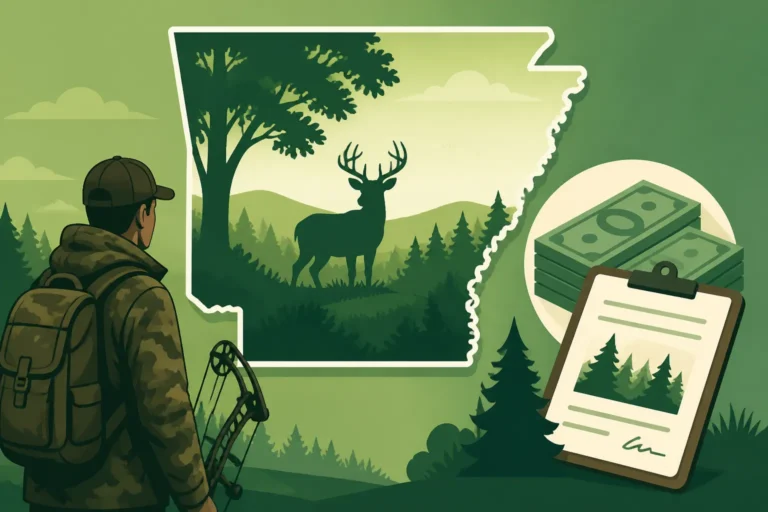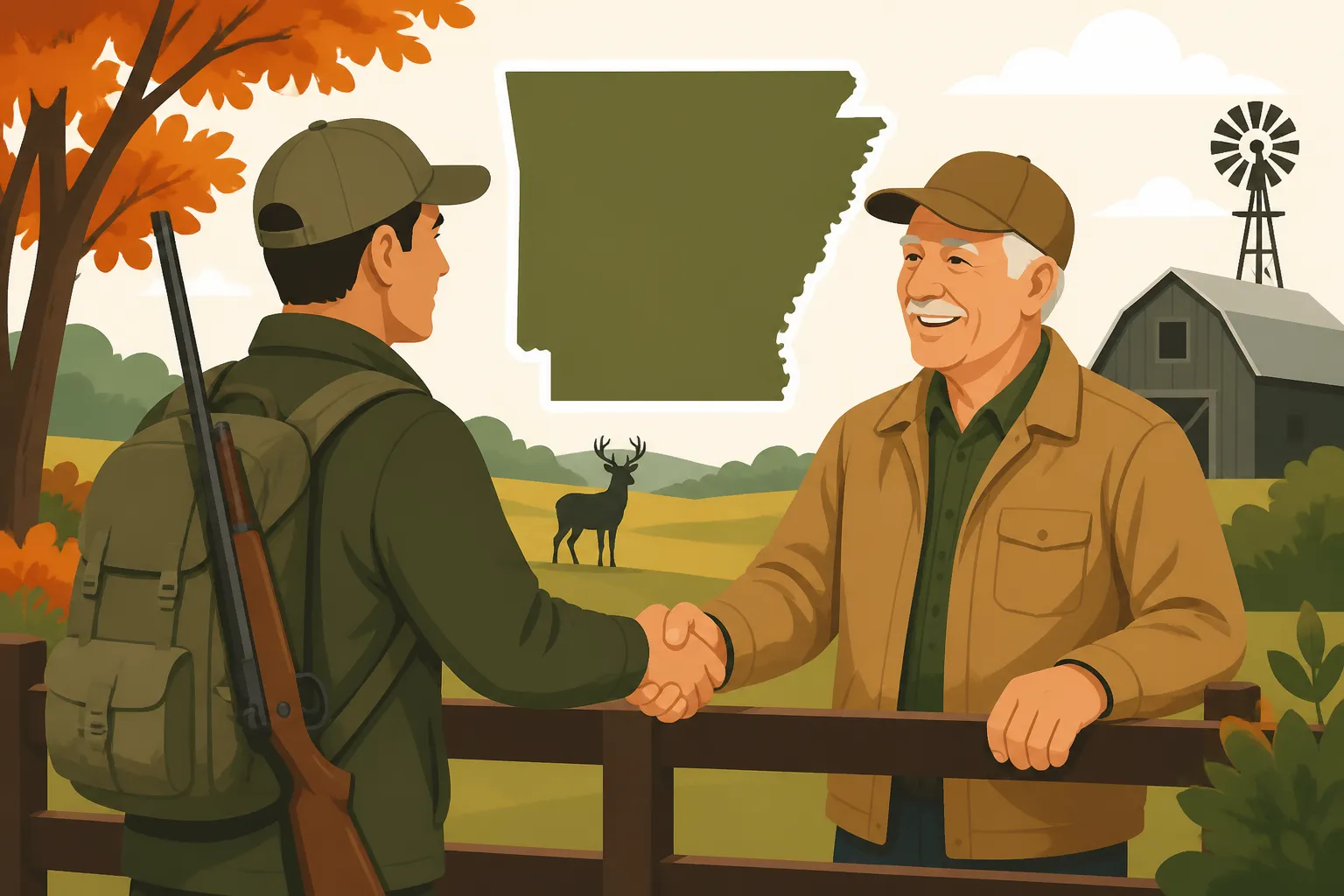
Asking an Arkansas Landowner for Permission
We've all been there: staring at a map, seeing those big blocks of public land, but also noticing all that prime private ground that just seems to hold the deer, the ducks, or the gobblers you're dreaming of. Gaining access to private hunting land in Arkansas can feel like an impossible task, filled with uncertainty and the fear of rejection. This guide is here to walk you through the process of respectfully approaching landowners, building trust, and hopefully, securing that coveted permission to hunt.
The Art of the Ask: Preparing for the Conversation
Asking a stranger for permission to hunt their private land isn't like asking for directions; it requires thought, preparation, and a healthy dose of respect. You're not just asking for a spot to hunt; you're asking for a privilege, and potentially, a long-term relationship. The groundwork you lay before you ever knock on a door can make all the difference.
Scouting and Research Before You Knock
Before you even think about approaching a landowner, you need to do your homework. This isn't just about finding land; it's about understanding the land and showing the landowner you're serious and respectful of their property. Start by identifying parcels of private land that look promising. Maybe it's a timbered block bordering a creek bottom that funnels deer, or a cut-over field edge perfect for rabbits, or even a flooded rice field that you just know ducks are hammering.
Mapping applications are your best friend here. Tools like onX Hunt allow you to overlay property lines onto aerial imagery, showing you who owns what. You can often see the landowner's name and sometimes even contact information right there on your phone. This is invaluable because it tells you exactly who to ask, avoiding that awkward situation where you're talking to a tenant or a neighbor instead of the actual owner. Knowing the property boundaries beforehand is crucial, not just for your request, but for showing your diligence and respect for their property lines. You can also use the Scouting With the AGFC Map Tool as another resource to understand the landscape and public access points nearby, which might inform your pitch. Look for things like water sources, timber types, and potential travel corridors. Knowing a little about their property before you speak to them shows initiative and that you value their land enough to have researched it. You can explore onX Layers for Arkansas Land Status to get even more detailed insights into different property types and potential access points, helping you tailor your approach.
First Impressions and What to Bring
When it comes to asking for permission, first impressions are everything. You're trying to build trust, and that starts the moment they see you. Don't roll up in your mud-caked hunting rig, still wearing your camo from yesterday's hunt, with a grim look on your face. Instead, dress neatly and modestly – think clean jeans or khakis and a collared shirt. You want to look like a responsible individual, not just another hunter eager for a spot.
Be polite, friendly, and speak clearly. Start with a simple introduction: "Hello, my name is [Your Name], and I was hoping to speak with the landowner about a hunting opportunity." Bring a small, thoughtful token of appreciation, if you feel comfortable. This isn't a bribe, but a gesture of goodwill. Something like a freshly baked pie, a small gift basket of local Arkansas goods, or even just a handwritten note with your contact information can leave a lasting positive impression. A simple card with your name, phone number, and a brief explanation of what you're asking for is also a good idea. That way, if they're busy or need time to think, they have your information right there.
| Do's | Don'ts |
|---|---|
| Dress neatly and respectfully | Wear full camo or dirty hunting clothes |
| Introduce yourself clearly | Be vague or hesitant |
| Explain your purpose concisely | Launch into a long, rambling story |
| Bring contact information | Expect an immediate "yes" |
| Offer a small, thoughtful gift (optional) | Show up unannounced at odd hours |
| Be prepared to leave and come back | Be pushy or demanding |
| Acknowledge their time is valuable | Complain about lack of public land |
| Listen more than you speak | Assume permission includes others or future dates |
Understanding Arkansas Trespass Law
It's vital to understand the legal framework surrounding private land access in Arkansas. In our state, hunters are generally required to have permission to hunt on private land. While some states have "implied permission" laws for unposted land, Arkansas law is pretty clear: it's always best to have explicit permission. You don't want to inadvertently become a trespasser, as that can lead to fines, loss of hunting privileges, and a black mark on your name.
This is where the discussion about Arkansas Trespass and Permission Law becomes critically important. Even if land isn't posted with "No Trespassing" signs, it is generally considered private, and you need permission to enter for hunting purposes. If you see signs that explicitly state "No Hunting" or "No Trespassing," that's a clear indicator that access is denied, and you should respect those wishes without question. Furthermore, even if you have verbal permission, getting Do You Need Written Permission in Arkansas? is always the safest bet. It clarifies the terms, dates, and areas where you're allowed to hunt, preventing any misunderstandings down the line. A simple, signed note or email exchange can suffice. This written record protects both you and the landowner. Understanding Arkansas Posted Land Rules will also help you identify areas where a landowner has made their intentions very clear.
Making the Approach: Tips for a Successful Conversation
Now that you've done your homework and presented yourself well, it's time for the actual conversation. This is where your ability to communicate effectively and build rapport will be tested. Remember, you're not just asking for permission; you're often asking them to trust you with their livelihood, their property, and their peace of mind.
Timing and Respect for Their Schedule
Timing is crucial when you approach an Arkansas landowner. Showing up unannounced during dinner, late in the evening, or when they're obviously busy with farm work is a quick way to get a "no" or, at best, a rushed conversation that doesn't go anywhere. Think about when you would want to be interrupted at home. Mid-morning or early afternoon on a weekday, when they might be taking a break from fieldwork or handling errands, is often ideal. Weekends can be tricky, as they might be spending time with family or running their own errands.
If you arrive and see them actively working in a field, tending to livestock, or clearly engaged in something important, it's best to politely wave and indicate you'll come back another time, or ask if it's a good time to chat for a moment. Be prepared for them to say, "Now's not a good time," and graciously accept that. A simple, "No problem at all, I totally understand. When might be a better time for me to swing by, or could I leave my number?" shows you respect their schedule and boundaries. This flexibility goes a long way in demonstrating your consideration and politeness, which are key in building trust. Many landowners appreciate someone who understands the demands of farm life.
What to Say and How to Listen
When you finally get to speak with the landowner, be direct but polite. After introducing yourself, clearly state your purpose. "Sir/Ma'am, I was wondering if you might allow me the opportunity to hunt [deer/ducks/turkeys/squirrels] on your property this season." Be specific about what you want to hunt and why you chose their land. Perhaps you noticed a great block of hardwoods, or a field that always seems to hold birds.
Crucially, focus on what you won't do, and how you will be a responsible guest. Emphasize that you will:
- Always close gates.
- Never litter.
- Stick to specific areas if requested.
- Drive only on designated roads, especially during wet weather to avoid tearing up fields.
- Park in a specific spot.
- Respect their crops, livestock, and any other activities on their land.
- Provide your contact information so they can reach you anytime.
- Always check in with them before you hunt.
Then, listen more than you speak. Let them voice their concerns. They might be worried about noise, damage to fences, safety, or other hunters. Pay close attention to their answers. This is your chance to show empathy and address their specific worries. Maybe they have cattle in a certain pasture; you can assure them you'll avoid that area. Perhaps they've had bad experiences with hunters in the past; acknowledge that and promise to be different. This is often the point where you'll hear about previous hunters who left gates open or shot too close to the house. By listening and validating their concerns, you can offer solutions and reassure them you're not "one of those guys." Remember, you can mention you're a responsible hunter who uses tools like GoHunt to understand game patterns and local regulations, further cementing your image as someone who takes hunting seriously and ethically.
Addressing Concerns and Offering Value
Many landowners have legitimate concerns about granting hunting access. They might worry about liability, property damage, or simply having strangers on their land. Be prepared to address these head-on. While you can't offer legal advice, you can state that you carry your own liability insurance (which many hunting clubs or personal policies offer) or mention that you are aware of Arkansas's recreational use statutes, which often offer some protection to landowners who allow free public access.
Beyond simply alleviating concerns, think about what value you can offer in return. This is often the secret sauce to long-term access. Can you offer to help with chores around the property? Maybe mend a fence, help clean up a brush pile, or even offer some assistance during planting or harvest season? Sometimes, the offer to help report trespassers or keep an eye on their property when they're away can be a huge benefit. If you're successful, sharing some of your harvest – a nice venison roast, a mess of duck breasts, or a few squirrels – can be a wonderful gesture of appreciation. It's not a transactional deal, but a way to build goodwill and show your gratitude. This is part of asking an Arkansas farmer, building that connection.
Beyond the "Yes": Building a Lasting Relationship
Getting permission is just the first step. The real challenge, and the real reward, comes from maintaining that relationship and earning continued access year after year. Treat their property with more respect than you would your own, and always remember it's a privilege, not a right.
Following Through on Your Promises
Every promise you made during your initial conversation? Now's the time to deliver. If you said you'd close gates, always close them. If you said you'd only hunt a specific woodlot, stick to that woodlot. Nothing breaks trust faster than breaking a promise, no matter how small. Always check in with the landowner before you head out to hunt, even if it's just a quick text or phone call. This keeps them in the loop, especially if they have other plans for their land that day.
Communicate openly and honestly. If you notice a downed fence, a sick animal, or suspicious activity on their property, report it to them immediately. You become an extra set of eyes and ears, adding value beyond just harvesting game. If you track a deer onto a neighboring property (which you should have permission for first), let your landowner know what happened. Transparency builds incredible trust. Leave the property cleaner than you found it – pick up any spent shell casings, snack wrappers, or anything else that might have been left behind. Always remember you want to be invited back.
Showing Appreciation Throughout the Year
The relationship doesn't end when hunting season does. Staying in touch and showing appreciation outside of the hunting window is paramount. A simple phone call or card around the holidays, or a quick visit during the summer to see how things are going, can reinforce that you value them beyond just their hunting ground.
Small gestures can make a huge impact. Consider offering to help with seasonal chores – raking leaves, clearing brush, or helping with a project they might have. If you're successful in your hunt, sharing some of the game, as mentioned before, is always a welcome gesture. A gift card to a local store or restaurant, or even a batch of homemade goods, can be thoughtful ways to say thank you. For more ideas, check out Gifts and Thanks for Landowner Access. Remember, this isn't about buying access; it's about genuine gratitude for the opportunity they've given you. They are doing you a favor, and that should never be forgotten.
Navigating Challenges and Maintaining Respect
Even with the best intentions, challenges can arise. What if the landowner says no? Politely thank them for their time, leave your contact information in case they change their mind, and move on. Don't argue, beg, or try to convince them. Their property, their rules. A respectful "no" today might turn into a "yes" next year if you leave a positive impression.
Sometimes, the rules might change. Perhaps they decide to lease their land, or a family member wants to hunt it. If your access is revoked or altered, accept it graciously. Understand that landownership comes with its own set of decisions, and you're a guest. Maintain respect, thank them for the past opportunities, and cherish the time you had. Clear communication is always the best policy. If you have any questions about boundaries, dates, or other hunters, address them directly and respectfully with the landowner. Avoid assumptions. Building a strong relationship with an Arkansas landowner is a long-term investment, but the rewards of access to prime hunting ground and a genuine connection with a local family are priceless. Just make sure you understand the Reporting a Poacher in Arkansas guidelines, as offering to be eyes on the ground can be a huge benefit to any landowner.
Disclaimer
This article is for general informational purposes only and does not constitute professional advice. Laws, prices and regulations vary by location and change over time. Consult a qualified professional for guidance on your specific situation.