Arkansas Green Tree Reservoir Closures
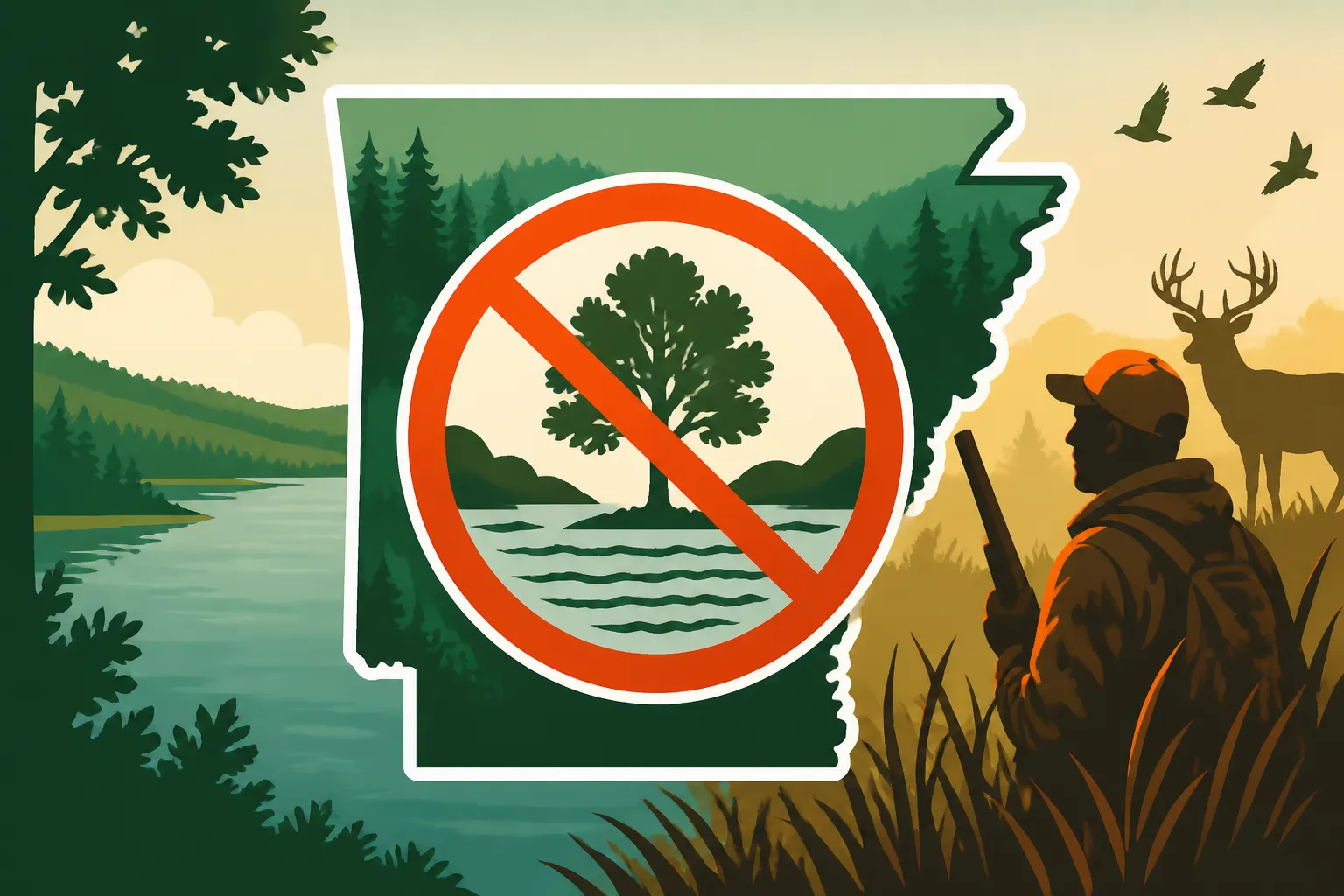
There’s nothing quite like the feeling of anticipation as you pull up to your favorite green tree reservoir (GTR) on an Arkansas WMA, picturing a flight of mallards buzzing the timber. But then, you see it – a gate locked, a sign posted, or the tell-tale dry ground where water should be. Suddenly, your carefully planned hunt for Hunting Arkansas Flooded Green Timber feels like it’s hit a snag. This guide is all about helping you understand why these vital duck habitats sometimes close, what those closures mean for your hunting plans, and how to adapt so you can still find success in the Natural State.
Understanding Arkansas Green Tree Reservoirs and Their Value
Green Tree Reservoirs are, for many of us, the very heart of Arkansas duck hunting. They represent a unique and incredibly productive habitat, carefully managed by the state to attract and hold migratory waterfowl. But what exactly makes them so special, and why do they sometimes require intervention?
What Makes Green Tree Reservoirs So Special?
Imagine a vast bottomland hardwood forest, usually dominated by various species of oaks, cypress, and tupelo. Now, picture that forest intentionally flooded with shallow water, transforming it into a duck hunter's paradise. That's a Green Tree Reservoir. These are typically found on public lands, especially within our Wildlife Management Areas (WMAs) in the Delta, where managers can control water levels with remarkable precision.
The allure for ducks is obvious: it's a buffet and a sanctuary rolled into one. Flooded timber provides an abundance of natural food sources, primarily acorns from the various oak species, which are incredibly high in energy for wintering birds. Beyond the acorns, the flooded environment teems with invertebrates that ducks eagerly gobble up. The standing trees offer crucial cover from aerial predators like eagles and hawks, and the dense canopy creates a relatively sheltered environment where ducks can rest and feed. For hunters, it's the quintessential Arkansas duck experience – the splash of incoming wings, the echoing calls of mallards in the trees, and the thrill of a close-range shot over decoys. It’s why so many of us dream of chasing Why Mallards Winter in Arkansas.
The Ecosystem Behind the Hunt
While GTRs are fantastic for ducks and hunters alike, it's crucial to remember that a GTR is, first and foremost, a forest. These aren't just ponds; they are living ecosystems with trees that need cycles of wet and dry conditions to thrive. The bottomland hardwoods that form these GTRs are adapted to seasonal flooding, but there's a delicate balance at play.
If water is held too long, too deep, or, critically, during the wrong time of year (especially during the growing season in spring and summer), it can severely stress and eventually kill the trees. Imagine trying to live with your feet constantly submerged; eventually, it takes its toll. The roots of these magnificent oaks, which are responsible for producing the very acorns that attract the ducks, need oxygen. Prolonged inundation starves them of this oxygen, leading to weakened trees, reduced acorn production, and ultimately, widespread timber die-offs. This long-term impact on forest health is precisely why GTR management is so complex and why sometimes, temporary closures or altered water regimes become absolutely necessary. It's a balancing act between providing prime duck habitat and ensuring the longevity of the forest itself.
The Critical Need for Green Tree Reservoir Closures and Rest Periods
For hunters who rely on these areas, seeing a favorite GTR closed can be a real punch to the gut. We plan our seasons around specific spots, scouting and dreaming of those timber holes. But these closures aren't arbitrary; they're a vital part of a long-term strategy to protect the very resource we cherish.
Why Arkansas Rested Some Green Timber: Protecting the Resource
The hard truth is that in many parts of the state, especially some of the most famous duck hunting WMAs, certain green timber areas were showing severe signs of stress and decline. Decades of continuous or poorly timed flooding, aimed at maximizing hunter opportunity, inadvertently began to kill the very trees that made these areas special. This timber die-off wasn't just unsightly; it threatened the ecological function of the GTRs, leading to a significant reduction in natural food sources for ducks and ultimately diminishing the quality of the hunting experience for everyone. This is part of the broader conversation around Why Some Arkansas Green Timber Is Dying.
To combat this, wildlife agencies had to make some tough decisions. Resting these timber units, often by not flooding them at all for a season or longer, or by significantly altering the flooding schedule, allows the trees to recover. It gives their root systems a chance to breathe, allows new seedlings to establish, and helps existing trees regain the vigor needed to produce abundant acorns. It's a short-term sacrifice of hunting access for the long-term health and sustainability of the habitat. Think of it as putting a prized hunting dog on injured reserve – you miss having them in the field for a bit, but it's essential for their future performance.
Different Types of GTR Management and Their Reasons
Not all GTR "closures" are the same, and understanding the nuances can help you anticipate and adapt. Wildlife managers employ several strategies, each with a specific goal:
- Full Seasonal Closure: This is the most impactful for hunters. An entire GTR unit might be closed to hunting and/or flooding for a full duck season, sometimes even for multiple years. The primary reason is severe timber stress, aiming for a complete ecological reset and regeneration.
- Partial Seasonal Closure: Some WMAs might implement closures only on specific days of the week, or only open a GTR unit for hunting during certain hours (e.g., morning only). This helps to reduce hunter pressure and allows ducks to rest and feed undisturbed for parts of the week, improving overall duck usage and quality of hunting.
- Rotational Closures: In larger WMAs with multiple GTR units, managers might implement a rotating schedule where different units are closed in different years. This provides cyclical rest to various parts of the forest, preventing widespread stress and ensuring that some timber is always recovering while other areas are huntable.
- Water Level Manipulation: Even if a GTR isn't fully "closed," managers might choose not to flood it to its traditional levels, or delay flooding until later in the season. This is often done to promote acorn production in a specific year, as trees can be sensitive to flooding during critical periods of their growth cycle. A lower water level effectively reduces the huntable timber area.
- Hunter Pressure Management: Sometimes, closures or draw hunts (like those for Arkansas WMA Duck Hunt Draws) are used to manage overcrowding, ensuring a safer and more enjoyable experience for hunters, and preventing ducks from being consistently "blown out" of an area.
Here's a quick overview of these management approaches:
| Closure/Management Type | Primary Reason | Hunter Impact | Long-Term Goal |
|---|---|---|---|
| Full Seasonal Closure | Severe timber stress, regeneration | No hunting access to that unit for the season | Full recovery of forest health |
| Rotational Closure | Prevent stress, cyclical rest | Huntable one year, closed the next; unpredictability | Sustainable acorn production and timber health |
| Water Level Limits | Acorn production, tree health | Reduced huntable area, less consistent conditions | Ensure oaks survive and produce food |
| Partial Day/Week Closure | Overcrowding, quality of hunt | Fewer hunting days, specific entry rules | Improve hunter experience and duck usage |
| Delayed Flooding | Timing for acorn drop or tree health | Later access to huntable timber | Maximize natural food availability |
Navigating Closed or Restricted Green Timber Areas in Arkansas
Finding out your preferred green timber spot is closed can be deflating, but it doesn't have to ruin your hunt. The key to success when facing GTR closures is staying informed and being proactive.
Staying Informed: Your Best Defense
Your single most powerful tool against unexpected closures is information. Never assume your favorite spot will be open and huntable exactly as it was last year. Things change, and it’s up to us as responsible hunters to stay current.
First and foremost, make the state wildlife agency's website your primary resource. They provide detailed WMA regulations, specific water reports, and announcements regarding any GTR closures or altered management plans. Many WMAs have individual sections with specific maps and rules. Check these pages before you pack your truck, and even consider checking them again on your drive if you're traveling a long distance, as conditions can change rapidly due to weather or water management decisions.
Consider signing up for any email or text alerts your wildlife agency might offer. These can be invaluable for real-time updates on water levels, closures, or special advisories. While you can always glean insights from other hunters at the coffee shop or bait store, verified information from the source is always best.
And don't forget modern mapping tools. Apps like onX Hunt or GoHunt are incredibly useful. They often have layers for WMA boundaries, public/private land distinctions, and can sometimes even be updated to show specific closure areas or restricted zones if the agencies provide that data. Even if they don't show the exact closure, they are invaluable for identifying alternative access points, understanding the lay of the land, and finding new potential spots on nearby public ground. Use them as part of your Scouting Arkansas Public Land Before Season strategy. These tools are fantastic for exploring new areas, marking potential timber holes, and ensuring you know precisely where you stand in relation to WMA boundaries and private property.
What do the WMA Signage and Maps Tell You?
Once you're at or near a WMA, pay close attention to all signage. Management units within a WMA can have very specific rules that might differ from general state hunting regulations or even other units within the same WMA. Look for signs detailing water levels, hunting dates, access restrictions, or explicit closures. These signs are there for a reason and must be obeyed.
Don't just glance at the entry sign; often, detailed maps or brochures are available at kiosk points, or downloadable versions are provided online. These WMA maps can be quite complex, using specific symbols or color-coding to indicate different types of habitat, access roads, and, crucially, areas that are closed, restricted, or have specific usage rules. For example, a map might show a particular "compartment" of timber designated as a rest area, or indicate that ATVs are only allowed on certain trails. Understanding Arkansas WMA Rules and Permits is paramount for a legal and ethical hunt. Always confirm the specific "unit" or "compartment" of the WMA you plan to hunt and cross-reference it with any known closures. The last thing you want is to set up a blind only to discover you're in a permanently closed area.
Adapting Your Hunt When Your Favorite GTR is Closed
It's natural to feel frustrated when your carefully planned timber hunt is disrupted by a GTR closure. But the beauty of Arkansas hunting is its diversity. These situations are excellent opportunities to expand your skills, explore new areas, and become a more well-rounded duck hunter.
Exploring Alternative Habitats and WMAs
Don't let a GTR closure keep you off the water. If the green timber isn't an option, Arkansas offers a fantastic array of alternative habitats where ducks will still be congregating.
Consider flooded agricultural fields. The Delta region, in particular, is famous for its vast expanses of rice, corn, and soybean fields that hold significant numbers of ducks, especially mallards, pintails, and geese. Hunting these fields requires a different approach – typically layout blinds or pit blinds, larger decoy spreads, and different calling techniques – but it can be incredibly productive. You can dive deeper into this with Hunting Rice Fields and Levees.
Another great option is open water hunting on reservoirs or large rivers. Lakes like Millwood, Nimrod, or some of the larger navigation pools on the Arkansas River can host impressive numbers of diver ducks (like ringnecks and scaup) and puddle ducks alike, especially in severe cold snaps when other water bodies freeze. This type of hunting often involves larger boat blinds and big spreads of decoys. For more on this, check out Hunting Arkansas Reservoir Ducks.
Don't overlook moist-soil units. These are intentionally managed wetland areas, often featuring smartweed, millet, and other natural duck foods, usually with shallow water. While they might not offer the classic timber experience, they are duck magnets, especially for dabblers. Hunting Arkansas Moist-Soil Units can give you more insight into this often-underestimated habitat.
Arkansas boasts many public hunting opportunities beyond just one or two well-known WMAs. If one green timber area is closed, there might be another not too far away, or a WMA known for field hunting that's wide open. Use your mapping apps like onX Hunt to scope out new WMAs, identify potential access points, and scout habitat types you might not typically consider. GoHunt can also provide valuable insights into WMA regulations and habitat characteristics, helping you discover new spots and broaden your hunting horizons. Explore lists like Arkansas Delta WMAs and Green Timber for ideas on alternative locations.
Adjusting Your Tactics and Mindset
A change in habitat almost always means a change in tactics. If you're used to the quiet, close-quarters calling of timber hunting, switching to a wide-open rice field will require different skills. You'll need to think about wind direction differently, consider the visibility of your blind from longer distances, and likely adjust your calling to carry across open spaces, as detailed in How Timber Calling Differs From Open Water.
Embrace this as an opportunity to become a more versatile and adaptable hunter. The ducks are going to be somewhere, and finding them when your usual spots are unavailable makes for a truly rewarding challenge. Focus on what is open and accessible, rather than dwelling on what isn't. Observe local conditions: where are the ducks flying? What food sources are available? Sometimes, a cold front might push birds into unexpected areas, and being flexible allows you to capitalize on those opportunities.
Remember, these GTR closures are made with the long-term health of the resource in mind. It's a difficult decision for wildlife managers, but one that ensures future generations of hunters will still have the chance to experience the magic of Arkansas green timber. By adapting our mindset and diversifying our hunting strategies, we support these conservation efforts and continue to enjoy the incredible waterfowl hunting opportunities our state provides. Even in a partially open GTR, water levels and duck behavior might be different, requiring you to carefully consider Entry Routes Through Flooded Timber and where the birds might be resting or feeding.
Disclaimer
This article is for general informational purposes only and does not constitute professional advice. Laws, prices and regulations vary by location and change over time. Consult a qualified professional for guidance on your specific situation.