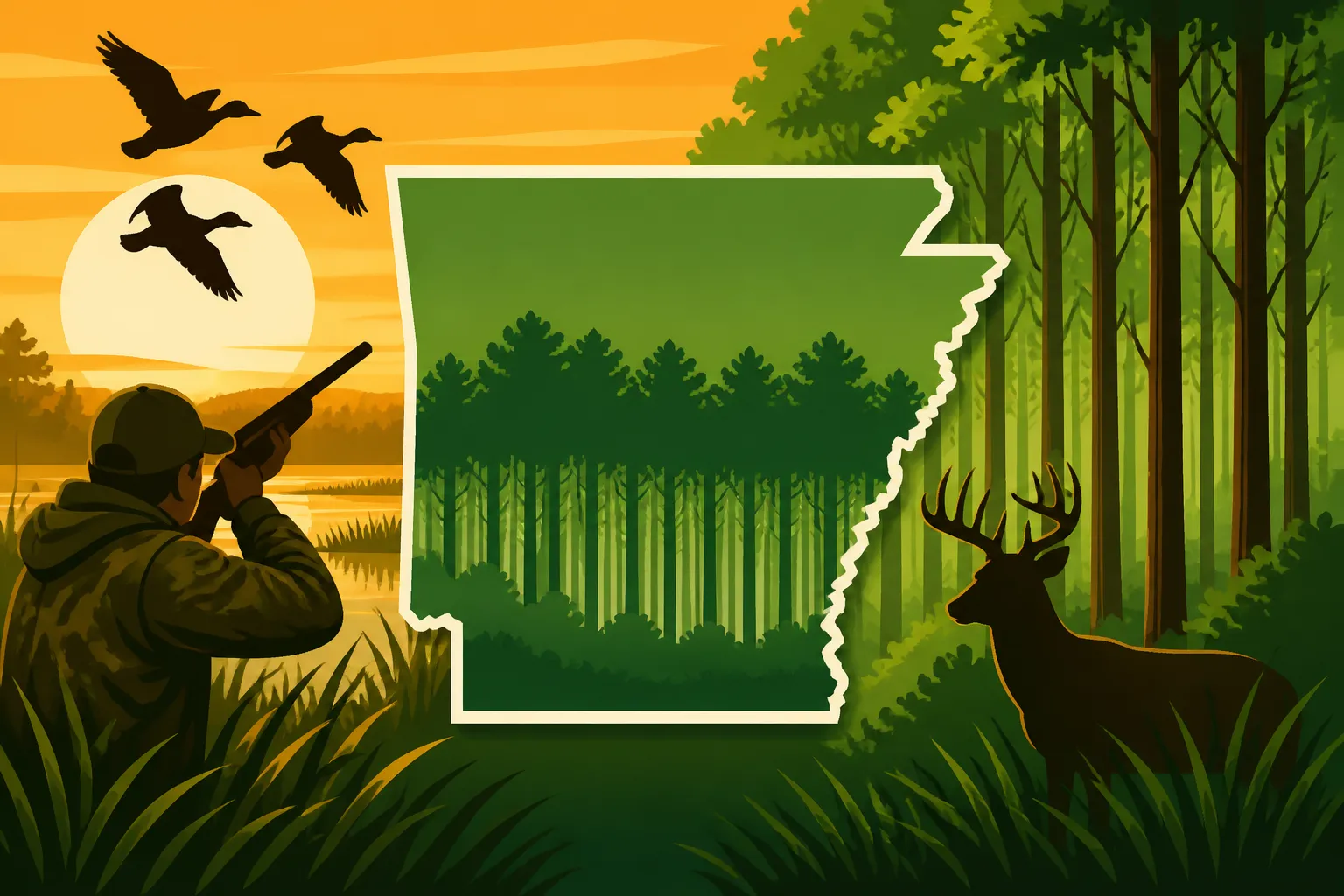
Arkansas Delta WMAs and Green Timber
The Arkansas Delta holds a special place in the hearts of hunters, a vast landscape of flooded timber, cypress breaks, and agricultural fields that draws waterfowl by the millions. But for newcomers and even seasoned hunters, navigating these unique public lands, particularly the famed green timber reservoirs (GTRs), presents a host of challenges that can quickly turn a dream hunt into a frustrating slog. This guide will walk you through the intricacies of Arkansas Delta Wildlife Management Areas (WMAs) and the art of hunting their iconic green timber, helping you understand the terrain, master the tactics, and appreciate the conservation efforts that make these hunts possible.
Understanding the Allure of the Arkansas Delta and Green Timber
There’s nothing quite like the sound of whistling wings slicing through frosty air, followed by the splash of mallards cupped over decoys in flooded timber. This isn't just a fantasy; it's a regular occurrence in the Arkansas Delta, a region steeped in waterfowl hunting tradition. The flat, fertile lands of eastern Arkansas, crisscrossed by rivers like the Cache, White, and St. Francis, create an almost irresistible magnet for migrating ducks and geese on the Mississippi Flyway.
The Mystique of Flooded Timber Hunting
For many, flooded timber hunting is the pinnacle of duck hunting. Imagine standing chest-deep in frigid water, camouflaged by the trunks of majestic oak and cypress trees, waiting for the first rays of dawn to pierce the canopy. The echoes of your duck call bouncing through the dense woods, drawing in weary travelers, is an experience that transcends mere sport. It's an immersion into nature, a test of skill, and a deep connection to a place that feels ancient and wild. Unlike open-water hunting, where distances can be vast, green timber hunting often means ducks are working directly overhead, offering intimate, heart-pounding encounters. This close-quarters action demands precision calling and quick reflexes, creating memories that last a lifetime. Hunting Arkansas Flooded Green Timber is truly a unique challenge.
The Rich Ecosystem of the Delta
The Delta is more than just flooded timber; it's a dynamic mosaic of sloughs, oxbow lakes, moist-soil units, agricultural fields, and bottomland hardwoods. This incredible biodiversity supports not only millions of waterfowl but also a healthy population of white-tailed deer, turkeys, and small game. The fertile soils, remnants of countless floods over millennia, produce abundant natural foods like acorns, smartweed, and native grasses, providing crucial forage for wildlife. The network of waterways serves as both travel corridors and resting areas, making the Delta a critical stopover and wintering ground for a vast array of species. Hunters here aren't just pursuing game; they're experiencing one of North America's most productive and important wetland ecosystems.
Historical Significance for Waterfowlers
Arkansas has earned its moniker as the "Duck Capital of the World" for good reason. For generations, hunters have flocked to the state's eastern regions, drawn by the sheer numbers of ducks that historically descended upon its flooded landscapes. From the early market hunters who pioneered techniques in the vast swamps to the formation of prestigious hunting clubs and the rise of modern waterfowl management, Arkansas has been at the forefront of the sport. Iconic locations like Stuttgart, often called the "Rice and Duck Capital," testify to this deep-rooted tradition. Understanding this history helps appreciate the enduring appeal and importance of preserving these vital hunting grounds for future generations.
Navigating Arkansas Delta WMAs: Access and Rules
Public hunting land in the Arkansas Delta provides incredible opportunities, but it also comes with its own set of rules and logistical challenges. Unlike hunting vast tracts of dry timber, Delta WMAs often involve deep water, dense cover, and competition from other hunters.
Key Characteristics of Delta WMAs
Arkansas Delta WMAs are typically characterized by their flat topography, which allows for extensive sheet flooding, either naturally from river overflows or through controlled water management. Many of these areas feature vast expanses of bottomland hardwood forests, often managed as green tree reservoirs (GTRs), alongside open marsh and agricultural fields. This diversity means you might be wading through cypress brakes one day and sitting in a blind overlooking a flooded rice field the next. The habitat dictates the hunting style, making versatility a key trait for success here. Knowing how to read a map, both topographic and aerial, is crucial for understanding the flow of water and potential duck movement.
Access Challenges: Water, Mud, and Terrain
One of the biggest hurdles for hunters in Delta WMAs is access. When the water is up, which is exactly when you want to hunt, navigating these areas can be extremely difficult. Shallow-draft boats, kayaks, canoes, or even airboats are often necessary to reach prime spots deep within the timber. Expect to wade through mud, cross fallen logs, and push through dense undergrowth. The water levels can fluctuate dramatically, turning a clear path into an impassable swamp overnight. It's not uncommon to park your vehicle a considerable distance from your desired hunting spot, requiring a long boat ride or strenuous wade in the dark. Planning your Entry Routes Through Flooded Timber is paramount. Always check current water levels and access points before heading out, as what was accessible last week might be completely different today.
General WMA Rules and Regulations for Waterfowl
Hunting on Arkansas WMAs comes with specific regulations designed to manage wildlife populations and hunter pressure. For waterfowl, this often means specific shooting hours, nontoxic shot requirements, and limitations on where and how you can set up blinds or use ATVs. Some WMAs, particularly popular green timber areas, may require special permits or participate in draw hunts to allocate limited access or manage crowds. It's absolutely critical to review the current Arkansas Game and Fish Commission (AGFC) regulations for the specific WMA you plan to hunt. Failure to do so can result in fines and loss of hunting privileges. Always have your license, stamps, and WMA permit (if required) readily available. Arkansas WMA Permits and Draw Hunts is a must-read before you go.
The Lifeline of the Delta: Green Tree Reservoirs (GTRs)
Green Tree Reservoirs are the beating heart of duck hunting in the Arkansas Delta. These aren't just naturally flooded woods; they are carefully managed ecosystems designed to provide optimal waterfowl habitat.
What are Green Tree Reservoirs?
A Green Tree Reservoir (GTR) is essentially a bottomland hardwood forest where water levels are manipulated to attract and hold migrating waterfowl. During the late fall and winter, these areas are intentionally flooded, creating perfect feeding grounds for ducks that gorge on the abundant acorns and other mast crops produced by the submerged trees. As spring approaches, the water is typically drawn down, allowing the trees to dry out and complete their growing cycle, preventing timber mortality. This cycle of flooding and drying is crucial for the health of the forest and its ability to provide food and cover year after year. Green Tree Reservoirs and Timber Health is a complex science, ensuring these vital habitats remain productive.
The Critical Role of Water Management
Effective water management is the cornerstone of a successful GTR. This involves an intricate system of levees, gates, and pumps that allow wildlife managers to precisely control water levels. The timing and depth of flooding are critical. Flooding too early can drown acorns before they mature or make them inaccessible. Flooding too deep can stress or kill the trees, especially if water remains on them during their growing season. The goal is to mimic natural flood cycles while enhancing conditions for waterfowl. This careful manipulation ensures that migrating ducks find the food and sanctuary they need, keeping them in Arkansas throughout the winter.
Impact of Water Cycles on Timber Health and Hunting
While GTRs are fantastic for ducks, the constant manipulation of water levels can stress the very trees they depend on. Prolonged flooding during the growing season or insufficient drainage can lead to timber mortality, changing the character of the forest. Wildlife managers constantly monitor the health of these vital woodlands, sometimes implementing draw-down schedules or resting certain areas to allow the timber to recover. For hunters, this means paying close attention to WMA announcements about water levels and specific unit closures. A timber hole that was legendary last year might be dry or undergoing a rest period this season. Understanding these cycles helps hunters adapt their strategies and appreciate the delicate balance required to maintain these unique hunting grounds.
Top Arkansas Delta WMAs for Green Timber and Waterfowl
The Arkansas Delta boasts several world-renowned WMAs, each offering a distinct hunting experience. These areas are heavily managed and consistently hold impressive numbers of waterfowl, making them prime destinations for green timber enthusiasts.
Bayou Meto WMA: The Legendary Timber Hole
When people think of Arkansas green timber duck hunting, Bayou Meto WMA often comes to mind first. This sprawling WMA, encompassing tens of thousands of acres of bottomland hardwoods, is iconic for its legendary timber holes and incredible duck hunting opportunities. The area is largely managed as a GTR, with complex water control structures creating ideal conditions for mallards and other dabbling ducks. Getting to a spot in Bayou Meto can be an adventure in itself, often requiring extensive boat travel through winding sloughs and flooded timber. Hunters here pride themselves on their calling abilities and knowledge of duck behavior in the timber. It's a place where tradition runs deep, and the competition can be fierce. Bayou Meto WMA Duck Hunting is a rite of passage for many.
Dave Donaldson Black River WMA: Diverse Delta Habitat
Located further north in the Delta, Dave Donaldson Black River WMA offers a vast and diverse hunting landscape. While it features excellent green timber, it also includes extensive open marsh, moist-soil units, and cypress sloughs, attracting a broader spectrum of waterfowl species. This WMA provides opportunities for both timber hunting and more open-water or field-edge setups. Its size and varied habitat can sometimes mean less concentrated hunter pressure in certain areas compared to other, more famous green timber spots. Access often depends on water levels on the Black River itself, which influences flooding patterns throughout the WMA. Dave Donaldson Black River WMA offers a truly comprehensive Delta hunting experience.
Rex Hancock Black Swamp WMA: A Truly Wild Experience
For those seeking a more rugged and less manipulated experience, Rex Hancock Black Swamp WMA is a gem. This WMA preserves a significant tract of bottomland hardwood and cypress-tupelo swamp, offering a glimpse into what the vast Arkansas wilderness once looked like. While it has some managed areas, much of Black Swamp is influenced by natural flooding from the Cache River. This means hunting here can be more unpredictable, relying heavily on natural water levels and current conditions. It often requires more effort to navigate, but the reward is a sense of wilderness hunting that's increasingly rare. Ducks here can be less pressured in deeper, more remote areas, providing excellent opportunities for those willing to work for it. Rex Hancock Black Swamp WMA remains a treasure for its untamed beauty.
Other Notable Delta WMAs
Beyond these giants, several other Delta WMAs contribute significantly to Arkansas's waterfowl hunting landscape. Dagmar WMA, known for its unique cypress stands and managed timber, is another popular destination. Freddie Black Choctaw Island WMA, located along the Arkansas River, offers prime bottomland habitat that benefits from river overflows. Wattensaw WMA and Henry Gray Hurricane Lake WMA also provide excellent opportunities, often featuring a mix of flooded timber and open water. Each of these WMAs has its own character, rules, and access points, making it important to research specific regulations before planning a trip.
| WMA Name | Primary Habitat Types | Key Characteristics | Access Notes |
|---|---|---|---|
| Bayou Meto WMA | Flooded Timber (GTRs), Moist-Soil | Iconic, high pressure, mallard haven | Requires boat/wading, complex water levels, check AGFC alerts |
| Dave Donaldson Black River WMA | Diverse: Timber, Marsh, Fields | Large, varied opportunities, good for mixed bags | River-dependent flooding, multiple access points |
| Rex Hancock Black Swamp WMA | Natural Flooded Timber, Cypress Swamp | More wilderness feel, Cache River influence | Can be difficult, relies on natural water, less manipulated |
| Dagmar WMA | Flooded Cypress-Tupelo, Timber | Unique cypress habitat, managed water, often busy | Road access can be limited by water, internal trails for wading |
| Freddie Black Choctaw Island WMA | Bottomland Hardwoods, River Backwaters | River flooding, good late-season potential, less GTRs | Boat access vital, influenced by Arkansas River levels |
Strategies for Hunting Green Timber in Delta WMAs
Hunting green timber is an art form. It's not just about hiding in the woods; it's about understanding the nuances of duck behavior in this unique environment.
Scouting Water Levels and Acorn Production
Successful timber hunting starts long before the season opens. Scouting is absolutely critical. First, you need to understand the water. Reading Water in the Arkansas Delta is an essential skill. Are the GTRs being flooded? What are the river gauges doing? Is there natural sheet water in the woods from heavy rains? Ducks go where the water is, especially if it provides access to food. Second, scout for food, primarily acorns. A strong acorn crop, especially from red oaks and pin oaks, will be a major draw for mallards. Look for areas with fresh cuttings or signs of ducks feeding. Sometimes, the best timber holes aren't the ones that look perfect, but the ones holding the most accessible food. Use mapping tools like onX Hunt to mark potential acorn flats and track water depths if possible.
Reading the Wind and Thermals in Timber
In green timber, wind is your friend, but it behaves differently than in open country. Ducks prefer to land and take off into the wind. When setting up your spread and hiding, always position yourself so the ducks will finish into the wind, ideally putting them directly in front of your shooting lane. In dense timber, wind can swirl and create tricky currents, so pay close attention to how it's moving through the canopy. Thermals, while less pronounced than in mountainous regions, can also play a role, especially on calm, clear mornings. As the air warms, it rises, and ducks might be more active later in the morning as these subtle air currents begin to move around. Understanding Wind and Thermals in Ouachita Hollows might offer some transferable insights, but timber offers unique challenges.
Decoy Spreads and Calling Techniques for Timber
Decoy spreads in timber are usually much smaller and more natural than in open water. Forget massive spreads of dozens of decoys. Often, a half-dozen mallard decoys, strategically placed to mimic relaxed birds feeding on acorns, is all you need. Focus on creating an open landing zone, usually into the wind, and ensure your decoys are visible but not cluttered. Motion is key; a jerk cord or a spinning-wing decoy (if allowed) can make a huge difference in attracting attention in the still timber. For calling, How Timber Calling Differs From Open Water is important. Timber calling is typically softer, more subtle, and realistic. Focus on contented feed calls, soft quacks, and aggressive hail calls only when ducks are far off. Once they're close, less is often more. The sound bounces around in the timber, so a loud call can sound unnatural and blow birds out. Master the soft chatter and feeding chuckle to convince birds to commit. Setting Decoys in Timber Holes and Calling Ducks in Tight Arkansas Timber are crucial skills to develop.
Essential Gear and Preparation for Delta Green Timber Hunts
Heading into the Delta's green timber unprepared is a recipe for a miserable hunt. The conditions are demanding, and having the right gear is non-negotiable for safety, comfort, and success.
Waders, Boats, and Motors: Getting Around
First and foremost, you'll need reliable waders. Chest waders are a minimum, but insulated chest waders are often preferred for the cold, deep water you'll encounter. Neoprene or breathable waders with good insulation are key. As for transportation, a shallow-draft boat or pirogue is almost essential for reaching many prime timber spots. Jon boats with small outboard motors, mud motors, or even airboats are common. Make sure your boat is reliable, well-maintained, and equipped with all necessary safety gear like life vests, lights, and a whistle. For navigating through dense timber, a strong trolling motor or a dependable mud motor can save you a lot of grief. Always have extra fuel, especially if you're venturing deep into a WMA.
Shotguns, Ammunition, and Nontoxic Shot
Your shotgun needs to be reliable and capable of handling repeated exposure to wet, cold conditions. Many hunters prefer 12-gauge shotguns, but 20-gauge can also be effective. Pattern your shotgun with the nontoxic shot you plan to use well before the season. Speaking of nontoxic shot, it is absolutely mandatory for all waterfowl hunting in Arkansas, especially on WMAs. Steel shot, bismuth, or tungsten-iron alloys are common choices. Make sure you have plenty of ammunition, as follow-up shots in the timber can be challenging. Load up with shells appropriate for timber hunting, often heavier loads with larger shot sizes (like #2 or BB) for mallards pitching into the trees. Nontoxic Shot Rules in Arkansas are strictly enforced.
Navigation Tools and Safety Gear
Getting lost in a vast green timber WMA in the dark is a very real possibility. A reliable GPS unit or a smartphone with a robust hunting app like onX Hunt is indispensable. Download offline maps for the area you'll be hunting, as cell service can be spotty or nonexistent. Mark your starting point, your vehicle, and your planned route. A compass and paper map are excellent backups. Beyond navigation, always carry a headlamp or flashlight with spare batteries. A first-aid kit, whistle, duck call lanyard, waterproof bag for electronics, and plenty of water and snacks are also essential. If hunting with a boat, include items like paddles, a throw cushion, and extra rope. Always tell someone where you're going and when you expect to return. Being prepared for any eventuality is crucial for a safe and enjoyable hunt.
Challenges and Conservation in the Arkansas Delta
While the Arkansas Delta offers unparalleled hunting opportunities, it also faces significant challenges. Understanding these issues helps hunters become better stewards of this precious resource.
Hunting Pressure and Crowds on Public Land
One of the undeniable realities of hunting popular Delta WMAs, especially green timber, is hunting pressure. On peak weekends, opening day, or during good duck flights, parking lots can fill up, and hunters might find themselves competing for prime spots. This pressure can make ducks wary and push them into harder-to-reach areas or force them to become nocturnal. It's a frustration many hunters face, but it's also a part of hunting highly sought-after public land. To mitigate this, consider hunting during weekdays, venturing further into the WMA than others, or targeting less popular spots. Using the AGFC map tool, and layered maps from providers like onX Hunt, can help identify areas that might see less traffic. Hunting Pressure on Arkansas WMAs is a constant factor.
The Dynamic Nature of Water and Weather
The success of a Delta duck hunt is intrinsically linked to water and weather. Too little water, and ducks can't access food in the timber. Too much, and they scatter across a vast landscape, making them harder to concentrate. Early season hunts might be impacted by warm weather, which keeps ducks further north. Mid-season cold fronts can push birds down, but extreme cold can freeze up smaller water bodies. The weather also impacts hunter comfort and safety. Freezing rain, heavy fog, or strong winds can make a hunt challenging, if not dangerous. Adapting to these dynamic conditions is a key aspect of Delta hunting. When the Delta Floods Too Much can seriously impact hunting access and quality.
Conservation Efforts and Habitat Preservation
The incredible hunting opportunities in the Arkansas Delta would not exist without dedicated conservation efforts. Organizations like Ducks Unlimited, Delta Waterfowl, and the Arkansas Game and Fish Commission work tirelessly to acquire, restore, and manage wetland habitats. This includes the maintenance of GTRs, the development of moist-soil units, and working with private landowners to implement duck-friendly agricultural practices. Hunters, through their license fees, duck stamps, and direct donations, are the primary funders of these efforts. However, challenges persist, including habitat loss, changing agricultural practices, and the long-term health of the timber itself. Being an informed and ethical hunter, supporting conservation, and advocating for wetland preservation are crucial responsibilities for anyone who cherishes the Delta's hunting heritage.
Disclaimer
This article is for general informational purposes only and does not constitute professional advice. Laws, prices and regulations vary by location and change over time. Consult a qualified professional for guidance on your specific situation.