Arkansas Bear Bag Limit
The thrill of chasing black bears through the rugged Arkansas wilderness is an experience unlike any other, but let's be honest, trying to navigate all the regulations can feel like deciphering ancient runes sometimes. From season dates that shift to specific zone closures, it's enough to make your head spin before you even strap on your pack. This comprehensive guide is here to untangle the complexities of the Arkansas bear bag limit, ensuring you understand exactly what's expected of you, so you can hunt with confidence and stay on the right side of the law.
Understanding the Arkansas Bear Bag Limit
When you set your sights on a black bear in Arkansas, one of the first, and most critical, pieces of information you need to grasp is the state's bear bag limit. This isn't just a suggestion; it's a fundamental rule that dictates how many bears you, as an individual hunter, are legally allowed to harvest within a specific hunting season. Getting this wrong can lead to serious consequences, so let's dig into what it truly means for your hunt.
The General Statewide Rule
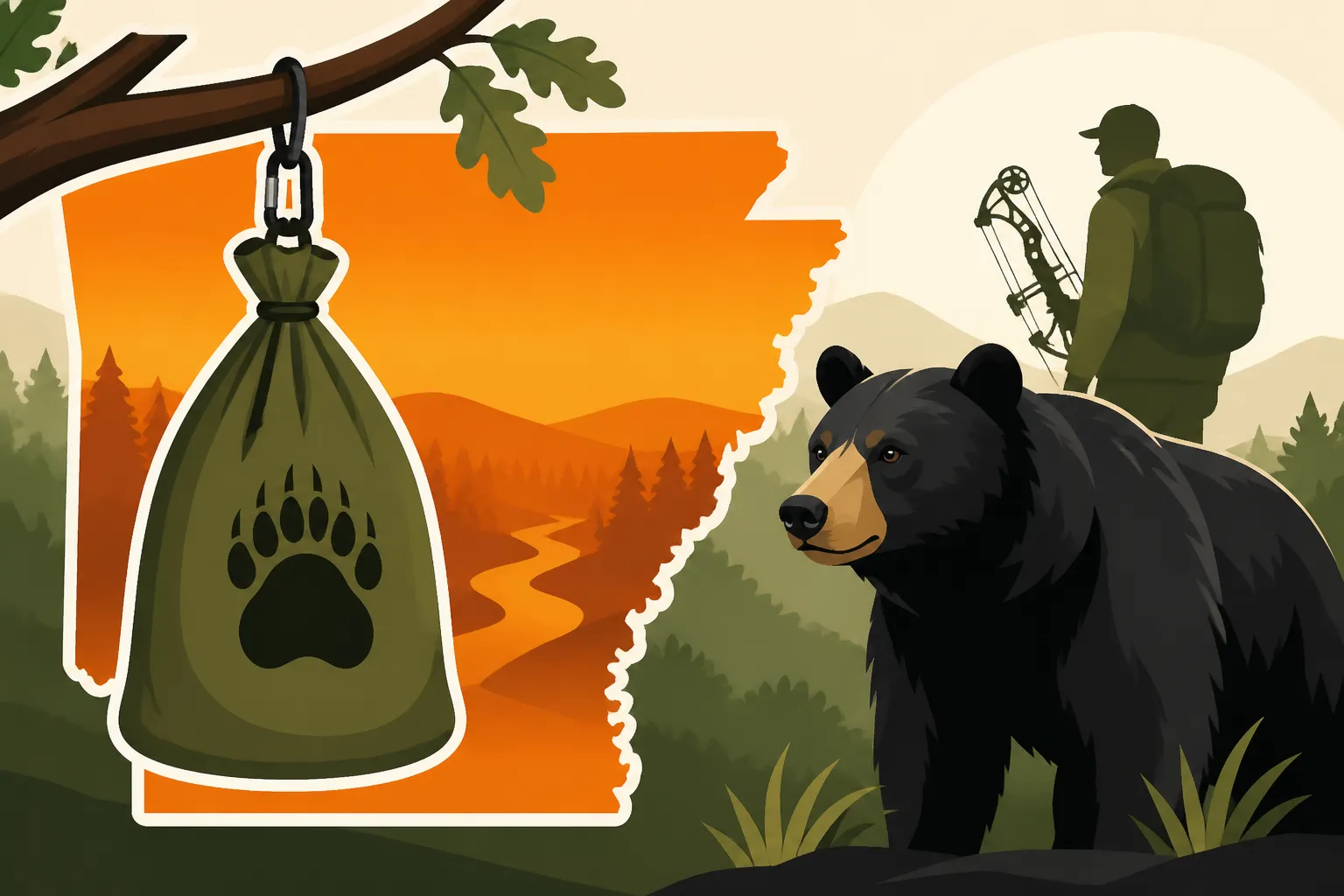
For most hunters pursuing black bears in Arkansas, the general statewide rule is quite straightforward: you are typically permitted to harvest one black bear per hunting season. This applies to both resident and non-resident hunters who have obtained the necessary permits and licenses. Now, while "one bear" sounds simple, the devil, as always, is in the details, especially when you factor in how the season actually unfolds across the state. It's not just about what you've taken, but also about what the zone allows.
Imagine a scenario: You've been scouting for weeks, pouring over maps on tools like GoHunt, and finally, you've located a promising area in the Ozarks. You manage to connect with a beautiful boar on opening weekend. That's your bear for the season. Even if the season remains open and the zone quota hasn't been met, your personal bag limit has been reached. You can still go with friends, enjoy the camaraderie of camp, or help with a recovery, but your tag is filled. It's a key distinction often overlooked in the excitement of the hunt. This strict personal limit is a cornerstone of responsible wildlife management, helping the Arkansas Game and Fish Commission (AGFC) maintain healthy bear populations across the state.
Zone-Specific Considerations
Arkansas doesn't manage its bear population as one homogenous unit; instead, it's divided into several distinct bear zones, each with its own management strategy. While the individual bag limit for a hunter remains one bear, the opportunity to fill that bag limit is heavily influenced by these zones and their specific quotas.
For instance, certain zones might open earlier or close later, or they might be subject to tighter quotas than others. The actual structure of the bear season, including season dates and specific zone closures, can be found in the current year's hunting regulations. It's not uncommon for hunters, especially those new to bear hunting in Arkansas, to confuse the individual bag limit with the overall zone quota. The bag limit is your personal maximum, while the quota is the maximum number of bears that can be harvested from a specific zone by all hunters combined.
This distinction becomes critically important because if a zone's quota is met, that zone will close to bear hunting, regardless of whether you, personally, have filled your tag. So, even if the regulations state "one bear," if your chosen zone closes after the first day because the quota was reached, your opportunity to harvest that one bear in that particular zone is over. This is why staying informed about Arkansas Bear Seasons and Zone Quotas is absolutely crucial. Understanding these zone boundaries and their unique conditions is as vital as knowing your firearm or your bow.
How Bear Quotas and Zone Closures Impact Your Hunt
Understanding that the individual bear bag limit is typically one animal per hunter is only half the battle. The other, often more dynamic, half involves the AGFC's use of harvest quotas for specific bear zones, which can lead to abrupt season closures. This system is designed to prevent overharvesting in specific areas and maintain sustainable bear populations, but it means hunters need to be constantly vigilant.
Monitoring Zone Quotas in Real-Time
The dynamic nature of Arkansas's bear seasons is a reality every hunter must face. Unlike deer season, which often has fixed dates regardless of harvest numbers, bear seasons in certain zones are often contingent upon a predetermined quota. Once that quota is met, the zone closes, sometimes with very little notice. This isn't about being caught off guard; it's about staying prepared.
The AGFC provides real-time updates on bear zone closures through their official website and a dedicated hotline. You absolutely cannot assume a zone is open just because it was yesterday, or even a few hours ago. Before heading out each day, or even checking specific areas using tools like GoHunt, you should confirm the status of your chosen bear zone.
Think about it: you've spent countless hours in the woods, setting up your stand or blind for Bear Baiting Rules and Tactics in Arkansas, only to find out through a text from a buddy that the zone closed while you were driving in. It's a frustrating situation, but one that can be avoided with diligent pre-hunt checks. This means if you're deep in the wilderness without cell service, you need to have checked before you lost signal. High-pressure zones, especially those with good bear habitat like parts of the Ouachita National Forest, can see their quotas met very quickly, sometimes within days of the season opening. This constant monitoring is a non-negotiable part of ethical and legal bear hunting in Arkansas, and it's essential for understanding How to Check If a Bear Zone Is Open.
The Role of Harvest Reporting in Management
The AGFC's quota system relies entirely on accurate and timely harvest reporting from hunters. Every bear harvested must be reported and checked within the specified timeframe. This isn't just a bureaucratic hurdle; it's the data that directly informs the AGFC's management decisions, including when to close a zone. Without this crucial information, the system breaks down, potentially leading to either over-harvesting or unnecessarily restrictive future seasons.
When you successfully harvest a bear, you are required to immediately affix your tag to the animal. Then, within 12 hours of harvest, you must check the bear with the AGFC. This can typically be done online, through the AGFC app, or by phone. This process allows the AGFC to track the harvest numbers for each zone in real-time, enabling them to make timely decisions about zone closures.
The data gathered from harvest reports also provides valuable insights into the overall health and distribution of the bear population in Arkansas. It helps the AGFC understand population trends, distribution, and the impact of hunting pressure. Neglecting to check in a bear not only violates state law but also undermines the very conservation efforts that ensure future hunting opportunities for everyone. It's a collective responsibility that underpins successful wildlife management, reinforcing the importance of understanding How to Check an Arkansas Bear. Every hunter plays a part in this vital process.
Practical Tips for a Successful and Compliant Bear Hunt
Hunting black bears in Arkansas is a serious endeavor, demanding respect for the animal, the land, and the regulations. To ensure your hunt is both successful and fully compliant with state law, proactive planning and adherence to post-harvest protocols are paramount.
Pre-Hunt Preparation and Research
Before you ever step foot into the woods with your hunting gear, an extensive amount of preparation should take place. This isn't just about packing your snacks and ammunition; it's about truly understanding the regulatory landscape.
- Read the Regulations Cover-to-Cover: Do not rely on what you heard at the diner or what "everyone knows." The official AGFC hunting guide is your bible. Laws and regulations, especially those surrounding species like bear, can change year-to-year. A seemingly minor change could have a significant impact on your hunt.
- Identify Your Zone: Arkansas's bear zones are geographically specific. You need to know exactly which zone you'll be hunting in. This dictates everything from potential season dates to specific quotas. Use reliable mapping tools, like the public land layers found on GoHunt, to clearly delineate zone boundaries relative to your hunting spot. This will help you identify areas within Black Bears in the Arkansas Ozarks and Ouachitas, or other prime bear habitat.
- Understand Special Restrictions: Be aware of any special area-specific rules. For instance, some WMAs might have unique regulations that supersede statewide rules. Also, understanding Arkansas CWD Rules and Carcass Transport is vital, as CWD zones can have specific regulations on baiting or carcass movement that, while not directly about bear bag limits, can affect your overall hunting plan and compliance.
- Plan for Communication: In many of Arkansas's prime bear hunting areas, cell service can be spotty to non-existent. Plan how you will check for zone closures. This might involve checking immediately before you leave a service area, using a satellite communication device if available, or designating someone back home to monitor updates for you. Having a backup plan is critical for avoiding a potential violation due to lack of information.
- Safety First: Beyond regulations, always refresh your knowledge of Arkansas Hunter Education and Safety Rules. Bear hunting, particularly in dense cover, requires heightened awareness and adherence to all safety protocols.
Post-Harvest Responsibilities
The moment a bear hits the ground, a new set of responsibilities kicks in. It's not just about celebrating; it's about ensuring every legal and ethical step is followed.
- Immediate Tagging: The very first thing you do after ensuring the animal is dispatched safely and humanely is to tag it. Your bear tag, typically located on your hunting license, must be immediately and securely affixed to the bear. This prevents any ambiguity about the legality of your harvest.
- Timely Reporting: As discussed, reporting your harvest within 12 hours is non-negotiable. This is how the AGFC tracks the quota. Utilize the AGFC's online checking system or their mobile app, which often allows for convenient reporting right from the field if you have service. Make sure you understand Arkansas Bear Checking Requirements fully.
- Carcass Transport Rules: Be mindful of how you transport your bear, especially if you're crossing state lines or moving between different CWD management zones within Arkansas. There are strict rules about the parts of the carcass that can be transported. These rules are in place to prevent the spread of diseases like Chronic Wasting Disease. Don't let the excitement of a successful hunt lead to a legal headache. Proper care and handling, including understanding Handling Bear Meat and Hide, are also crucial for preserving the quality of your harvest.
- Respectful Processing: Whether you process the bear yourself or take it to a professional processor, ensure that all parts of the animal are utilized ethically and legally.
Common Questions and Misconceptions About Bear Limits
Even with clear regulations, certain questions and misconceptions about bear bag limits and seasons tend to pop up repeatedly. Let's tackle a few of these head-on to help clear up any lingering confusion.
Youth Hunts and Bear Bag Limits
Arkansas is committed to fostering a new generation of hunters, and youth hunts are a fantastic way to introduce young people to the tradition. However, it's important to clarify how youth hunts intersect with bear bag limits.
Generally, the individual bear bag limit of one bear per season applies equally to youth hunters. While there are dedicated youth hunting days for species like deer and turkey, bear hunting often follows the general season structure. A youth hunter, if properly licensed and accompanied by an adult, would still be limited to one bear for the season, assuming they are hunting in an open zone with an unfilled quota.
The key difference for youth hunters isn't usually in the bag limit itself, but in the specific season dates, which might offer an earlier or separate opportunity. For instance, there might be Arkansas Youth Bear Hunt Dates that precede the general season. Always check the current regulations for any specific youth bear hunting opportunities and ensure the youth hunter is supervised by an adult with all necessary licenses and permits. The focus during youth hunts should always be on safety, education, and instilling a deep respect for wildlife and hunting ethics.
What if You Accidentally Harvest the Wrong Bear?
This is a scenario every hunter hopes to avoid, but it's a critical one to address: what happens if you accidentally harvest a bear that's not legal, or if you make a mistake regarding a zone closure? Perhaps you mistakenly shoot a sow with cubs when the regulations specify only lone bears, or you're unaware a zone has closed due to quota fulfillment.
First and foremost, if you find yourself in this incredibly unfortunate situation, do not attempt to hide it or take the animal without reporting it. The worst thing you can do is exacerbate the situation by violating additional laws related to poaching or failure to report.
Your immediate course of action should be to contact the Arkansas Game and Fish Commission directly, as soon as possible. Explain the situation honestly and fully. Game wardens are law enforcement officers, but they are also wildlife managers. While there may be legal ramifications depending on the nature of the mistake, honesty and immediate reporting are always the best approach. They can guide you on the next steps, including how to properly tag, check, or handle the animal. Accidental harvests, while regrettable, are part of the reality of hunting, and addressing them with integrity is paramount. Understanding the regulations meticulously is the best prevention, but knowing how to respond if an error occurs is equally important.
Remember, the goal of all these regulations is to ensure the sustainability of Arkansas's black bear population and the integrity of the hunting tradition. By being informed, vigilant, and responsible, you contribute to both.
Here’s a quick overview of key bear hunting specifics in Arkansas:
| Aspect | General Rule | Impact on Hunters | How to Stay Compliant |
|---|---|---|---|
| Individual Bag Limit | One (1) black bear per hunter per season. | You can only harvest one bear, regardless of how many zones are open or how long the season runs. | Do not attempt to harvest a second bear once your first is tagged and checked. |
| Zone Quotas | Specific harvest limits set for each bear zone by AGFC. | Zones will close once their quota is met, even if your individual bag limit is unfilled. | Check AGFC website/hotline DAILY before hunting for zone status. |
| Season Dates | Vary by zone, often with archery, muzzleloader, and modern gun periods. | Your hunting opportunity depends on your chosen zone's open dates and method. | Consult current AGFC regulations for precise opening and closing dates for your zone. |
| Harvest Reporting | All harvested bears must be checked within 12 hours. | Timely reporting is crucial for AGFC to track quotas and ensure proper management. | Immediately tag your bear, then check it online, via app, or phone within the deadline. |
| Youth Hunts | Bag limit typically remains one bear, but specific youth season dates may apply. | Youth hunters must also adhere to the one-bear limit and zone status. | Verify specific youth bear hunt dates and ensure proper adult supervision. |
| Carcass Transport | Rules apply, especially for CWD zones and out-of-state travel. | Improper transport can lead to legal issues and potential disease spread. | Know CWD zone rules; only transport allowed parts from those areas. |
Disclaimer
The information provided in this guide is intended for general informational purposes only and does not constitute legal advice. Hunting regulations in Arkansas are subject to change by the Arkansas Game and Fish Commission. It is the individual hunter's responsibility to consult the most current official AGFC hunting regulations and licensing requirements before participating in any hunting activity. Failure to comply with all applicable laws and regulations may result in penalties.