Duck Mounts and What They Cost
There's nothing quite like dropping a beautiful mallard into the decoys on a cold Arkansas morning, or watching a swift wood duck fall through the timber. That moment, that bird, often represents more than just a successful hunt; it's a memory, a story, a connection to the wild. And for many of us, the desire to preserve that memory with a mounted duck is strong. But then reality hits: you start looking into taxidermy, and suddenly a clear picture of what a duck mount actually costs feels about as elusive as a banded greenwing. This guide is here to pull back the curtain on the factors influencing the price of preserving your feathered trophy.
Understanding the Basics of Duck Taxidermy Costs
When you decide to turn your harvested duck into a lasting piece of art, you're investing in a specialized craft. It's not just about stuffing a bird; it's about meticulous preservation, artistic posing, and creating a lifelike representation. The cost of a duck mount generally boils down to a few core components: the taxidermist's labor, the materials used, their artistic skill level, and the overall complexity of the mount you choose. Think of it like custom carpentry – a simple shelf costs less than an elaborate built-in cabinet.
Standard Standing or Flying Mounts
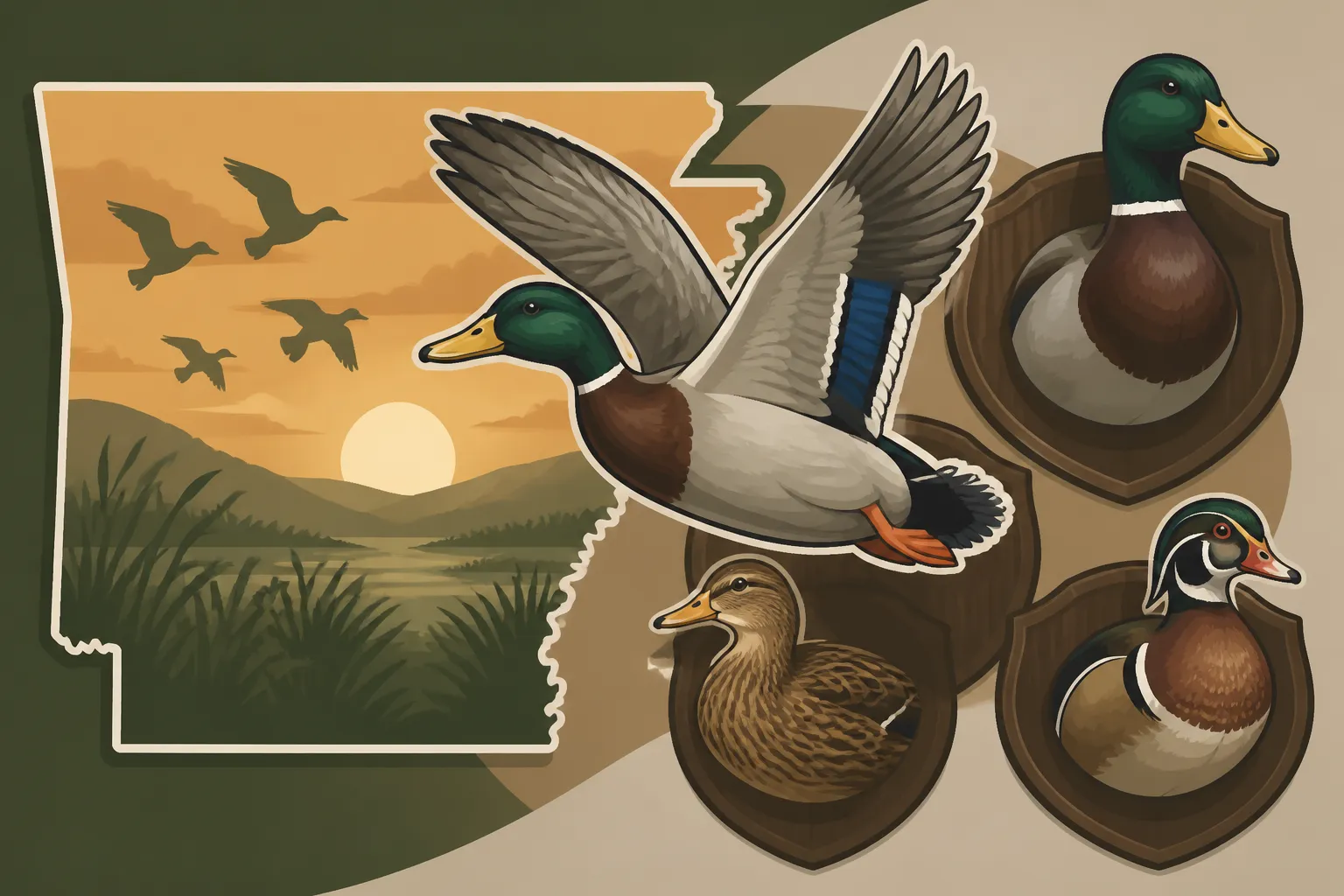
The most common requests for duck mounts fall into two categories: standing or flying poses. These are often considered the "standard" options and usually represent the entry point for duck taxidermy pricing. A standing mount might depict your bird preening, resting, or walking, typically affixed to a simple piece of driftwood or a basic base. A flying mount, on the other hand, captures the duck in mid-flight, wings spread, and is usually designed to be hung on a wall.
These standard poses require significant skill to get right – ensuring the feathers lay naturally, the eyes look alive, and the overall posture is anatomically correct. The taxidermist spends hours fleshing, preserving, mounting, and detailing the bird. While simpler than a full habitat scene, these mounts still demand a high level of craftsmanship. The cost variation here often depends on the individual taxidermist's experience and reputation, as well as the size and species of the duck itself. A smaller teal might be a little less, while a large canvasback might be on the higher end, simply due to the amount of material and detailed work involved.
Habitat and Custom Bases
While a standard mount might come with a basic piece of driftwood or a simple oval base, many hunters desire something more to truly showcase their bird. This is where habitat elements and custom bases come into play, and they significantly influence the final cost. Imagine a mallard not just standing on a plain base, but on a custom piece of cypress knee complete with faux water, cattails, or even a few scattered acorns. These additions turn a taxidermy piece into a small diorama, telling a more complete story of the hunt.
The materials for habitat elements can range from natural items meticulously preserved and treated, to artificial reeds, grass, and water effects. The labor involved in sourcing, preparing, and arranging these elements is substantial. A taxidermist might spend hours researching the specific flora of an Arkansas green timber hole to accurately replicate the environment. The more intricate and detailed the habitat, and the more custom elements required, the higher the price will climb. It's truly about bringing a piece of the outdoors, like where you were Hunting Arkansas Flooded Green Timber, right into your home.
The Taxidermist's Craft and Experience
Perhaps the most crucial, yet often overlooked, factor in duck mount pricing is the taxidermist's individual craft and level of experience. This isn't just a job; for many, it's an art form. A highly experienced and renowned taxidermist, known for their lifelike details and anatomical accuracy, will naturally command higher prices than a newer, less established artist. Their skill is what transforms a dead bird into a vibrant, realistic sculpture.
Consider the intricacies: the angle of the head, the curve of the neck, the delicate fanning of the tail feathers, and especially the expression in the eyes. A truly skilled taxidermist can make a mount look as if it's about to take flight or dive for food. They invest in high-quality materials, spend countless hours honing their techniques, and often have a keen understanding of avian anatomy and behavior. When you choose a master taxidermist, you're paying for their expertise, their artistic vision, and their reputation for delivering exceptional quality. It’s worth looking at their portfolio and asking for references to ensure their style matches your vision for your trophy.
Factors That Influence the Final Price Tag
Beyond the basic setup, several specific details about your bird and your desired presentation will cause the price to fluctuate. It's easy to think a duck is a duck, but subtle differences make a big impact on the taxidermist's workload and, consequently, the cost.
Bird Species and Condition
The type of duck you've harvested plays a role in the cost, and so does the condition it's in when you bring it to the taxidermist. Some species, like a vibrant Mallards in the Arkansas Delta drake or a colorful wood duck, have complex feather patterns that require extra care and time during the skinning, cleaning, and mounting process. Their colors need to be preserved meticulously. More common species might fall into a standard pricing tier, while rarer or particularly ornate birds could incur a slight premium due to their unique characteristics and the effort required to make them truly shine.
However, the bird's condition is arguably even more critical than its species. A duck shot cleanly, with minimal feather damage, intact bill, and no broken bones, is a taxidermist's dream. It means less repair work, less patching, and a smoother process overall. Conversely, a bird with shot-out wings, missing tail feathers, or significant bloodstains will require extensive repair, feather manipulation, and potentially even replacement feathers. This extra labor translates directly to a higher cost. This is why proper field care, even in the Field Dressing a Deer in Warm Weather sense of taking care of your harvest, is paramount if you're planning a mount. Keeping the bird cool and clean, avoiding excessive handling, and packing it correctly for transport (head tucked, wrapped in a damp paper towel and then plastic, frozen flat) can save you money and ensure a better final product.
Pose and Presentation Choices
The pose you select for your duck mount is a major price differentiator. A simple, natural pose – perhaps a standing duck with its head slightly turned, or a flying duck with wings at a typical angle – will generally be less expensive than a highly dynamic or complex one. Dynamic poses, like a duck banking hard, landing on water, or fighting with another bird, require specialized armatures, more aggressive feather manipulation, and a deeper understanding of avian mechanics. The taxidermist has to ensure the pose is balanced, anatomically correct, and visually compelling, which means more time and expertise.
Think about a common Setting Decoys in Timber Holes scenario. A duck cupped over the decoys is an iconic image. Recreating that requires skill in positioning the wings, legs, and body to perfectly capture that moment. The more intricate the pose, the more labor-intensive it becomes. Beyond the pose itself, the overall presentation matters. Do you want a single duck, or a pair interacting? Multiple birds mean multiple fees, and the interaction between them adds another layer of complexity to the posing and habitat integration.
Pedestal Mounts Versus Wall Mounts
The way your duck mount will be displayed also impacts the cost. Wall mounts are generally more straightforward, often requiring a simple hanging bracket. They can be flying or standing against a wall. Pedestal mounts, however, introduce a whole new realm of possibilities and associated costs. A pedestal mount typically features a standing or preening duck, often on an elevated base that can be placed on a table, shelf, or even a floor stand.
The pedestal itself can range from a simple, elegant wooden column to an elaborate custom piece incorporating habitat elements like water, logs, or vegetation. The choice of materials for the pedestal (wood, stone, custom fabricated), its size, and the level of artistic detail (carving, painting, habitat integration) all add to the price. Pedestal mounts often allow for a more immersive scene, but they also demand more materials and labor from the taxidermist to create a stable, aesthetically pleasing, and durable display. For many, the investment in a quality pedestal mount is worth it to create a true centerpiece in their home or hunting room.
Beyond the Basic Mount: Add-Ons and Hidden Costs
Just like building a house, the base price for a duck mount can quickly escalate with custom features, special requests, and sometimes, unexpected charges. Understanding these potential add-ons and "hidden" costs upfront can help you budget appropriately and avoid surprises.
Custom Habitat Elements and Accessories
While we touched on habitat, it's worth diving deeper into just how varied and costly these elements can be. Beyond basic driftwood, taxidermists can craft incredibly lifelike scenes. Imagine not just cattails, but specific aquatic plants found in Arkansas rice fields, or replicating the flooded pin oaks you might encounter when hunting Arkansas green timber. These hyper-realistic additions often involve hand-sculpting, custom painting, and careful arrangement. If you're looking for something truly unique, like replicating a specific hunting spot or adding intricate details like spent shotgun shells, actual waterfowl bands (if legally acquired), or custom nameplates, expect the cost to rise.
Each custom element adds materials and, more significantly, the taxidermist's specialized labor and artistic time. Some taxidermists have a range of pre-made habitat options, which might be more economical, while a fully custom, one-of-a-kind habitat can be quite an investment. Discuss your vision clearly with your taxidermist and ask for itemized quotes for custom habitat work. This way, you can pick and choose what’s most important to you for your trophy.
Pedestals, Cases, and Artistic Bases
As mentioned, pedestals elevate the display, but the sky's the limit when it comes to their design and cost. Beyond simple wooden stands, you could opt for a pedestal that mimics a tree stump, a rock outcropping, or a flooded timber log. Some hunters even choose enclosed display cases made of glass or acrylic to protect their prized mount from dust and damage, especially for fragile birds or intricate habitat scenes. These cases, whether custom-built or purchased, add another layer of expense.
Artistic bases can also be a significant cost factor. These aren't just functional; they're an integral part of the art piece. A base might be hand-carved, stained to specific hues, or incorporate decorative elements that complement your home decor. If you have a particular vision in mind – perhaps a base that matches your antique furniture or an unusual shape to fit a specific nook – the taxidermist will spend extra time designing and executing it. Always consider the long-term value and aesthetic impact of these choices when budgeting for your mount.
The Cost of Rush Jobs or Repairs
Sometimes, life happens. Maybe you procrastinated, or you had a once-in-a-lifetime hunt and want that bird back on display sooner rather than later. Most taxidermists work on a queue, and their turnaround times can range from several months to over a year, depending on their workload. If you need your duck mount completed by a specific, earlier date, many taxidermists will offer a "rush fee" option. This fee compensates them for reorganizing their schedule, working overtime, or prioritizing your piece over others. It's an additional cost that can be significant, so plan ahead if possible.
Similarly, if your duck sustains damage after you've taken it home – perhaps a curious pet, an accidental fall, or simply age-related wear and tear – you might seek repair services. Repair costs vary wildly depending on the extent of the damage. Minor touch-ups or feather repairs will be far less expensive than reattaching a broken wing or re-fleshing parts of the bird due to insect damage. Always ask for an estimate for repairs, and consider how you can prevent damage in the first place, perhaps by choosing one of the aforementioned display cases.
Finding a Reputable Arkansas Taxidermist and What to Ask
Choosing the right taxidermist is as crucial as picking the perfect duck for your mount. You want someone who not only understands the anatomy of waterfowl but also possesses the artistic flair to bring your memory to life. This isn't a decision to rush, especially when you've put in the effort to hunt ducks on the Arkansas Waterfowl Seasons and Zones and secure your trophy.
Researching Local Arkansas Taxidermists
Start your search by looking for taxidermists specializing in waterfowl, particularly those familiar with the species common to Arkansas. Online reviews, local hunting forums, and word-of-mouth recommendations from fellow hunters are invaluable resources. Ask around at your local sporting goods store or even a reputable hunting guide service. They often have firsthand experience or know of excellent local talent. You might even find some listed in directories, similar to how BookYourHunt or GoHunt list hunting operations, although direct taxidermy listings are less common on those specific platforms.
Once you have a few names, visit their studios if possible, or at least thoroughly browse their online portfolios. Pay close attention to the details: Are the eyes lifelike? Do the feathers lay naturally? Is the bird posed realistically? Look for consistency in their work. A great taxidermist should have a strong portfolio showcasing a variety of waterfowl, demonstrating their expertise across different species and poses. Don't be shy about asking how long they've been doing taxidermy and what their specific experience with duck mounts entails.
Key Questions to Ask Before Committing
Before you hand over your prized duck, have a detailed conversation with your prospective taxidermist. Here’s a table of essential questions to guide you:
| Question | Why It's Important |
|---|---|
| What is your typical turnaround time for duck mounts? | Helps manage expectations and budget for potential rush fees. |
| Can I see examples of your recent waterfowl mounts? | Verifies their skill and consistency, beyond just online photos. |
| What is the base price for a standing/flying duck mount of this species? | Establishes the starting cost for your specific bird. |
| What are your charges for custom habitat or bases? | Clarifies costs for desired enhancements like driftwood, water effects, or specific vegetation. |
| How should I prepare and deliver my bird to you? | Ensures proper care of the specimen to prevent damage and reduce repair costs (e.g., Bird Cleaning and Packaging Services). |
| What kind of deposit do you require, and what is your payment schedule? | Understands financial commitments upfront. |
| What happens if my bird is damaged during the mounting process? | Clarifies their policy on unforeseen issues. |
| Do you offer any guarantees on your work? | Indicates confidence in their craftsmanship and commitment to customer satisfaction. |
| Do you have any references I can contact? | Provides an opportunity to hear directly from past clients about their experience. |
| What is the expected lifespan of the mount, and how should I care for it? | Helps you understand long-term preservation and maintenance. |
Understanding Payment Schedules and Turnaround Times
Most taxidermists require a deposit upfront, often 50% of the estimated total cost, before they begin work. This deposit covers initial material costs and ensures your commitment to the project. The remaining balance is typically due upon completion and before you pick up your finished mount. Make sure these terms are clearly outlined in writing.
Turnaround times are a significant consideration. As mentioned, good taxidermists are often booked solid, and quality work takes time. It's not uncommon for a duck mount to take anywhere from 6 to 18 months, or even longer, depending on the artist's schedule, the complexity of your mount, and the time of year (post-hunting season is always busiest). Be wary of anyone promising an unusually fast turnaround at a standard price, as it might indicate rushed work or a lack of attention to detail. Patience is a virtue in taxidermy; a well-executed mount is worth the wait. Always confirm the estimated completion date and check in periodically for updates.
By understanding these various factors, from the type of mount and the bird's condition to the taxidermist's skill and any custom add-ons, you can approach the process with confidence and ensure your cherished Arkansas duck hunting memory is preserved beautifully for years to come.
Disclaimer
This article is for general informational purposes only and does not constitute professional advice. Laws, prices and regulations vary by location and change over time. Consult a qualified professional for guidance on your specific situation.