Bird Cleaning and Packaging Services
There's nothing quite like the exhilaration of a successful hunt in the Arkansas woods or flooded timber. The crisp morning air, the sound of wings overhead, or the quiet rustle of leaves as a deer passes by – these are the moments we live for. But then the sun starts to climb, the adrenaline begins to fade, and a new reality sets in: you've got game to take care of. For many hunters, especially those chasing ducks, geese, or upland birds, the task of cleaning and packaging your harvest can feel like a monumental chore, turning a triumphant day into a scramble against time and temperature. This comprehensive guide is here to walk you through everything you need to know about processing your game birds in Arkansas, from DIY tips to finding top-notch professional services, ensuring your hard-earned meat makes it to the table in prime condition.
The Post-Hunt Dilemma: Cleaning Your Harvest
You've called in the mallards, dropped a limit of specks, or perhaps brought down a few pheasants on a preserve hunt. The birds are in hand, and now comes the work. The post-hunt phase is often overlooked in the excitement, but it's critically important for preserving the quality of your game. Ignoring proper cleaning and cooling can quickly degrade the meat, making all your efforts in the field less rewarding. It’s a challenge many of us face, especially when hunting far from home or when the weather is still unseasonably warm.
Why Cleaning Your Birds Matters
Properly cleaning your birds isn't just about making them ready for the skillet; it's about respecting the animal, ensuring food safety, and maximizing the eating experience. Every bird you harvest deserves to be handled with care. The immediate goal is to cool the meat down as quickly as possible to inhibit bacterial growth. Leaving birds in a warm truck bed for hours, or neglecting to clean them swiftly, can lead to off-flavors, tough meat, and potentially unsafe consumption. Think of all the effort, scouting, and skill that went into that successful shot – you don't want to compromise it in the final stages.
Beyond food safety, cleaning birds correctly means you're getting the most out of your harvest. Whether you breast them out or opt for a full pluck, understanding the anatomy and having a systematic approach will yield more usable meat and less waste. This is particularly true for migratory birds, where regulations often require maintaining a wing attached for identification during transport. Adhering to these rules is crucial, not just for compliance, but for demonstrating a responsible and ethical hunting practice.
The Time Crunch After the Hunt
Arkansas weather can be a real wild card, especially during early seasons. Bowhunting in September, you might be dealing with 80-degree heat, and even late-season duck hunts can have surprisingly warm fronts. This heat significantly shortens the window you have for processing your game before spoilage begins. Imagine wrapping up a morning duck hunt on Bayou Meto, miles from your vehicle, with a limit of birds in your strap. The clock starts ticking the moment those birds hit the ground.
For hunters from out of state or those staying in lodges without extensive cleaning facilities, this time crunch is even more pronounced. You might have a limited amount of cooler space, or perhaps a long drive home. The decision of whether to clean your own birds or seek a professional service often boils down to this: how much time, energy, and resources do you have immediately post-hunt? It’s a common frustration, especially after an exhausting day in the blind, that the "work" of hunting truly begins once the shooting stops.
DIY Bird Cleaning: Pros, Cons, and Best Practices
Many hunters, myself included, take pride in handling every aspect of the hunt, from scouting to processing. Cleaning your own birds can be a rewarding experience, connecting you even more deeply to the food on your table. It also offers the most control over how your meat is handled and prepared. However, it requires time, patience, and the right setup.
Field Dressing vs. Full Plucking
When it comes to cleaning game birds, you generally have two main approaches: field dressing (often called breasting out) or full plucking. Each has its advantages and disadvantages.
Field Dressing / Breasting Out:
This is by far the most common method for most waterfowl and upland birds. It involves removing just the breast meat, sometimes with the legs and thighs, leaving the rest of the carcass.
- Pros: It's quick, requires minimal tools (usually just a sharp knife), and results in a compact, boneless piece of meat that's easy to store. For many duck hunters, this is the go-to method, as duck breasts are incredibly versatile. Plus, it meets the regulatory requirement of leaving a wing attached to migratory birds until they reach your final destination.
- Cons: You're leaving a significant amount of meat behind, especially the tender and flavorful leg and thigh meat. If you're someone who believes in using every part of the animal possible, this method feels wasteful. It's also less suitable for smaller birds where the breast meat is tiny.
Full Plucking:
This method involves removing all the feathers to keep the bird whole, similar to how you'd buy a chicken from the grocery store.
- Pros: You get to keep all the meat, including the legs, thighs, and often the wings, which are delicious when slow-cooked. A whole roasted bird makes for an impressive presentation and can offer a richer flavor profile because the bones are still in place during cooking. This is often preferred for game birds like pheasants, turkeys, or geese where there's more meat on the body.
- Cons: It's incredibly time-consuming and messy. Plucking can be a real chore, whether dry plucking or scalding the bird first. It requires more specialized equipment (like a plucker machine for large quantities) if you want to speed it up. It also means you need to deal with the entrails and internal organs, a step many hunters prefer to avoid.
The choice often comes down to the species you're hunting, the amount of time you have, and your personal preference for culinary preparation. For most Arkansas duck hunters, breasting out is the norm, especially with bag limits often met. However, if you're chasing Specklebelly Hunting in Arkansas Fields or even Spring Turkey Hunting in the Arkansas Ozarks, full plucking might be worth the extra effort for the full bird.
Essential Gear for Home Processing
If you decide to tackle the cleaning yourself, having the right tools makes a world of difference. Trying to clean birds with a dull knife or without a proper workspace can turn an already messy job into a frustrating one.
Here’s a basic list of what you’ll need:
- Sharp Knives: A good fillet knife or a small, sharp boning knife is invaluable. Keep a sharpener handy!
- Cutting Board: A sturdy, easy-to-clean plastic cutting board is a must.
- Gloves: Latex or nitrile gloves are essential for hygiene and to keep your hands clean.
- Coolers and Ice: Crucial for immediately cooling down the meat after cleaning. The faster you chill it, the better the quality.
- Plastic Bags/Freezer Bags: For packaging the cleaned meat.
- Paper Towels/Rags: For cleanup.
- Running Water Source: Access to a hose or sink for rinsing birds and cleaning up afterward is a huge plus.
- Optional – Game Shears: Great for cutting through bone or separating joints, especially if you're keeping legs and thighs.
- Optional – Vacuum Sealer: The absolute best way to package meat for long-term freezer storage, preventing freezer burn.
When you're out in the field, even a basic field dressing kit can be a lifesaver. This might include a small fixed-blade knife, some wipes, and heavy-duty Ziploc bags for the breasts. The key is to be prepared so you can handle your harvest efficiently and respectfully, no matter where you are. Remember to check regulations on Field Dressing in Arkansas Heat if you're concerned about specific requirements.
Professional Bird Cleaning and Packaging Services
Let's be real, after an exhausting morning hunting Green Timber Duck Hunting in Arkansas or a long trek through the uplands, the last thing many hunters want to do is spend hours cleaning birds. This is where professional bird cleaning and packaging services truly shine. They offer convenience, expertise, and a level of sanitation and efficiency that's hard to replicate at home, especially for non-residents or those staying in temporary lodging.
What to Expect from a Service
When you drop your birds off at a professional processor, you're not just paying for someone else to do the dirty work; you're investing in peace of mind and quality. Most reputable services operate with high standards of cleanliness and adhere strictly to game processing regulations.
Here's generally what you can expect:
- Check-In and Tagging: Upon arrival, your birds will be counted and properly tagged to ensure you receive your own game back. This is crucial for maintaining integrity and avoiding mix-ups. They'll confirm the species and often ask for your license and harvest tag information, as required by law.
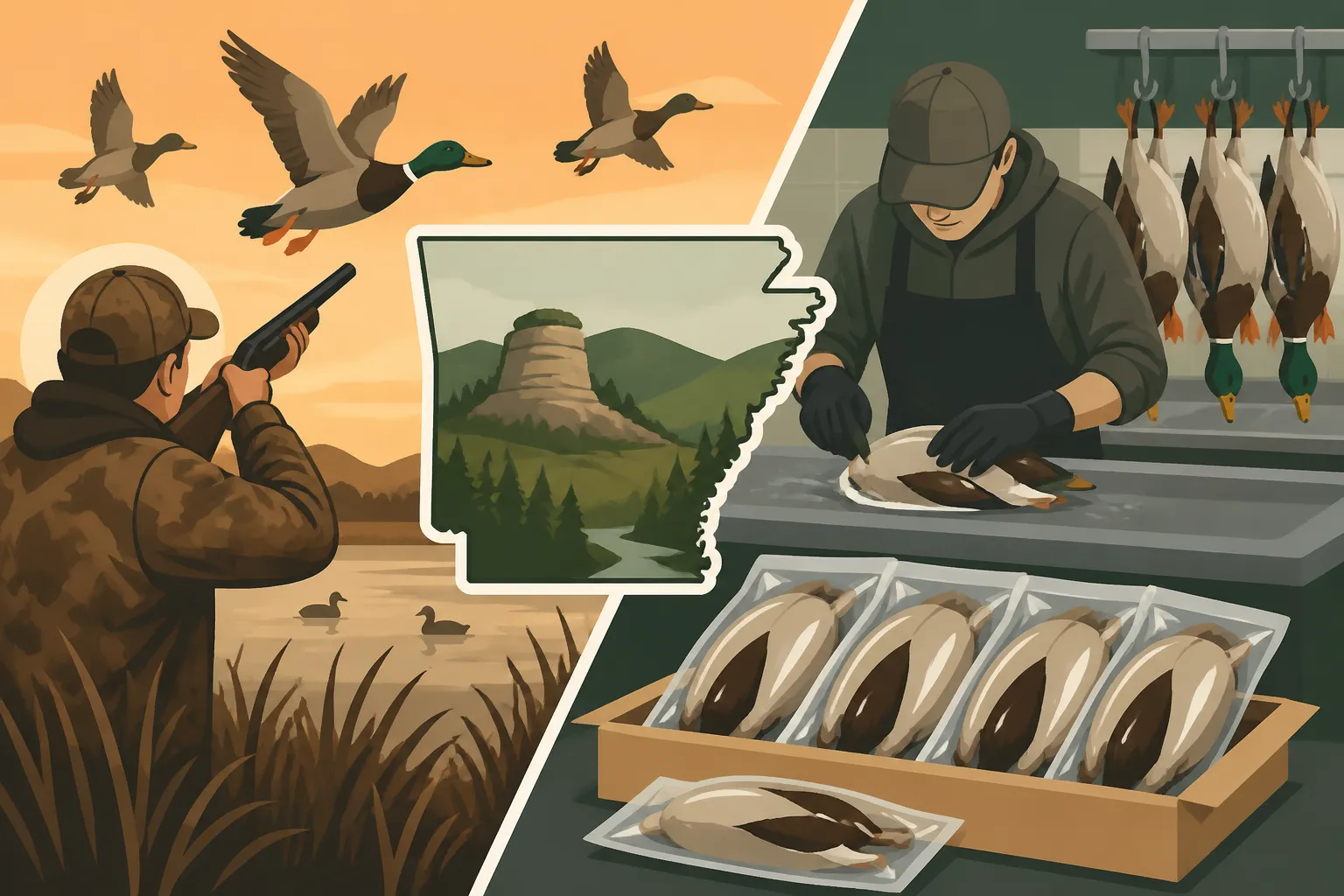
- Cleaning: The birds will be processed according to your specifications (e.g., breasted out, quartered, or fully plucked). Professional processors have specialized equipment like plucking machines and high-volume workstations, making the process much faster and more thorough than doing it by hand. They'll remove feathers, entrails, and any undesirable parts, leaving you with clean, ready-to-cook meat.
- Washing and Cooling: Once cleaned, the meat is typically washed thoroughly and then immediately placed into chillers or ice baths to rapidly bring down the temperature. This step is critical for meat quality and safety.
- Packaging: This is where professional services truly excel. They use commercial-grade packaging, often vacuum-sealed, which removes air and prevents freezer burn, dramatically extending the shelf life of your game. The packages are usually clearly labeled with the species and date.
- Freezing: After packaging, the meat is quickly blast-frozen or deep-frozen, again to preserve quality. Many services will store your frozen meat for a short period, allowing you to pick it up at your convenience, or prepare it for transport.
These services understand the regulations surrounding game processing, especially for migratory birds where certain parts (like a wing) must remain attached during transport. They ensure compliance, which is a huge benefit for hunters unfamiliar with all the nuances, especially for those who travel long distances. If you're staying at a lodge, make sure to ask if Bird Cleaning Included in the Price is part of their package.
Types of Services Offered
Professional bird processors understand that not all hunters, or all birds, are created equal. They typically offer a range of services to meet various needs and preferences.
- Standard Breast Out: The most common service, especially for ducks and geese. You get the boneless breast meat, clean and ready for cooking. They ensure a wing is left attached if required for transport.
- Quartering: For larger birds like turkeys or geese, or if you want to save the legs and thighs of ducks, quartering involves breaking the bird down into more manageable pieces – breasts, wings, legs, and thighs. This gives you more meat and more culinary options.
- Full Plucking and Evisceration: If you want a whole bird for roasting, this service is invaluable. They'll pluck the bird clean and remove all internal organs, leaving you with a beautiful, whole game bird. This is often chosen for turkeys, pheasants, or larger geese.
- Specialty Cuts: Some processors might offer more specialized services, such as grinding meat for sausages or jerky, or even preparing marinated cuts. Always ask what's available!
- Vacuum Sealing: While many standard packages come in heavy-duty freezer bags, vacuum sealing is often an upgrade or standard for higher-end services. This is highly recommended for long-term storage.
- Dry Ice Packaging for Travel: For hunters driving or flying long distances, some services offer to pack your frozen game in insulated containers with dry ice. This ensures the meat stays frozen during transit, crucial for Shipping Frozen Game Meat by Air or a multi-state drive.
The flexibility in services means you can customize how your game is prepared, ensuring you get exactly what you want out of your harvest, whether it's a few duck breasts for a quick weeknight meal or a fully plucked turkey for a special occasion.
Cost Considerations and Value of Professional Services
Let’s talk turkey (or duck, as it were) about the cost. While paying someone to clean your birds might seem like an added expense, it’s often a worthwhile investment, especially when you factor in your time, convenience, and the quality of the final product.
Breaking Down the Costs
Professional processing fees vary based on several factors, but generally, they are quite reasonable, especially considering the labor involved. You won't find specific prices here, but I can tell you what typically influences the cost:
- Species and Size of Bird: Larger birds like geese and turkeys, or birds that require more detailed work (like full plucking), will naturally cost more than smaller birds or simple breasting out. A Canada goose breast is a lot more work than a teal breast!
- Volume: Some processors might offer a slight discount for larger quantities, so bringing in a full bag limit from a successful hunt might be more cost-effective per bird than just one or two.
- Type of Service: A basic breast-out service will be the least expensive. Opting for full plucking, quartering, or specialty cuts (like deboning legs or grinding meat) will increase the price.
- Packaging: Vacuum sealing is a premium service, but one that I strongly recommend, and it will typically add to the cost compared to standard freezer bags.
- Additional Services: Any extra requests, such as dry ice packing for travel, can incur additional fees.
Compared to the overall What an Arkansas Guided Duck Hunt Costs or even the expenses of a DIY trip (fuel, lodging, gear, licenses), the processing fee is usually a small percentage of your total hunting budget. It's an investment in ensuring the quality of your hard-earned harvest.
When to Consider a Professional Service
Deciding whether to go the DIY route or use a professional service often depends on your specific situation. There are definitely times when professional help is not just convenient, but almost essential.
Consider a professional service if:
- You're Traveling: If you're a non-resident hunter heading home from Arkansas, especially by air, you must ensure your game is properly cleaned, packaged, and frozen to comply with transport regulations. A professional processor will take care of all the details, including leaving a wing on migratory birds, and preparing your meat for a flight. This is crucial for avoiding issues when Getting Ducks Home From Arkansas.
- You're Short on Time: After a long hunting day, perhaps you have other plans, or simply want to relax. Handing off your birds to a processor means you can decompress while they do the work.
- You Lack Facilities: Maybe you're staying in a hotel, a hunting lodge with limited cleaning stations, or a small cabin without the space or proper tools for a large volume of birds. Processors have industrial setups that are clean and efficient.
- You Want Maximum Meat Yield and Quality: Professional processors often have techniques and tools that extract more usable meat and package it better for long-term storage than you might achieve at home. Their vacuum sealers are often far superior to consumer models.
- You Have a Large Harvest: If you and your hunting party have a limit of ducks, geese, or several turkeys, processing all those birds yourself can take hours. A professional service can handle large volumes efficiently.
- You're New to Bird Cleaning: If you're not confident in your cleaning skills, a professional service guarantees you'll get clean, well-processed meat without the learning curve or potential waste.
Think of it as an optional but highly valuable part of your hunting experience, especially for those big trips. It’s an investment in the final product that ends up on your dinner plate.
| Feature | DIY Bird Cleaning | Professional Service |
|---|---|---|
| Cost | Minimal (knives, bags, ice) | Per-bird or per-pound fee |
| Time Investment | Significant, especially for multiple birds | Minimal hunter time (drop-off/pick-up) |
| Equipment Needed | Basic knives, cutting board, cooler, bags | Specialized plucking machines, vacuum sealers, chillers |
| Meat Yield | Varies by skill, often breast only | Optimized, can include full plucking, legs, thighs |
| Packaging Quality | Basic freezer bags, prone to freezer burn | Commercial-grade vacuum sealing, minimizes freezer burn |
| Sanitation | Depends on home setup | High commercial standards |
| Convenience | Low, requires immediate effort post-hunt | High, hands-off processing |
| Travel Prep | Requires hunter to know all regulations | Ensures compliance with transport rules, offers dry ice |
| Mess | Can be very messy at home | Contained within processing facility |
Packaging Your Game for Preservation and Transport
Once your birds are cleaned, the next critical step is proper packaging. This ensures the meat stays fresh, safe, and free from freezer burn, whether it's going into your freezer at home or traveling across state lines. This is where the work you put in (or pay for) truly pays off.
Freezing and Vacuum Sealing
The enemy of fresh meat in the freezer is air. Exposure to air leads to dehydration, discoloration, and that dreaded "freezer-burnt" taste and texture.
- Traditional Freezing with Freezer Bags: If you're cleaning your own birds, heavy-duty freezer bags are your best friend. After rinsing and patting the meat dry, place it into the bag, removing as much air as possible before sealing. You can use the "water displacement" method: slowly submerge the open bag into a bowl of water (keeping the opening above the water line) to let the water pressure force the air out, then seal. Double-bagging can provide an extra layer of protection. Label clearly with the type of meat and the date.
- Vacuum Sealing (The Gold Standard): Without a doubt, vacuum sealing is the superior method for long-term freezer storage. A vacuum sealer removes almost all the air from the package, creating an airtight seal that prevents freezer burn for months, even a year or more. The meat retains its flavor, color, and texture much better. If you process your own game regularly, investing in a good home vacuum sealer is highly recommended. If you use a professional service, this is often a standard or optional upgrade that's well worth the extra cost. It’s the best way to ensure that Aging Venison in Warm Weather (or duck) is a controlled process, rather than a race against spoilage.
Regardless of the method, always ensure your meat is cooled down to refrigerator temperatures before freezing. Placing warm meat directly into a freezer can raise the temperature of other frozen items and slow down the freezing process, compromising quality.
Transporting Game Safely
Transporting game, especially across state lines, comes with its own set of rules and challenges. You need to be mindful of both food safety and legal compliance.
- Regulations for Migratory Birds: For ducks, geese, and other migratory game birds, federal and state regulations (including in Arkansas) typically require that one fully feathered wing remain naturally attached to the bird or its breast meat until it reaches your final destination (your home or a taxidermist/processor). This allows game wardens to identify the species. Professional processors are well-versed in these rules, but if you're DIY, make sure you know them.
- Coolers and Ice: For any journey, a good quality cooler packed with plenty of ice or ice packs is essential. The goal is to keep the meat below 40°F (4°C). Drain melted ice periodically and replenish if needed. For very long drives, or if you're traveling through warm climates, consider a cooler with excellent insulation or even using dry ice.
- Dry Ice for Extended Travel: If you're flying or have a multi-day drive, dry ice is your best friend. It keeps food frozen solid for much longer than regular ice. However, dry ice requires careful handling (always wear gloves!) and has specific shipping regulations if you're flying. Check with your airline about their rules for carrying dry ice in checked luggage. Many professional processors, particularly those near major hunting hubs, offer dry ice packaging services specifically for traveling hunters.
- Labeling: Always label your packages with the species and date. This helps you rotate your stock and ensures you're eating older meat first.
- Documentation: Carry copies of your hunting license, tags, and any relevant harvest documentation. If you're transporting meat from a state with CWD, be aware of specific carcass transport rules, though for birds, this is less of a concern than for deer. Understanding Arkansas Deer Transport Rules or Carcass Transport Rules Out of Arkansas is more critical for big game.
By paying attention to proper packaging and transport, you can safeguard your valuable game meat, ensuring that the delicious memories of your Arkansas hunt can be savored long after the season ends. Both BookYourHunt and GoHunt sometimes list lodges or outfitters that may offer these services as part of their package, or can recommend local processors, so it's always worth checking their resources or asking directly when booking.
Finding and Choosing a Reputable Service in Arkansas
So, you've decided to go the professional route – excellent choice! Now, how do you find a good bird cleaning and packaging service in Arkansas, especially if you're not from the area? It’s not always as simple as a quick Google search, but with a few pointers, you can find a reliable partner for your post-hunt needs.
Local Processors and Outfitters
Arkansas is a hunting state, and in key areas, you'll find businesses catering to hunters.
- Ask the Locals: This is hands-down the best way to find a good processor. Strike up a conversation at the gas station, the local diner, or the sporting goods store. Other hunters, guides, or even bait shop owners are usually happy to share recommendations. They know who does good work and who to avoid.
- Hunting Lodges and Guides: If you're booking a guided hunt, especially for ducks in the Delta, your outfitter or lodge will almost certainly have connections to a professional processor, or even offer the service in-house. This is often the most convenient option. When looking at outfitters on platforms like BookYourHunt or through resources like GoHunt, check their listed amenities or ask about game processing. They often factor it into their packages or can point you to a reliable service nearby. Look for details in What an Arkansas Hunt Package Includes.
- Sporting Goods Stores: Larger stores in hunting towns often have bulletin boards with local services advertised, or staff who can provide recommendations.
- Online Searches (with caution): A search for "game processor Arkansas" or "duck cleaning service Stuttgart" will yield results. However, online reviews can be hit-or-miss, so always cross-reference with local recommendations if possible.
Focus your search on areas known for specific types of hunting. For ducks and geese, look around the Delta towns like Stuttgart, Hazen, or Jonesboro. For turkeys or deer, areas near the Ozark and Ouachita National Forests will have options.
Questions to Ask Before You Commit
Before you drop off your prized harvest, it’s always a good idea to ask a few key questions. This helps manage expectations and ensures you're comfortable with the service you're receiving.
- What species do you process? Make sure they handle the type of birds you've harvested (e.g., waterfowl, upland birds, turkeys).
- What are your hours of operation? This is crucial, especially after an early morning hunt. Do they have evening drop-off? Are they open on weekends during peak season?
- What services do you offer? Confirm they can perform the specific processing you want (e.g., breast out, full pluck, quarter). Ask about options like deboning legs and thighs.
- How do you package the meat? Is vacuum sealing standard, or is it an extra cost? What kind of freezer bags do they use?
- What's the turnaround time? How long does it typically take from drop-off to pick-up? Can you pick up frozen meat later, or does it need to be immediate?
- Do you offer dry ice packing for travel? If you're heading home out of state, this is an important question.
- How do you ensure proper identification of my birds? This is important to prevent getting someone else's harvest. They should have a clear tagging system.
- What are your current prices? Get a clear understanding of the cost per bird or per pound, and any additional fees for specific services or packaging.
- Are there any special instructions for migratory birds (e.g., wing attached)? They should know these regulations inside and out.
- Do you have references, or can I see your facility? A reputable processor should be proud to show off a clean, organized operation.
By doing your homework and asking these questions, you can select a professional bird cleaning and packaging service that makes the post-hunt process seamless and ensures your delicious Arkansas game birds are preserved perfectly for your dinner table. After all, the memory of a fantastic hunt is best enjoyed with equally fantastic food!
Disclaimer
This article is for general informational purposes only and does not constitute professional advice. Laws, prices and regulations vary by location and change over time. Consult a qualified professional for guidance on your specific situation.