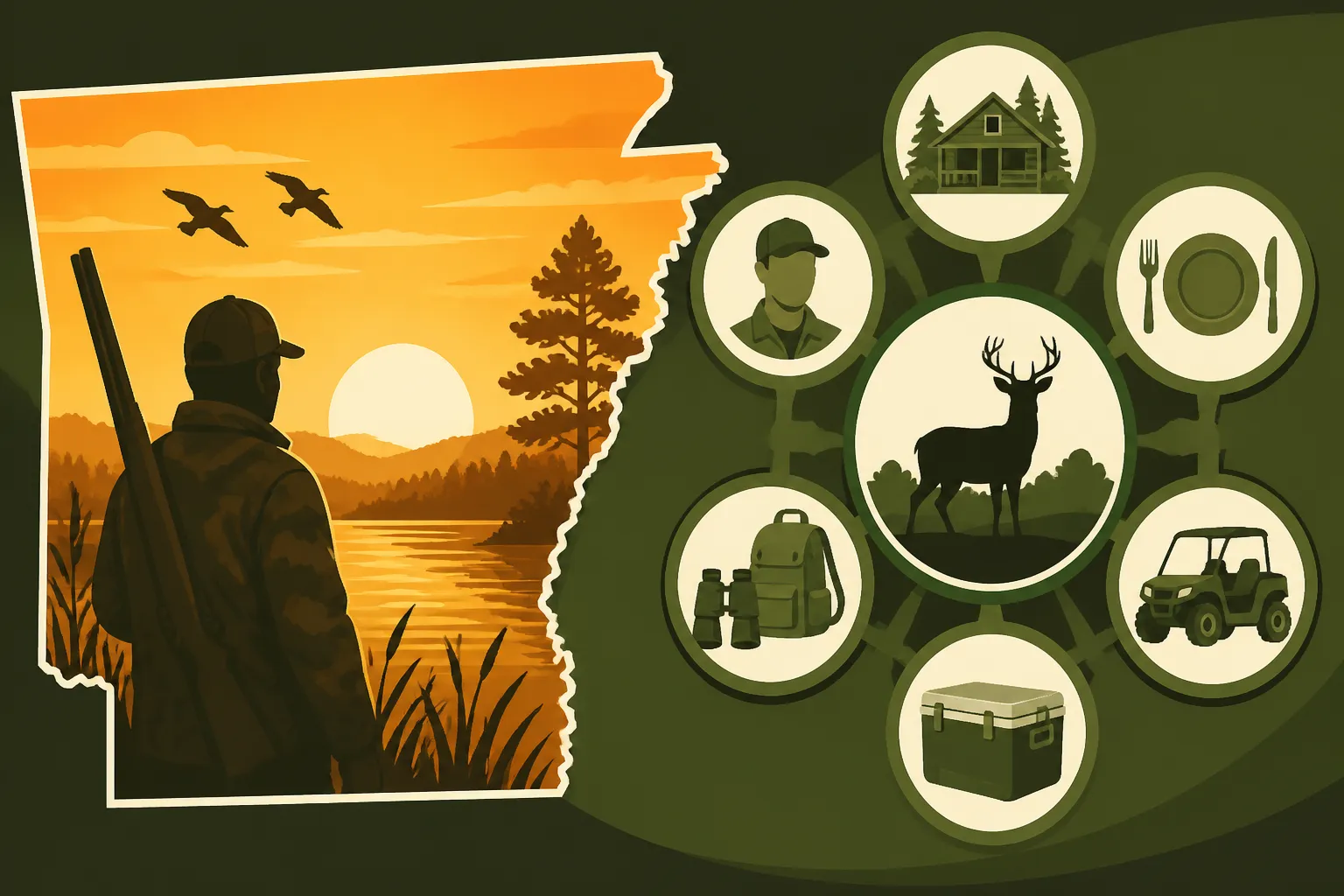
What an Arkansas Hunt Price Includes
Navigating the world of guided hunts in Arkansas can sometimes feel like trying to decipher a secret code, especially when it comes to understanding what's truly included in that advertised price. Many hunters, myself included, have felt the sting of unexpected costs after booking what seemed like an "all-inclusive" trip, only to find essential elements were extra. This guide is here to shed light on the typical inclusions and common exclusions when you're looking at hunt prices across our beautiful state.
Understanding the Base Price of an Arkansas Hunt
When you start looking at guided hunting opportunities in Arkansas, whether for ducks in the Delta or deer in the Ozarks, you'll quickly notice that prices aren't always straightforward. It's not like buying a product off a shelf; there's a lot that goes into the experience, and how that's bundled can vary wildly from one outfitter to the next. The core of any hunt price usually boils down to whether you're paying a daily rate or for a comprehensive package.
Daily Rates and Per-Hunter Costs
Many outfitters, especially for species like deer or turkey, will quote a price per hunter per day. This is often the most basic offering and might cover the core hunting experience itself. Think of it as access to the land and the guide's time and knowledge for that specific day. It's a great option if you prefer to handle your own lodging, meals, and maybe even some of the equipment, giving you a bit more flexibility and control over your overall budget.
However, a daily rate typically means you'll be responsible for almost everything else. Transportation to and from the hunting area, food, drinks, and potentially even specialized gear might fall squarely on your shoulders. It's crucial to clarify exactly what a daily rate does include, beyond just the presence of a guide, to avoid any surprises down the line. Sometimes, even the use of a blind or a certain piece of equipment might be an extra charge if not explicitly stated.
Package Deals: All-Inclusive Options
On the other end of the spectrum, many Arkansas outfitters, particularly those catering to the popular duck hunting scene in places like Stuttgart, offer package deals. These are often marketed as "all-inclusive" and aim to provide a more seamless experience, bundling several services into one price. A typical duck hunting package, for instance, might include multiple days of hunting, lodging at a comfortable lodge, and hearty meals to fuel your adventures.
While these packages generally offer convenience and can often be a better value than piecing everything together yourself, the term "all-inclusive" can still be a bit of a moving target. It’s vital to understand the specifics. Does it include bird cleaning? Transportation from the airport? How about ammunition? These are the details that can sometimes add up, so don't be shy about asking for a full breakdown before committing. Websites like BookYourHunt often detail what's included in various packages, making it easier to compare.
What's Usually Included in an Arkansas Hunt Price?
When you’re shelling out your hard-earned cash for a guided hunt in Arkansas, you expect certain things to be covered. While variations exist, there are some common inclusions that you can generally count on being part of the base price, whether it’s a daily rate or a package. These elements are often what make a guided hunt a truly unique and productive experience.
Guide Services and Expertise
At the heart of any guided hunt is, well, the guide! This is perhaps the most significant inclusion. You're paying for their extensive knowledge of the local terrain, the game animals, their patterns, and the best tactics to employ. An Arkansas guide will know the difference between Reading an Ozark Bench for Deer and Where Delta Bucks Bed in Standing Water, or how Hunting the Arkansas Rut by Zone changes your approach. They've likely spent countless hours scouting, monitoring game cameras, and understanding the ebb and flow of the season.
Beyond their expertise, a good guide also handles the logistics. They’ll get you to the hunting spot, set up blinds or stands, position decoys, and help with calling. Their experience is invaluable, especially in complex environments like flooded timber for ducks or vast national forests for deer. They're there to increase your chances of success and ensure you have a safe and enjoyable time, often sharing local stories and insights that add to the overall experience.
Access to Leased or Private Land
Another major component of a guided hunt's price is access. Many premier hunting opportunities, especially for ducks and trophy deer, take place on private land that outfitters either own or lease. Gaining permission to hunt these lands yourself can be incredibly difficult, often requiring years of networking or substantial financial investment in a lease. When you book a guided hunt, you're essentially buying a temporary "membership" to these prime hunting grounds.
This access means you're often hunting in areas with managed game populations, lower pressure, and excellent habitat. Outfitters invest heavily in securing and maintaining these properties, from planting food plots for deer to managing water levels in green tree reservoirs for ducks. This exclusive access is a major differentiator from public land hunting and contributes significantly to the overall value and cost of the hunt.
Basic Equipment and Blind Use
Most guided hunts will include the use of certain essential equipment. For duck hunts, this almost always means blinds (permanent or portable), decoys, and sometimes even a boat for transportation through flooded areas. Deer hunters can expect access to pre-set treestands or ground blinds. The outfitter usually maintains this equipment, ensuring it's safe and ready for use.
It's always a good idea to confirm what "basic equipment" entails. While blinds and decoys are standard for waterfowl, don't assume a high-end thermal scope for a predator hunt or a specific type of rifle for a deer hunt will be provided. Most hunters prefer to bring their own firearms and personal gear anyway, as familiarity breeds confidence. However, knowing that the big-ticket items like a quality duck blind or a sturdy deer stand are ready for you is a huge relief.
Game Retrieval and Initial Care
The moment of truth arrives, and you've successfully harvested an animal. What happens next? A guided hunt typically includes assistance with game retrieval. For deer, this could mean helping you track and drag your harvest out of a tough hollow or loading it onto an ATV. For ducks, it involves the guide's dog (or the guide themselves) retrieving fallen birds from the water or dense cover.
Beyond retrieval, most outfitters will also provide initial field dressing and transport of the animal back to a central processing area. For ducks, this might include bird cleaning services, getting them plucked and bagged, ready for your cooler. For deer, it often means getting the animal quartered or caped for transport to a local processor or taxidermist. Again, always confirm the extent of these services, as some might offer basic field dressing while others provide full processing for an additional fee.
Common Exclusions You Should Budget For
While guided hunts offer incredible value and convenience, it's rare for a single price to truly cover everything. Smart hunters know to budget for additional costs that are almost universally excluded from the base price. Overlooking these can lead to an unexpected financial sting, turning a dream hunt into a budget nightmare.
Licenses, Tags, and Stamps
This is perhaps the most common and often overlooked exclusion. State hunting licenses, specific game tags (like a deer tag), and federal or state stamps (such as a federal duck stamp or Arkansas waterfowl stamp) are almost never included in the outfitter's price. These are legal requirements that each hunter is personally responsible for purchasing. You'll need to secure your Arkansas Hunting Licenses and What They Cost well in advance of your trip.
For non-residents, these costs can be substantial, and there might be different options like short-term or annual licenses depending on your hunt duration. Always check the Arkansas Game and Fish Commission (AGFC) website for the most current requirements and fees. Remember, failing to have the proper licenses and tags means you cannot legally hunt, and an outfitter cannot provide them for you.
Gratuities for Guides and Staff
It's customary in the hunting industry to tip your guide and any other staff who contribute to your experience. This is a significant part of their income and a way to show appreciation for their hard work, knowledge, and effort. While never mandatory, it’s an expected part of the overall cost and should be factored into your budget. The amount can vary depending on the quality of the service and your overall satisfaction.
A general guideline for guides is often 15-20% of the hunt's cost, though some hunters adjust this based on effort, attitude, and how successful the hunt was. Don't forget other staff, like lodge cooks, bird cleaners, or dog handlers, who also work hard to make your trip enjoyable. A quick search on hunting forums or specialized sites like GoHunt can often provide insights into typical tipping practices for specific areas or hunt types.
Meals and Lodging
While many "all-inclusive" packages will cover meals and lodging, it's not a given, especially with daily rate hunts or if you're booking a more budget-friendly option. Always clarify whether your accommodation and food are part of the deal. If they aren't, you'll need to factor in hotel costs, restaurant meals, or groceries if you plan to cook yourself.
For duck hunters flocking to the Delta, for instance, a premium lodge experience with gourmet meals is often part of the package. But if you're hunting in a more remote area of the Ouachita National Forest Hunting or simply booked a guide for a day hunt, you might be responsible for securing your own arrangements. Be sure to ask about the quality and type of lodging and meals provided, as this can greatly influence your overall comfort and enjoyment.
Ammunition and Personal Gear
This might seem obvious, but it's worth stating: your ammunition and personal hunting gear are almost always your responsibility. This includes your firearm or bow, binoculars, rangefinder, suitable hunting clothing (including appropriate camouflage for the season and terrain), boots, and any personal comforts you desire. While some outfitters might have a limited supply of ammunition for purchase in a pinch, it's best to bring your own preferred loads.
Think about the conditions you'll be hunting in. If you're duck hunting in December, you'll need high-quality, waterproof waders, a warm jacket, and non-toxic shot appropriate for waterfowl. For a deer hunt in early fall, lighter, breathable layers might be necessary, along with sturdy hiking boots. A good outfitter will provide a recommended gear list, and following it closely is key to a comfortable and successful hunt.
Game Processing and Taxidermy
After the initial field dressing, what happens to your hard-earned game? While some outfitters might offer basic processing, like quartering a deer or cleaning ducks, full processing into freezer-ready meat or professional taxidermy services are almost always extra. Most outfitters will have relationships with local processors and taxidermists and can facilitate getting your animal there.
However, the cost of these services, from cutting and wrapping venison to mounting a duck or a set of antlers, will be your responsibility. If you're traveling a long distance, also consider the logistics and costs of transporting frozen meat or capes back home. You might need a large cooler for meat or specialized shipping for a trophy. Discuss these options with your outfitter well before your trip so you can make informed decisions.
The Nuances of Different Hunt Types in Arkansas
Arkansas offers a diverse array of hunting opportunities, and what's included in a hunt price can shift significantly based on the type of game you're pursuing. The specific demands of each hunt, from specialized equipment to habitat access, play a big role in shaping the cost structure.
Arkansas Duck Hunts
Duck hunting in Arkansas, particularly in the famed Delta region around Stuttgart, is often the most comprehensive and traditionally "packaged" guided experience. Given the significant infrastructure needed for successful waterfowl hunting – flooded timber management, elaborate blinds, boats, and well-trained retrievers – these hunts tend to include more than other types. You can generally expect access to prime waterfowl habitat, often meticulously managed green timber or flooded rice fields. Most reputable duck outfitters will include guide services, access to comfortable, heated blinds, and a spread of decoys. Often, Lodging Add-On Costs in Stuttgart or even full meals are part of a package.
Bird cleaning and packaging are common inclusions, making it easy to get your limits ready for travel home. However, things like specific shotgun shells (always non-toxic for waterfowl!), waders, rain gear, and personal camouflage are typically your responsibility. Some lodges might offer shotgun rentals, but it's less common. Always clarify how many hunts are included per day (e.g., morning only, or morning and afternoon options) and the specific rules around Setting Decoys in Timber Holes or Hunting Rice Fields After Harvest.
Deer and Turkey Hunts
Deer and turkey hunts in Arkansas, which might take you to the rugged Hunting Ozark Ridges and Hollows for Deer or the pine plantations of South Arkansas, often have a more variable pricing structure. While some outfits offer full-service deer camps with lodging and meals, many specialize in day hunts where the focus is primarily on guide services and access. For deer, this means the guide will often take you to pre-scouted stand locations – whether a permanent treestand, a ground blind, or a tower blind – on private or leased land. They'll also assist with game retrieval and initial field dressing.
Turkey hunts typically involve a more active "run-and-gun" style, with guides calling and helping you position for a shot. For both deer and turkey, inclusions usually cover the guide's time, knowledge of the hunting area, and access to private land. What's often not included are lodging, meals, specific hunting gear beyond the stand or blind, and post-harvest processing beyond the initial field dressing. If you're looking for a fully catered experience, make sure to seek out outfitters explicitly offering those amenities, and be prepared for a higher price point. Understanding How Many Deer You Can Take in Arkansas and the specific Arkansas Antlered Buck Limit for your zone is also essential, as the hunt price usually doesn't guarantee you a specific number of animals beyond the legal limit.
Bear and Predator Hunts
Arkansas offers exciting opportunities for Black Bear Hunting in Arkansas in the Ozark and Ouachita National Forests, as well as Coyote and Bobcat Calling in Arkansas throughout the state. These hunts tend to be even more specialized, and their price inclusions reflect that. For bear hunts, which are often conducted over bait in specific zones, the price will almost certainly cover the extensive time and resources an outfitter puts into baiting and monitoring sites. This can include maintaining bait stations for weeks or months prior to the hunt. You'll get guided transport to these sites, assistance with shot placement, and often substantial help with retrieving and handling a large bear.
Predator hunts, especially for coyotes or bobcats, might include thermal optics or night vision equipment if it's a night hunt, along with the guide's calling expertise. However, lodging and meals are very frequently separate for these types of hunts, as they often occur in more remote areas or can be shorter, more intense experiences. Due to the specific regulations around Arkansas Bear Baiting Rules and the dynamic nature of How a Bear Zone Closes Mid-Season, an outfitter's local knowledge is particularly crucial here, and that expertise is a primary driver of the hunt cost.
Evaluating Outfitter Pricing and Value
With such a wide range of inclusions and exclusions, making an informed decision about booking a guided hunt in Arkansas can feel overwhelming. It's not just about the number on the price tag; it's about what that number truly represents in terms of value, service, and peace of mind. Taking the time to properly evaluate outfitter pricing will save you headaches and unexpected expenses in the long run.
Asking the Right Questions
Before you ever put down a deposit, open a dialogue with the outfitter. This is where you get to truly understand what you're paying for. Don't be afraid to ask direct and detailed questions. Here’s a checklist of things you absolutely need to clarify:
- What is the exact total cost per hunter for the entire duration? Ask for a line-item breakdown if they can provide one.
- What does the base price explicitly include? List out guide services, land access, specific equipment (blinds, decoys, boats, etc.), meals, lodging, field dressing, and game retrieval.
- What is not included? Be specific about licenses, tags, gratuities, ammunition, personal gear, full game processing, and taxidermy.
- Are there any hidden fees or potential surcharges? For example, trophy fees for a certain size of animal, extra costs for extended hunts, or fees for non-hunting guests.
- What are the lodging and meal arrangements? Describe the accommodations and the types of meals.
- What is the group size? How many hunters will be in a blind or hunting party?
- What happens if weather or unforeseen circumstances disrupt the hunt? Ask about their cancellation policy, refund policy, or rebooking options.
- What is their typical success rate? Understand that success rates are not guarantees, but they give an idea of what to expect.
- Can they provide references from recent clients? A reputable outfitter will be happy to connect you with past hunters.
Sites like GoHunt or BookYourHunt often have sections for reviews and detailed listings, but nothing beats a direct conversation to get your specific questions answered.
Reading the Fine Print
Once you've had your conversations and feel good about an outfitter, they will typically provide a contract or booking agreement. This is not the time to skim! Read every single word. The fine print is where all the details are legally laid out, including deposit requirements, cancellation policies, what's covered in case of an accident, and the final payment schedule. Pay close attention to clauses regarding weather delays or unforeseen circumstances. What happens if When the Delta Floods Too Much and your duck hunt gets impacted? What if a bear zone closes due to quota fulfillment?
Ensure that everything discussed verbally is also reflected in the written agreement. If something is missing or unclear, ask for clarification in writing. A solid contract protects both you and the outfitter, so don't view it as a mere formality. It's your blueprint for the hunt, detailing expectations and responsibilities.
Comparing Apples to Apples
When you're evaluating several different Arkansas outfitters, it can be tricky to compare them fairly, especially if they offer different package structures. One outfitter might quote a lower daily rate but exclude lodging and meals, while another might seem more expensive upfront but include absolutely everything. Create a simple spreadsheet or checklist for each outfitter, breaking down all the known costs and inclusions.
| Service/Item | Outfitter A (Daily Rate) | Outfitter B (Package Deal) | Outfitter C (Hybrid) |
|---|---|---|---|
| Base Hunt Price | $X/day | $Y (3-day total) | $Z/day |
| Guide Services | Included | Included | Included |
| Private Land Access | Included | Included | Included |
| Use of Blinds/Stands | Included | Included | Included |
| Game Retrieval | Included | Included | Included |
| Initial Field Dressing | Included | Included | Included |
| Lodging | Excluded | Included | Included (extra cost) |
| Meals | Excluded | Included | Included (extra cost) |
| Licenses/Tags | Excluded | Excluded | Excluded |
| Gratuities | Excluded | Excluded | Excluded |
| Ammunition | Excluded | Excluded | Excluded |
| Full Game Processing | Excluded | Excluded | Excluded |
| Estimated Total Cost | (A + Your Estimates) | (B + Your Estimates) | (C + Your Estimates) |
By filling out a table like this, you can clearly see the total estimated cost for each option, including all the things you’ll need to pay for out of pocket. This comprehensive view helps you make a truly informed decision, ensuring you select the outfitter that best fits your budget and expectations for your Arkansas hunting adventure.
Booking a guided hunt in Arkansas is an investment in an experience, often a once-in-a-lifetime memory. By understanding exactly what's included in that price, and just as importantly, what's not, you can ensure your trip is everything you hoped for without any unwelcome financial surprises. Clear communication, diligent research, and careful budgeting are your best friends in planning any successful hunt.
Disclaimer
This article is for general informational purposes only and does not constitute professional advice. Laws, prices and regulations vary by location and change over time. Consult a qualified professional for guidance on your specific situation.