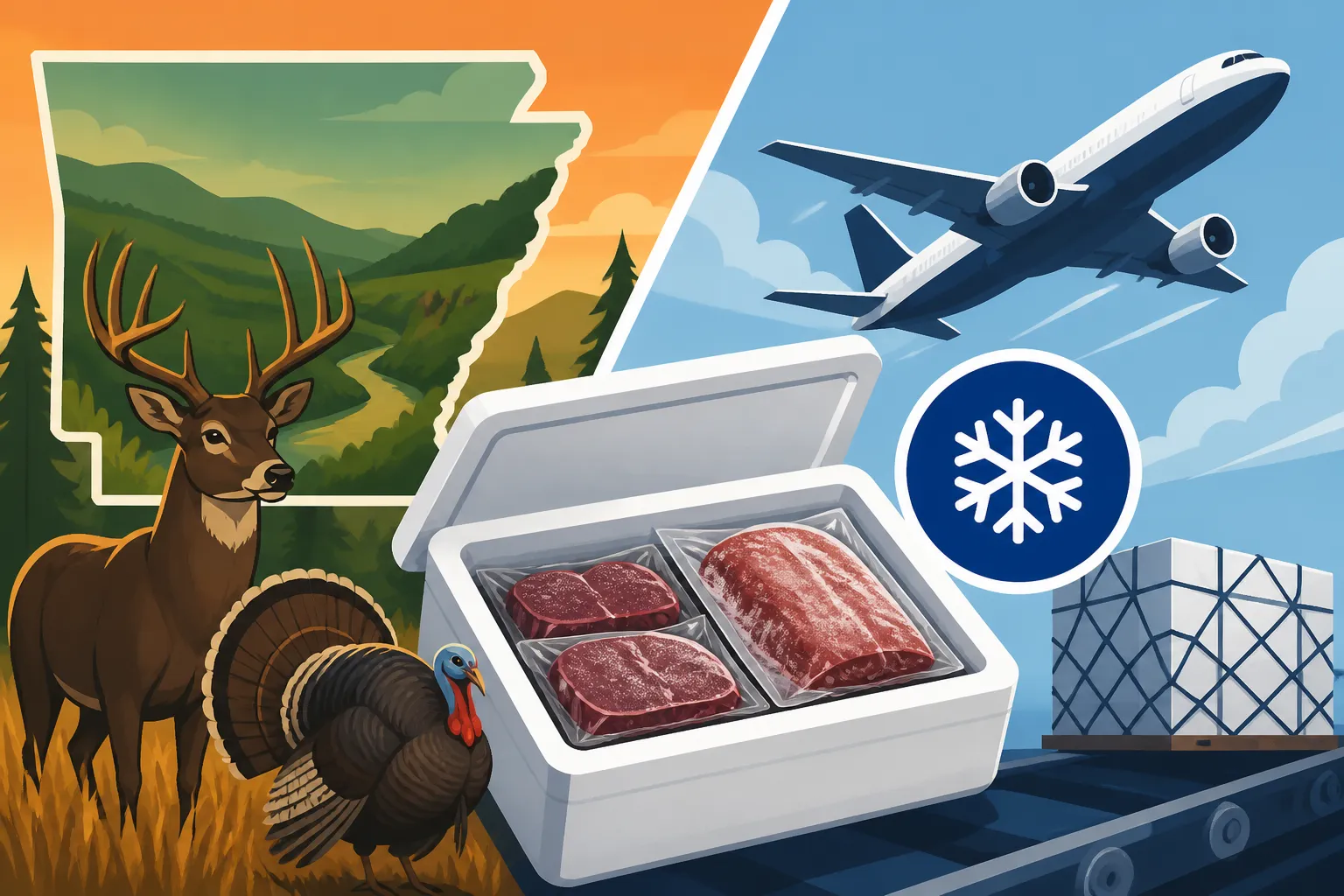
Shipping Frozen Game Meat by Air
You've just wrapped up an incredible hunting trip here in Arkansas, whether it was chasing big Delta bucks or calling in mallards in flooded timber, and now you're faced with a common, albeit welcome, dilemma: how do you get all that delicious game meat home, especially if your journey involves air travel? It’s not as simple as tossing it in a cooler and heading to the airport, and many hunters feel a real pang of anxiety trying to figure out the rules. This guide is designed to walk you through the ins and outs of shipping your frozen game meat by air, ensuring your hard-earned harvest arrives safely and legally at your destination.
Navigating Airline and Wildlife Regulations for Game Meat
The first hurdle to clear when planning to fly with game meat isn't just the airline; it's a multi-layered web of federal and state wildlife regulations, coupled with the individual policies of air carriers. It can feel like you need a law degree just to get your venison or duck breast from Point A to Point B, and believe me, you're not alone in feeling overwhelmed by it all. Trying to untangle this without clear guidance can lead to frustrating delays, or worse, your precious harvest being confiscated.
Airline-Specific Rules and Restrictions
Every airline operates under its own set of rules when it comes to what you can and cannot check as baggage, and this absolutely applies to frozen meat. These policies can change, so what worked last year might not fly (pun intended) this year. It's not enough to assume; you must check with your specific airline. Think about when you're using resources like BookYourHunt to find that perfect guided trip – you're looking at details for the hunt itself. But just as important are the logistics for after the hunt. Some airlines might have weight restrictions for coolers, while others may explicitly forbid certain types of coolants, like wet ice, or have specific requirements for how dry ice is packaged.
For instance, some carriers consider coolers containing frozen meat as "special baggage" and may charge an oversized or overweight fee, even if it's within the standard baggage allowance for regular luggage. Others might require advance notification, especially for larger quantities or for anything involving dry ice. Imagine showing up at the counter with a 70-pound cooler full of prime Arkansas White-Tailed Deer Across Arkansas backstraps, only to be told it's too heavy or that you didn't call ahead. That’s a situation no one wants to be in after a successful trip. Always call the airline's customer service a few days before your flight and confirm their current policy, noting down the name of the representative you spoke with and the date.
State and Federal Game Transport Laws
Beyond airline rules, you're also dealing with game laws, both at the state level (Arkansas and your destination state) and federally. This is where many hunters trip up, focusing only on the airline and forgetting about the actual wildlife regulations. For example, if you're taking your harvest from Arkansas to another state, both states' game and fish commissions might have rules about how game meat is transported across borders. This is particularly relevant when it comes to species with specific tagging requirements or if you’ve been hunting in a Arkansas CWD Management Zone Rules.
Federal regulations through agencies like the U.S. Fish and Wildlife Service also come into play, especially for migratory birds like ducks and geese. You might be asked to present your tags or licenses, and the game warden's interest doesn't stop just because you're at the airport. It’s crucial that all parts of your game are legally taken and processed. If you've just come off a fantastic duck hunt in the Hunting Arkansas Flooded Green Timber, make sure those birds are properly tagged, breasted, or identified according to regulations. Some states require that a certain portion of the bird, like a wing, remains attached for identification until it reaches its final destination. This is why when you're planning a trip, looking up these kinds of details on comprehensive platforms like GoHunt, or directly on the AGFC website, is a smart move.
Cooler and Packaging Requirements
The type of cooler and how you pack it makes all the difference. This isn't the time to grab that flimsy picnic cooler you got for free. You need a sturdy, well-insulated cooler designed to hold ice for days, like a Rotomolded cooler. The objective is to keep your meat frozen solid for the entire journey, which could involve hours of waiting, flights, layovers, and ground transport.
Airlines typically require that your cooler is leak-proof. This means no melted ice seeping out onto other luggage or into the plane's cargo hold. Wet ice is generally a no-go for this reason. You'll need to consider dry ice or gel packs, which we'll dive into next. The cooler itself should be durable enough to withstand the rigors of baggage handling. Those handlers aren't always gentle, and a cracked cooler means a ruined trip. Ensure it has sturdy latches that won't pop open. Some hunters even go the extra mile by wrapping their cooler in duct tape for added security, especially around the seams and latches.
Preparing Your Harvest for Air Transport
Once you understand the rules, the next step is meticulously preparing your game meat. This isn't just about preserving freshness; it's about making sure your package is airplane-ready and won't cause any issues from a health or safety perspective. The effort you put in here directly impacts whether your delicious harvest makes it home intact.
Proper Processing and Freezing
The golden rule for shipping game meat is that it needs to be rock solid frozen before it even thinks about getting on an airplane. This isn't just "mostly frozen" or "a little bit icy." It needs to be frozen through and through, like a brick. After a successful hunt, perhaps for Black Bear Hunting in Arkansas, you'll want to get your game to a reputable processor quickly. Ensure the meat is properly cut, wrapped, and vacuum-sealed if possible. Vacuum-sealing removes air, preventing freezer burn and helping the meat maintain its quality for longer.
Once packaged, freeze it solid. If you're staying in Arkansas for a few days, many local processors offer freezing services, sometimes even with overnight options. A good processor will package your meat in sturdy, freezer-safe materials that can withstand thawing and refreezing, should there be an unexpected delay. For example, if you're hunting near the Buffalo National River Hunting Rules area, there are small-town butchers who specialize in game processing and understand these requirements. Give yourself at least 48-72 hours for larger cuts to freeze completely solid in a deep freezer.
Dry Ice vs. Gel Packs
This is one of the most common questions, and it largely depends on airline rules and how long your journey is.
| Coolant Type | Pros | Cons | Airline Considerations |
|---|---|---|---|
| Dry Ice | Extremely cold, keeps items frozen longer, sublimes (turns to gas) leaving no mess. | Hazardous material for airlines (requires specific packaging and limits), can burn skin, needs ventilation, higher cost. | Most airlines allow up to 5.5 lbs (2.5 kg) per passenger, often requiring a vented cooler and hazard label. Must be declared. |
| Gel Packs | Reusable, non-hazardous, no special handling, cheaper upfront. | Less cold than dry ice, won't keep items frozen as long, can eventually thaw and leak if packaging fails. | Generally allowed without restrictions, but ensure they are frozen solid and won't leak if thawed. |
If your flight is relatively short (under 6-8 hours with minimal layovers), a generous amount of frozen gel packs in a high-quality cooler might suffice, especially if the meat is already brick-solid. The key is to pack as many as possible, filling any air gaps in the cooler.
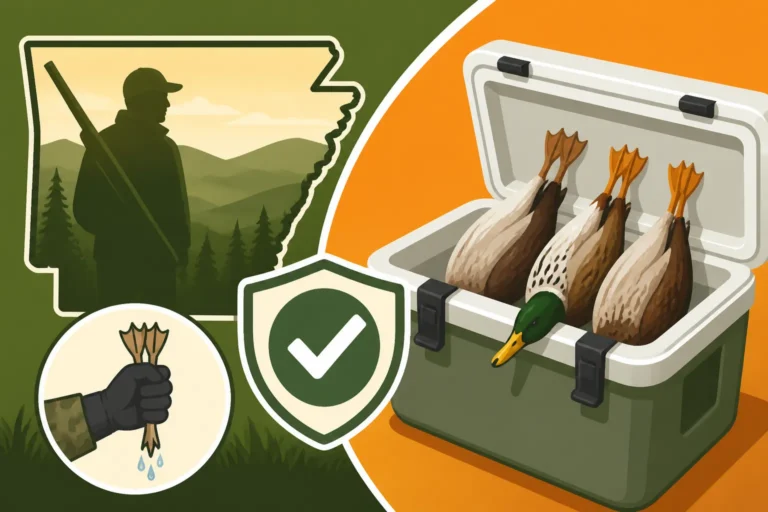
For longer journeys or if you simply want maximum assurance, dry ice is the superior option, but it comes with stricter rules. It's a solid form of carbon dioxide and is very cold (-109.3°F / -78.5°C). Most airlines have a strict limit, typically around 5.5 pounds (2.5 kilograms) of dry ice per passenger, and it must be declared at check-in. The cooler itself must be vented to allow the CO2 gas to escape, preventing pressure buildup that could rupture the cooler. You'll often need to place a "dry ice" label on the cooler. Always handle dry ice with gloves to avoid frostbite. You can often find dry ice at larger grocery stores or specialty gas suppliers in cities like Little Rock or Jonesboro.
Labeling and Documentation
Don't underestimate the power of clear labeling. Your cooler should have your name, address, and phone number clearly visible on the exterior, preferably on multiple sides, in case one label gets damaged. Inside, on top of your meat, it's also a good idea to include a piece of paper with the same contact information, just in case the exterior labels are lost.
Furthermore, gather any documentation that might be required. This includes your hunting license, deer tags, duck stamps, and any check-in confirmation numbers from the Arkansas Game and Fish Commission. While not always asked for at the airport, having this readily available can save you a lot of grief if a curious agent or wildlife official has questions. It's about being prepared and demonstrating that you've followed all the rules from the moment you took your Arkansas Deer Seasons and Zone Limits buck until it's ready to fly.
Your Airport Game Plan: Checking In and Flying Out
The airport can be a stressful environment on its best day, and adding a large cooler of frozen game meat into the mix only amplifies that. Having a solid plan and knowing what to expect can alleviate a lot of that pressure and help ensure a smooth journey for your harvest.
Arriving Early and Declaring Your Shipment
This is non-negotiable. Forget rushing to the airport if you're checking a cooler of meat. You need to arrive significantly earlier than the recommended two hours for domestic flights, especially if you're flying out of a smaller regional airport in Arkansas or going through a busy hub. Aim for at least three hours. This gives you ample time to deal with any unexpected issues, navigate long lines, or handle special declarations.
When you get to the airline counter, immediately declare that you are checking a cooler containing frozen game meat and, if applicable, that it contains dry ice. Do not try to sneak it through or hope no one notices. Honesty and transparency are your best allies here. The airline agent will guide you through any specific forms or labeling they require for dry ice or special baggage. They might ask questions about the contents, how it's packaged, and if it's completely frozen. Be ready with clear, concise answers.
Navigating TSA and Airline Check-in
Once you declare your cooler, the airline agent will process it. They'll weigh it, measure it (if it's oversized), and apply any necessary baggage tags. If you're using dry ice, they'll verify the labeling and ensure it meets their specific guidelines for hazardous materials. Don't be surprised if they ask you to open the cooler for inspection, either by them or by TSA. This is a normal part of the process, especially if you're flying with something unconventional like a large block of frozen protein.
TSA (Transportation Security Administration) is primarily concerned with security, not game laws, but they can and will inspect anything they deem suspicious. Ensure your cooler can be opened and re-sealed easily. Avoid using heavy-duty locks that require a key, as TSA might need to break them to inspect the contents. TSA-approved locks are generally fine, or simply use strong tape to secure the lid, which can be cut and reapplied by an agent if necessary. After inspection, make sure the cooler is securely re-sealed before it heads down the conveyor belt.
Potential Issues and How to Troubleshoot Them
Even with the best planning, things can go sideways.
- Overweight or Oversized Baggage: If your cooler is too heavy or too large, you'll be charged extra fees. Be prepared for this financially. If it's way over the limit, you might have to remove some meat. Consider splitting your harvest into two smaller, compliant coolers if possible, especially if you had a particularly successful Arkansas Deer Harvest Records season.
- Damaged Cooler: While rare, coolers can get damaged during transit. Ensure yours is tough. If it's a soft-sided cooler, consider placing it inside a larger, hard-sided container or box.
- Thawing During Delays: Long layovers, missed connections, or unforeseen flight delays are the nemesis of frozen meat. This is where the "rock solid frozen" starting point and ample coolant really pay off. If you have a very long layover, sometimes airports have facilities where you can re-ice a cooler, but don't count on it. Plan for the worst-case scenario.
- Misunderstandings with Agents: Sometimes, an airline agent might be unfamiliar with the specific rules for game meat or dry ice. Politely and clearly refer to the airline's official policy (which you ideally printed out or have readily available on your phone). If you encounter persistent issues, ask to speak with a supervisor. Staying calm and informed can often resolve these situations.
Essential Tips and Common Pitfalls to Avoid When Shipping Game Meat
Getting your trophy meal home safely is the last crucial step in a successful hunt. By being proactive and understanding the common mistakes, you can drastically improve your chances of a hassle-free experience.
Packing Strategically for Maximum Cold Retention
It’s not just what you pack, but how you pack it. Think of your cooler as a mini-freezer.
- Pre-chill Your Cooler: Before you even put the meat in, throw some ice or gel packs into your cooler overnight. A cold cooler works more efficiently than one starting at room temperature.
- Fill All Gaps: Air is the enemy of cold. Pack your meat as tightly as possible. If there are any empty spaces, fill them with crumpled newspaper, towels, or extra gel packs. The less air circulating, the better the insulation.
- Dry Ice Placement: If using dry ice, place it on top of the meat. Cold air sinks, so this will naturally flow down and keep everything colder. Wrap the dry ice in newspaper to slow down sublimation slightly and prevent direct contact with the meat (which can cause freezer burn, even though the meat is already frozen).
- Layering: For very long trips, consider a layer of dry ice, then a layer of meat, then more gel packs, and finally more meat. This creates multiple barriers to heat transfer.
Remember, the goal is for the meat to remain frozen solid for at least 24 hours beyond your anticipated travel time. This buffer is your insurance against unforeseen delays.
Understanding the "Final Destination" Rule for CWD
If you’ve harvested deer from an area impacted by Chronic Wasting Disease (CWD) in Arkansas, you need to be acutely aware of how you transport that meat. The Arkansas Game and Fish Commission (AGFC) has specific rules about carcass transport, especially when leaving a Arkansas CWD Counties List. Generally, only deboned meat, clean skull plates (antlers), hides, and teeth are allowed to cross state lines from CWD-positive areas. The brain, spinal cord, lymph nodes, and other nervous system tissues must be removed and left behind or disposed of safely.
This means you cannot simply quarter a deer and put it in a cooler if you've harvested it from a CWD zone and plan to fly it out. It must be fully processed into deboned meat. This regulation isn't about airline safety; it's about preventing the spread of a devastating wildlife disease. Always check the AGFC regulations for the most current information on Arkansas CWD Rules and Carcass Transport and adhere to them strictly. Violating these rules can lead to significant fines and penalties, and frankly, it's just responsible stewardship of our wildlife resources.
Considering Shipping Services as an Alternative
While this guide focuses on flying with your meat, it's worth a quick mention that dedicated shipping services like UPS or FedEx are often a viable alternative, especially for larger quantities or if airline regulations prove too restrictive. These services have specific guidelines for shipping perishables, including frozen food with dry ice.
They can often ship larger quantities of dry ice than airlines allow for checked baggage, and their logistics are designed for package transit, not passenger luggage. However, they can be more expensive, especially for overnight or express services needed to keep meat frozen. Many Arkansas game processors have established relationships with these carriers and can handle the entire shipping process for you, often at a commercial rate. This can be a huge convenience after a successful Bowhunting Arkansas's Five-Month Archery Season or Arkansas Modern Gun Deer Hunting experience, allowing you to focus on getting yourself home while your meat follows. Always compare costs and convenience against the airline option.
Disclaimer
This article is for general informational purposes only and does not constitute professional advice. Laws, prices and regulations vary by location and change over time. Consult a qualified professional for guidance on your specific situation.