What Happens if You Limit Out Early
It's happened to almost every dedicated hunter: you've put in the time, done your scouting, and then, perhaps sooner than you ever expected, you fill your tags. Whether it's the very first day of your deer hunt, or you nail your duck limit by 8 AM, finding yourself "limited out" early can feel like a mixed blessing. On one hand, success! On the other, a sudden void where your hunting plans used to be. This guide will walk you through what to do when you hit your limits ahead of schedule in Arkansas, exploring your options, the legalities, and how to make the most of that unexpected free time in the Natural State.
What "Limiting Out Early" Truly Means in Arkansas
First things first, let's get clear on what it means to "limit out" in Arkansas, because it's not always as simple as filling one tag. Every species has specific bag limits and season structures that dictate how many animals you can harvest. Understanding these rules is crucial to ensure you stay legal and ethical when you experience early success.
Daily, Season, and Zone Limits
Arkansas hunting regulations are designed to manage wildlife populations, and they vary significantly by game species, hunting method, and even geographic zone. For instance, in deer hunting, you might have a statewide antlered deer limit, an antlerless deer limit, and then specific zone restrictions that dictate how many of each you can take in particular regions. An early buck harvest in one zone might mean your antlered tag is filled for the year, even if you haven't filled your antlerless tags or still have opportunities in other zones. This is why knowing Arkansas Deer Seasons and Zone Limits and How Many Deer You Can Take in Arkansas is so important.
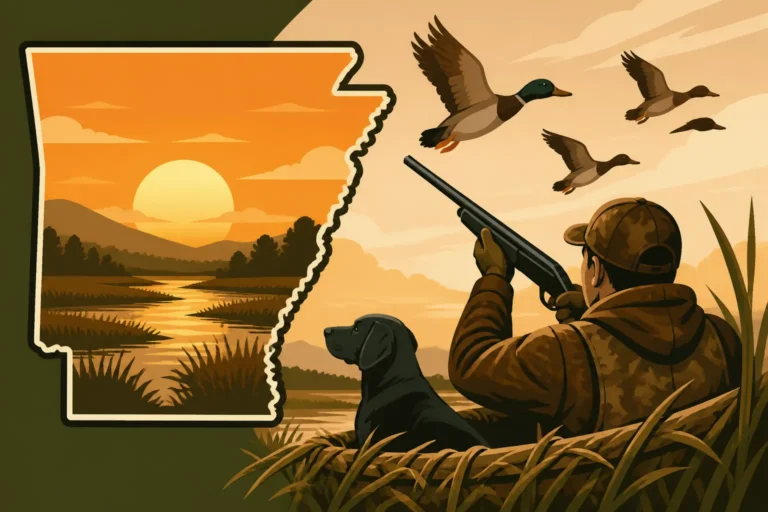
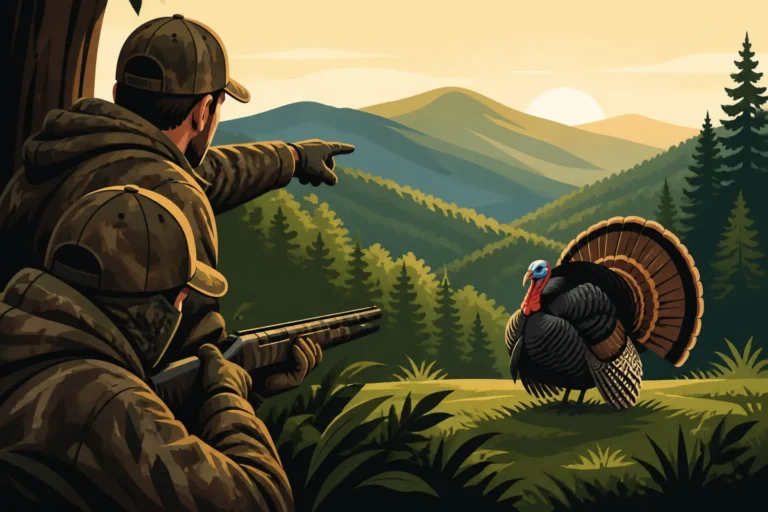
With waterfowl, it's typically a daily bag limit for certain species, plus a possession limit. If you shoot your six mallards by sunrise, you've limited out for the day on mallards. But that doesn't necessarily mean your hunt is over; you might still have opportunities for other species if you haven't hit their individual daily limits, or you could simply go home and come back another day if the season is still open. Turkey hunters face a similar scenario, often with a strict season limit on gobblers that, once filled, means your turkey season is done. It's a fantastic feeling to tag out early, but it signals a hard stop for that specific pursuit.
Legal and Ethical Responsibilities After the Harvest
Once you've harvested an animal and reached your limit, your legal responsibilities immediately kick in. In Arkansas, this often involves tagging your animal immediately after harvest and checking it in with the Arkansas Game and Fish Commission (AGFC). For deer, this means attaching your physical tag and then reporting the harvest through the AGFC app, phone, or website. Failing to properly tag and check your game can lead to serious legal repercussions, even if you were legitimately limited out. You can learn more about this process in Arkansas Deer Checking and Tagging.
Beyond the law, there's the ethical side. Once your tag for a specific species is filled, you are no longer a hunter of that species for the season (or day, depending on the limit). This means you cannot actively participate in its pursuit, such as calling deer for a friend if you've filled your buck tag, or shooting at ducks after your daily limit is met. While observing or helping with recovery might be acceptable, anything that aids in the direct harvest of that species when you're legally done is a no-go. Respecting these boundaries upholds the integrity of hunting and wildlife management for everyone.
Your Options When You Tag Out Early
So, the moment arrives: you've made a great shot, or the ducks poured into the spread, and you're limited out with plenty of time left in your trip. What now? This is where having a plan B (or C!) comes in handy, especially when you've invested time, money, and travel into an Arkansas hunting adventure.
Switching Species for Continued Hunting
Arkansas is incredibly diverse, offering a wealth of hunting opportunities. If you've filled your deer tag, but it's still duck season, or perhaps small game like squirrels and rabbits are open, you might be able to pivot to another pursuit. This is a fantastic way to extend your time afield and explore different aspects of the Natural State's wildlife.
For example, if you've harvested your buck in the Ozarks, but you also have a valid Arkansas Waterfowl Stamp Requirements and have done your HIP registration, you could head down to the Delta for some duck hunting. Or, perhaps you filled your turkey tag, but the dense hardwoods are full of squirrels, offering a fun and challenging alternative. Always ensure you have the correct licenses, stamps, and permits for any new species you plan to pursue. Many hunters purchase a combination license at the start of the season precisely for this flexibility. Services like GoHunt or BookYourHunt can sometimes help you quickly identify what other hunting opportunities might be available in your area or nearby regions if you're looking for last-minute options or different species to pursue.
Consider the following table for ideas:
| Species Limited Out | Potential Other Hunting Options (with valid licenses) | Considerations |
|---|---|---|
| Deer (Antlered) | Antlerless Deer (if tags remain, zone allows), Small Game (squirrels, rabbits), Predator Hunting (coyotes, bobcats), Waterfowl (ducks, geese) | Different gear, location, and hunting style might be needed. Check specific season dates and limits for each. |
| Ducks (Daily) | Geese/Specklebellies (if separate limits), Other Duck Species (if limits allow), Small Game, Predator Hunting | Can return to duck hunting the next legal day. Focus on different fields or areas for geese. |
| Turkey (Season) | Small Game, Predator Hunting, Hog Hunting (where legal), Fishing | Turkey season is often short; once done, it's done for the spring. Focus on other spring activities. |
| Small Game | Predator Hunting, Fishing | Requires different tactics; check night hunting rules for predators. |
Helping Other Hunters in Your Party
If you're hunting with friends or family and you've limited out early, your role can shift from hunter to guide, caller, or scout. This is a chance to give back to your hunting companions, sharing your knowledge and experience to help them find success.
- Calling for Ducks or Turkeys: While you can't carry a firearm for the species you've limited out on, you can certainly call ducks into the spread or gobblers to your friend's setup. Just ensure you are not actively participating in the harvest beyond calling.
- Driving for Deer: If you're on a deer drive, you can still participate as a driver, pushing deer towards standers who still have tags. Again, ensure you are unarmed for the species you've limited out on. Learn more about group tactics in Deer Drives in Arkansas Bottomland.
- Scouting and Spotting: You can be an invaluable asset by spotting game, helping track, or simply navigating to prime locations. Your extra set of eyes and knowledge of the area can significantly increase the chances for others.
- Mentoring New Hunters: If there's a youth hunter or novice in your group, your early success might free you up to provide one-on-one guidance, sharing tips on shot placement, game recovery, and field dressing.
Exploring Non-Hunting Activities and Local Attractions
Arkansas is a beautiful state with much more to offer than just hunting. If you find yourself with unexpected free time, consider taking a break from the woods or water and exploring some of the local culture and natural beauty. This is especially true if you're visiting from out of state and haven't had a chance to see beyond your hunting blind.
- Fishing: Arkansas boasts incredible fishing, from trout streams in the Ozarks to bass lakes and crappie-filled oxbows in the Delta. A valid Arkansas resident fishing license (or nonresident equivalent) and the right gear can turn an early limit into a successful fishing trip.
- Sightseeing: Drive through the national forests, visit one of Arkansas's many state parks, or explore charming small towns like Mountain View, Eureka Springs, or Hot Springs. The Buffalo National River area, for example, offers stunning views and hiking opportunities, especially if you're hunting nearby in areas like Ozark National Forest Hunting.
- Local Cuisine: Arkansas has fantastic local eateries, especially for southern comfort food, BBQ, and fresh catfish. If you're in the Delta, don't miss out on trying some of the local rice dishes or famous duck recipes.
- Relaxation: Sometimes, the best thing to do is simply relax. Enjoy the peace and quiet of your hunting camp, read a book, or catch up on sleep. Hunting is physically and mentally demanding, and an early limit can be a perfect excuse for some well-deserved rest.
Making the Most of Unexpected Free Time
An early limit doesn't have to mean a wasted trip. With a bit of foresight and flexibility, it can open up opportunities for new experiences, learning, and even better hunts in the future.
Scouting for Future Hunts
One of the most valuable things you can do with unexpected free time is scout. Now that the pressure of filling a tag is off, you can explore new areas, identify bedding thickets, food sources, and travel corridors with a fresh perspective. You might even discover areas that other hunters overlook.
- Deer Scouting: Look for fresh rubs, scrapes, and tracks. Pay attention to how deer are using the terrain, especially new clearcuts or timber stands. If you’ve been hunting in an area like the Ouachitas, understanding Wind and Thermals in Ouachita Hollows can be invaluable for future stand placement.
- Duck Scouting: Drive around, looking for new flooded timber holes, active rice fields, or hidden sloughs. Observe flight patterns and how ducks are reacting to current water levels. This kind of "off-the-clock" scouting can reveal incredible new spots that you might otherwise miss in the heat of a morning hunt. Check out Hunting Arkansas Flooded Green Timber for more ideas on what to look for.
- Turkey Scouting: Listen for distant gobblers, look for dusting areas, and find fresh tracks or droppings. Knowing these details can be a game-changer for next season.
Using tools like the AGFC map tool or satellite imagery on apps like onX, you can mark potential new hunting spots, access points, and escape routes. This intel is golden and can significantly improve your success rates in the coming days, weeks, or even next year.
Photography and Wildlife Observation
With your firearm or bow safely cased, you're free to fully immerse yourself in nature without the primary goal of harvesting an animal. This is a fantastic time for wildlife photography or simply observing animal behavior.
- Patience Pays Off: Sit in a blind or a strategic spot with a good view and simply watch. You might be amazed at the number of animals that pass by when you're not actively hunting.
- Learn Animal Habits: Observing deer browsing patterns, how turkeys interact, or the subtle social cues of a flock of ducks can teach you volumes about their habits and make you a better hunter when you return with a tag in hand.
- Capture Memories: Bring a good camera or even just use your phone to capture the beauty of the Arkansas outdoors. These photos aren't just for social media; they're personal memories of your connection to the wild.
This change of pace can be incredibly refreshing and deepen your appreciation for the natural world that draws us all to the woods and waters.
Networking and Community Engagement
Hunting camps and lodges in Arkansas, especially during duck season in places like Stuttgart, are often buzzing with fellow hunters. An early limit can free you up to spend more time socializing, swapping stories, and building connections within the hunting community.
- Share Knowledge: You can share your successful tactics or learn new ones from others. Discussing hunting strategies and experiences with seasoned locals can provide insights that you won't find in any guide.
- Find New Opportunities: Sometimes, these casual conversations can lead to invitations for future hunts or information about new public land access or private land opportunities.
- Support Local Businesses: Take the time to visit local sporting goods stores, restaurants, and other businesses. These establishments are often the lifeblood of hunting communities, and your patronage helps support the infrastructure that makes hunting in Arkansas possible. If you're thinking about future guided trips, asking locals about reputable operations or checking resources like BookYourHunt for reviews can be a good way to start your research.
Planning to Avoid or Embrace Early Success
While an early limit is often a happy problem, it's something you can absolutely plan for, whether you want to prevent it from cutting your trip short or embrace it as an opportunity.
Managing Expectations and Planning for Multiple Species
Before you even leave home, consider the possibility of early success. If you're planning a multi-day trip for a single species with a low bag limit (like turkey or an antlered buck), ask yourself what you'll do if you tag out on day one.
- Purchase Diverse Licenses: If Arkansas offers hunting for multiple species during your travel window, invest in combo licenses, stamps, and permits upfront. This is your insurance policy for extending your time afield. For example, if deer and small game seasons overlap, make sure you're covered for both.
- Research Overlapping Seasons: Use the AGFC regulations to identify what other hunting or fishing seasons are open concurrently with your primary target. This allows you to have a genuine "Plan B" ready to go. GoHunt can be a great tool for researching different states' regulations and overlapping seasons, helping you visualize your options.
- Pack Accordingly: If you plan to switch species, bring the appropriate gear. This might mean having your duck waders and calls in the truck even if you're primarily deer hunting, or packing a .22 rifle for squirrels alongside your deer rifle.
Discussing Options with Your Outfitter or Hunting Group
If you've booked a guided hunt, or you're part of an organized group trip, it's incredibly important to discuss "what if" scenarios regarding early limits before the trip starts.
- Outfitters: Many Arkansas outfitters, especially those specializing in ducks or deer, understand that early limits happen. Ask them upfront about their policy if you limit out. Do they offer opportunities for other species (like a combo duck and specklebelly hunt)? Can you assist others in the blind? Is there an option for a reduced rate if you leave early, or can you use the lodge for the remainder of your booking without hunting? Get these details clear, ideally in writing, to avoid misunderstandings. You can find more questions to ask in Questions to Ask an Arkansas Outfitter.
- Group Dynamics: With private land groups, establish ground rules beforehand. If someone tags out, how will their role shift? Will they help others, or take some time to themselves? Clear communication prevents awkward situations and ensures everyone enjoys the trip, whether they're hunting or not.
By proactively addressing these possibilities, you can turn the pleasant surprise of an early limit into an enjoyable and productive experience, making the most of every moment you spend in Arkansas.
Disclaimer
This article is for general informational purposes only and does not constitute professional advice. Laws, prices and regulations vary by location and change over time. Consult a qualified professional for guidance on your specific situation.