Bringing a Non-Hunting Guest
There's nothing quite like the raw beauty and quiet intensity of an Arkansas hunt, whether it's the crisp chill of a duck blind pre-dawn or the serene silence of a deer stand as the woods awaken. For many of us, it's a deeply personal experience, but sometimes, you might feel the urge to share that world with someone special in your life who doesn't necessarily carry a tag or pull a trigger. Bringing a non-hunting guest along can be an incredibly rewarding way to share your passion, but it comes with its own set of considerations to ensure everyone, especially your guest, has a positive and memorable time. This guide will walk you through the ins and outs, helping you plan a fantastic experience for your non-hunting companion.
The Allure of Sharing: Why Bring a Non-Hunting Guest?
For those of us who live and breathe hunting, it's easy to assume everyone understands the appeal. But for a non-hunter, the idea of waking up before the sun, sitting motionless in the cold, or trekking through mud might seem utterly bewildering. Yet, there's a growing desire among hunters to bridge this gap, to invite loved ones into our world.
Deepening Bonds and Appreciating Nature Together
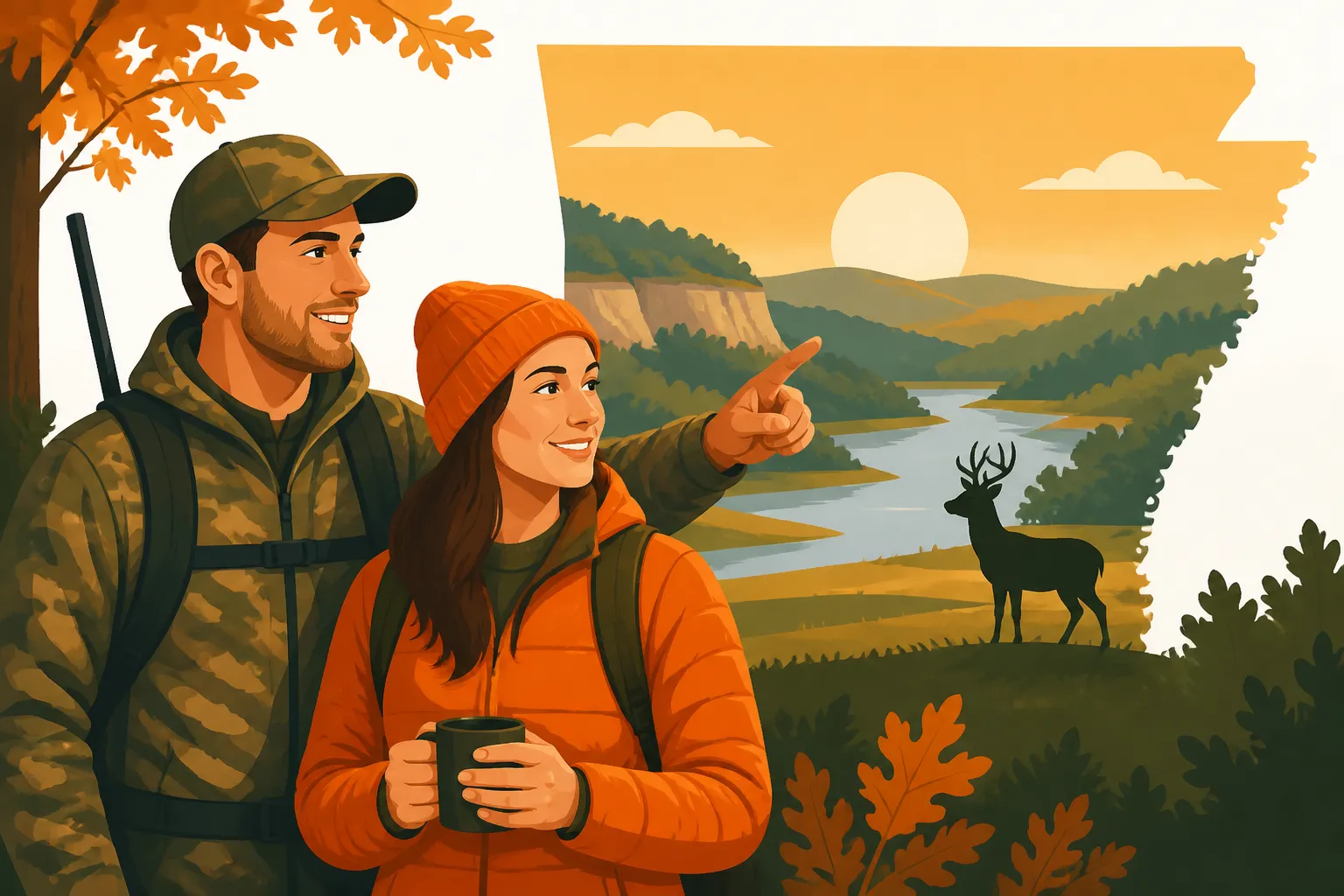
Imagine your spouse seeing the vibrant colors of an Arkansas sunrise paint the sky over a flooded timber hole, or your child spotting a doe and fawn tiptoeing through the Ozark hardwoods, completely oblivious to your presence. These are moments that transcend the act of hunting itself. They are about connecting with nature in its purest form, experiencing the wild beauty of our state, and sharing that wonder with someone you care about. When a non-hunting guest witnesses the intricate ecosystem firsthand—the chatter of squirrels, the distant call of a turkey, the subtle changes in the wind—it often fosters a deeper understanding and appreciation for what drives us into the woods and waters. It's an opportunity to create shared memories that go beyond the usual weekend activities, cementing a unique bond over something truly special.
Dispelling Myths and Showcasing Conservation
Let's be honest: hunting sometimes gets a bad rap in mainstream media. Many non-hunters only see sensationalized portrayals or have misconceptions about what hunting truly entails. Bringing a non-hunting guest along offers an invaluable chance to subtly educate and inform. They can see for themselves the quiet patience, the respect for wildlife, the connection to the land, and the role of hunters as conservationists. They'll witness the effort that goes into ethical hunting, understanding that it's far more than just "shooting an animal." They might see how you carefully scout for game, read tracks, or even marvel at the skill of a well-trained retriever. This firsthand exposure can be incredibly powerful in dispelling myths and showcasing the responsible, ethical side of our hunting heritage, highlighting the deep respect we have for the game and habitat that make Arkansas Hunting Licenses and What They Cost and Arkansas Hunter Education and Safety Rules so important.
Identifying the Ideal Non-Hunting Companion
Not every friend or family member is cut out for a day in the deer stand or a morning in a duck blind. Choosing the right guest is crucial for a successful and enjoyable experience for everyone involved. It’s not about finding someone who will convert to hunting, but someone who will appreciate the atmosphere.
Gauging Their Genuine Interest Level
Before you even think about packing extra gear, have an honest conversation. Is your potential guest genuinely curious about what you do, or are they just being polite? There's a big difference between someone who wants to observe the wilderness and someone who feels pressured to join you. A true observer will likely enjoy the quiet, the wildlife viewing, and the unique setting. They might love photography, journaling, or simply soaking in the peace. Someone who is merely tolerating the idea, however, will likely be bored, cold, and uncomfortable, which can quickly sour the experience for both of you. Ask open-ended questions about their expectations and what they hope to get out of the trip. Perhaps they just want to experience the camaraderie of Arkansas Deer Camp Traditions, not the hunt itself.
Assessing Their Tolerance for Discomfort and Long Periods of Quiet
Hunting, especially in Arkansas, often means dealing with unpredictable weather—from sweltering September archery days to frigid January duck hunts. It means early mornings, long periods of quiet, and sometimes, a lot of waiting with no action. Your guest needs to have a realistic understanding and a decent tolerance for these elements. Are they comfortable sitting still for hours? Do they mind the cold, the heat, the bugs, or the dampness? If they're someone who gets restless easily or complains about minor inconveniences, a full day in the field might not be their ideal adventure. Being clear about the potential for discomfort upfront helps manage expectations. If they’re planning to tag along on a deer hunt in the Ouachita National Forest Hunting, emphasize that it’s not a hike, it’s a sit.
Considering Their Role and Contributions to the Trip
While they aren't hunting, a non-hunting guest can still contribute meaningfully to the trip. Perhaps they are an excellent cook and would love to prepare meals at camp. Maybe they're a talented photographer who can capture stunning images of the sunrise, the landscape, or even your dog working. They might be a quiet observer who simply enjoys accompanying you, serving as a second set of eyes for spotting wildlife or helping carry gear. Defining a comfortable "role" for them, even if it's just enjoying the scenery, can make them feel more included and less like they're just "tagging along." It's about finding ways for them to be an active participant in the experience even if they're not a participant in the hunt.
Practical Considerations and Planning for Non-Hunting Guests
Once you've identified your ideal guest and gauged their interest, it's time to get down to the practicalities. Planning is key to ensuring their comfort, safety, and overall enjoyment, especially when you’re navigating specific rules on public land or with an outfitter.
Safety First: Hunter Orange, Basic Rules, and Staying Visible
Safety is paramount, always. Your non-hunting guest needs to understand and adhere to all safety protocols, especially if they're in an area where hunting is actively taking place. This absolutely includes wearing hunter orange during appropriate seasons, even if they aren't carrying a firearm. Explain the importance of muzzle control, zones of fire, and how to remain visible and still. They need to understand that movement or noise can alert game or, more critically, distract or endanger a hunter. Before you even step foot in the woods, go over the very basic "rules of the road" for being around firearms and hunters. For example, if you're on public land, they must be aware of Arkansas WMA Rules and Permits. Always assume they know nothing about hunting safety and teach them from the ground up.
Comfort is Key: Gear, Food, Shelter, and Weather Preparedness
A miserable guest makes for a miserable trip. Think about the conditions you'll be in and equip your guest accordingly.
- Layered Clothing: Arkansas weather can change in an instant. Pack layers they can add or remove. Think thermal underwear, fleece, and a waterproof/windproof outer shell.
- Footwear: Good, comfortable, waterproof boots are non-negotiable, especially in damp or muddy terrain. There’s nothing worse than cold, wet feet.
- Food and Drink: Bring plenty of snacks, water, and perhaps a thermos of coffee or hot chocolate. Dehydration or hunger can quickly lead to irritability.
- Seating: A comfortable seat, whether it's a small stool for the ground or an extra cushion in a blind, makes a huge difference.
- Entertainment: While you're focused on the hunt, your guest might appreciate a book, a small pair of binoculars for birdwatching, or a camera. Remember, they aren't focused on the same goal as you are.
- Protection: Bug spray, sunscreen, hand warmers, and rain gear are often overlooked but can be trip-savers.
Remember that their experience of sitting quietly might be very different from yours. What you tolerate for the sake of the hunt, they might find genuinely uncomfortable if not prepared.
Regulations and Legality: Licenses, Permits, and Carrying Firearms
It’s easy to overlook, but even a non-hunting guest might need to adhere to certain regulations, especially when on public land or with an outfitter. Generally, if they are not carrying a weapon or actively participating in the harvest, they likely won't need a hunting license. However, always double-check the current Arkansas Game and Fish Commission regulations. Some Wildlife Management Areas (WMAs) might have specific permit requirements for any entry during certain seasons, regardless of hunting intent. If your guest plans to carry their own firearm for self-defense (not for hunting), be absolutely certain of the laws regarding carrying firearms in specific areas, as rules can vary widely from general public land to National Wildlife Refuges or even some WMAs. When looking for outfitters or guided trips, services like BookYourHunt or GoHunt often provide details about what is covered for guests versus hunters, so always clarify this upfront when booking with any commercial operation.
Alternative Activities: What Can They Do While You Hunt?
If your non-hunting guest isn't joining you in the blind or stand, plan some engaging alternatives. This is where a lodge or a well-equipped camp can really shine.
- Camp Life: Can they enjoy relaxing at camp, reading, perhaps cooking a meal, or even helping with chores like cleaning up?
- Local Attractions: Is there a nearby town, historical site, or natural attraction they could visit? Many hunting areas in Arkansas are close to charming small towns or state parks. Check if Arkansas State Parks Open to Hunting means there are other activities available nearby.
- Photography or Birdwatching: If they have an interest, provide them with binoculars, a field guide, or a camera to explore the non-game wildlife. This can be a fantastic way for them to connect with the natural environment without the pressure of the hunt.
- Scouting Together: Even if they don't hunt, walking and Scouting Arkansas Public Land Before Season with you can be a great way to bond and learn about the habitat.
The goal is to ensure they have their own fulfilling experience, not just waiting around for you to finish your hunt. This is where a little upfront planning, perhaps even letting them help research local options, can make all the difference.
Setting Expectations and Ensuring a Positive Experience
The success of bringing a non-hunting guest hinges largely on clear communication and a willingness to be flexible. This isn't just "your hunt" anymore; it's a shared adventure.
Open Communication: What the Hunt Really Involves
Before you commit, sit down and have a frank, open conversation with your guest. Don't sugarcoat the realities of hunting.
- The Schedule: Explain the early mornings, the late nights, and potentially long stretches of inactivity.
- The Conditions: Be honest about the weather, bugs, mud, and general discomforts.
- The Goal (or lack thereof): Emphasize that success isn't guaranteed. There's a good chance you might not even see game, let alone harvest anything. Their enjoyment shouldn't be tied to your success.
- Their Role: Clearly define what they can and cannot do. For instance, in a duck blind, they need to remain still and quiet, especially during critical moments. If you're on a guided hunt, ask the outfitter or check BookYourHunt details about their policy for non-hunting guests in the blind or boat. Being upfront prevents disappointment and resentment later on.
Flexibility and Patience: Their Needs Versus Hunt Success
This is perhaps the hardest part for many dedicated hunters. When you bring a non-hunting guest, you need to be prepared to compromise. Their comfort and enjoyment might occasionally take precedence over your relentless pursuit of game. This could mean:
- Shorter Sessions: Cutting a hunt short if they get too cold, hot, or simply need a break.
- More Breaks: Taking more frequent stops for stretching, snacks, or bathroom breaks.
- Different Locations: Choosing a hunting spot that's more accessible or comfortable for them, even if it's not your usual honey hole.
- Dividing Time: Spending part of the day hunting and another part engaging in an activity they enjoy.
Remember, the objective of having them along is to share your world and strengthen your relationship, not necessarily to bag a trophy. If you can approach it with patience and a flexible mindset, both of you will benefit. If you’re with an outfitter, discuss these needs with them, especially if you need to consider Lodge Accommodation and Meals or specific requirements for the day.
Making It Enjoyable for Them: Beyond the Shot
Even if the hunting itself is slow, you can still make the overall experience wonderful.
- Great Food: Good meals, whether at camp or a local diner, can be a huge morale booster.
- Campfire Stories: Share hunting anecdotes, laugh, and enjoy the camaraderie. This is where Arkansas Deer Camp Traditions really shine.
- Nature Appreciation: Point out interesting birds, plants, or animal tracks. Teach them about the calls of the wild or the local ecology.
- Comfortable Camp: Ensure the camp or lodge is warm, clean, and inviting. If you're Camping on Arkansas WMAs, make sure their sleeping arrangements are as comfortable as possible.
- Souvenirs: A small memento, even if it’s just a cool rock or a shed antler found while hunting Arkansas public land before season (if regulations allow removal), can be a nice reminder of the trip.
If you happen to be successful, involve them in the process, if they're comfortable. Showing them how to properly Field Dressing in Arkansas Heat or how to prepare the game respectfully can be part of the educational experience. And don't forget to appreciate their effort! A simple "Thanks for coming along, I loved having you" goes a long way.
Bringing a non-hunting guest is about creating an ambassador for the lifestyle, not necessarily a new hunter. By managing expectations, prioritizing safety and comfort, and being flexible, you can turn a hunting trip into a cherished shared experience, enriching both your lives.
| Consideration | Hunter's Perspective (Pre-Guest) | Non-Hunter's Reality (With Guest) | Planning for Success |
|---|---|---|---|
| Patience & Stillness | "I can sit for 8 hours, no problem." | "This is a long time. My feet are cold. What do I do?" | Provide comfort (warm layers, snacks, quiet activity). Discuss duration beforehand. |
| Comfort Levels | "A little cold/wet is part of the hunt." | "I'm genuinely miserable and can't focus." | Over-prepare for weather. Bring extra seating, blankets, hand warmers. Offer breaks. |
| "Action" | "I'm always watching for game, every second counts." | "Nothing is happening. This is boring." | Emphasize the beauty of nature itself. Encourage birdwatching, photography, quiet reflection. |
| Safety Awareness | "They know basic gun rules, right?" | "What's hunter orange for? Which way is the gun pointing?" | Meticulously explain all safety rules. Ensure proper attire (hunter orange). |
| Purpose of the Trip | "I hope to bag a deer/duck with them there." | "I just want to spend time with my friend/partner in nature." | Shift focus from harvest to shared experience, connection, and outdoor appreciation. |
| Logistics | "I'll handle everything, they just need to show up." | "What do I need? What should I wear? Where are we going?" | Communicate clear packing lists, itineraries, and any rules in advance. |
Disclaimer
This article is for general informational purposes only and does not constitute professional advice. Laws, prices and regulations vary by location and change over time. Consult a qualified professional for guidance on your specific situation.