Guided Goose Hunts in Cut Rice
There's nothing quite like the sight of a massive flock of geese cupping their wings, preparing to commit to your spread, but the reality for many hunters is that getting to that moment in Arkansas's cut rice fields can feel like an impossible dream. From securing prime private land access to hauling hundreds of decoys, it's a huge undertaking. This guide is here to walk you through everything you need to know about navigating guided goose hunts in those productive cut rice fields, helping you understand what to expect and how to make the most of your adventure.
The Allure and Challenge of Guided Goose Hunts in Cut Rice
For many, the draw of chasing geese in Arkansas, especially the formidable specklebellies and the sheer numbers of snow geese, is incredibly strong. But it doesn't take long to realize that this particular pursuit comes with a unique set of challenges. The landscape, the bird behavior, and the logistics all combine to make it a game best approached with a plan, or with experienced help.
Why Cut Rice Fields Are Goose Magnets
Arkansas, particularly the Delta region, is a critical wintering ground for millions of migratory waterfowl, and geese are no exception. After the rice harvest, these fields transform into open buffets for hungry geese, offering abundant waste grain that provides essential energy for their long migration and the cold winter months. Geese are primarily grazers, and those scattered kernels of rice left behind are exactly what they're looking for.
It's not just the food, though. These vast, open fields also provide ideal roosting and loafing areas, giving geese the wide-open spaces they prefer for security. They can see predators coming from a mile away, and large flocks can settle in with a sense of safety. This combination of plentiful food and secure habitat makes cut rice fields an irresistible draw, often holding thousands upon thousands of birds, making them key locations for anyone serious about goose hunting. These fields are often strategically flooded after harvest, creating a mosaic of shallow water and dry stubble that ducks and geese both adore. For a broader look at this habitat, check out Field and Flooded Rice Duck Hunting in the Delta.
The Realities of DIY Goose Hunting in the Delta
Trying to tackle a goose hunt in the Delta on your own, especially for snow geese or specklebellies, is a monumental task. First, there's the scouting. Geese move constantly, feeding in different fields based on pressure, food availability, and weather patterns. You could spend days driving county roads, glassing fields, only to have the birds shift overnight. Then there's the access problem; the best fields are almost always private land, often leased years in advance by clubs or outfitters. Knocking on doors can yield results, but it takes time, persistence, and a lot of rejection.
Even if you secure permission, the equipment burden is immense. Geese are wary, and you need a massive decoy spread to convince them. We're talking hundreds, sometimes even a thousand or more, full-body decoys or silhouetted rags, depending on the species. Setting up and tearing down that many decoys daily, often in muddy, cold conditions, is back-breaking labor. Add in the need for specialized layout blinds, flags, and skilled callers, and it quickly becomes clear why many hunters opt for a guided experience. It's a far cry from a simple duck hunt; the scale is just different, especially when you consider Snow Goose Tactics in the Delta.
What to Expect from a Guided Hunt
Opting for a guided goose hunt, particularly in the cut rice fields of Arkansas, means signing up for a significantly streamlined and often more successful experience. You're essentially paying for expertise, access, and equipment that would be incredibly difficult, if not impossible, to assemble on your own. It takes away many of the logistical headaches and lets you focus on the thrilling moments of the hunt itself.
The Setup: Decoys, Blinds, and Calling
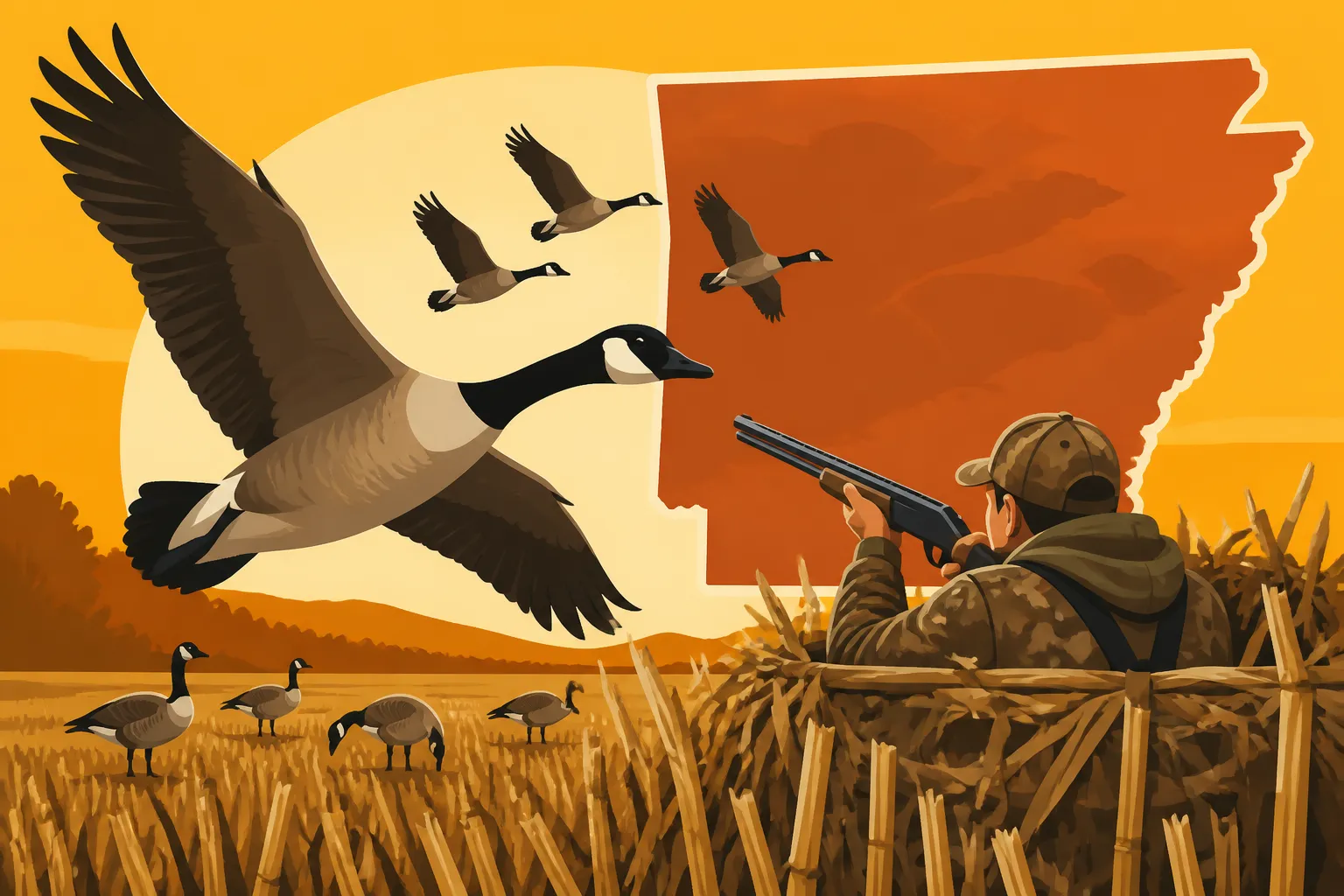
When you arrive at your designated meeting spot, often long before sunrise, your guide will typically lead you to a pre-scouted field. The setup will already be well underway, or even complete, a vast spread of goose decoys meticulously arranged to mimic a feeding flock. For specklebellies and Canada geese, you might see several dozen to a few hundred realistic full-body decoys, often placed with meticulous attention to wind direction and landing zones. For snow geese, the spread can be truly overwhelming—hundreds, or even thousands, of white rags, socks, or shell decoys designed to create the illusion of an enormous, inviting flock.
Your blinds will be strategically placed within or on the edge of this spread. Layout blinds, low-profile and covered in natural stubble, are common, allowing you to lie flat and pop up when the birds are overhead. Pit blinds might be used in some locations, offering more comfort but less flexibility. The guide's calling is paramount; they'll use a variety of calls, from deep honks for specklebellies to the chaotic cacophony of a snow goose e-caller, to entice birds within shooting range. Their ability to read the birds, adjust calls, and direct the hunt is what truly elevates the experience. Learning how these setups differ from other waterfowl hunts, especially duck hunts, can be fascinating, as detailed in Hunting Rice Fields and Levees.
The Logistics: What Your Guide Handles
One of the biggest advantages of a guided hunt is offloading all the logistical burdens. Your guide will have spent days, sometimes weeks, scouting multiple fields, securing permission from landowners, and monitoring goose movements. This often involves navigating complex landowner relationships and understanding where the birds want to be. They bring all the necessary equipment: the hundreds of decoys, layout blinds, flags, calls, and often even ATVs or UTVs to transport hunters and gear to the blind.
On the day of the hunt, they'll ensure you get to the field safely and efficiently, often guiding you in the dark. Once the hunt concludes, they handle the breakdown of the spread, often a time-consuming and muddy affair, and the cleaning and packaging of any harvested birds. This leaves you free to simply enjoy the chase and the camaraderie. When you're trying to figure out where to even start looking for a reputable guide, especially if you're not local to the Delta, a platform like BookYourHunt can be a real lifesaver for finding options and comparing services, helping you connect with outfitters who manage access to these coveted cut rice fields.
| Aspect of Hunt | DIY Goose Hunting (Cut Rice) | Guided Goose Hunting (Cut Rice) |
|---|---|---|
| Scouting | Extensive, daily, self-managed | Handled by guide, pre-scouted prime locations |
| Land Access | Challenging, requires door-knocking/leases | Secured by guide, often long-term relationships |
| Equipment (Decoys) | Huge investment, physically demanding setup/takedown | Provided by guide (hundreds-thousands), set up by staff |
| Blinds | Self-provided (layout blinds, natural cover) | Provided by guide (layout, pit, or natural cover) |
| Calling | Hunter's skill level, personal calls | Expert guide calling, often e-callers for snows |
| Transportation (Field) | Your vehicle, potentially difficult access | Guide provides transport, often specialized vehicles |
| Bird Cleaning | Hunter's responsibility | Often included or offered as an add-on service |
| Effort Level | Very High (physical, planning, research) | Low to Moderate (focus on shooting, enjoying) |
| Success Potential | Varies greatly, high learning curve | Generally higher due to expertise and access |
| Cost | Initial gear investment, ongoing fuel/time | Per-person day rate or package deal |
Maximizing Your Experience on a Guided Goose Hunt
A guided hunt takes care of much of the heavy lifting, but that doesn't mean you just show up and everything happens perfectly. Your engagement and preparation can significantly impact your personal enjoyment and the overall success of the group. Think of it as a team effort where you're a crucial player.
Preparing for a Successful Hunt
Before you even step foot in an Arkansas rice field, preparation is key. Make sure your shotgun is patterned correctly with the shot size you plan to use for geese. Steel shot is typically required, and larger shot sizes like BB, 1, or 2 are common for larger birds like specklebellies and snow geese. Practice shooting at sporting clays to hone your swings, especially on crossing and incoming shots, as geese can be incredibly fast and deceptive. Your guide will expect you to be a competent shot; while they can put you on birds, they can't shoot for you!
Dress in layers, understanding that Delta weather can be unpredictable. Mornings are often frigid, but midday can warm up considerably. Waterproof outer layers are essential, as are waterproof boots. You'll likely be walking through damp fields, or even shallow standing water if it's been a wet season. Don't forget essentials like ear protection, eye protection, plenty of shells, and perhaps a small bag with snacks and drinks. A full list of what is included in the hunt can be clarified by asking about What an Arkansas Hunt Price Includes when booking.
Communicating with Your Guide and Fellow Hunters
Communication is paramount on a guided hunt. Before the hunt, don't be afraid to ask your guide questions about what to bring, what to expect, and any specific rules or etiquette for their particular operation. During the hunt, listen intently to your guide's instructions. They'll tell you when to get ready, when to shoot, and which birds to focus on. Their decisions are based on years of experience with these birds and the specific field conditions.
Respecting your fellow hunters is also crucial. Ensure everyone understands shooting zones and practices safe gun handling. In a blind with multiple people, clear communication prevents accidents and ensures everyone has a fair shot. If you have any physical limitations or concerns, make sure to share them with your guide beforehand so they can accommodate you. Once you've narrowed down your choices, you might even find additional insights or reviews through hunting community resources or planning tools like GoHunt to help finalize your decision, giving you a better feel for how guides operate. Also, be prepared to adequately compensate your guide and any dog handlers, as understanding Tipping Guides and Dog Handlers is an important part of the experience.
Choosing the Right Outfitter for Your Cut Rice Hunt
With so many options out there, selecting the right outfitter for a guided goose hunt in Arkansas's cut rice fields can feel a bit overwhelming. It's a significant investment of time and money, so doing your homework is essential to ensure you have a positive and successful experience.
Key Questions to Ask Before Booking
When you're calling or emailing potential outfitters, have a list of Questions to Ask an Arkansas Outfitter ready. Beyond the obvious questions about pricing and dates, delve deeper into their operation. Ask about the size of their hunting groups and how many hunters typically share a blind. Some outfitters prioritize smaller, more intimate groups, while others might run larger parties. Inquire about the amount of land they control or lease for goose hunting. A guide with access to a wide variety of fields often has better contingency plans if birds shift.
It's also wise to ask about their specific success rates, and don't be shy about asking for references from past clients. A reputable outfitter will gladly provide these. Understand what happens if the weather doesn't cooperate, or if bird numbers are unexpectedly low. What's their policy for rescheduling or refunds in those situations? Knowing these details upfront can prevent misunderstandings later on. Also, remember to inquire about season specifics like Arkansas Goose and Speck Seasons or Light Goose Conservation Order Dates if those are your target.
Evaluating Different Types of Goose Guides
Arkansas has a wide spectrum of goose guiding operations. You'll find everything from large, all-inclusive lodges that offer multi-day packages with lodging and meals, to smaller, independent guides who might just offer day hunts out of a truck and trailer. Each has its pros and cons. Larger lodges often have extensive leased acreage, a team of guides, and a well-oiled machine for managing hunts. They can be a great option for those seeking a full experience with amenities.
Smaller, independent guides might offer a more personalized, intimate hunt. They often work harder to make each client's experience special, as their business relies heavily on word-of-mouth. However, they might have fewer fields at their disposal or less staff. It's important to Reading Outfitter Success Claims with a critical eye, understanding that "success" can be defined differently. Look for reviews that speak to the guide's professionalism, knowledge of the birds, and overall client experience, not just harvest numbers, which can be influenced by many factors. Sometimes, if you're struggling to find the right fit, you might even consider Booking Through a Hunt Consultant who can help match you with an outfitter that aligns with your specific preferences and budget.
Disclaimer
This article is for general informational purposes only and does not constitute professional advice. Laws, prices and regulations vary by location and change over time. Consult a qualified professional for guidance on your specific situation.