Timeline for Getting a Mount Back
You've just wrapped up an incredible hunt here in Arkansas, whether it was a trophy buck from the Ouachita Mountains or a magnificent mallard from the flooded timber of the Delta. You're beaming with pride, the memories are fresh, and now you’re standing at the taxidermist's door, ready to drop off your prize. But as you hand over your hard-earned trophy, a common question starts to bubble up: "How long is this actually going to take?" It's a question many of us ask, and the answer, unfortunately, is rarely a quick one. This guide will walk you through the typical timeline for getting a taxidermy mount back in Arkansas, shedding light on the various stages and factors that influence the wait.
Understanding the Taxidermy Process and Its Stages
When you hand over your game to a taxidermist, it’s not simply "stuffed" and handed back. The process is a detailed, multi-stage art form that requires immense skill, patience, and often a lot of waiting for external services. It’s a journey for your trophy, and understanding each step helps manage expectations about the timeline.
Initial Deposit and Field Care
The clock on your taxidermy mount doesn't truly start when you pull the trigger; it starts the moment you decide to preserve your animal and properly care for it in the field. This initial field care, such as cooling the hide quickly, making the right cuts, and getting it to the taxidermist promptly, is absolutely critical. Poor field care can add time to the process, or even make a mount impossible if the hide isn't salvageable. When you arrive at the taxidermist's shop, you'll typically discuss the type of mount you want – a shoulder mount for a deer, a full body mount for a coyote, or a flying pose for a duck, for example. At this point, you'll usually put down a deposit, which covers the initial preparation work and secures your place in their queue. This isn't just about money; it’s an acknowledgement of the commitment from both sides. Many reputable taxidermists, especially those who come highly recommended by guides you might find on platforms like BookYourHunt, will make sure you understand their deposit and payment schedule upfront.
Tanning and Prep Work
Once your trophy is in the taxidermist's hands, the real work begins, much of it behind the scenes. For mammals, the hide needs to be thoroughly fleshed, salted, and then sent off to a tannery. Tanning is a specialized chemical process that converts raw skin into pliable, durable leather, preventing decomposition and making it suitable for mounting. This is often the longest single step in the entire taxidermy process and is frequently outsourced to commercial tanneries. These tanneries handle thousands of hides a year, and their turnaround times can vary significantly, from a few months to well over a year, depending on their workload and the type of tan required. While the hide is away, the taxidermist will order the appropriate forms (mannequins) and other supplies like eyes, ears, and habitat materials. This waiting period for tanning and supplies can feel endless, but it's an unavoidable part of ensuring your mount will last a lifetime. Proper Handling Bear Meat and Hide is a great example of where this field care comes into play, ensuring the hide arrives in prime condition for tanning.
Mounting and Finishing Touches
With the tanned hide and all necessary supplies in hand, the taxidermist can finally begin the artistic process of mounting. This involves fitting the hide over the form, meticulously positioning every muscle, vein, and hair, and sculpting the facial features to bring the animal back to life. For birds, this means carefully arranging feathers, posing the specimen, and drying it in place. Once the basic mounting is done, there are extensive finishing touches: painting around the eyes and nose for realism, adding habitat elements, cleaning, and sometimes even custom pedestals or bases. Each tiny detail requires a steady hand and an artist's eye. After the mounting is complete, the piece needs to dry thoroughly, which can take several weeks or even months, depending on the size and type of mount, as well as the humidity in the taxidermist’s workshop. Rushing this stage can lead to cracks, shrinkage, or other issues down the line. It's truly a labor of love that cannot be hurried.
Factors Influencing the Turnaround Time
The reason your taxidermist can't give you an exact date for pickup isn't just to be vague; it's because so many variables are at play. Understanding these factors can help you appreciate the complex logistics involved in crafting a lasting piece of art from your harvest.
Taxidermist's Workload and Reputation
One of the most significant factors influencing your wait time is simply how busy your chosen taxidermist is. High-quality, reputable taxidermists—the ones known for their lifelike work and attention to detail—often have a long waiting list. Their skill is in demand, and they can only work so fast without compromising quality. Imagine a taxidermist here in Arkansas known for incredible Arkansas Deer Harvest Records mounts or lifelike Delta mallards; they're likely booked solid months, if not years, in advance. A shorter wait time might sound appealing, but it can sometimes be a red flag, indicating less demand for their work or a tendency to rush through projects. It's often worth the extra wait for a mount that accurately preserves the memory of your hunt. When you're planning a trip, perhaps using a platform like GoHunt to scout areas or find outfitters, remember that the best experiences often lead to the most sought-after taxidermists.
Species and Mount Type
The type of animal you’ve harvested and the style of mount you desire also play a huge role in the timeline.
Consider the differences:
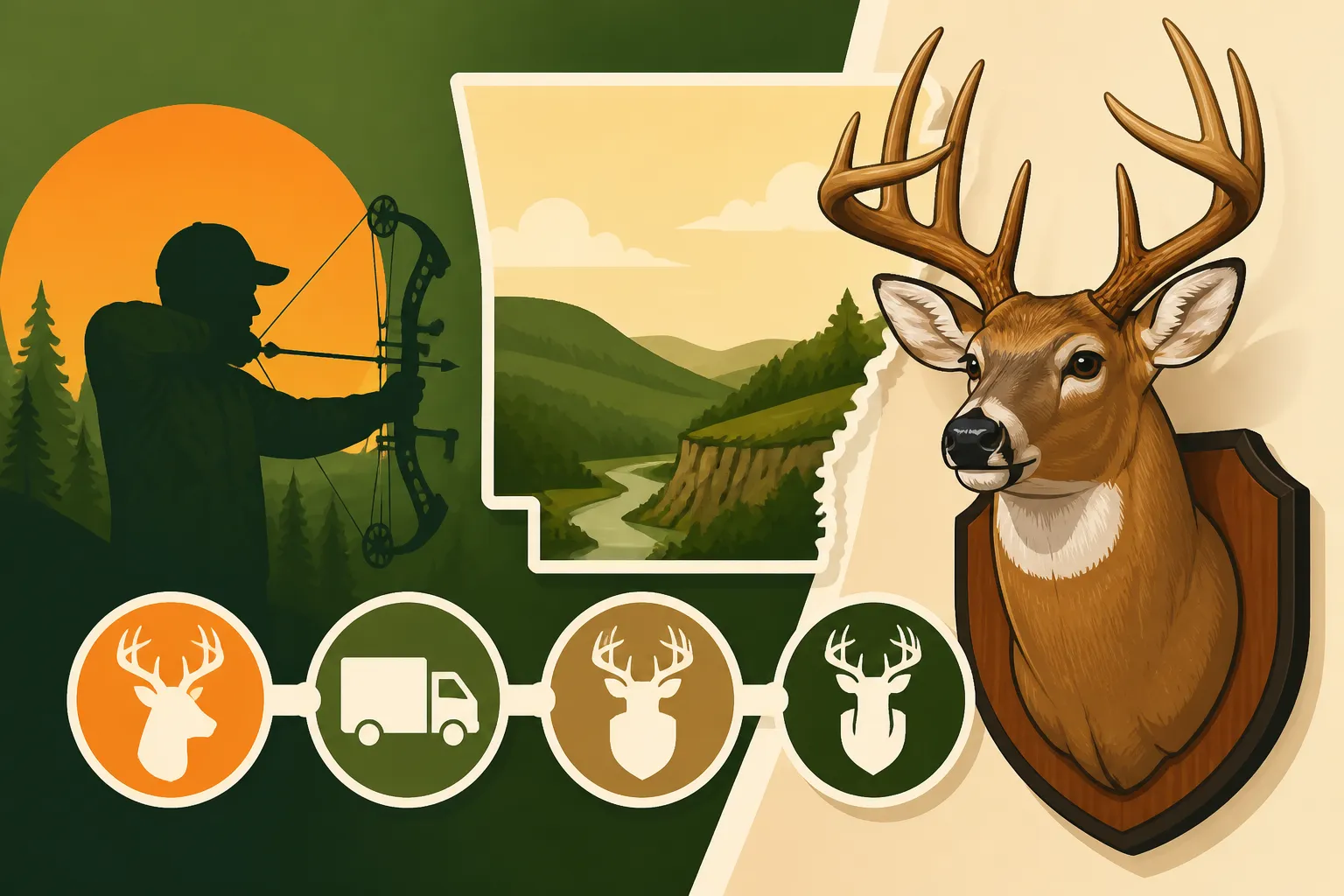
- Deer Shoulder Mount: This is one of the most common mounts. While still requiring intricate work, the process is fairly streamlined compared to a full-body mount.
- Full-Body Bear or Predator Mount: These are incredibly complex, requiring custom forms, extensive hide preparation, and meticulous anatomical detailing. A full-body black bear, for example, harvested during Black Bear Hunting in Arkansas, will take significantly longer than a deer shoulder mount.
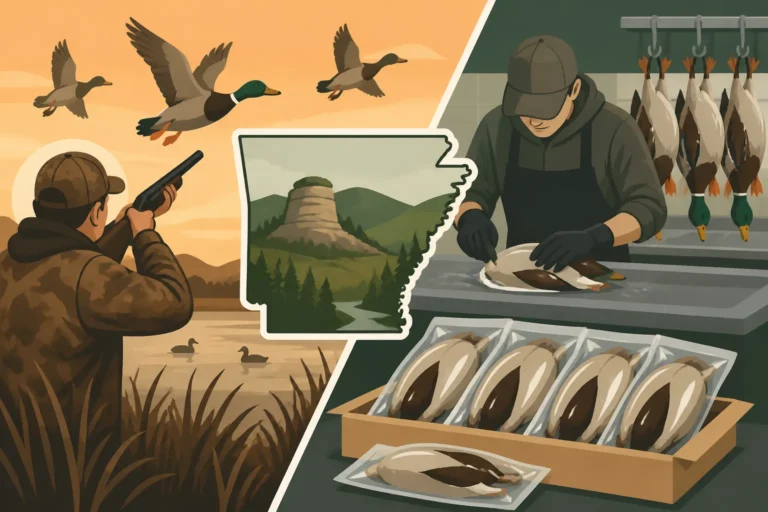
- Bird Mounts (Ducks, Turkeys): While smaller, birds are delicate and require careful feather arrangement, often involving unique poses like flying or landing. A pristine mallard from the Green Timber Duck Hunting in Arkansas requires just as much artistry and time. Duck Mounts and What They Cost often reflects this detailed work.
- Fish Mounts: While often reproductions today (replicas painted to match your catch), skin mounts of fish involve unique preparation and drying challenges.
The more intricate the mount, the more time and specialized skill are required, extending the overall timeline.
Supply Chain and Outsourcing
Taxidermists don't make everything from scratch. They rely on a network of suppliers for forms, eyes, habitat materials, and, as mentioned, commercial tanneries. Delays in this supply chain can ripple through the entire process. If a specific form for a unique pose is back-ordered, or if the tannery experiences an unexpected backlog, your taxidermist's hands are tied until those components arrive. The quality of these outsourced services is also critical. A taxidermist might choose a tannery with a longer wait but a flawless track record over one that’s faster but inconsistent. This commitment to quality, even if it means a longer wait, ensures the longevity and beauty of your mount. For instance, getting a trophy from a particularly successful expedition found through a platform like GoHunt deserves the best, even if it means waiting for the perfect supplies.
Seasonality and Peak Hunting Times
Just like hunters flock to the woods during peak seasons, taxidermy shops experience a massive influx of work right after major hunting seasons. In Arkansas, the weeks following the opening of Arkansas Modern Gun Deer Hunting or the prime duck hunting months are incredibly busy. This creates a bottleneck. If you drop off your deer in late November, you're joining a very long line of other successful hunters. If you harvest an animal during a less busy time of year, say an early archery deer in September or a predator in the off-season, your mount might get through the process a bit faster, simply because the initial queue isn't as daunting. However, even then, the tanning process remains a consistent time commitment.
Here's a general table outlining typical turnaround times, but always remember these are estimates and can vary wildly:
| Mount Type | Typical Process Steps | Estimated Minimum Time (Months) | Estimated Maximum Time (Months) |
|---|---|---|---|
| Deer Shoulder Mount | Field Prep, Fleshing, Tanning, Form Order, Mounting, Drying | 8 | 18+ |
| Waterfowl Mount (Duck) | Field Prep, Skinning, Feather Prep, Mounting, Drying | 6 | 12+ |
| Small Game (Squirrel) | Field Prep, Skinning, Mounting, Drying | 4 | 9+ |
| Large Predator (Coyote) | Field Prep, Fleshing, Tanning, Form Order, Mounting, Drying | 10 | 24+ |
| Bear (Shoulder/Full) | Field Prep, Fleshing, Tanning, Form Order, Mounting, Drying | 12 | 30+ |
| Fish (Skin Mount) | Field Prep, Skinning, Tanning, Mounting, Painting, Drying | 9 | 18+ |
| Fish (Reproduction) | Photos/Measurements, Mold Selection, Painting, Finishing | 6 | 12+ |
Navigating the Wait and Staying Informed
The wait for a treasured mount can feel like an eternity, especially when you're eager to display the memory of a successful hunt. However, there are ways to manage this period effectively and ensure good communication with your taxidermist.
Asking the Right Questions Upfront
Before you even commit your trophy to a taxidermist, it's crucial to have a candid conversation. Don't be shy about asking about their process and expected timelines. A professional taxidermist will be transparent and happy to answer your questions. Here are some key inquiries:
- What is your estimated turnaround time for this type of mount? Get a range, not a fixed date.
- What percentage deposit do you require, and when is the final payment due? Understand the financial commitment.
- How do you handle updates or communication during the process? Will they call, email, or is it up to you to check in?
- Do you outsource tanning, and what is the typical turnaround for that service? This will give you insight into one of the longest phases.
- What happens if there are unexpected delays? A good taxidermist will have a plan or at least a transparent explanation.
This upfront discussion helps set realistic expectations and ensures you and your taxidermist are on the same page. It’s an investment, much like the careful planning you'd put into finding prime hunting ground or booking a quality trip through Booking an Arkansas Duck Hunt.
Maintaining Communication
Once your mount is in progress, it's natural to want updates. However, remember that your taxidermist's primary job is to work on mounts, not to spend all day on the phone. Becoming a persistent caller can actually slow things down. A good approach is to agree on a communication cadence upfront. If they say they'll reach out when the hide comes back from tanning, respect that. If you haven't heard anything within their estimated timeframe, a polite email or phone call to check in is perfectly acceptable. Avoid demanding specific dates, as they are often outside the taxidermist's control. A simple "Just checking in, hope everything is going well with my [species] mount. No rush, just wanted to touch base!" is usually appreciated. Some taxidermists even offer progress photos, but don't expect it unless they explicitly offer it.
Understanding the Contract and Expectations
Many reputable taxidermists will provide some form of written agreement or receipt that outlines the type of mount, the agreed-upon price, the deposit paid, and sometimes a general timeline. Read this carefully. It often includes clauses about how long they will hold a finished mount before storage fees apply, or what happens if a customer doesn't pick up their mount. This document is for your protection and theirs. It clarifies the scope of work and mutual responsibilities. Should you ever have an issue, this agreement is your reference point. Just as you’d scrutinize the details if you were to Book an Arkansas Deer or Bear Hunt, you should do the same for your taxidermy agreement.
What to Do While You Wait
The wait for your mount can be a long one, but it doesn't have to be a period of passive anticipation. There's plenty you can do to prepare for its arrival and continue to celebrate your hunting adventures.
Planning for Display
While your trophy is being transformed, start thinking about where it will live in your home or office. A beautiful mount deserves a prominent and appropriate display space. Consider factors like:
- Location: Is there enough wall space or floor space? Will it be exposed to direct sunlight, which can fade fur and feathers over time? Humidity can also be a factor, especially in Arkansas.
- Lighting: Good lighting can really make a mount pop, highlighting its intricate details and natural colors.
- Background: What will be behind the mount? A busy wallpaper might detract from it, while a neutral wall can make it stand out.
- Security: If it's a particularly valuable or cherished piece, consider if it needs to be securely fastened or in a less trafficked area to prevent accidental damage.
- Cleaning: Think about how you'll keep it clean once it arrives. Dusting with a soft brush or compressed air is typically recommended.
Planning ahead ensures your mount has a fitting place of honor the moment it comes home.
Preparing for Final Payment and Pickup/Shipping
The final payment is typically due upon completion of the mount. Make sure you have the funds budgeted and ready. If you're not local to your taxidermist, you'll also need to arrange for pickup or shipping. Shipping a Cape and Antlers Home or a full mount can be a complex and costly endeavor. You’ll need to inquire about:
- Shipping costs: These can be substantial, especially for larger mounts, and often require specialized crating.
- Shipping insurance: Highly recommended to protect your investment during transit.
- Carrier requirements: Certain carriers have specific rules for shipping wildlife.
Having these logistics worked out in advance will make the final stage smooth and stress-free, ensuring your treasured memory arrives safely.
Enjoying the Memory
Most importantly, while you wait for your physical trophy, continue to enjoy the memories of your hunt. Revisit photos, share stories with friends and family, and perhaps even plan your next adventure. Many hunters use this time to reflect on what made that particular hunt special, whether it was the camaraderie in Arkansas Deer Camp Traditions or the challenge of calling in a wary tom during Calling Arkansas Gobblers in the Ozarks. The mount is a tangible representation, but the true trophy is the experience itself. In fact, if you're eager for another great experience, now might be the perfect time to start looking at new destinations or outfitters on platforms like BookYourHunt or GoHunt, planning for the next story you'll want to tell – and perhaps, the next mount you'll wait for.
Disclaimer
This article is for general informational purposes only and does not constitute professional advice. Laws, prices and regulations vary by location and change over time. Consult a qualified professional for guidance on your specific situation.