Booking an Arkansas Deer or Bear Hunt
Figuring out how to plan and execute a successful deer or bear hunt in Arkansas can feel like navigating a dense, unfamiliar forest. You’ve heard the tales of big bucks in the Delta or bruiser bears in the Ouachitas, but actually putting boots on the ground and knowing where to start, what to expect, and how to maximize your chances can be incredibly daunting, especially if you're not a local. This guide is here to walk you through everything you need to know about booking a guided deer or bear hunt in the Natural State, helping you cut through the confusion and get straight to the hunt.
Why Consider a Guided Hunt for Deer or Bear in Arkansas?
Let's be honest, hunting in a new state, or even a new region within your home state, is a massive undertaking. There's scouting, understanding local regulations, finding access, and just generally learning the lay of the land. For many hunters, especially those traveling from out of state or with limited time, a guided hunt simply makes sense. It's an investment that can drastically increase your odds of success and provide a much richer, less stressful experience.
Navigating Arkansas's Diverse Terrain
Arkansas isn't just one type of landscape; it's a tapestry of environments, each with its own challenges and unique hunting opportunities. You have the rugged, heavily timbered mountains of the Ozarks and Ouachitas, with their steep slopes, deep hollows, and vast national forest lands. Then you have the flat, fertile delta region, characterized by river bottoms, agricultural fields, and flooded timber. Deer and bear behave very differently in these varying terrains. An outfitter, living and breathing these areas year-round, understands the nuances. They know where to find the thickets bucks bed in after a cold front hits the Ozarks, or how to approach a river bottom stand in the Delta without spooking deer out of their bedding cover. Trying to learn these intricate details in a few days of scouting is nearly impossible. Their local knowledge can save you weeks, if not months, of trial and error.
Understanding Local Game Patterns and Habits
Beyond the terrain itself, game animals in Arkansas have localized patterns influenced by weather, food sources, and hunting pressure. Deer in the Delta might be keying in on specific agriculture like soybeans or corn, while Ozark deer are almost entirely reliant on acorns and browse, moving up and down ridges with the mast crops. Bear movement, especially around denning season or when they're bulking up for winter, is highly predictable to those who spend countless hours in their habitat. A good guide doesn't just know where the animals are; they know why they're there, and what they'll do next. They've watched generations of deer, observed bear sign for decades, and can put you in a position to intercept an animal based on their deep understanding of these patterns. This goes far beyond what a topo map or satellite image can tell you.
Accessing Prime Private Land
One of the biggest hurdles for any traveling hunter is securing access to quality land. While Arkansas boasts significant public hunting opportunities in places like the Ouachita National Forest Hunting or Ozark National Forest Hunting, the most consistent success often comes on private ground, especially for trophy-class animals. Outfitters frequently lease large tracts of private land that have been managed for wildlife, offering reduced pressure and often better habitat. These aren't just any tracts; they're often carefully selected properties with proven game concentrations, strategically placed food plots, and carefully managed bedding areas. Gaining access to such properties on your own can be incredibly expensive and time-consuming, requiring extensive networking. By booking with an outfitter, you're buying into that established access, instantly putting yourself in a more advantageous position than if you were trying to find a spot on your own.
Types of Guided Deer Hunts in Arkansas
Arkansas offers a diverse array of deer hunting experiences, and guided trips reflect this variety. Whether you're chasing a monster typical or simply looking to fill the freezer, there's likely a guided hunt tailored to your preferences. Understanding these options will help you choose the right outfitter and set realistic expectations for your trip.
Traditional Stand Hunts and Food Plots
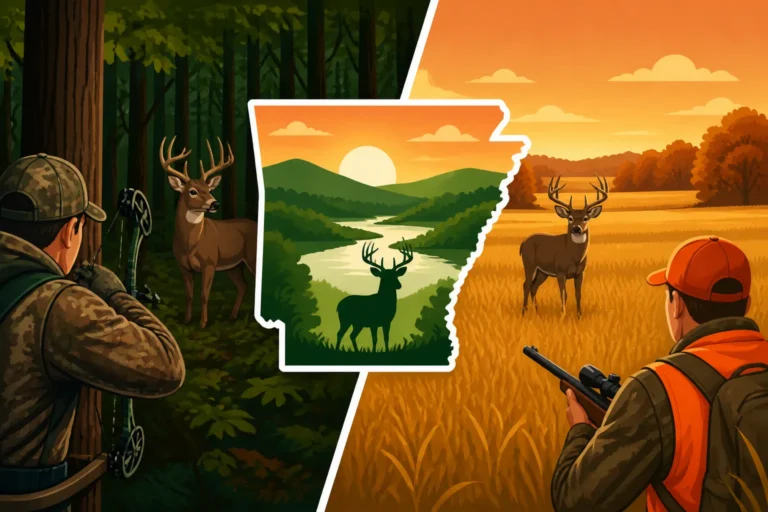
The classic guided deer hunt in Arkansas, particularly in the agricultural regions of the Delta or the rich river bottoms of central Arkansas, often revolves around comfortable, pre-set stands overlooking food plots, natural browse areas, or crop fields. These setups can range from elevated box blinds that shield you from the elements to strategically placed ladder stands or ground blinds along travel corridors. Outfitters invest significant time and resources into creating and maintaining these plots, planting everything from clover and chicory to winter wheat and brassicas, knowing these provide irresistible draw cards for deer. Your guide will typically drop you off before daylight, instruct you on what to expect, and pick you up after dark. It's a sit-and-wait game, but often a highly productive one due to the managed food sources and reduced pressure on these private lands. You might also find stands overlooking scrape lines along a logging road or pinch points where deer are funneled by terrain features.
Still-Hunting and Spot-and-Stalk in the Ozarks
For those who prefer a more active approach, particularly in the rugged terrain of the Ozarks or Ouachitas, some outfitters offer still-hunting or spot-and-stalk opportunities. This isn't your typical leisurely sit; it requires skill, patience, and good physical conditioning. Still-hunting involves moving slowly and deliberately through the woods, pausing frequently to scan for movement or listen for the subtle sounds of deer. Your guide will lead you through key habitat, teaching you to read an Ozark bench for deer, interpret fresh sign, and use the wind and thermals to your advantage. Spot-and-stalk, while less common for deer in the dense timber of Arkansas than in western states, can be employed in more open timber or along field edges where visibility is better. It's a challenging but deeply rewarding method, demanding more from the hunter in terms of woodsmanship and stealth. This style of hunting often taps into techniques covered in topics like Still-Hunting Arkansas Pine Country or Hunting Ozark Ridges and Hollows for Deer.
Trophy Hunts Versus Meat Hunts
When booking a guided deer hunt, it's crucial to clarify the outfitter's philosophy on "trophy" versus "meat" hunts. Some outfitters specialize in high-end, low-pressure properties where the goal is to harvest a mature, Pope & Young or Boone & Crockett caliber buck. These hunts are often more expensive, have stricter harvest criteria (e.g., minimum antler points or spread), and may involve more patience, as you might pass on multiple younger bucks waiting for "the one." Other outfitters offer more general hunts, aiming for a successful harvest of any legal deer, whether it's an antlerless deer to fill the freezer or a respectable buck. Many hunters prefer a balance, hoping for a trophy but happy with a solid meat buck. Always discuss your expectations upfront with the outfitter. Are they focused on quality or quantity? Do they have a three-point rule like some Arkansas zones, or even stricter personal guidelines? Understanding this will ensure you and your guide are on the same page from the start.
Understanding Arkansas Guided Bear Hunt Options
Arkansas's black bear population has seen a remarkable comeback, particularly in the Ozark and Ouachita regions, making guided bear hunts an exciting possibility. These hunts are often very different from deer hunts, requiring specialized tactics and knowledge of bear behavior.
Bear Hunting Over Bait
One of the most common and effective methods for guided bear hunting in Arkansas is over bait. Outfitters will establish several bait sites well in advance of the season, typically using high-calorie foods like pastries, corn, and other attractants to habituate bears to a specific location. They monitor these sites with trail cameras, getting an understanding of the bears visiting, their size, and their patterns of movement. When you arrive for your hunt, your guide will put you in a comfortable stand or ground blind within shooting distance of an active bait site. This method dramatically increases your chances of seeing and harvesting a bear, as it brings the animals to you. Patience is key, as bears often feed at dawn or dusk, but they can show up at any time. This approach falls under the detailed rules and tactics of Bear Baiting Rules and Tactics in Arkansas. It's a thrilling experience, watching a powerful black bear approach your stand.
Natural Food Source Hunts
For hunters who prefer a more traditional, "fair chase" experience without bait, some outfitters offer natural food source hunts. These hunts capitalize on the bears' reliance on seasonal food sources, primarily acorns in the fall, or berries and soft mast earlier in the season. A guide will have scouted extensively to find areas with abundant mast crops, active bear sign, and natural travel corridors. This type of hunt often involves still-hunting, glassing clearcuts or open timber, or setting up stands overlooking known feeding areas. It requires more active scouting and often more hiking than a baited hunt but can be incredibly rewarding. Locating areas with heavy acorn drops, especially red oak acorns, can be the key to success. This method is explored further in Hunting Arkansas Bear Over Natural Food. Success depends heavily on the mast crop of any given year and the guide's ability to locate prime feeding areas.
Still-Hunting for Bears in Dense Cover
While still-hunting is more commonly associated with deer, it can also be an effective, albeit challenging, method for bears, especially in dense timber or thickets where bears seek cover. This often means moving incredibly slowly and quietly, focusing on areas known for dense cover or bedding. Guides who offer this will lead you through areas they know bears frequent, looking for fresh tracks, scat, and other sign. It's a physically demanding style of hunting that requires keen observation and the ability to move through the woods undetected. This is less common as a dedicated guided hunt but can be part of a natural food source hunt, particularly if bears are pressured or food is scattered. Regardless of the method, remember that Black Bears in the Arkansas Ozarks and Ouachitas are powerful animals, and proper shot placement is paramount for a quick, ethical harvest.
What to Expect from an Arkansas Outfitter
Once you’ve decided on the type of hunt, understanding what an outfitter provides—and what they don’t—is crucial for a smooth and enjoyable trip. Transparency is key, and a good outfitter will clearly outline their services.
Inclusions and Exclusions in Hunt Packages
Most Arkansas hunting outfitters offer various packages, from basic day rates to all-inclusive multi-day hunts. A typical package might include guiding services, transportation to and from hunting blinds or areas, and potentially field dressing assistance. Higher-end packages often add lodging, meals, and even airport pick-up. What’s usually not included are your hunting licenses and tags – those are always your responsibility. You'll need to secure your Arkansas Hunting Licenses and What They Cost well in advance. Also, flights to Arkansas, personal hunting gear (weapons, ammunition, clothing), taxidermy services, and meat processing are generally extra. Some outfitters might have preferred processors or taxidermists they work with, but the cost is typically yours. Always get a detailed breakdown of what's included in the price before you book. Don't be shy about asking for an itemized list or clarifying any ambiguous points in their advertising. What an Arkansas Hunt Price Includes is a critical question to ask upfront.
Guide-to-Hunter Ratios and Group Sizes
The ratio of guides to hunters can significantly impact your hunting experience. On a deer hunt, a 1:1 or 1:2 guide-to-hunter ratio often means more personalized attention, more flexible hunting options, and potentially quicker adjustments if game patterns change. If you're on a still-hunt or spot-and-stalk, a lower ratio is almost essential. For stand hunts over food plots, a single guide might manage several hunters, checking in on them periodically. For bear hunts over bait, it's often a single guide per hunter or small group, as the setup and monitoring are very specific. Group size for the entire camp also matters. Some hunters prefer intimate camps with only a few guests, while others enjoy the camaraderie of larger groups. Ask about both the guide-to-hunter ratio in the field and the total number of hunters typically in camp during your booking period. This helps manage expectations about personalized attention and potential hunting pressure from other clients.
Accommodation and Logistics
Lodging options with Arkansas outfitters can vary widely. Some operate out of rustic hunting cabins, providing a no-frills, authentic camp experience. Others offer more luxurious lodges with private rooms, gourmet meals, and amenities like game rooms or hot tubs. Discuss the accommodation details: are rooms private or shared? What kind of beds are available? Are meals provided, and if so, what's the quality and style of cooking? If you have dietary restrictions, this needs to be communicated well in advance.
Here's a quick comparison of common lodging and service levels:
| Feature | Basic Camp Experience | Mid-Range Lodge Experience | Premium Lodge Experience |
|---|---|---|---|
| Lodging | Shared bunkhouse, basic cabin | Private or semi-private rooms, shared bathrooms | Private rooms with en suite bathrooms, comfortable |
| Meals | Hearty, home-style cooking, often buffet-style | Varied menu, often prepared by a camp cook | Gourmet meals, possibly chef-prepared, dietary options |
| Amenities | Fire pit, common area | Lounge, satellite TV, some outdoor space | Game room, bar, hot tub, internet, lounge |
| Transportation | To/from hunting areas | To/from hunting areas, potentially airport shuttle | To/from hunting areas, dedicated airport transfers |
| Services | Guiding, field dressing assistance | Guiding, field dressing, basic game care | Full guiding, field dressing, game caping, advanced care |
Logistics like travel to the camp are also important. Will the outfitter pick you up from a local airport, or do you need to arrange your own rental car? Is the camp accessible by paved roads, or will you need a 4×4? Make sure you understand all the logistical details to avoid any surprises.
Choosing the Right Outfitter: Key Considerations
Selecting an outfitter isn't just about finding someone who has deer or bear. It's about finding the right partner for your hunt, someone whose philosophy aligns with yours and who can deliver a safe, ethical, and enjoyable experience. This is where your research really pays off.
Researching Reputation and References
The internet is a powerful tool, but don't rely solely on glossy websites. Start by looking for reviews on reputable hunting platforms or forums. Sites like BookYourHunt or GoHunt often provide listings and reviews, giving you a baseline. However, the most valuable insight often comes from personal references. A good outfitter will gladly provide you with a list of past clients you can contact. When you call these references, ask specific questions:
- Did the hunt meet their expectations?
- How accurate were the outfitter's claims?
- Was the guide knowledgeable and professional?
- How was the food and lodging?
- Would they hunt with this outfitter again?
- Did they feel safe and well-prepared?
- Were there any hidden costs?
Don't just ask if they "had a good time"; dig into the details. This direct feedback is invaluable for Checking an Arkansas Outfitter's Reputation. Look for consistency in the reviews and references. A few glowing reviews mixed with several negative ones might be a red flag, while consistent positive feedback is a strong indicator of reliability.
Asking the Right Questions Before Booking
Once you've narrowed down your choices, prepare a comprehensive list of questions for the outfitter. Beyond the inclusions and exclusions, delve into the specifics of the hunt:
- What are the typical success rates for deer and bear on their property? (Be wary of outfitters guaranteeing success, as hunting is never a sure thing).
- What's the typical size of deer or bear harvested?
- What hunting methods will be used? (e.g., Bowhunting Arkansas's Five-Month Archery Season, Modern Gun Deer Hunting, Bear Baiting Rules and Tactics in Arkansas)
- What kind of terrain will you be hunting?
- What happens if you fill your tag early?
- What's their policy on wounded game?
- What safety precautions are in place?
- What kind of licensing and tags will I need for Arkansas Deer Seasons and Zone Limits or Arkansas Bear Seasons and Zone Quotas?
- Can I bring my own weapon, and are there any caliber restrictions?
- What are the local CWD rules, especially for carcass transport? Arkansas CWD Rules and Carcass Transport
These detailed questions will help you paint a clearer picture of the actual hunting experience and prevent misunderstandings down the road.
Understanding Contracts and Deposits
Professional outfitters will have a written contract that outlines all the terms and conditions of your hunt. Read it thoroughly before signing and paying a deposit. Pay close attention to:
- Payment Schedule: How much is due upfront, and when is the final balance due?
- Cancellation Policy: What happens if you need to cancel? Are deposits refundable or transferable? What if the outfitter cancels due to unforeseen circumstances (e.g., weather, natural disaster)?
- Liability Waivers: You’ll likely be asked to sign a waiver. Understand what you’re agreeing to.
- Harvest Policy: Are there trophy fees for larger animals? What if you wound an animal and can't recover it – does that count as a harvest?
- Guest Policy: Can you bring a non-hunting guest, and what are the associated costs?
Deposits are standard practice, often 30-50% of the total hunt cost. Never send money without a signed contract. If an outfitter is vague about contracts or insists on cash-only payments without proper documentation, consider it a major red flag. This is a business transaction, and clear communication and documentation are essential.
Preparing for Your Arkansas Deer or Bear Hunt
Once your hunt is booked, the real fun begins: preparing for the trip! This goes beyond just packing your bags; it involves physical conditioning, understanding regulations, and ensuring you have all the necessary gear.
Physical Fitness and Gear Essentials
Arkansas hunting can be demanding, especially in the rugged Ozarks and Ouachitas. Even in the Delta, wading through water or traversing muddy fields can be strenuous. Start a fitness regimen well before your trip, focusing on cardio and leg strength. You don't need to be a marathon runner, but being able to hike several miles with your gear will greatly enhance your enjoyment and success.
Your gear list will depend heavily on the time of year and the specific hunting method. For deer and bear, typical essentials include:
- Weapon & Ammo: Rifle, shotgun, muzzleloader, or bow, along with appropriate ammunition or arrows. Confirm caliber/draw weight requirements with your outfitter.
- Optics: Binoculars and a rangefinder are invaluable.
- Clothing: Layering is key for Arkansas's unpredictable weather. Pack waterproof outer layers, warm base layers, and good quality insulated or uninsulated boots. Hunter orange is mandatory during modern gun seasons. Check Arkansas Hunter Orange Requirements for specific rules.
- Pack: A comfortable daypack for essentials like water, snacks, knife, headlamp, and emergency supplies.
- Safety: First-aid kit, compass/GPS (even if guided, it’s smart to have), communication device.
- Game Care: Field dressing kit (gloves, sharp knife). Your guide will assist, but it’s good to be prepared. This is especially important for Field Dressing in Arkansas Heat if you're hunting early season.
Always check with your outfitter for a recommended gear list specific to your hunt. They know the local conditions best.
Licensing, Tags, and Regulations
This is absolutely critical. You are responsible for ensuring you have all the correct licenses and tags before you hunt. For non-residents, you'll need a non-resident hunting license, and then specific deer or bear tags. The cost and type of license will vary depending on the length of your stay and what species you're pursuing. Always refer to the most current Arkansas Game and Fish Commission (AGFC) regulations. You can purchase licenses online or at authorized vendors across the state. Pay close attention to Arkansas Deer Seasons and Zone Limits and Arkansas Bear Seasons and Zone Quotas to understand legal harvest dates and bag limits for your specific zone. Some zones have antler point restrictions, like the three-point rule, which is vital to understand before you pull the trigger.
Processing and Transporting Your Harvest
Once you’ve successfully harvested an animal, the work isn't over. Your guide will assist with field dressing. For deer, many outfitters have facilities for skinning and quartering, and they can often recommend local deer processors. Bear meat needs to be handled quickly and properly, especially in warmer temperatures, and many hunters choose to have their bear caped for taxidermy. Discuss with your outfitter their procedures for handling game meat and hides. If you plan to take meat home, consider how you’ll transport it – coolers with ice are essential for driving, and airlines have specific rules for flying with game meat. If you’re getting a taxidermy mount, coordinate with your outfitter and a local taxidermist for proper caping and shipping arrangements. Remember to understand Arkansas Deer Transport Rules and general guidelines for transporting any game animal out of the state to avoid issues.
Disclaimer
This article is for general informational purposes only and does not constitute professional advice. Laws, prices and regulations vary by location and change over time. Consult a qualified professional for guidance on your specific situation.