Hunts for Hunters With Disabilities
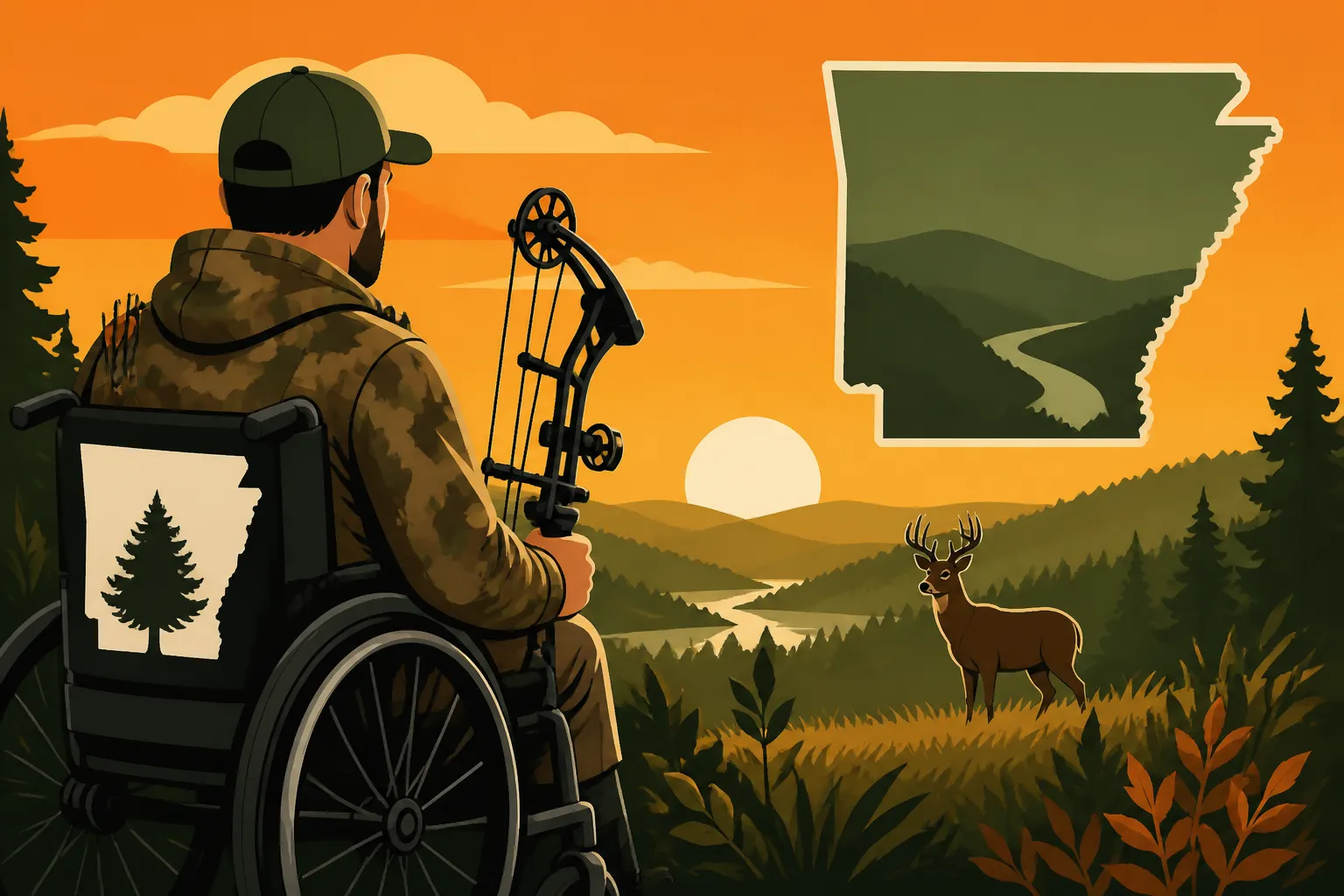
It can be incredibly disheartening to love the outdoors, to have a passion for hunting, and then face physical challenges that make participating feel impossible or, at the very least, overwhelmingly difficult. The good news is that Arkansas, often called "The Natural State," is becoming increasingly aware of the need to provide accessible hunting opportunities for all its citizens, including those with disabilities. This guide aims to walk you through the resources, regulations, and considerations involved in making your hunting dreams a reality in Arkansas, focusing on how to overcome those hurdles and get back into the field.
Understanding the Landscape: Accessibility in Arkansas Hunting
For many hunters, the simple act of walking through timber, climbing into a stand, or navigating uneven terrain is second nature. But for hunters with disabilities, these fundamental aspects of the hunt can be monumental barriers. It's a frustration I've heard echoed by many folks over the years – the desire is there, the skill is often there, but the physical access isn't.
Initial Hurdles and Frustrations
When you have a mobility impairment, a visual impairment, or another disability, the standard hunting experience often presents a cascade of challenges. Just getting to a suitable hunting spot can be tough. Imagine trying to get a wheelchair through a dense thicket, or relying solely on foot power when a long walk is excruciating. Standard treestands, ground blinds, and even basic roads might not be designed for easy access. The emotional toll of feeling excluded from a beloved pastime can be significant. It’s not just about the physical limitations, it's about the feeling of being sidelined from a tradition deeply ingrained in many of our lives.
Many hunters I've spoken with express frustration over unclear regulations, or not knowing where to start when trying to find an accessible hunting spot. The fear of violating a rule or encountering a situation they can't manage on their own can keep hunters home. It’s a shame, because the spirit of hunting is about connecting with nature, and everyone should have that chance.
Arkansas Game and Fish Commission's Role
Thankfully, the Arkansas Game and Fish Commission (AGFC) has recognized these challenges and has been working to create more inclusive opportunities. They understand that hunting isn't just a recreational activity; it's a way of life, a source of sustenance, and a connection to our heritage for many Arkansans. The AGFC has specific programs and regulations designed to assist hunters with disabilities, aiming to level the playing field as much as possible.
Their efforts often focus on providing special permits, creating accessible infrastructure on certain wildlife management areas (WMAs), and clarifying what types of assistance and equipment are permissible. It’s a continuous process, of course, and sometimes it feels slow, but the intent is genuinely there. They publish regulations and information that specifically address hunters with disabilities, which is always the first place to look. Navigating these rules can be complex, but knowing they exist is the first step toward reclaiming your spot in the woods or fields. Understanding Arkansas Hunting Licenses and What They Cost is a good starting point for all hunters, but especially important for checking disability-specific options.
Special Permits and Opportunities for Hunters with Disabilities
One of the most significant ways Arkansas supports hunters with disabilities is through specific permits and designated areas. These aren't just bureaucratic checkboxes; they are genuine tools to enable participation, allowing for adaptations that wouldn't typically be legal for other hunters.
Mobility Impaired Hunter Permits
For hunters with severe mobility impairments, the AGFC offers a special Mobility Impaired Hunter Permit. This isn't just a piece of paper; it's an authorization that can drastically change how you access and conduct your hunt. This permit allows individuals with specific documented disabilities to utilize certain assistive devices and methods that would otherwise be prohibited. For example, it often grants permission to hunt from a stationary vehicle in specific designated areas or to use ATVs/UTVs on WMA roads where they might normally be restricted.
To qualify, you'll need documentation from a medical professional confirming your mobility impairment. This typically involves conditions that severely limit your ability to walk or move independently over uneven terrain for extended periods. Once approved, this permit opens up new avenues for hunting. Imagine being able to access a prime hunting spot deep within a WMA that was previously out of reach due to a long, arduous walk. This permit makes that possible for many, removing a significant barrier that has kept countless passionate hunters sidelined. It's a thoughtful approach to ensure that a love for the hunt isn't extinguished by physical limitations.
Permitted Aids and Adaptations
Beyond simply allowing easier access, the Mobility Impaired Hunter Permit also often permits the use of various aids and adaptations during the hunt itself. This can include:
- Hunting from a Stationary Vehicle: In designated areas or under specific conditions, a permit holder might be allowed to shoot game from a stationary vehicle, which is a game-changer for those who cannot get in and out quickly or maneuver a wheelchair in a typical blind setup.
- Specialty Vehicles: While general public land rules might restrict ATVs or UTVs, the permit can allow their use on certain roads or trails within designated WMAs, allowing access to deeper hunting grounds. Always check the specific WMA rules, as even with a permit, some areas might still have restrictions.
- Assisted Ambulation Devices: Naturally, crutches, canes, walkers, and wheelchairs are always permitted. The permit helps ensure that the environment itself can accommodate these devices to some extent.
- Increased Assistance: In some cases, the permit can also allow for certain levels of assistance from another hunter, such as retrieving downed game more easily or aiding with setup in ways that might otherwise fall into "illegal aid" territory for non-disabled hunters.
It’s about making the hunt possible and safe. For instance, if you're bowhunting, the ability to get to your treestand or ground blind with minimal exertion, perhaps with the aid of a UTV, makes a world of difference. This means more time focusing on Bowhunting Arkansas's Five-Month Archery Season rather than just the struggle to get there.
Designated Hunting Areas
Arkansas has also identified and sometimes developed specific hunting areas or portions of WMAs that are designed with accessibility in mind. These areas often feature:
- Accessible Parking and Trails: Paved or well-maintained gravel paths leading from parking areas to established blinds or hunting zones.
- Adapted Blinds: Ground blinds that are wheelchair-accessible, offering enough space to maneuver and shoot comfortably. These might have wider doorways, ramps, or hardened interior surfaces.
- Designated Roads/Access Points: Clearly marked roads where mobility-impaired hunters can use approved vehicles to access hunting spots closer to their stands or blinds.
These designated areas take the guesswork out of finding a suitable spot. Instead of scouting for hours only to find impassable terrain, you know these locations have been set up with accessibility as a priority. While they might be more limited in number compared to general hunting grounds, they represent dedicated efforts to serve this community. When planning your trip, be sure to ask the AGFC or check their online resources for a list of these specific accessible hunting locations. It's important to differentiate these from other public lands where accessibility might be minimal.
Navigating Logistics: Planning Your Accessible Arkansas Hunt
Planning a hunt always involves logistics, but for hunters with disabilities, these considerations become even more critical. From scouting to choosing an outfitter, every step needs careful thought.
Finding Accessible Public Land
Even outside of explicitly designated accessible areas, many public lands in Arkansas offer possibilities if you know what to look for. The key is thorough scouting and research. The AGFC map tool, available online, is an invaluable resource. It allows you to view topography, roads, trails, and water features, which can help you identify flatter terrain or areas with better road access. Look for WMAs that might have more open timber or agricultural fields rather than steep, rugged Ozark or Ouachita mountainsides.
Consider areas where you can hunt close to primary roads or where old logging roads might still be passable with a UTV (if your permit allows). Rivers and creek bottoms often have less elevation change. For duck hunters, understanding Entry Routes Through Flooded Timber or assessing water levels on the White River Refuge will be crucial. When using tools like BookYourHunt or GoHunt for general research, look for outfitters who explicitly mention accessibility options or have photos of their facilities that demonstrate easy access.
Here's a quick comparison of considerations for different types of terrain:
| Terrain Type | Accessibility Considerations for Hunters with Disabilities |
|---|---|
| Delta Hardwoods | Often flat, but can be dense with undergrowth and prone to flooding. Look for areas near levees or well-maintained access roads. Treestand Setups in Delta Hardwoods might require careful planning for accessibility. |
| Ozark/Ouachita Hills | Generally challenging due to steep inclines, rocky terrain, and dense forests. Focus on ridge tops, gentle slopes near drainages, or areas with established forest service roads. Hunting Ozark Ridges and Hollows for Deer would require specific scouting for less extreme topography. |
| Pine Plantations | Can offer good access on logging roads. Thinnings can create open understories. Consider hunting edges where fields meet timber for easier movement. Setting Up on a Pine Plantation Edge often means accessible spots. |
| Flooded Fields/Timber | Requires boats or wading. For mobility-impaired hunters, a stable, accessible boat setup is essential. Blind placement needs to be reachable. Hunting Arkansas Flooded Green Timber or Hunting Rice Fields and Levees means evaluating water depth and current. |
Always remember to cross-reference your findings with the specific WMA rules and your Mobility Impaired Hunter Permit to ensure compliance.
Working with Outfitters and Guides
While DIY hunting is rewarding, working with an outfitter or guide can be a fantastic option for hunters with disabilities. They often have private land access, specialized equipment, and experience tailoring hunts to individual needs. When looking at services listed on platforms like BookYourHunt or GoHunt, explicitly ask about their accommodations for disabled hunters. Don't assume anything.
Here are key questions to ask potential outfitters:
- Accessibility of Blinds/Stands: Are your ground blinds wheelchair accessible? Do you have elevated stands with ramps or lifts, or are they only ladder/climbing stands?
- Transportation: How do you get clients to and from the hunting area? Do you use ATVs/UTVs, and are they equipped for wheelchair transport or easy entry/exit?
- Terrain: What is the typical terrain like on your hunting property? Can you guarantee flat ground or easy paths to the hunting locations?
- Assistance: What level of assistance do your guides provide? Are they experienced in working with hunters with disabilities, including help with setup, tracking, or game retrieval?
- Game Retrieval: How do you retrieve game? Is there vehicle access to all hunting areas for easy extraction?
- Lodging: If lodging is included, is it ADA-compliant or otherwise accessible (ramps, wide doorways, grab bars, roll-in showers)?
A reputable outfitter will be upfront and eager to discuss these details. Some might even specialize in accessible hunts. Remember, What an Arkansas Guided Duck Hunt Costs or Arkansas Guided Deer Hunt Prices will vary, but ensuring your needs are met is priceless. Don't be afraid to ask for references from other disabled hunters they've guided.
Essential Gear and Considerations
Beyond your standard hunting gear, consider specific items that can enhance your safety and comfort:
- Specialized Wheelchairs/Mobility Devices: All-terrain wheelchairs or tracked chairs can navigate rougher terrain where standard chairs would struggle.
- Adaptive Shooting Rests: Stable shooting rests, bipods, or tripods can provide critical support for accurate shot placement, especially if holding a firearm steady is a challenge.
- Communication Devices: A reliable cell phone or satellite messenger is crucial for emergencies, especially if hunting alone or in remote areas.
- Warmth and Comfort: If you're stationary for long periods, extra layers, hand warmers, or even a portable heater for a ground blind can make a huge difference in comfort and endurance.
- Buddy System: Whenever possible, hunt with a trusted companion. This isn't just for safety; it's also for companionship and practical assistance with gear, setup, or retrieval.
Think through every step of your hunt, from getting out of your vehicle to retrieving your game, and consider what gear or assistance will make each step manageable and enjoyable.
Beyond the Hunt: Community and Resources
Hunting with a disability can sometimes feel isolating, but there's a strong and growing community dedicated to supporting disabled hunters. Connecting with these groups can provide invaluable practical advice, emotional support, and opportunities to hunt with others who understand your journey.
Organizations Supporting Disabled Hunters
Several national and local organizations are specifically dedicated to getting hunters with disabilities back into the field. These groups often offer:
- Mentorship Programs: Pairing experienced disabled hunters with newcomers.
- Sponsored Hunts: Organizing fully or partially funded hunts in accessible locations.
- Equipment Loans: Providing access to specialized adaptive equipment.
- Advocacy: Working with wildlife agencies to improve accessibility regulations and opportunities.
Look for groups like Challenged Outdoorsmen of America, Wheelin' Sportsmen (National Wild Turkey Federation program), or similar state-specific organizations. A quick online search for "disabled hunting Arkansas" or "accessible outdoor recreation Arkansas" can yield local chapters or initiatives. These organizations are a treasure trove of information and camaraderie, proving that you're far from alone in your passion.
Connecting with Fellow Hunters
One of the best resources you can have is another hunter who shares similar experiences. Online forums, social media groups, and local hunting clubs are great places to connect. Share your plans, ask for advice, and be open to suggestions. You might find someone who knows a particularly accessible spot on a WMA, or an outfitter who truly excels at accommodating disabled hunters.
Don't underestimate the power of shared experience. Swapping stories and tips can solve problems you hadn't even considered. Perhaps someone has found a fantastic way to adapt a specific piece of gear, or they know the perfect way to set up a blind for ease of entry and exit. These personal insights are often more valuable than any official guide. They bring to life the spirit of the hunt, showing that with a little ingenuity and a lot of passion, the outdoors truly can be for everyone.
Embrace the journey. Hunting is an incredible tradition, and with the right resources and mindset, your disability doesn't have to keep you from enjoying all that White-Tailed Deer Across Arkansas or the plentiful waterfowl have to offer.
Disclaimer
This article is for general informational purposes only and does not constitute professional advice. Laws, prices and regulations vary by location and change over time. Consult a qualified professional for guidance on your specific situation.