Choosing an Arkansas Hunting Lodge
Choosing an Arkansas hunting lodge can feel like wading through a flooded timber bottom in the dark – exciting, but potentially disorienting if you don't know where you're going. It's a significant investment of time, money, and anticipation, and nobody wants to show up to a less-than-stellar experience. This comprehensive guide is here to light your path, helping you navigate the options and make an informed decision to ensure your Arkansas hunting adventure is everything you dreamed it would be.
Why Opt for an Arkansas Hunting Lodge? The Appeal of a Turnkey Hunt
For many hunters, the idea of a lodge hunt brings to mind luxury and ease, but it's much more than that. It's about optimizing your time, tapping into local expertise, and often gaining access to properties you'd never find on your own. Arkansas offers such a diverse range of hunting experiences, from world-class duck hunting in the Delta to challenging deer and bear hunts in the mountains, that a good lodge can truly unlock its full potential.
The Allure of a Full-Service Experience: Beyond Just Pulling a Trigger
Think about your last DIY hunt. How much time did you spend scouting, researching regulations, setting up camp, cooking meals, and then cleaning up afterward? A quality Arkansas hunting lodge takes most, if not all, of that off your plate. You arrive, settle in, and the focus immediately shifts to the hunt itself. The lodge provides comfortable accommodations, often delicious home-cooked meals, and guides who live and breathe the local hunting scene. It's not just about getting a shot opportunity; it's about the entire experience—the camaraderie, the stories shared around the fire, and the sheer joy of immersing yourself in the outdoors without the endless logistical headaches. This is particularly true for those traveling from out of state, where coordinating everything from licenses to dog kennels can be a monumental task.
Imagine stepping out of a warm bed, smelling coffee brewing and bacon sizzling, and then heading out to a pre-scouted blind or stand where an experienced guide has already checked the wind and set up decoys. That's the promise of a full-service lodge. After the hunt, your game is cared for, your boots are drying by the fire, and you're reliving the morning's adventure with fellow hunters over a hearty meal. It frees you up to truly enjoy the pursuit and the natural beauty of Arkansas.
Maximizing Your Limited Time: Efficiency and Local Knowledge on Tap
Let's be real: most of us aren't professional hunters with unlimited time to spend in the woods or fields. We have jobs, families, and responsibilities, which means our hunting days are precious. This is where an Arkansas hunting lodge truly shines. Guides spend countless hours scouting, monitoring game movements, and adapting to changing conditions—knowledge that would take you years to accumulate on your own. They know where the ducks are flying after a cold front, which acorn flats the deer are hitting, or which bedding areas hold a spring gobbler.
When you book with a reputable lodge, you're buying into that invaluable local knowledge and efficiency. Instead of driving around for hours trying to find a public access point or figuring out if a certain area is holding game, you're put right where you need to be. This means more time actively hunting and less time guessing. For example, if you're targeting specific species like Specklebelly Hunting in Arkansas Fields or trying to understand Hunting the Peak Rut Week in Arkansas in a new zone, a guide's insights are literally game-changing. They'll have equipment, from layout blinds to ATVs, already in place, saving you the hassle and expense of transporting your own.
Access to Prime Private Land: The Advantage Over Public Ground
While Arkansas has fantastic public hunting opportunities, the reality is that the most consistent and often least pressured hunting can be found on private land. Reputable hunting lodges and outfitters typically have exclusive access to vast tracts of private land, whether through ownership or long-term leases. This means you're not competing with hundreds of other hunters for a prime spot, which is a common challenge on popular public areas, especially during opening weekends.
These private properties are often intensively managed for wildlife, featuring food plots, habitat improvements, and carefully regulated harvest limits to ensure robust game populations. Imagine hunting ducks in a flooded timber hole that has been meticulously managed for years, or deer on a property where only a handful of hunters are allowed each season. This controlled environment often translates to higher success rates and a more relaxed hunting experience. While you might explore Scouting Arkansas Public Land Before Season for a DIY trip, a lodge provides instant access to these high-quality, often exclusive, hunting grounds, which can be the difference between a memorable hunt and a frustrating one.
Types of Arkansas Hunting Lodges and Outfitters: Finding Your Fit
Arkansas is a hunter's paradise, offering everything from world-renowned waterfowl hunting to excellent opportunities for deer, turkey, and bear. The type of lodge you choose will largely depend on your target species and preferred hunting style. Each offers a distinct flavor of the Arkansas hunting experience.
Duck Lodges: The Delta's Specialty and the World's Mallard Capital
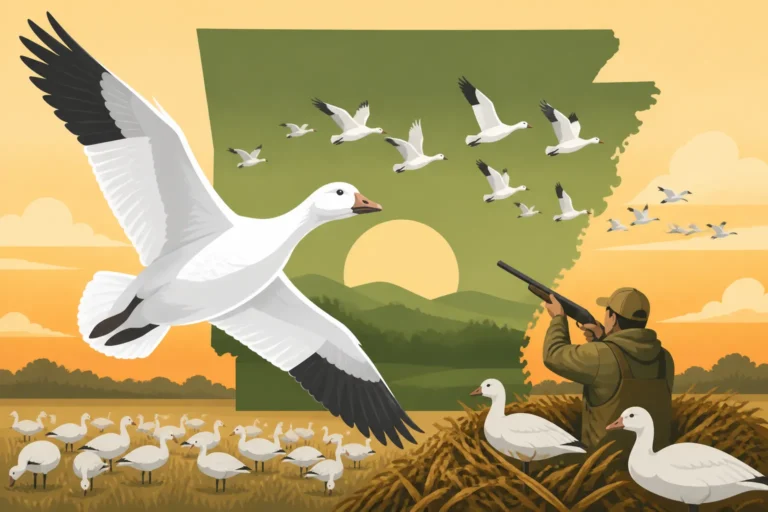
When most people think of an Arkansas hunting lodge, they envision a duck lodge in the heart of the Delta. Places like Stuttgart, the "Duck Capital of the World," are synonymous with waterfowl hunting. These lodges are specifically designed for duck hunters, offering features like heated blinds, dog kennels, wader rooms, and bird processing facilities. They typically manage extensive tracts of flooded rice fields, timber, or moist-soil units.
You'll find two main types of duck experiences:
- Green Timber Hunts: These are iconic, involving wading into flooded hardwood forests and shooting mallards dropping through the canopy. Lodges specializing in this often have access to prime bottomland areas. For an authentic experience, understanding Hunting Arkansas Flooded Green Timber is key.
- Field Hunts: These usually take place in flooded rice, corn, or soybean fields from permanent blinds or layout blinds. These hunts can be incredibly productive, especially during colder weather or when ducks are focused on feeding.
A good duck lodge knows how to read the birds, the weather, and the water levels to put you in the best position. Many offer multi-day packages that might include Speck and Goose Hunting in the Delta as well, rounding out the waterfowl experience.
Deer and Big Game Camps: From Ozark Mountains to Delta Bottomlands
Arkansas also boasts incredible deer hunting, with opportunities for large bucks in both the Delta and the mountain regions. Deer lodges cater to rifle, muzzleloader, and archery hunters.
- Ozark and Ouachita Mountain Lodges: These outfitters often focus on challenging hunts in rugged terrain. They might utilize treestands, ground blinds, or still-hunting techniques in forests rich with acorns and thick cover. If you're looking for a physically demanding hunt with stunning scenery, this could be your choice. Tactics might involve Hunting Ozark Ridges and Hollows for Deer or Hunting Arkansas Bear Over Natural Food.
- Delta Deer Lodges: These operate on agricultural lands and river bottoms, where deer grow large due to abundant food sources. Hunts might involve stands overlooking food plots, field edges, or thickets. Success here often depends on access to vast private land holdings.
- Bear and Turkey Lodges: While less common than dedicated deer or duck lodges, some outfitters specialize in Black Bear Hunting in Arkansas in the Ozarks and Ouachitas, or spring turkey hunts across various terrains. These often run on a more limited seasonal basis. You might find outfitters that offer combo hunts, especially for deer and turkey or bear.
Multi-Species Outfitters: A Broader Range of Adventures
Some larger lodges or outfitting operations aren't strictly limited to one type of hunting. They might offer duck hunts in the winter, switch to turkey in the spring, and then offer deer or even small game hunts in the fall. These can be a great option if you're looking to experience multiple facets of Arkansas hunting with a single provider, or if you're bringing a group with varied interests.
However, when considering a multi-species outfitter, it's crucial to check their expertise in each specific area. Are they truly specialists across the board, or are they stronger in one area than others? Don't be afraid to ask for success rates and references for each species you're interested in. Platforms like BookYourHunt can sometimes help filter outfitters by species offered and review their focus areas.
Key Factors to Consider Before Booking Your Arkansas Hunt
Deciding on the right Arkansas hunting lodge is a lot like buying a house; you need to consider location, features, and how it fits your specific needs and budget. Rushing into a decision can lead to disappointment, so it's vital to do your homework and ask all the right questions.
Location, Location, Location: Matching the Region to Your Target Species
Arkansas is a geographically diverse state, and the best location for your hunt depends entirely on what you're after.
- For Ducks and Geese: The flat, agricultural lands of Eastern Arkansas, particularly the Mississippi Delta region around Stuttgart, are legendary. This is where you'll find the highest concentrations of wintering waterfowl. When considering a duck lodge, pay close attention to its proximity to major flyways, managed wetlands, and the types of habitat they hunt (timber, rice fields, open water). Proximity to the White River Refuge Duck Hunting or Bayou Meto WMA Duck Hunting can be a good indicator, even if hunting private ground.
- For Deer: Big bucks can be found across the state. The Delta region (Zones 4, 4A, 5, 5A, 11) is known for larger body and antler size due to rich soils and abundant food. The Ozark and Ouachita Mountains (Zones 1, 2, 3, 6, 7, 8, 9, 10) offer more rugged, challenging hunting with good populations. If trophy quality is paramount, researching Best Arkansas Counties for Big Bucks will help narrow your search.
- For Bear: The bear population is concentrated primarily in the Ozark and Ouachita Mountain ranges. A lodge specializing in bear hunts will be located within or very close to these areas.
- For Turkey: Spring gobbler hunting is popular in many forested areas across the state. The Ozarks and Ouachitas offer classic timber hunts, while Delta areas can provide opportunities along river bottoms and field edges.
Always ask where the outfitter's hunting grounds are located relative to their lodge, and how much travel time to the hunting area you can expect each day. A quick look at the Arkansas Deer Zones Explained or Arkansas Waterfowl Seasons and Zones will help you understand the regional nuances.
Understanding Hunt Packages and What's Included: All-Inclusive vs. À La Carte
Hunting lodge packages vary wildly, and understanding what's included is critical to avoid surprises.
- All-Inclusive Packages: These typically cover lodging, meals, guided hunts, and sometimes even bird cleaning or initial game processing. They offer peace of mind, as most of your costs are bundled upfront. This is often the case for many All-Inclusive Arkansas Duck Packages.
- Semi-Guided Packages: You might get lodging and meals, but the guide might only show you the general area or blind, leaving the actual hunting tactics and calling up to you. This can be a good option for experienced hunters who prefer more independence but still want the convenience of a lodge and access to private land.
- Guided Day Hunts: Some outfitters offer single-day guided hunts without lodging or meals. This is a more budget-friendly option if you're local or prefer to arrange your own accommodations.
When comparing packages, meticulously review the "what's included" list.
- Does it include licenses and stamps? (Usually no, you'll need to purchase your own Arkansas Hunting Licenses and What They Cost).
- Are gratuities included or expected? (Typically, tips are separate and highly encouraged).
- What about transportation during the hunt? (From the lodge to the field/blind).
- Is game processing or bird cleaning part of the service? If not, what are the extra fees?
- Are there any trophy fees for certain animals? (More common for big game).
- What if you tag out early? (Will they offer other activities or is your hunt concluded?)
A detailed breakdown of costs, like those often discussed in What an Arkansas Guided Duck Hunt Costs, can help you budget effectively.
The Importance of Communication and Transparency: Ask the Tough Questions
Before you hand over a deposit, have a thorough conversation with the lodge owner or manager. This isn't just about getting information; it's also a chance to gauge their professionalism, communication style, and overall attitude.
- Ask about their hunting property: How many acres do they manage? Is it owned or leased? How long have they had access to it? What kind of habitat management do they perform? Are there other groups hunting the same ground?
- Inquire about guide experience: How long have their guides been with them? Are they full-time? What's their experience with your target species?
- Discuss typical success rates: While no reputable outfitter guarantees a kill, they should be able to provide realistic expectations based on past seasons and current conditions. Ask about shot opportunities, not just animals harvested.
- Clarify rules and regulations: Ensure they operate legally and ethically. Ask about their adherence to Arkansas CWD Rules and Carcass Transport if deer hunting, or nontoxic shot rules for waterfowl.
- Understand their philosophy: Do they prioritize high volume, or a more intimate experience? Do they welcome youth hunters?
This is where platforms like GoHunt and BookYourHunt can provide initial information, but nothing replaces a direct conversation to truly understand what you're buying into. The goal is to feel completely comfortable and confident in your choice.
Guide-to-Hunter Ratios and Group Size: Personal Attention vs. Larger Operations
The size of the hunting party and the number of guides assigned to it can significantly impact your experience.
- Smaller Groups (1-3 hunters per guide): This usually means more personalized attention, better instruction, and a more intimate experience. The guide can focus on your individual needs, preferences, and skill level. If you're new to a particular type of hunting or prefer a quieter atmosphere, a smaller ratio is often preferable. For example, a dedicated guide can spend more time coaching you on Calling Arkansas Gobblers in the Ozarks or refining your Setting Decoys in Timber Holes strategy.
- Larger Groups (4+ hunters per guide/blind): While more cost-effective, these hunts can feel less personal. Guides might be managing multiple simultaneous tasks and might not be able to provide as much one-on-one attention. This setup is common in some duck hunting operations where larger blinds accommodate bigger groups.
Consider your comfort level and hunting style. Do you thrive in a bustling, social environment, or do you prefer a more focused, quiet hunt? Ask about the maximum number of hunters they typically take in a blind or stand at one time, and how many guides will be present. For specific details on this, look into Hunter Group Size on an Arkansas Hunt.
Researching and Vetting Potential Lodges: Due Diligence is Key
You've narrowed down your choices, but before you commit, it's time to put on your detective hat. A little upfront research can save a lot of heartache (and money) down the road. This phase is crucial for ensuring you're booking with a reputable and ethical operation.
Online Presence and Reviews: What to Look For and What to Be Wary Of
In today's digital age, a lodge's online presence is usually the first place hunters go to gather information.
- Website: A professional, informative website is a good sign. Look for clear descriptions of their hunts, package details, photo galleries, and contact information. A lack of updated information or a poorly maintained site can be a red flag.
- Social Media: Check their Facebook, Instagram, or YouTube channels. Do they regularly post current photos and videos? Are hunters commenting positively? Be wary of perfectly curated feeds that seem too good to be true, but also look for genuine interactions.
- Online Reviews and Forums: Hunt reports and reviews on independent platforms (like those aggregated by BookYourHunt or GoHunt, or on hunting forums) can offer unfiltered insights. Look for consistent themes – positive comments about guide quality, food, accommodations, and animal encounters are good. Repeated complaints about disorganization, hidden fees, or unethical practices are major warning signs. Remember, one bad review doesn't necessarily doom a lodge, but a pattern of similar complaints should give you pause. Also, consider the age of the reviews; an outfitter can change management or practices over time. When reading reviews, pay attention to the details: "The guides worked tirelessly to put us on birds" is more helpful than "We killed a lot of ducks."
Asking for References and Making the Call: The Human Element
Any reputable Arkansas hunting lodge should be willing to provide a list of recent client references. This is perhaps the most valuable research tool you have.
- When you get the references, call them. Don't just email. A phone call allows for a more natural conversation and the opportunity to ask follow-up questions.
- Prepare a list of questions:
- What was their overall experience like?
- Did the hunt meet their expectations?
- Were the guides knowledgeable and professional?
- How were the accommodations and food?
- Were there any hidden costs?
- Would they book with this lodge again?
- How honest were the success claims made by the lodge?
- Did they feel safe and comfortable throughout the trip?
- Were the animals they harvested healthy?
Asking detailed questions can provide a realistic picture that brochures or websites can't. If a lodge refuses to provide references, or only gives you outdated ones, consider it a significant red flag. This process is covered in more detail in Getting References From Past Clients.
The Role of Hunting Consultants and Booking Platforms: Like BookYourHunt or GoHunt
Hunting consultants and online booking platforms can be a valuable resource, especially for first-time bookers or those looking to hunt a new area.
- Hunting Consultants: These individuals or agencies work directly with outfitters and often have firsthand knowledge of various operations. They can help match you with a lodge that fits your preferences, budget, and desired species. They often earn a commission from the outfitter, so their service is typically free to the hunter. They can offer insights into Reading Outfitter Success Claims and help identify reputable operations.
- Booking Platforms (e.g., BookYourHunt, GoHunt): Websites like BookYourHunt and GoHunt compile listings from numerous outfitters, allowing you to search, compare, and sometimes book directly. They often feature reviews, detailed package descriptions, and photo galleries. The benefit here is convenience and a centralized place to find options. However, always remember that even on these platforms, the onus is on you to do the deeper vetting. While they provide a starting point and a level of trust, direct communication with the lodge and reference checks remain essential.
These resources can streamline your initial search, but never delegate your due diligence entirely. They are tools, not substitutes for your own critical assessment.
What to Expect: From Arrival to Departure at an Arkansas Lodge
Once you've made your decision and booked your hunt, knowing what to expect can help you prepare and fully enjoy the experience. A well-run Arkansas hunting lodge aims to make your stay seamless, focusing on comfort, good food, and, of course, excellent hunting.
Lodge Accommodations and Amenities: Your Home Away From Home
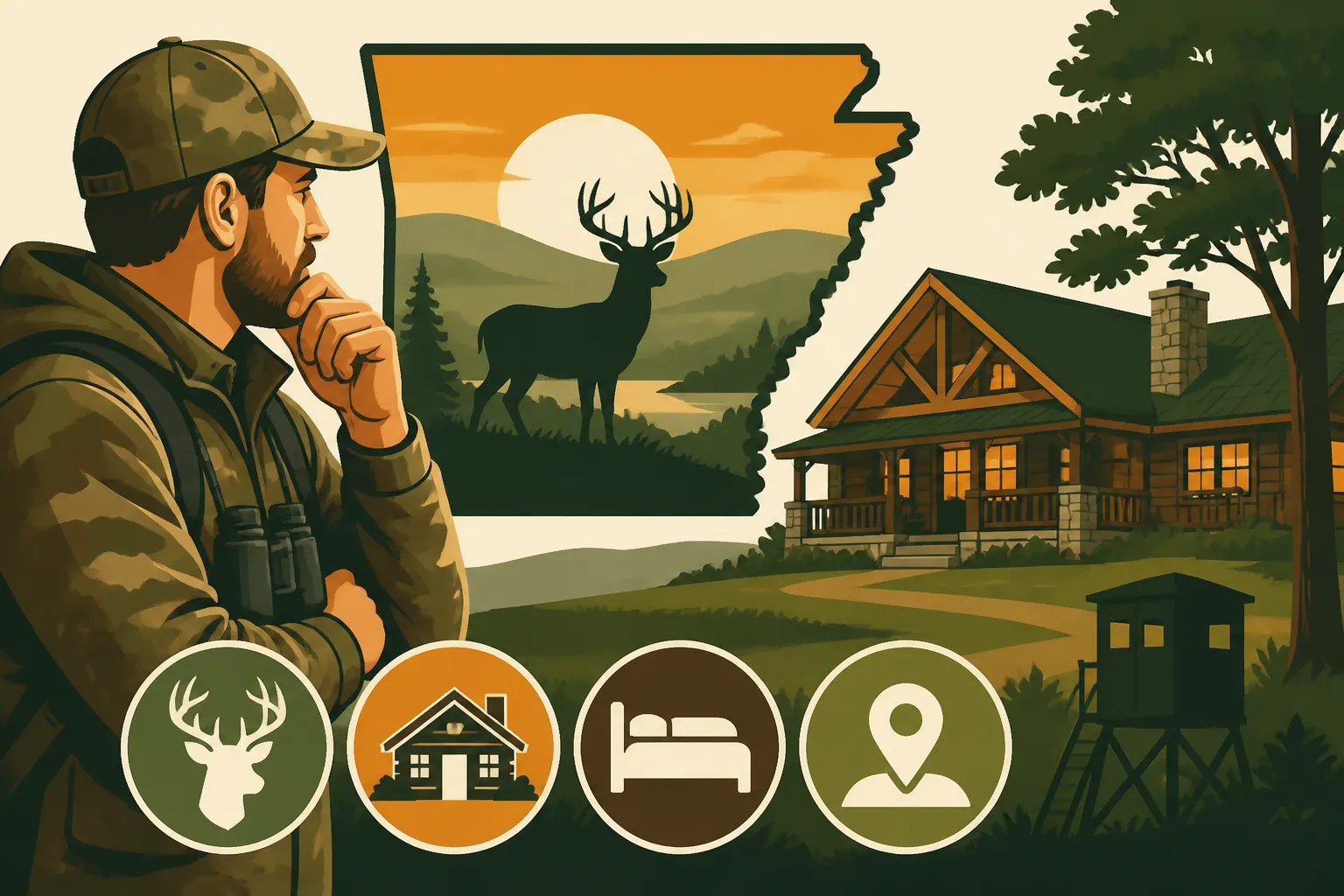
The level of accommodation can vary widely, from rustic, comfortable cabins to luxurious lodges with all the modern conveniences. Most hunting lodges in Arkansas strike a balance, offering clean, warm, and inviting spaces where hunters can relax after a long day in the field.
- Sleeping Arrangements: Expect either private rooms or shared bunkhouse-style accommodations, depending on the lodge and your chosen package. Ensure you clarify this upfront if privacy is a concern.
- Common Areas: Most lodges have a central common area with comfortable seating, a fireplace, and often a large screen TV where you can watch sports, review hunt footage, or simply socialize. This is often where the camaraderie of the hunt truly shines.
- Practical Amenities: Look for practical features like a dedicated wader or boot room with dryers, secure gun storage, and charging stations for electronics. These small details can make a huge difference in comfort, especially during cold, wet weather. Some lodges even offer laundry services.
- Pet Policy: If you plan on bringing your own hunting dog, check the lodge's policy. Many are dog-friendly and offer kennels, but some may not allow dogs inside the main lodge. This is a critical question to ask, as detailed in Bringing Your Own Dog to an Arkansas Lodge.
Understanding what to expect in terms of Lodge Accommodation and Meals will help you pack appropriately and set realistic expectations.
Meals and Hospitality: Fueling Your Adventures
One of the most talked-about aspects of a lodge hunt is often the food. After a cold morning in the blind or a long day tracking a deer, a hot, hearty meal is incredibly welcome.
- Hearty, Home-Style Cooking: Expect generous portions of comfort food. Breakfasts are typically substantial to fuel your morning hunt, lunches might be packed to take to the field or served back at the lodge, and dinners are often a highlight, featuring Southern favorites, wild game, or classic American fare.
- Dietary Needs: If you have any dietary restrictions or allergies, communicate these clearly and well in advance of your arrival. A good lodge will do its best to accommodate.
- Beverages: Most lodges provide non-alcoholic beverages. Check their policy on alcohol. Some may allow you to bring your own, while others might sell it. This can be a point of confusion if not clarified.
The hospitality extends beyond just the food. It's about the overall atmosphere, the friendliness of the staff, and the feeling of being truly welcome. A good lodge prides itself on creating a warm, inviting environment where hunters feel at home.
Game Care and Processing: Getting Your Harvest Home
Successfully harvesting an animal is just the beginning; proper game care is essential.
- Initial Field Care: Guides will typically assist with field dressing your deer or collecting and tagging your ducks. They should provide guidance on proper tagging procedures, especially given regulations around Arkansas Deer Checking and Tagging or Arkansas Turkey Checking Rules.
- Cooling and Storage: Most lodges have facilities for cooling and storing game, whether it's a walk-in cooler for deer or large freezers for ducks. This is crucial, especially during early season hunts when Arkansas temperatures can still be quite warm.
- Bird Cleaning Services: Many duck lodges offer bird cleaning and packaging as part of their service or for an additional fee. They'll breast out your ducks and package them for travel. This is a huge convenience, saving you hours of work. For specific details, inquire about Bird Cleaning Included in the Price.
- Processing Facilities: For deer and bear, lodges often have arrangements with local meat processors or provide space for you to do your own basic processing if you prefer. They can also help coordinate taxidermy services if you're looking to preserve a trophy.
- Transporting Game Home: Understand the rules for transporting game, especially if you're traveling across state lines. This is particularly relevant for Carcass Transport Rules Out of Arkansas or Transport Rules for Cleaned Birds. A good lodge will be knowledgeable about these regulations and help ensure your harvest is prepared correctly for your journey home.
Financial Considerations and Avoiding Pitfalls
Booking a guided hunt is an investment, and like any investment, it requires careful financial planning and a keen eye to avoid potential pitfalls. Transparency in pricing and clear agreements are your best friends here.
Deposits, Cancellations, and Insurance: Protecting Your Investment
This is perhaps the most critical area where misunderstandings can arise.
- Deposits: Most lodges require a significant non-refundable deposit to secure your dates. Understand the exact amount and the deadline for payment.
- Cancellation Policies: What happens if you need to cancel due to unforeseen circumstances (illness, family emergency, work commitment)? What if the lodge cancels due to extreme weather (e.g., lack of water for duck hunting) or other issues? Get these policies in writing. Some lodges might offer to roll your deposit over to a future date, while others might strictly adhere to a "non-refundable" policy. Ask about Cancellation Terms at an Arkansas Lodge.
- Weather Contingencies: For hunts heavily dependent on weather or water levels (like duck hunting), ask about their contingency plans. Do they have alternative hunting locations if conditions are poor? What happens if the water is too high or too low? What about What Happens if the Water Is Wrong?
- Trip Insurance: Seriously consider purchasing trip insurance. This can protect your financial investment in case you need to cancel for a covered reason. It's an often-overlooked expense that can save you thousands. Discuss Hunt Insurance Worth Buying with your lodge or a travel agent.
Tipping Etiquette for Guides and Staff: A Crucial Part of the Experience
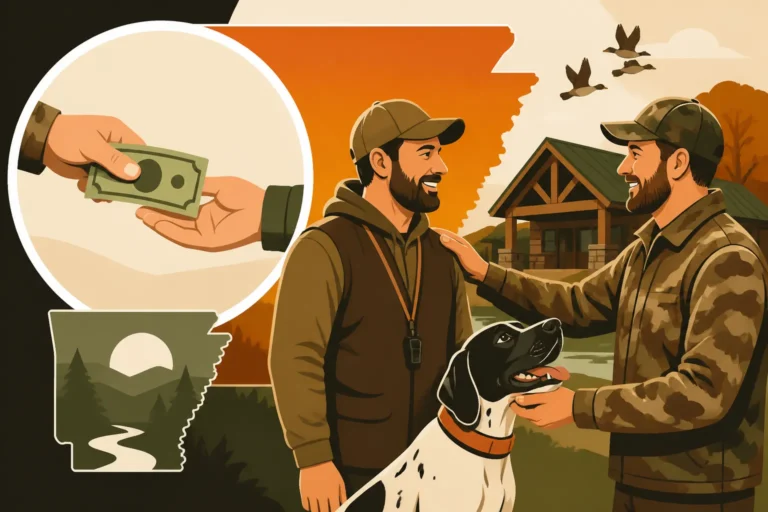
Tipping is customary in the hunting industry and a significant part of a guide's income. It's a way to show appreciation for their hard work, expertise, and dedication.
- Guides: A general guideline is 15-20% of the hunt cost per hunter, given directly to the guide at the end of the trip. Adjust this up or down based on their effort, attitude, and how hard they worked to make your hunt successful, regardless of harvest success. They can't control the animals, but they can control their effort.
- Lodge Staff: Don't forget the cooks, housekeepers, and bird cleaners. A communal tip jar is often available, or you can tip individuals directly. A general amount of 5-10% of the daily rate per hunter for the collective staff is a good starting point.
- Clarify Beforehand: If you're unsure, ask the lodge owner or manager about their expected tipping guidelines. This ensures you're prepared and can budget accordingly. Referencing guides like Tipping Guides and Dog Handlers can provide more specific numbers.
Understanding Hidden Costs and Extra Fees: Be Clear on Everything Upfront
The fastest way to sour a great hunt is to be hit with unexpected charges.
- Game Processing/Cleaning: As mentioned, confirm if bird cleaning or deer processing is included, or what the exact cost will be per bird/animal.
- Ammunition: While lodges won't provide shells or bullets, some might have them available for purchase if you run short. Plan to bring your own.
- Licenses/Stamps: Always assume these are your responsibility. Check the requirements well in advance for Arkansas Waterfowl Stamp Requirements or any other tags you'll need.
- Alcohol: If not provided, ask if there's a corkage fee or if they sell it.
- Souvenirs/Apparel: Lodges often have gift shops with merchandise.
- Guest Fees: If you plan to bring a non-hunting guest, ask about any associated fees for lodging and meals.
- Transportation: While local transportation to the hunting area is usually included, clarify if transfers from an airport are available and if there's an additional charge.
A reputable lodge will provide a clear breakdown of all potential costs. Don't be shy about asking for an itemized list of anything that is not included in the package price.
Making the Most of Your Guided Arkansas Hunt
You've chosen your lodge, booked your trip, and now the dates are approaching. To ensure you get the absolute most out of your Arkansas hunting adventure, a little preparation and a good attitude go a long way.
Preparing Mentally and Physically: Be Ready for the Conditions
Hunting in Arkansas, especially during peak seasons, can be demanding.
- Physical Fitness: If you're deer hunting in the Ozarks, expect steep climbs and long walks. Duck hunting in flooded timber often involves wading through deep, cold water. Even field hunts can require significant walking. Ensure you're in reasonable physical condition. For example, if you're wading through Entry Routes Through Flooded Timber, good balance and stamina are crucial.
- Gear and Clothing: Pack appropriate layers for varying Arkansas weather, which can change dramatically. Waterproof, insulated clothing is a must for waterfowl and late-season deer. Don't forget extra socks, gloves, and a good hat. Quality boots or waders are non-negotiable. Many lodges have a "what to pack" list; adhere to it strictly.
- Shooting Practice: Brush up on your shooting skills. Whether it's patterning your shotgun for ducks or confirming your rifle's zero, being proficient will increase your confidence and your chances of success. A guide's job is to put you on game, but it's your job to make the shot.
Being a Good Client: Respect and Realistic Expectations
A successful guided hunt is a partnership between you and your guide.
- Respect Your Guide: They are your experts and your hosts. Listen to their instructions, follow their lead, and trust their judgment. They know the property, the game, and the local conditions better than anyone. Be on time for wake-up calls and departures.
- Realistic Expectations: No outfitter can guarantee a kill. Hunting is hunting, and nature has a mind of its own. Focus on the experience, the challenge, and the camaraderie, rather than solely on punching a tag. Weather can change, animals can be uncooperative, and sometimes, luck just isn't on your side. A positive attitude, even when things are slow, will make the experience better for everyone.
- Safety First: Always prioritize safety. Handle your firearms responsibly, follow all lodge rules, and adhere to game laws and ethical hunting practices. Remember, guides are typically well-versed in Arkansas Hunter Education and Safety Rules.
- Communication: If you have an issue or concern, communicate it politely and directly to the lodge manager or your guide. Don't let small frustrations fester. A good lodge wants to ensure you have a great time and will do its best to address any reasonable concerns.
Post-Hunt Follow-Up and Feedback: Helping Others Choose Wisely
Your hunting experience doesn't end when you leave the lodge.
- Say Thank You: Express your gratitude to your guides and all the staff who made your trip enjoyable.
- Provide Feedback: Many lodges appreciate honest feedback. Let them know what they did well and where they could improve. This helps them enhance their services for future clients.
- Share Your Experience: Consider writing an online review (on their website, social media, or a booking platform like BookYourHunt or GoHunt). Your honest review can be incredibly helpful to other hunters trying to make the same decision you just did. Share photos (with permission if they include guides or other hunters) and stories. Your contribution helps to build a community of informed hunters.
- Stay Connected: Many hunters form lasting friendships with guides and fellow clients. Don't be surprised if you find yourself planning a return trip, eager to experience more of what White-Tailed Deer Across Arkansas or Arkansas Waterfowl on the Mississippi Flyway has to offer.
Choosing the right Arkansas hunting lodge is a journey in itself, but with careful research, clear communication, and realistic expectations, you can set yourself up for a truly unforgettable hunting adventure in the Natural State.
Disclaimer
This article is for general informational purposes only and does not constitute professional advice. Laws, prices and regulations vary by location and change over time. Consult a qualified professional for guidance on your specific situation.