White River Refuge Duck Hunting
Hunting the Dale Bumpers White River National Wildlife Refuge is an experience many duck hunters dream of, but it can be incredibly intimidating. The sheer size, the ever-changing water levels, and the intense pressure from other hunters can make a first trip feel overwhelming, leading to frustration and empty straps. This comprehensive guide is here to demystify White River Refuge duck hunting, providing you with the knowledge and tactics to navigate its unique challenges and increase your chances of success.
The Allure and Challenges of White River Refuge Duck Hunting
The White River Refuge isn't just another hunting spot; it's a legendary destination on the Mississippi Flyway. It draws hunters from across the country, all seeking to experience the magic of Arkansas duck hunting in one of its most pristine forms. Yet, its popularity also brings significant challenges.
Why the White River is a Duck Magnet
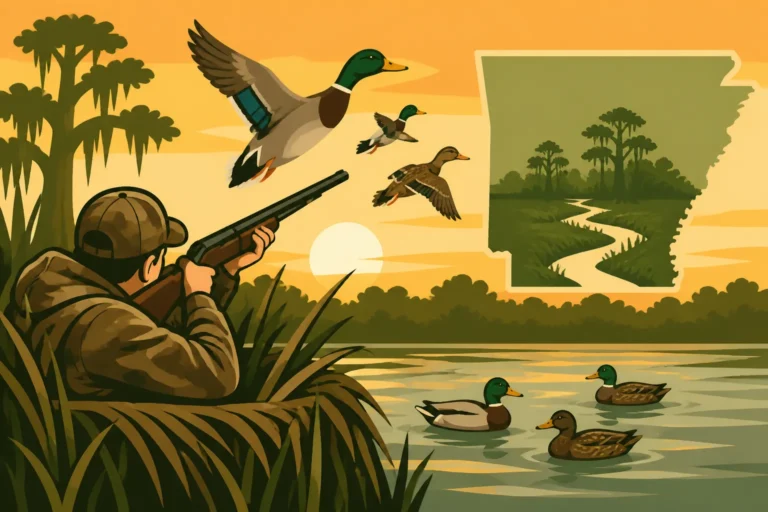
Stretching for miles along the White River in eastern Arkansas, this refuge encompasses nearly 160,000 acres of prime bottomland hardwood forest, sloughs, and lakes. It's a natural buffet and sanctuary for migratory waterfowl, especially mallards, pintails, and gadwalls. The mosaic of flooded timber, cypress brakes, and open backwater lakes provides diverse habitats that appeal to various duck species throughout the season. When the northern states freeze up, ducks pour into Arkansas, and a significant portion of them find their way to the reliable food sources and protected resting areas within the refuge. The natural flooding cycles of the White River mimic the perfect conditions ducks seek, offering abundant acorns, seeds, and invertebrates in shallow, accessible water. This constant influx of birds, combined with the refuge's immense size, makes it a true stronghold for ducks, promising incredible opportunities if you know where to look and how to hunt it. It's truly a critical stop for Duck Migration Timing Into Arkansas.
The Unique Demands of Refuge Hunting
While the White River Refuge holds a remarkable number of ducks, it also holds a remarkable number of hunters. This isn't your quiet, secluded private timber hole. You'll often be sharing the water with other eager duck hunters, especially on peak weekends and during the prime migration periods. This pressure means ducks are warier, more sensitive to noise, and quick to detect anything out of place. Successful hunting here requires more than just good calling or a realistic decoy spread; it demands careful planning, diligent scouting, a deep understanding of water levels, and a commitment to adapting your tactics. You're not just battling the ducks; you're also navigating competitive access, strict regulations, and the sometimes unpredictable nature of a large, dynamic river system. Patience and persistence are key, as is the ability to adjust your game plan on the fly. Many hunters feel overwhelmed by the sheer scale of the place, struggling to pinpoint specific areas that hold birds amidst the vast expanses of timber and water.
Navigating Access and Regulations on the White River Refuge
Hunting on a national wildlife refuge comes with its own set of rules and procedures that differ significantly from state WMAs or private land. Understanding these specifics is paramount to having a successful, and legal, hunt on the White River. You can find more general information about these special areas in our guide on Arkansas National Wildlife Refuges.
Understanding Refuge Hunting Zones
The Dale Bumpers White River National Wildlife Refuge is a complex system of diverse habitats, and it's managed with specific hunting zones and access points. Not all areas are open to hunting, and some have restrictions on method or timing. Generally, hunting is permitted in designated areas during the state waterfowl season, but check the refuge-specific regulations. These regulations are often much stricter than general statewide rules, and they are enforced rigorously by refuge staff and federal wildlife officers.
For instance, certain zones might be "rest areas" where no hunting is allowed, providing sanctuary for ducks. Other areas might open later in the season or have walk-in only access, limiting pressure. The refuge's map, often available online or at the headquarters in St. Charles, is your bible. Don't just rely on general hunting apps; overlay your mapping tools like onX Hunt with the official refuge boundaries and specific zone closures. A slight misstep into a closed area can result in a hefty fine or loss of hunting privileges, so thorough review of the current year's hunting pamphlet for Dale Bumpers White River Refuge is non-negotiable.
Permit Requirements and Application Process
Unlike many state public lands where a general license and WMA permit suffice, hunting on national wildlife refuges often requires special permits or check-in procedures. For the White River Refuge, this usually involves a permit that can be obtained either online or at the refuge headquarters. This permit is often free, but it's mandatory. You'll need to review the specific regulations each season, as they can sometimes change. Some areas within the refuge might also be subject to quota hunts or daily draws, particularly in popular spots or during peak migration. While the White River Refuge primarily operates on general access within designated areas, always confirm if specific units or hunts require an advance application or a morning drawing process. Failing to secure the proper permit or register your hunt can lead to serious consequences. Refer to the official Arkansas Refuge Hunting Rules for the most up-to-date information on these requirements.
Key Regulations to Keep You Legal
Beyond permits and zones, there's a laundry list of regulations unique to refuge hunting that you must abide by. These are put in place to manage the resource, ensure safety, and provide a fair chase environment.
- Shotgun Shells: Only non-toxic shot is allowed for waterfowl hunting, a federal requirement on all national wildlife refuges. This means no lead shot. Make sure you have plenty of steel, bismuth, or tungsten-iron shells. Our guide on Nontoxic Shot Rules in Arkansas has more details.
- Boats and Motors: There are often restrictions on motor size or type in certain areas, particularly in shallow sloughs or small lakes. Some areas may be restricted to electric motors or even paddle-only. Airboats are typically prohibited.
- Retrievers: Dogs are generally allowed for waterfowl retrieval but must be under the immediate control of the hunter. Check for any specific leash laws or areas where dogs are restricted.
- Blinds and Decoys: Permanent blinds are usually prohibited, but temporary blinds constructed of natural vegetation found on site are often permitted. Decoys must be removed daily.
- Shooting Hours: Federal regulations dictate legal shooting hours, which might differ slightly from statewide times, though they are usually in sync. Always check.
- Bag Limits: While generally aligned with state limits, refuge regulations can sometimes implement more conservative limits for specific species or overall harvest. Always double-check the refuge pamphlet.
- Alcohol and Drugs: Alcohol is often prohibited on refuge lands and waters.
- Carcass Disposal: Proper disposal of bird carcasses is critical; never leave them strewn about.
Understanding and respecting these rules is not just about avoiding a ticket; it's about being a responsible hunter and ensuring the sustainability of this incredible resource for future generations.
Scouting and Hunting Strategies for Success in the White River Backwaters
The White River Refuge demands a strategic approach to hunting. You can't just show up and expect to find birds. Success hinges on thorough preparation, understanding duck behavior, and adapting to the unique environment.
Pre-Season Scouting with Tools
Scouting is your most powerful tool on the White River Refuge. Given its size, starting early and leveraging modern technology can save you immense time and effort.
- Aerial Maps: Before you even set foot in the woods, use aerial photography to identify potential hunting spots. Look for changes in timber density, sloughs, oxbow lakes, and areas where water levels might concentrate birds. Software like onX Hunt is invaluable here, allowing you to mark waypoints for potential access points, timber holes, and areas of interest. You can download these maps for offline use, which is critical when you lose cell signal deep in the refuge. Pay close attention to subtle depressions or old creek channels that might hold water even when surrounding areas are drier.
- Water Levels: The White River's water levels are the ultimate determinant of duck activity. A slight drop or rise can completely change where birds feed and rest. Monitor river gauges for the White River closely. High water can flood vast expanses of timber, spreading ducks out, while falling water can concentrate them in remaining sloughs and pockets. Use onX Hunt to visualize how different water levels might affect access and duck movement in the areas you're scouting. What looks like a perfect timber hole at one water level might be dry or too deep at another. Understanding Reading Water in the Arkansas Delta is crucial here.
- Boot Scouting: Nothing beats putting boots on the ground, or rather, waders in the water. Once you've identified potential spots on your maps, visit them before the season, if allowed. Look for fresh duck sign: droppings on logs, disturbed mud where they've been feeding, and especially concentrations of acorn cuttings. These are tell-tale signs that ducks are actively using an area. Pay attention to how accessible these spots are and what kind of approach will be needed to get in quietly before shooting light. Consider using GoHunt's public land access tools if they offer specific layers for refuge land, though onX Hunt is usually sufficient for detailed parcel information and boundary lines. This pre-season intel is invaluable when you're making a decision on a dark, cold morning.
Decoy Spreads and Blind Setup in Refuge Timber
The timber hunting experience on the White River Refuge is iconic for a reason. But you can't just toss out a few decoys and hope for the best, especially with pressured birds.
- Natural Blinds: Permanent blinds are prohibited. Your blind needs to be built into the natural surroundings using existing cover. Find a thick cypress tree, a cluster of willows, or dense brush that offers good concealment. Use natural materials like cane, palmettos, or broken branches to enhance your hide. Make sure you can shoot comfortably and safely, and critically, that your blind casts minimal shadow. Ducks flying over will pick out unnatural shapes and shadows immediately.
- Decoy Strategy: Less can often be more in heavily pressured timber. A small, realistic spread of 6-12 mallard decoys, mixed with a few pintails or wood ducks, can be very effective. Focus on creating a landing zone directly in front of your blind, perhaps with a "J" or "U" shape to your spread. Motion decoys, like jerk strings, can add realism to the spread, especially on calm days. Position your decoys where ducks can easily see them and where they offer a clear flight path into your landing zone. Remember to think about what the ducks are looking for: a safe place to land and feed. Refer to Setting Decoys in Timber Holes for more specifics.
- Wind and Sun: Always position your blind with the sun at your back, if possible. This puts the sun in the ducks' eyes as they approach, making it harder for them to see you. The wind is equally important; ducks prefer to land into the wind. Set up so that approaching ducks will land in your decoy spread, facing into the wind, ideally within easy shooting range. Sometimes, the perfect spot with great cover might not have the ideal wind angle, forcing a difficult choice. On the White River, being concealed and having the sun right can often outweigh a slightly less-than-perfect wind direction, especially on bluebird days.
| Aspect of Scouting/Setup | Importance | Key Considerations | Tools to Use |
|---|---|---|---|
| Water Levels | Critical | Dictates duck movement, access, and feeding areas | River gauges, onX Hunt historical water layers |
| Access Routes | High | Quiet entry/exit, minimize disturbance | onX Hunt satellite imagery, trail camera intel |
| Duck Sign | High | Confirm active feeding/resting areas | Boot scouting, visual observation, onX Hunt waypoints |
| Natural Concealment | High | Blend in, minimize silhouette, shade | On-site observation, careful blind construction |
| Decoy Placement | Medium | Create inviting landing zone, mimic feeding birds | Wind direction, shooting lanes |
Calling Techniques for Pressured Birds
Calling ducks on the White River Refuge is an art form, especially when dealing with birds that have heard every call in the book. Aggressive, loud calling will often send them packing.
- Soft and Subtle: Less is often more. Start with soft, pleading hen quacks and soft feeding chuckles. These calls mimic content, undisturbed birds, which can be very enticing to wary ducks looking for a safe spot. Avoid loud, highball calls unless ducks are high and working at extreme distances. Often, a simple, soft greeting call followed by a series of quiet feeding chuckles is all you need to finish birds.
- The "Comeback" Call: If ducks swing wide or look like they're leaving, a series of short, sharp "comeback" calls can sometimes turn them around. It's a slightly more urgent call, but still not as aggressive as an open-water highball.
- Variety and Realism: Don't just blast out the same series of notes repeatedly. Vary your cadence, volume, and the type of calls you use. Listen to real ducks; they don't call like a broken record. Mix in single quacks, quiet feeding calls, and occasional lonesome hen calls. The goal is to sound as natural and non-threatening as possible. Understanding Calling Ducks in Tight Arkansas Timber is vital for this environment.
- When to Go Silent: Sometimes, the best call is no call at all. If ducks are locked up and committed, or if they're acting particularly wary, put the call down. Let your spread and natural concealment do the work. Overcalling will absolutely flare pressured birds. Read the birds; they will tell you what they want. If they start to turn away after a call, back off.
Preparing for Your White River Refuge Adventure
A successful hunt on the White River Refuge goes beyond just knowing where to go and how to call. It involves being adequately prepared for the challenging conditions and prioritizing safety.
Gear Considerations for Refuge Conditions
The White River Refuge can be a tough environment. You'll likely be wading in deep, cold water, navigating through thick timber, and potentially facing unpredictable weather. Proper gear is non-negotiable.
- Waders: Invest in high-quality, insulated chest waders. You'll be spending a lot of time in potentially waist-deep or deeper water, and staying warm and dry is critical. Neoprene or breathable waders with good boot insulation are essential. Bring an extra pair of socks!
- Waterproof Bag/Box: Keep all your essentials dry. A waterproof backpack or a durable plastic tote is needed for extra clothes, snacks, phone, keys, and especially your hunting license and refuge permit. There's nothing worse than a ruined phone or wet papers miles from your vehicle.
- Navigation Tools: While onX Hunt on your phone is excellent, a reliable waterproof GPS unit or a physical compass and map are smart backups. Batteries die, and phones get wet. Mark your access points, blind locations, and potential hazards. It's incredibly easy to get turned around in flooded timber before dawn.
- Headlamp/Flashlight: A powerful headlamp with a red light option is crucial for navigating in the dark without spooking birds. Bring extra batteries.
- Boat and Motor: Depending on your chosen access point, you might need a small jon boat, canoe, or kayak. If using a motor, ensure it complies with refuge regulations (e.g., electric-only zones). A paddle is always a good idea, even with a motor, for quiet maneuvering and as a backup.
- First Aid Kit: Always carry a basic first aid kit, especially for cuts, scrapes, and minor emergencies. Include emergency thermal blankets and fire-starting materials.
Safety First on the White River
The remote and watery nature of the White River Refuge presents several safety challenges. Taking precautions is paramount.
- Buddy System: Never hunt alone in remote areas of the refuge. Go with a partner or a group. In case of an accident, a medical emergency, or getting lost, having someone else there can be a lifesaver.
- Tell Someone Your Plan: Even if you're with a group, inform a non-hunting friend or family member of your exact hunting location, your intended return time, and who you're with. This provides a crucial safety net.
- PFDs: Always wear a personal flotation device (PFD) when traveling in a boat, especially in cold water. Even if you're a strong swimmer, heavy waders and hunting gear can quickly drag you down if you capsize.
- Hypothermia Awareness: Cold water and cold weather can quickly lead to hypothermia. Dress in layers, stay dry, and know the symptoms. Have a plan for warming up if someone gets too cold.
- Firearms Safety: Always follow the cardinal rules of firearm safety. Be aware of your shooting lanes and what lies beyond your target, especially in congested areas or when other hunters might be nearby. Hunter orange is not typically required for waterfowl hunting, but always confirm refuge rules.
- Wildlife Encounters: The refuge is home to bears and alligators. While encounters are rare, be aware of your surroundings, especially during low light or when retrieving birds. Know how to react to potential wildlife encounters.
Respecting the Resource and Other Hunters
Hunting on a refuge is a privilege, not a right. Your actions reflect on all hunters, and showing respect for the environment and your fellow sportsmen is crucial.
- Leave No Trace: Pack out everything you pack in, including spent shells, food wrappers, and any trash. Leave the area cleaner than you found it. This extends to proper disposal of game animals – never leave plucked feathers or carcasses easily visible or near public access points.
- Give Space: With many hunters vying for spots, it's vital to give others ample space. If you arrive at an area and see another group already set up, find another spot. Crowding someone else's hunt benefits no one and often results in spooked birds and frustration. Sometimes this means a longer walk or getting into Finding Unclaimed Water on Public Ground.
- Quiet Approach: Be mindful of noise, especially before shooting light. Row your boat or use an electric motor quietly. Keep conversations low. The sounds of human activity carry far across still water and can easily alert distant ducks.
- Follow All Rules: Adherence to all Arkansas Refuge Hunting Rules is non-negotiable. These rules are in place for a reason – to manage wildlife, ensure safety, and preserve the hunting experience for everyone. Don't be "that guy" who ruins it for others.
By understanding the unique nature of the White River Refuge, preparing diligently, and acting ethically, you can have a truly rewarding experience hunting some of the best flooded timber the state of Arkansas has to offer.
Disclaimer
This article is for general informational purposes only and does not constitute professional advice. Laws, prices and regulations vary by location and change over time. Consult a qualified professional for guidance on your specific situation.