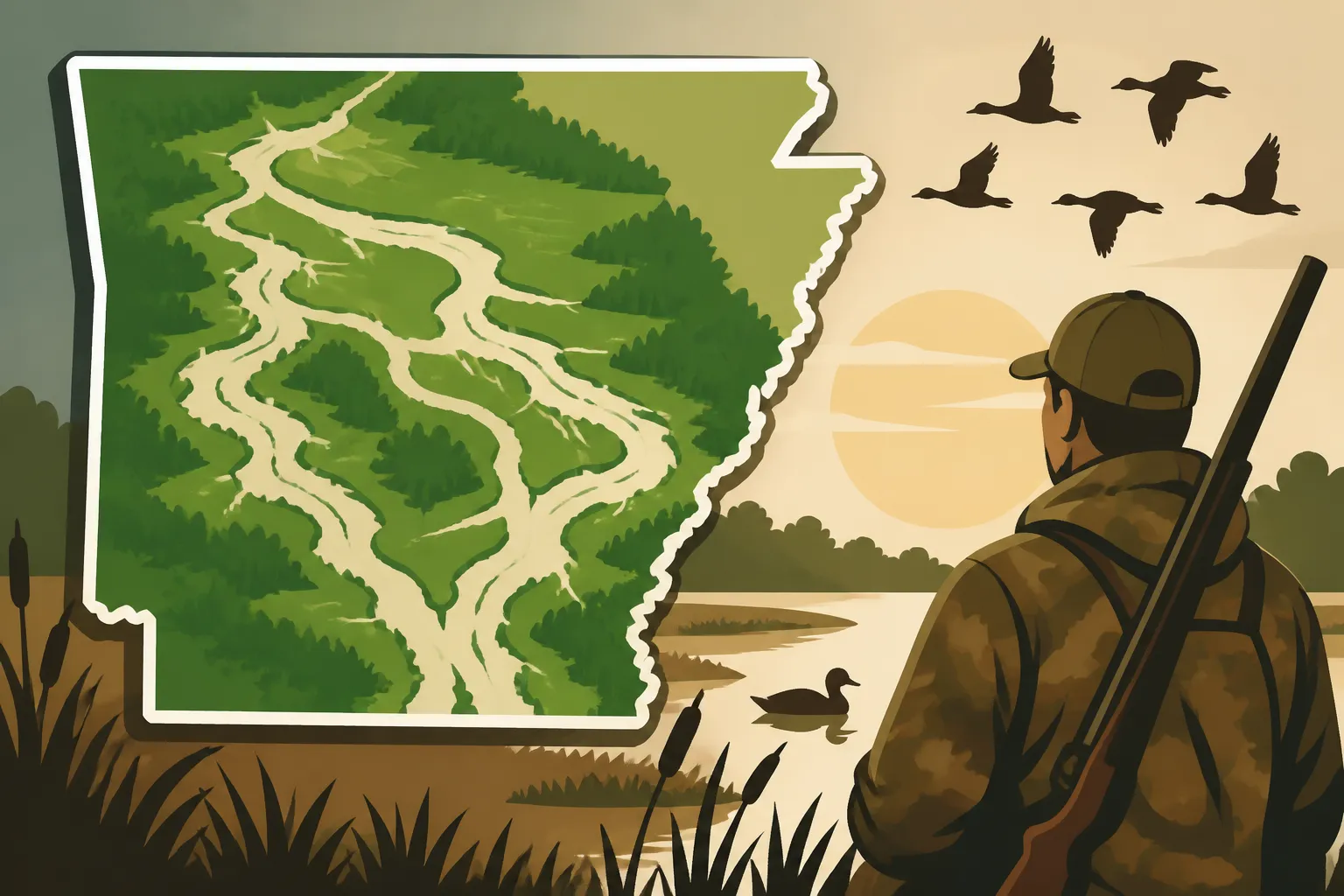
How Big the White River Refuge Is
Finding public land big enough to really get away from the crowds and immerse yourself in the hunting experience can feel like chasing a ghost here in Arkansas. So many of our renowned hunting grounds are fantastic, but they can feel a bit fragmented or heavily pressured. But then you hear whispers of places like the White River National Wildlife Refuge, a truly immense wild space, and you start to wonder: just how big is this place, and can it really offer that deep wilderness feel? This guide is going to break down the sheer scale of the White River Refuge, what that means for hunters, and how to navigate its vast, wild heart.
The Unfathomable Expanse of the White River National Wildlife Refuge
Let's be honest, when someone tells you a hunting area is "big," your mind usually goes to a few thousand acres. Maybe ten or twenty thousand if it's a really substantial Wildlife Management Area. But the White River National Wildlife Refuge operates on an entirely different scale. It's not just a large piece of land; it's a sprawling ecosystem, a monumental commitment to conservation that directly benefits hunters who are willing to put in the effort.
Laying Out the Numbers: Just How Big Is It?
Imagine a strip of prime bottomland habitat, rich with hardwoods and wetlands, stretching for mile after glorious mile. The White River National Wildlife Refuge encompasses approximately 160,000 acres. Yes, you read that right – one hundred and sixty thousand acres. To put that in perspective, that's more than 250 square miles of prime habitat. The refuge runs for about 90 miles along the White River in eastern Arkansas, though its width varies considerably, from less than a mile in some places to a full 10 miles across in others. It's a vast, complex mosaic of lands and waters, a testament to the importance of the river bottom ecosystem. This isn't just a place to hunt; it's a wilderness experience in its own right, offering true solitude if you're willing to go deep. It’s part of a larger network of Arkansas National Wildlife Refuges, each with its own character and opportunities, but the White River stands out for its immense size and historical significance.
A Ribbon of Life: Tracing the Refuge's Geography
The refuge isn't confined to just one county, which gives you a sense of its incredible length. It stretches through four eastern Arkansas counties: Arkansas, Desha, Monroe, and Phillips. This long, slender shape, following the meandering path of the White River, is what defines its character. The river itself is the lifeblood, carving out oxbows, sloughs, and providing the annual flooding necessary for the bottomland hardwood forests that dominate the landscape. When you’re looking at a map, it really looks like a giant, green, winding ribbon along the river. This elongated geography means that different sections can experience varying conditions based on their proximity to major tributaries, or even just what part of the river current is doing at any given time. Understanding these subtle geographic shifts can make a huge difference in your success, whether you're chasing deer or ducks. For serious planning, a tool like Using the AGFC Map Tool can be incredibly helpful to visualize these boundaries and terrain.
More Than Just Water: The Diverse Habitats Within
While the image of flooded timber immediately springs to mind when we think of the White River Refuge, the reality is far more diverse. Yes, it boasts some of the finest remaining bottomland hardwood forests in the Mississippi Alluvial Valley, much of which is managed as green tree reservoirs that are intentionally flooded for waterfowl. But you'll also find extensive cypress and tupelo swamps, ancient oxbow lakes, meandering sloughs, and bayous. Higher ground areas feature drier upland forests with mature oaks and hickories, along with some historically managed agricultural fields that provide crucial food sources for deer, turkeys, and migrating geese. This incredible variety of habitats means that the hunting opportunities aren't limited to just ducks in flooded timber. From archery deer hunting in September's heat to calling squirrels in vast hardwoods, the refuge truly has a season for every pursuit. It’s this rich blend that makes the refuge so productive for wildlife and so intriguing for hunters.
Here's a quick look at some of the primary habitat types you'll encounter in this massive refuge:
| Habitat Type | Primary Location | Key Game Species | Hunter Focus Points |
|---|---|---|---|
| Flooded Green Timber | Delta sections, areas near main river | Mallards, Wood Ducks, Deer | Acorn flats, sloughs, natural openings, travel corridors, boat runs |
| Cypress/Tupelo Swamps | Low-lying areas, deep oxbows | Wood Ducks, Deer, Hogs | Shallow water, dense cover, islands of high ground, natural funnels |
| River Frontage/Levees | Along the White River and major bayous | Deer, Squirrels, Waterfowl | River bends, high banks, mature timber, clearings, old fields |
| Agricultural Fields | Edge of refuge, higher ground, old clearings | Deer, Geese, Doves, Rabbit | Field edges, cover breaks, food sources, natural browse |
| Upland Forests | Higher, less flood-prone areas | Deer, Turkey, Squirrels, Raccoon | Ridges, draws, hard mast trees, travel corridors, bedding areas |
| Oxbow Lakes / Sloughs | Numerous, throughout the refuge | Bass, Crappie, Catfish, Ducks | Deep water, submerged timber, feeder creeks, points, weed beds |
Navigating the Vastness: Tools and Tactics for Exploration
The sheer size of the White River Refuge, while exciting for its potential, also presents a significant challenge: how do you effectively find and hunt an area that spans 160,000 acres? It’s not like hunting a small timber block where you can walk the perimeter in an hour. This demands a strategic approach, blending modern technology with good old-fashioned woodsman skills.
The Hunter's Digital Compass: Essential Mapping Apps
Gone are the days when a paper map and a compass were your only tools (though they're still essential backups!). Today, powerful mapping apps are your best friends when tackling a vast area like the White River Refuge. Platforms like onX Hunt offer incredibly detailed satellite imagery, showing you topo lines, potential water depths, and critical land ownership boundaries, which is crucial on a refuge that borders private land. You can mark waypoints for potential stand sites, entry and exit routes, and areas of interest right from your phone. Another excellent resource is GoHunt, which provides similar tools and can help you visualize the terrain before you even set foot in the woods. These apps allow you to meticulously scout from your couch, identifying pinch points, dense cover, and potential feeding areas. Always remember to download offline maps before you go, as cell service can be spotty, if not entirely nonexistent, deep within the refuge.
Understanding Access: Waterways, Roads, and Foot Traffic
Access into the White River Refuge is as varied as its habitat. The primary arteries are the numerous boat ramps along the White River itself and its major tributaries that run through the refuge. Many of the most productive duck hunting areas, especially the famous green tree reservoirs, are accessed almost exclusively by boat. This means having a reliable boat, understanding river navigation, and being prepared for varying water levels. Don't underestimate the power of the White River; current can be swift, and hidden logs are always a concern.
There are also a limited number of improved and unimproved roads that allow vehicular access to certain interior sections, primarily for deer and small game hunters. However, many of these roads can be seasonal, closing due to flooding or wet conditions, so always check local refuge conditions before you head out. Beyond that, a significant portion of the refuge is designated for foot traffic or boat-only access, particularly some of the more remote sloughs and mature timber blocks. Being willing to paddle a canoe or kayak into these areas, or even just hike a couple of miles from the nearest access point, is often the key to finding unpressured game. This is especially true for White River Refuge Deer Hunting, where the further you get from easy access, the better your chances of encountering a mature buck.
Scouting Smart: Pre-Season Reconnaissance
Given the scale, pre-season scouting isn't just a good idea; it's practically mandatory. Use those mapping apps to identify potential hotspots, but then back it up with boots-on-the-ground exploration. If you're a duck hunter, pay attention to water levels and flow rates in the weeks leading up to the season. Learn the lay of the land when it's dry; those subtle depressions will be the first to flood, and knowing where they are can give you a huge advantage. For deer hunters, look for natural funnels, old logging roads, and changes in elevation or habitat that could concentrate deer movement.
Look for signs of deer activity like old rubs and scrapes from previous seasons, and identify natural food sources like acorn flats in the upland areas or browse lines where deer have been feeding. If you're planning a trip during the peak Hunting the Arkansas Rut by Zone, knowing where bucks are likely to cruise based on cover and doe bedding areas will be invaluable. Early season scouting also helps you identify entry and exit routes that minimize disturbance, especially crucial on a highly visible landscape or near water where sound travels far.
Hunting Opportunities Across the Miles of Wilderness
The sheer size of the White River National Wildlife Refuge translates directly into an incredible diversity of hunting experiences. Whether you're a die-hard waterfowl enthusiast or a dedicated deer hunter, this vast landscape offers something truly special, assuming you're prepared for the challenge.
Chasing Whitetails in a Sprawling Sanctuary
Deer hunting on the White River Refuge can be a truly rewarding experience, especially for those who appreciate a more primitive, self-reliant hunt. The vastness allows deer to mature, and with less direct pressure in the deep woods than on some smaller, more accessible public lands, you have a real chance at a quality buck. The refuge’s diverse habitat, from dense cypress swamps to drier oak ridges, means deer are spread out, and their movements are often dictated by water levels and food availability. In low water periods, deer will use the main river banks and higher ground. When the backwaters rise, they concentrate on ridges, levees, and any patch of dry ground.
This means you need to be adaptable. Still-hunting through vast tracts of hardwoods can be highly effective, especially early in the season or after a rain when the woods are quiet. Setting up a treestand along a natural travel corridor between a bedding area and a feeding flat can also pay dividends. Remember, patience is key. The deer here aren't as accustomed to human presence as on private land, but they are wild and wary. Knowing the Arkansas Deer Seasons and Zone Limits for the specific counties the refuge spans is critical, as rules can vary. The White River Refuge Deer Hunting article provides even more detailed insights into tactics here.
The Legendary Duck Hunting Experience
Without a doubt, the White River National Wildlife Refuge is one of the crown jewels of duck hunting in the Mississippi Flyway. Its extensive green tree reservoirs and natural wetlands provide critical wintering habitat for millions of migratory waterfowl, particularly mallards and wood ducks. The sound of thousands of ducks whistling overhead at dawn, combined with the calls of your hunting party echoing through flooded timber, is an experience that draws hunters from across the nation.
Hunting here is often done from boats, paddling or motoring (with restrictions in some areas) into prime timber holes or sloughs. Decoy spreads can range from a handful of blocks in tight timber to large spreads in more open water. The key to success often lies in understanding water levels, reading duck behavior, and being willing to move if the ducks aren't working your spot. Access to some of the most famous hunting areas, like the "Dale Bumpers White River Refuge," often requires an early start and understanding the local dynamics. Be sure to familiarize yourself with the Arkansas Waterfowl Seasons and Zones and all specific refuge regulations, which often differ from general state regulations.
Beyond Deer and Ducks: Other Game in the Vastness
While deer and ducks understandably get most of the attention, the White River Refuge's immense size supports a healthy population of other game species, offering additional hunting opportunities. Small game hunters can find abundant squirrels in the oak and hickory forests, providing a fantastic way to introduce new hunters to the woods or simply enjoy a quieter hunt. Rabbits can also be found in brushy areas along field edges and old clearings.
For the more adventurous, there's even the potential for black bears in some parts of the refuge, though this is less common than in the Ozark or Ouachita Mountains. These are typically transient animals, but their presence speaks to the wild nature of the area. Additionally, the refuge hosts other migratory birds like doves, woodcock, and snipe in specific seasons and habitats. Before heading out for any species beyond deer or ducks, always double-check the refuge-specific regulations, as certain areas or seasons might have different rules for different game.
Safeguarding a Giant: Regulations, Conservation, and Respect
Hunting in a national wildlife refuge like the White River is a privilege, and it comes with a significant responsibility to understand and abide by the specific rules designed to protect this incredible resource. The very size of the refuge is a testament to the conservation efforts that make these hunting opportunities possible.
Diving into the Rulebook: Refuge-Specific Regulations
It’s easy to assume state hunting regulations apply universally, but national wildlife refuges often have their own unique set of rules that are stricter or more specific than statewide guidelines. For instance, some areas within the White River Refuge might have special permit requirements, restricted shooting hours, specific weapon restrictions (e.g., no rifles in certain zones), or limitations on the use of ATVs or even boats. There might be different dates for hunting specific species than the general state season, or different bag limits. For example, some parts of the refuge might have a later waterfowl opening or specific closures for resting areas.
It is absolutely crucial to obtain and thoroughly read the most current hunting regulations pamphlet directly from the Dale Bumpers White River National Wildlife Refuge office or their website before planning your hunt. Ignoring these refuge-specific rules can lead to fines, citations, and even loss of hunting privileges, which nobody wants. Always check for current conditions and closures, as water levels can quickly change access points and even close entire sections to hunting.
The Role of Scale in Wildlife Management
The immense size of the White River Refuge is not just a benefit for hunters; it's fundamental to its ecological function and the success of its wildlife populations. This vast floodplain ecosystem is a critical component of the Mississippi Flyway, providing feeding, resting, and wintering habitat for millions of migratory birds. The scale allows for comprehensive habitat management practices, such as managing water levels in green tree reservoirs, performing timber stand improvements, and controlling invasive species on a landscape level that would be impossible on smaller tracts.
The refuge acts as a vital sanctuary for numerous species, ensuring genetic diversity and providing core breeding grounds that bolster populations even in surrounding areas. Its continuous stretch along the White River protects crucial riparian corridors, which are essential for many species of mammals, birds, and amphibians. This large-scale, integrated management is why we continue to have such incredible hunting opportunities in the region, including impressive deer herds and world-class duck hunting. The health of the entire ecosystem benefits from this protected expanse.
Your Responsibility as a Hunter in a National Treasure
Hunting on a national wildlife refuge is a unique experience, and it calls for a heightened sense of responsibility and ethical conduct. When you're in a place as significant as the White River Refuge, you become a steward of that land. This means practicing ethical hunting at all times, including making clean shots, retrieving all game, and adhering strictly to bag limits. It also means leaving no trace behind: pack out everything you pack in, including spent shotgun shells, food wrappers, and any other trash.
Respecting other users, whether they are other hunters, anglers, or wildlife watchers, is also paramount. Sound travels far over water and through timber, so keep noise to a minimum, especially during early morning hours. Understand that you are part of a larger conservation effort, and your actions reflect on the entire hunting community. By being a responsible and respectful hunter, you help ensure that the Dale Bumpers White River National Wildlife Refuge remains a premier hunting destination for generations to come. Scouting Arkansas Public Land Before Season includes valuable tips on being a respectful public land user, which is doubly important on a refuge of this magnitude.
Disclaimer
This article is for general informational purposes only and does not constitute professional advice. Laws, prices and regulations vary by location and change over time. Consult a qualified professional for guidance on your specific situation.