Arkansas Timber Versus Field Duck Guides
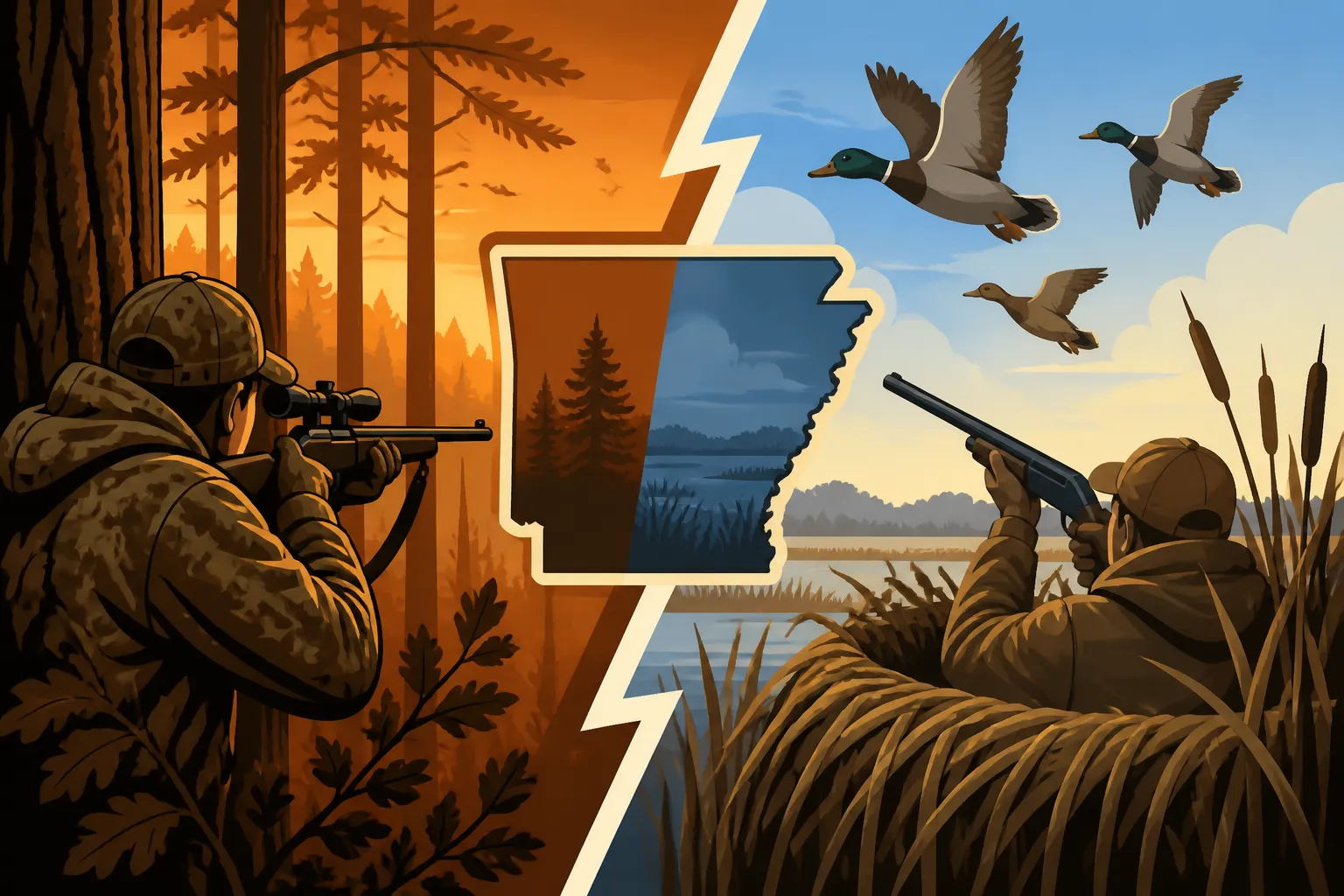
For many hunters, the dream of an Arkansas duck hunt conjures vivid images of mallards cupped over flooded timber or geese swirling into a vast rice field. But when it comes time to book a guided trip, the choice between these two iconic experiences can be overwhelming. This guide is here to demystify the distinct worlds of Arkansas timber versus field duck guiding, helping you understand what each offers so you can choose the adventure that’s perfect for you.
Understanding the Arkansas Duck Hunting Landscape
Arkansas, often called the "Duck Capital of the World," boasts a diverse hunting landscape that attracts waterfowl from across the Mississippi Flyway. This isn't just a marketing slogan; it's a reality rooted in the state's unique geography, which provides crucial wintering habitat. From the towering oaks of the Delta to the sprawling rice and soybean fields, Arkansas offers varied environments, each dictating a different style of duck hunting. For a hunter looking to experience this rich tradition, understanding these foundational differences is the first step toward booking an unforgettable trip.
The Allure of Flooded Timber
When most people picture Arkansas duck hunting, they're likely imagining flooded green timber. This is the stuff of legends: ancient bottomland hardwood forests, temporarily inundated by winter rains or managed water levels, creating a magical canopy where mallards and wood ducks find shelter and food. The experience is intimate, often involving wading quietly through knee-deep water, leaning against a cypress tree, and listening to the whistling wings overhead as ducks dart through the breaks in the canopy. The sound of a guide’s call echoing through the trees is a quintessential Arkansas experience, drawing birds into small, open pockets of water known as "holes." The sheer tradition and unique atmosphere make Hunting Arkansas Flooded Green Timber a bucket-list item for many.
The appeal lies in the close-quarters action and the natural setting. Unlike open-water hunting, timber hunting often means ducks commit hard, dropping into the decoys within spitting distance. It's a visually stunning experience, with sunlight dappling through the bare branches and the reflections of the trees in the still water. The guides here are masters of timber calling, using their voices to mimic the sounds of a healthy duck haven, creating an irresistible invitation for passing birds. However, this environment also presents its own set of physical challenges and tactical nuances that hunters need to be aware of before booking.
The Draw of Open Rice Fields
While flooded timber steals many of the headlines, the vast agricultural fields of eastern Arkansas—particularly the rice and soybean fields—offer an equally thrilling, albeit very different, duck hunting experience. These fields, often flooded after harvest, provide an enormous food source for migrating waterfowl. Mallards, pintails, and various dabblers descend on these expanses, along with impressive numbers of specklebelly geese and snow geese. The hunting here typically involves large decoy spreads, comfortable permanent blinds or portable panel blinds, and often multiple retrieves by well-trained retrievers. For many, Hunting Rice Fields and Levees provides consistent action and a different kind of spectacle.
Field hunting offers a more expansive view of the sky, allowing hunters to watch large flocks work from a distance. The calling is often louder and more aggressive, designed to pull birds from high altitudes. Comfort is often a key factor, as many field blinds are spacious, dry, and sometimes even heated. This setup can be particularly appealing for groups, those with mobility concerns, or hunters who prefer not to wade through cold water all day. While perhaps not as "traditional" as timber hunting in the eyes of some purists, field hunting is incredibly effective and provides tremendous opportunities for high-volume shoots and diverse bag limits, including geese.
Why the Distinction Matters for Hunters
The fundamental difference between timber and field guiding is more than just the backdrop; it influences everything from the type of gear you need to the physical demands of the hunt, and even the species of birds you're most likely to encounter. For a first-timer, or even a seasoned hunter new to Arkansas, making the wrong choice can lead to a less-than-ideal experience. You don't want to show up for a wade-in timber hunt with only hip waders and a small bag, only to find yourself struggling through chest-deep water while everyone else is comfortably seated in a spacious pit blind out in a field.
Moreover, the style of shooting, the calling techniques, and the general flow of the morning are vastly different. In timber, shots are often close, fast, and require quick reflexes through tight shooting lanes. In a field, shots can be longer, requiring a steady hand and good judgment on high-flying birds. Understanding these distinctions is crucial for managing your expectations, packing appropriately, and ultimately, maximizing your enjoyment. It’s about aligning your personal hunting style, physical capabilities, and desired experience with what the guide can genuinely offer.
The Experience of a Guided Timber Hunt
Stepping into flooded Arkansas timber with a guide is truly an immersive experience. It's often quiet, punctuated only by the distant cackle of a hen or the soft murmur of the guide's call. The environment dictates the tactics, and those tactics define the hunt. It's less about sheer numbers and more about the quality of the decoying and the thrill of birds committing through the trees.
Wading, Calls, and Close Shots
Most guided timber hunts involve wading into a "hole" – a small, open pocket of water within the dense forest. This means you'll need reliable waders, often chest waders, as water depths can vary significantly. Some holes might be knee-deep, while others could surprise you with waist-deep stretches, especially if you're navigating around fallen logs or cypress knees. The guide will lead the way, setting out a relatively small spread of decoys, usually 12-36, mimicking a relaxed group of ducks. Hunters then position themselves around the edge of the hole, blending into the timber, often standing or leaning against trees.
The calling is typically soft, melodic, and incredibly precise. Timber guides are renowned for their ability to "talk" ducks into the decoys. They use subtle hails, contented feed calls, and soft quacks to convince birds circling high above that the hole is safe and inviting. When ducks commit, they often drop dramatically through the canopy, providing exhilarating, close-range shots. It's a test of quick reflexes and target acquisition in tight windows. The thrill of seeing a mallard pitch through the branches directly into the decoys is a feeling few other hunting experiences can match, and it’s why so many hunters return year after year for Calling Ducks in Tight Arkansas Timber.
Challenges and Realities of Timber Hunting
While incredibly rewarding, timber hunting comes with its own set of challenges. Firstly, it can be physically demanding. Wading through cold water, often carrying your gun, shells, and a small bag, for extended periods can be tiring. The footing can be uneven, with roots, logs, and muddy spots posing trip hazards. If you have mobility issues or prefer a less strenuous hunt, timber might be more challenging. Secondly, shooting opportunities, while intense, might not always be as high-volume as a field hunt. Timber ducks are notoriously wary, and guides work hard for every bird that commits. Success often hinges on stealth, good calling, and the weather. A bluebird day with no wind can make timber ducks incredibly difficult to work.
Furthermore, retrieving downed birds can be tricky. While guides often have excellent dogs, a duck falling deep into thick timber or swimming away wounded can be a challenge to find. Hunters need to be prepared for colder conditions, as standing in water can sap body heat more quickly than sitting in a dry blind. Expect to layer up, and perhaps bring hand warmers. It’s a raw, elemental experience, but that’s precisely what draws many to it.
What to Expect from a Timber Guide
A timber guide in Arkansas is not just a call-and-shoot operator; they are woodsmen and naturalists. They spend countless hours scouting, reading water levels, and understanding how ducks use different timber holes based on wind, weather, and pressure. When you book with a timber guide, you're paying for their intimate knowledge of the specific property or public lands they hunt, their expert calling ability, and their skill in getting you into prime positions. They'll typically meet you before daylight, often at a pre-determined rendezvous point, and transport you via ATV, boat, or truck as close as possible to the hunting area, followed by a wade into the hole.
They will set the decoys, direct where each hunter should stand, and do the majority of the calling. Expect clear instructions on when to shoot and how to manage your movements to avoid spooking birds. Many timber guides use well-trained retrievers to fetch downed ducks, adding another exciting element to the hunt. They understand that Setting Decoys in Timber Holes isn't just about throwing them out; it's about creating a natural, inviting spread that fools wary mallards. Your guide will likely offer advice on shooting etiquette in timber, emphasizing quick, decisive shots when the birds are committed and within range.
The Experience of a Guided Field Hunt
Field hunting in Arkansas offers a different rhythm and scope compared to the timber. It's an expansive experience, often involving big skies, large decoy spreads, and the dramatic sight of hundreds of birds working in unison. It caters to a different kind of hunter, but delivers equally thrilling action.
Blinds, Decoys, and Spreads
Guided field hunts are typically conducted from comfortable, concealed blinds situated in flooded rice, soybean, or corn fields. These blinds can range from permanent pit blinds dug into the earth to large, mobile panel blinds or even layout blinds, depending on the outfitter and the field. Hunters are often seated, providing a more relaxed and less physically demanding experience than wading. The emphasis here is on drawing birds from a distance, so decoy spreads are usually much larger, often numbering in the hundreds, sometimes even thousands, including a mix of duck and goose decoys. Motion decoys, such as spinners and flying flags, are frequently used to create visual appeal from afar, making the spread look alive to circling birds.
The calling in a field environment tends to be more aggressive and louder, designed to grab the attention of ducks and geese flying high and fast over vast distances. Guides use powerful calls to simulate the sounds of a massive flock feeding and resting, creating a beacon in the open landscape. When birds commit, they often make several wide passes, slowly losing altitude before finally dropping into the decoys. This offers a different kind of challenge, as hunters need to judge range in open air and be prepared for shots that might be a bit further out than typical timber shots. The experience of Hunting Rice Fields After Harvest often means incredible bird numbers.
Challenges and Realities of Field Hunting
While field hunting offers comfort and often high-volume action, it also has its challenges. Weather plays a significant role; strong winds can make decoy spreads challenging to manage and can make ducks more difficult to work if they're not feeding aggressively. Conversely, perfectly calm, clear days can make ducks extremely wary of large, static spreads. The sheer openness of the environment means concealment is paramount, and any movement or glint of light can spook an approaching flock. Hunters must remain vigilant about staying hidden until the guide calls the shot.
Another factor is the potential for pressure. Prime field locations can see a lot of hunting pressure, especially on public lands or areas with many outfitters. Guides often scout extensively to find fields with consistent bird activity and less disturbance. While comfortable, spending several hours in a blind, often sitting very still, can also be a test of patience. However, when the birds are flying and committing, the action can be non-stop, providing opportunities for limits of ducks and sometimes even geese.
What to Expect from a Field Guide
A field guide is an expert in reading agricultural landscapes and understanding how waterfowl use them. They know which fields hold water, where the prime feeding areas are, and how to set up decoy spreads to intercept migrating birds. Their job involves constant scouting, often driving miles of backroads to locate concentrations of ducks and geese. You'll typically meet your guide well before shooting light, often at a designated meeting point, and then be driven directly to a pre-set blind.
Your guide will be responsible for calling, identifying species, and calling the shots. They'll ensure the decoys are properly deployed and maintained, and their retriever will be ready for action. Communication is key in a field blind, and your guide will provide instructions on when to call, when to be quiet, and when to rise and shoot. Many guides are also skilled at calling specklebelly geese, which often frequent the same fields as ducks. When considering options, some hunters use platforms like GoHunt to research outfitters who specialize in particular field setups or target specific species like specks. Expect a more relaxed, but equally intense, hunting experience focused on large numbers of birds in an open setting.
Key Differences in Tactics and Gear
The choice between timber and field hunting isn't just about aesthetics; it fundamentally alters the tactics employed and the gear you'll need to bring. Being prepared for these distinctions is crucial for a successful and comfortable hunt. Many new hunters overlook these practical details, leading to discomfort or an inability to fully participate in the hunt.
Calling and Decoy Strategies
The philosophy behind calling and decoy spreads varies dramatically between the two environments. In flooded timber, the goal is often to create a small, irresistible pocket of tranquility. Guides typically use fewer decoys—perhaps a dozen to two dozen—arranged naturally in an open hole. The decoys might include a few mallards, some wood ducks, and perhaps a pintail or two. Motion decoys, like jerk cords, are sometimes used but are usually subtle. The calling is generally softer, more nuanced, and highly technical. It's about convincing birds that are already in the trees or actively seeking shelter to drop into a specific spot. You might hear subtle clucks, contented quacks, and feeding chuckles, aimed at birds just above the canopy, easing them down through the branches. The acoustics of the timber also play a huge role, with calls echoing and carrying differently than in open air.
Conversely, in open fields, the strategy is about broadcasting an undeniable invitation to birds flying high overhead across vast distances. Decoy spreads can be enormous, often hundreds, sometimes even thousands, including full-body and shell decoys for ducks and geese. Motion is critical, with a strong emphasis on spinner wing decoys, flying flags, and large spreads to simulate a bustling feed. The calling is typically much louder and more aggressive, designed to grab attention from afar. Guides use powerful hails, rapid-fire feed calls, and excited comeback calls to pull birds from distant horizons. The challenge here is to make your spread look like the most attractive option among a landscape full of potential landing zones. Knowing Decoy Numbers for Timber Holes versus open field spreads is a prime example of these strategic differences.
Required Gear and Apparel
Your packing list will look quite different depending on whether you're heading to the timber or a field. For timber hunting, chest waders are non-negotiable, and they need to be durable and leak-free. Layering is essential underneath, as standing in cold water can quickly lead to chilling. Waterproof outerwear is crucial, as you'll be exposed to the elements and potentially dripping branches. A smaller, waterproof backpack for essentials, a headlamp, and a reliable shotgun with fast-handling capabilities are key. Since shots are often close, many timber hunters prefer modified or improved cylinder chokes. Non-toxic shot is a must in all waterfowl hunting, but particularly on public lands like many timber areas.
For field hunting, while waders might still be useful for navigating flooded furrows or retrieving birds, they aren't always required if hunting from a dry pit blind. Comfortable, warm, and waterproof hunting clothing is still essential, especially for long hours in exposed blinds. Insulated boots are important, as is a warm hat and gloves. You'll want a larger shell bag, as shooting opportunities can be high-volume. Shotguns with improved cylinder or modified chokes are still common, but longer-range shots might favor a tighter choke. Blinds can often be accessed by ATV or truck, so carrying gear is generally less physically demanding. Regardless of the hunt, always bring plenty of non-toxic ammunition. For a detailed look at gear, you might want to check out resources on What an Arkansas Duck Package Includes to see typical provisions.
Physical Demands and Accessibility
This is arguably one of the most significant differentiating factors between timber and field hunts. Timber hunting, by its very nature, is more physically demanding. You'll be walking and wading, sometimes through difficult terrain, in varying water depths. Stamina, balance, and the ability to handle cold are all important. If you have any mobility limitations, bad knees, or a general aversion to getting wet and muddy, a timber hunt might be a tough go. Some timber holes are relatively easy to access, but many require a considerable hike and wade, often pre-dawn.
Field hunting, on the other hand, is generally more accessible. Most permanent pit blinds or mobile panel blinds allow hunters to sit comfortably, reducing the physical exertion significantly. While you might still need to walk a short distance from a vehicle to the blind, it's typically over easier terrain. This makes field hunts a great option for older hunters, those with physical limitations, or anyone who simply prefers a less strenuous experience. It's also often more conducive to bringing youth hunters along, as they can sit and stay warm and dry more easily. The key is to communicate any physical concerns with your outfitter upfront, whether you're finding them through BookYourHunt or a personal referral, so they can recommend the most suitable option.
Choosing the Right Guide for Your Hunt
Deciding between timber and field is a big step, but then comes the task of picking the right outfitter. This choice can make or break your trip, so it’s essential to do your homework and match your expectations with what a guide can genuinely provide.
Considering Your Experience Level
Your prior hunting experience plays a crucial role in determining which type of guided hunt will be most enjoyable and successful for you. If you're a seasoned waterfowl hunter who thrives on challenge, appreciates nuanced calling, and doesn't mind the physical demands of wading, a timber hunt might be right up your alley. The close-quarters shooting and the traditional atmosphere often resonate deeply with experienced waterfowlers. You'll likely appreciate the intricate details of how a guide works the birds through the trees.
However, if you're new to duck hunting, a novice shooter, or someone who prefers a more comfortable, higher-volume experience, a field hunt could be a fantastic introduction. The often-larger target areas, the comfort of a blind, and the potential for a higher number of shooting opportunities can build confidence quickly. Field guides are generally excellent at coaching new hunters on shot placement and timing in an open setting. If you're unsure, or perhaps hunting with a mixed group of experienced and new hunters, a field hunt often offers a broader appeal and can accommodate various skill levels more easily. Consider what you want to learn and what kind of action you’re hoping for on your first Arkansas duck hunting trip.
Matching Your Expectations to the Hunt Type
It's vital to align your personal expectations with the realities of each hunt type. If your vision of a successful duck hunt is a non-stop barrage of mallards dropping into a secluded timber hole, be aware that timber hunting, while incredibly rewarding, often involves waiting patiently for smaller groups of birds. The magic is in the finesse and the close encounters, not necessarily in shooting a full limit in 30 minutes. Be prepared for lulls in the action and appreciate each bird that commits.
Conversely, if you're expecting the intimate, traditional feel of a timber hunt but book a field trip, you might be surprised by the sheer scale and often more commercial feel of a large field operation. While field hunts can offer incredible volume and fast action, they lack the same quiet, almost spiritual connection with the flooded forest. Think about what truly excites you: is it the challenge of a tough timber bird, or the spectacle of hundreds of ducks and geese working a massive field? Platforms like BookYourHunt often provide descriptions and photos that can help you visualize the different experiences offered by various outfitters, helping you match your expectations.
Questions to Ask Potential Outfitters
Before committing to a guide, arm yourself with questions. Don't be shy; a reputable outfitter will be happy to discuss the details. Here's what you should consider asking:
- Timber Hunt Specifics: "What are the typical water depths in your timber holes?" "Is wading required, and how far do we usually walk?" "How many hunters do you put in a timber hole?" "What's your strategy for calling in tight timber?" "Do you use retrievers, or are we expected to retrieve our own?"
- Field Hunt Specifics: "What type of blinds do you use (pit, panel, layout)?" "How many decoys are typically set out?" "Are there opportunities for goose hunting in addition to ducks?" "What's the typical shot distance in your fields?" "How many hunters are in a blind?"
- General Questions (for both): "What's included in the price (e.g., meals, lodging, bird cleaning)?" "What's your typical client-to-guide ratio?" "What happens if the weather is bad or the water conditions aren't ideal?" "What's your success rate like, especially on slower days?" "What's your cancellation policy?" "Can you provide references from past clients?"
Asking these questions will not only help you choose between timber and field but also between different outfitters offering similar experiences. It's crucial to understand Outfitter Contracts and Deposits in Arkansas to avoid any surprises.
Logistics, Costs, and Booking Considerations
Once you've zeroed in on the type of hunt you want, the practicalities of booking and budgeting come into play. Guided hunts, whether timber or field, represent an investment, and understanding the financial and logistical aspects upfront is essential.
Typical Pricing Structures
Guided duck hunts in Arkansas generally operate on a per-hunter, per-day basis, though multi-day packages are very common. The cost can vary widely depending on the type of hunt (timber usually commands a slightly higher premium due to the specialized nature and smaller groups), the reputation of the outfitter, the amenities of the lodge (if included), and the time of season. Early season hunts, especially opening weekend, and prime mid-season dates often fetch higher prices due to demand. Later season hunts, particularly in January, can sometimes be more affordable.
Some outfitters offer "day blind leases" where you pay for access to a pre-set blind in a field, but provide your own guide and calling. This is less common for timber. All-inclusive packages, which bundle hunting, lodging, meals, and sometimes bird processing, will naturally be more expensive than hunt-only options. Always clarify exactly what is covered in the quoted price. For example, some outfitters might include ammunition or shotgun rentals, while others consider those extras. Be aware that most prices do not include your hunting license, state and federal duck stamps, or tips for your guides. For a general idea, consider researching What an Arkansas Guided Duck Hunt Costs.
Booking Timelines and Availability
Arkansas duck hunting is incredibly popular, and prime dates with reputable outfitters, especially those specializing in timber, book up quickly. For popular weekends, opening week, or the peak of the rut (if combining with deer hunting), it's not uncommon for hunters to book a year, sometimes even two years, in advance. If you have specific dates in mind, especially for a larger group, start your research and make deposits as early as possible.
Field hunts, especially if there are many available blinds or if you're looking for mid-week dates, might have more flexibility. However, the best field outfitters with consistent birds also fill up rapidly. If you're looking for a last-minute trip, you might find openings due to cancellations, but your choices will be more limited. This is where resources like GoHunt's outfitter sections or the "available dates" pages on reputable guide websites become invaluable. Flexibility with your dates can significantly improve your chances of finding a great hunt.
What's Included (and What's Not)
Beyond the per-day hunting cost, it's crucial to understand the full scope of what's provided by your chosen outfitter. A good guide will clearly lay out their offerings. Generally, a guided hunt will include:
- Professional Guide Services: Their expertise in scouting, calling, decoy setup, and bird identification.
- Access to Prime Hunting Ground: Whether it's privately leased timber, managed green timber reservoirs, or flooded agricultural fields.
- Decoys and Blinds: All necessary equipment for the setup.
- Retrievers: Most guides employ well-trained dogs for efficient bird recovery.
What is often not included, and thus important to budget for, are:
- Hunting Licenses and Stamps: You'll need an Arkansas hunting license, a state duck stamp, and a federal duck stamp. Arkansas Hunting Licenses and What They Cost will give you details.
- Ammunition: Bring plenty of non-toxic shot.
- Shotgun Rentals: If you don't bring your own.
- Waders and Outerwear: You are typically responsible for your personal gear.
- Meals and Lodging: Unless you've booked an all-inclusive package with a lodge. Many day-hunt outfitters operate independently of lodging, so you'll need to arrange your own.
- Bird Cleaning and Processing: Some outfitters offer this as an add-on service for an extra fee, or they might direct you to a local processor.
- Tips for Guides and Lodge Staff: This is a customary and expected part of the experience.
Always get a clear, itemized understanding of costs and inclusions before putting down a deposit. A written contract is highly recommended.
Making the Most of Your Arkansas Duck Hunting Adventure
Regardless of whether you choose the flooded timber or the expansive rice fields, a guided duck hunt in Arkansas is an incredible experience. Proper preparation and a good attitude can significantly enhance your trip.
Preparing for Either Hunt Type
Preparation starts long before you ever set foot in Arkansas. First and foremost, practice your shooting. Ducks, especially when decoying, can be fast and erratic. You'll want to be confident with your shotgun. Spend time at the trap or skeet range. Ensure your shotgun is clean, functional, and that you've patterned your chosen non-toxic loads. Second, physical fitness is a plus for any hunt, but especially for timber where wading can be strenuous. Even for field hunts, being able to move quietly and quickly in a blind is an advantage.
Review all state hunting regulations, especially concerning bag limits, shooting hours, and any specific rules for the zone you'll be hunting in. Arkansas has strict rules, and ignorance is no excuse. A good guide will ensure you comply, but knowing them yourself is vital. Layer your clothing to adapt to changing temperatures throughout the day; Arkansas mornings can be frigid, but midday can warm up considerably, even in winter. Cooling Meat in an Arkansas November can be a challenge, so think ahead about how you'll handle harvested game.
Tipping Etiquette for Guides
Tipping your guide and any lodge staff is an important part of the hunting culture and a reflection of your appreciation for their hard work. Guides often work incredibly long, difficult hours, scouting before your arrival and working tirelessly during the hunt to put you on birds. A general guideline for guides is to tip 15-20% of the total hunt cost. If your trip was part of an all-inclusive package, consider tipping based on the hunting portion's value, or a set amount per hunter per day (e.g., $100-$150 per hunter per day, depending on the service).
Tipping should be based on effort and service, not solely on the number of birds shot, as hunting success can be influenced by many factors outside the guide's control (weather, migration, etc.). If there are lodge staff (cooks, bird cleaners, housekeepers), a separate tip is also appropriate for their services. Hand the tip directly to the individual at the end of your trip. Don't underestimate the importance of Tipping an Arkansas Duck Guide as it's a significant part of their income and morale.
Responsible Hunting Practices
As guests in Arkansas's rich waterfowl habitat, it's our responsibility to uphold ethical and legal hunting practices. Always follow your guide's instructions implicitly; they know the local regulations and the behavior of the birds better than anyone. Be mindful of shot selection, only shooting at birds within effective range to ensure clean kills and minimize cripples. This is particularly important for Field Dressing in Arkansas Heat or retrieving from difficult terrain.
Respect bag limits and shooting hours, and ensure all harvested birds are properly tagged and checked according to AGFC requirements. Remember, the future of Arkansas hunting depends on all of us being good stewards of the resource. Picking up your spent shell casings, packing out what you pack in, and generally leaving no trace are small but important gestures. Whether you're in a pristine timber hole or a flooded rice field, leave the area better than you found it.
Disclaimer
This article is for general informational purposes only and does not constitute professional advice. Laws, prices and regulations vary by location and change over time. Consult a qualified professional for guidance on your specific situation.