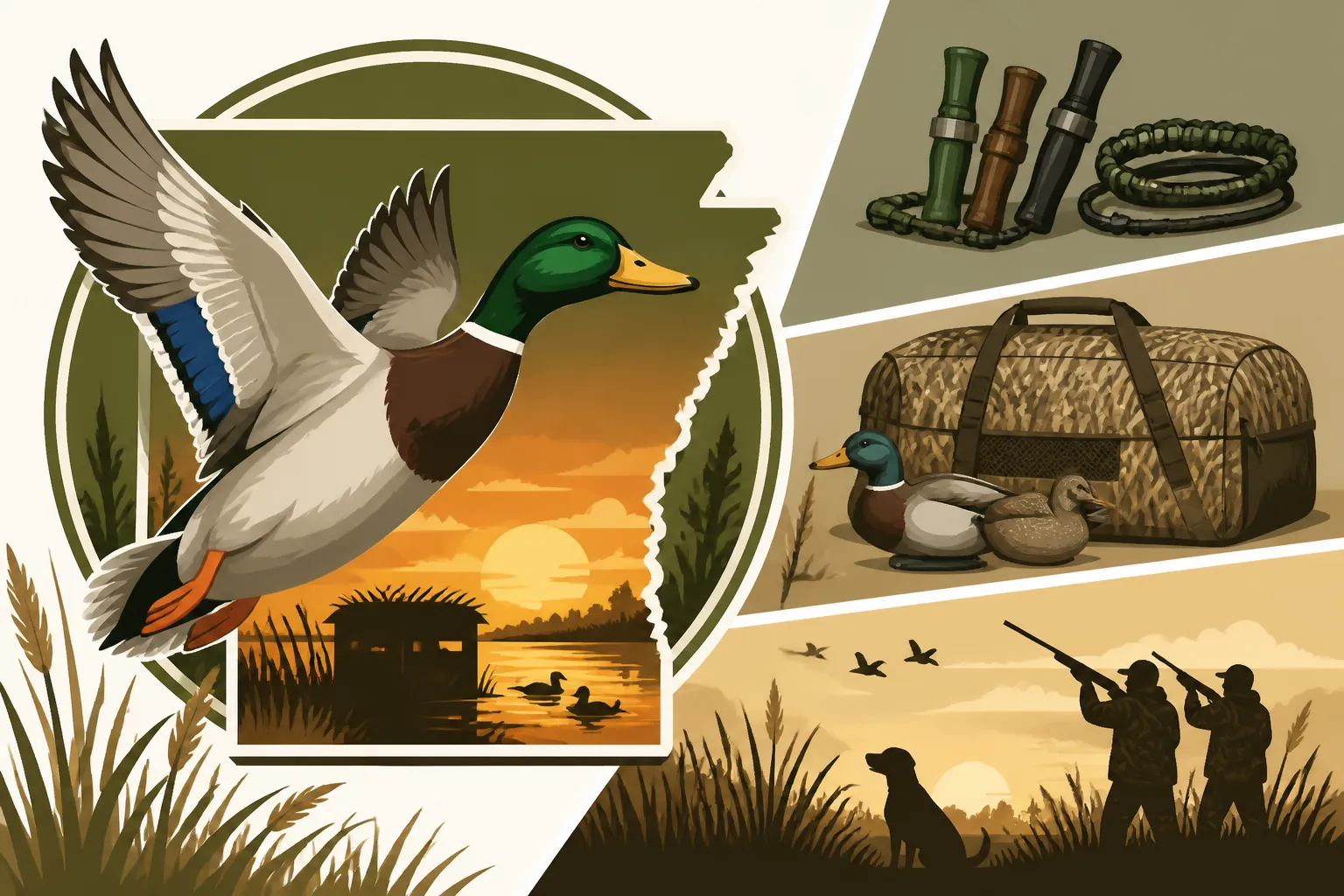
What an Arkansas Duck Package Includes
It's incredibly frustrating, isn't it, trying to figure out exactly what you're getting when you book a duck hunt in Arkansas? You see these beautiful photos, read glowing testimonials, and then you're hit with a price tag that leaves you wondering, "Okay, but what does that actually cover?" As someone who's spent countless hours chasing greenheads and specks across this state, I know the anxiety of wanting to make sure your hard-earned money is going towards a truly memorable, hassle-free experience. This guide is here to unravel the mystery of the typical Arkansas duck package, detailing precisely what you can expect to be included, and just as importantly, what you'll usually need to bring or pay for separately.
The Core Hunting Experience: What's Always Included
When you book an Arkansas duck package, the heart and soul of what you're paying for is the hunt itself. This isn't just a blind lease; it's a curated experience designed to put you in the best possible position to harvest ducks, often on prime private ground that would otherwise be inaccessible.
Guided Hunts and Access to Private Land
The biggest draw for most hunters booking a package is the guided experience and the exclusive access it provides. Outfitters in Arkansas, especially around duck-rich areas like Stuttgart and the surrounding Delta, often lease thousands of acres of waterfowl habitat. This can include flooded green timber, vast rice fields, moist-soil units, and even reservoir edges. This isn't public land where you're competing with a hundred other hunters for a spot; you're typically hunting carefully managed and scouted private ground.
Your guide is much more than just a driver. They're typically seasoned veterans who live and breathe waterfowl. They've spent countless hours scouting, monitoring bird movements, and understanding local conditions. On the morning of your hunt, they'll know precisely which hole in the timber or which corner of a rice field has been holding birds. They'll handle all the logistics – getting you to the blind, setting the decoy spread, and most importantly, calling the ducks. A good guide can make all the difference, transforming a slow morning into a memorable one with their expert calling, reading of bird flight patterns, and ability to adapt to changing conditions. They'll often manage the hunt from start to finish, ensuring your party is comfortable and safe, and maximizing your opportunities. This is the foundation of any good package, offering expertise and access that’s nearly impossible to replicate on your own. For more on the specifics of the season, you might find Arkansas Duck Season Dates helpful in planning.
Decoys, Blinds, and Dog Services
Beyond the guide's expertise and access, the physical setup for the hunt is almost always included in your package. You won't be lugging heavy bags of decoys through knee-deep mud at 4 AM, or struggling to hide in sparse cover. Outfitters provide a complete, ready-to-hunt setup designed for success and comfort.
This means a full spread of high-quality decoys, strategically placed to mimic resting or feeding ducks, drawing in passing flocks. Depending on the habitat, you might find yourself in a custom-built pit blind in a rice field, a comfortable box blind overlooking a slough, or standing waist-deep in a flooded timber hole. These blinds are often brushed in meticulously, providing excellent concealment from wary ducks. Some even offer heaters, making those frigid December mornings a bit more bearable. Perhaps one of the most beloved inclusions is the professional retriever and handler. Unless you've specifically arranged to bring your own dog, the outfitter will provide a well-trained duck dog, usually a Labrador Retriever, who will sit patiently by the blind, marking fallen birds and making quick, efficient retrieves. This eliminates the need for hunters to break cover and wade into cold water to fetch their birds, keeping the hunting experience smooth and uninterrupted. The sight of a skilled retriever working can be as thrilling as the hunt itself. If you're wondering about the differences in hunting environments, Hunting Arkansas Flooded Green Timber and Field and Flooded Rice Duck Hunting in the Delta give great insights.
Accommodations and Sustenance: Beyond the Blind
A true Arkansas duck package extends beyond the actual hunt, encompassing your stay and meals. After a frigid, early morning in the blind, nothing beats a warm, comfortable place to relax and a hearty meal to recharge.
Lodging Options and Amenities
Most reputable Arkansas duck hunting packages include lodging as part of the deal, especially those catering to multi-day hunts. The style and luxury of these accommodations can vary widely, from rustic, charming hunting camps to full-service, upscale lodges. Generally, you can expect a warm, dry place to sleep that’s conveniently located near your hunting grounds.
Many lodges offer shared bunk-style rooms, fostering a communal camp atmosphere where you can swap stories with other hunters. Others provide more private rooms, sometimes with en-suite bathrooms, for those seeking a bit more solitude. Regardless of the style, common amenities often include comfortable beds, heating (crucial in winter!), and a communal living area where hunters can gather to relax, watch TV, or process photos from the day's hunt. Wi-Fi has also become a standard offering at many lodges, allowing you to stay connected if needed. The real charm of these lodges often lies in their ability to provide a true "duck camp" experience – a place where the focus is entirely on the hunt, camaraderie, and comfort after a long day afield. Some lodges even have mud rooms or designated gear drying areas, which are invaluable for managing wet waders and muddy boots. For a deeper dive into what a lodge can offer, check out What an Arkansas Duck Lodge Provides.
Meal Plans: Fueling Your Hunt
Another significant inclusion in most duck packages is a robust meal plan, designed to fuel hunters through demanding days. You'll often find that the food served at these lodges is as memorable as the hunting itself, often featuring classic Southern comfort food.
The day typically starts well before dawn with a quick, energizing breakfast – think coffee, pastries, oatmeal, or breakfast burritos – to get you out the door to the blind. After the morning hunt concludes, usually mid-morning, you'll return to the lodge for a substantial brunch or lunch. This might be anything from hearty sandwiches and soups to full-blown Southern fried chicken, catfish, or BBQ. Dinners are often the highlight, a time for fellowship and recounting the day's adventures over a delicious, home-cooked meal. Expect dishes like roasted duck, steaks, casseroles, and plenty of side dishes, often with dessert. These meals aren't just about sustenance; they're an integral part of the overall experience, providing a chance to unwind, share laughs, and build connections with fellow hunters and your guides. It takes the stress out of figuring out where to eat or having to cook for yourself after an exhausting morning.
Post-Hunt Services: From Field to Freezer
The hunt might be over when the last duck falls, but a good package continues to provide value by handling the often-messy and time-consuming task of processing your birds. This ensures your harvest is cared for properly and ready for its journey home.
Bird Cleaning and Packaging
After a successful hunt, the last thing many hunters want to do is spend hours plucking and cleaning ducks. Thankfully, most Arkansas duck packages include bird cleaning and packaging services. This is a huge convenience, especially after an early start and a cold, wet hunt.
Typically, there will be a designated area or crew at the lodge ready to process your birds. This usually means breasting out the ducks, where the breast meat is removed, leaving the legs and wings attached to one side or the other as required by federal law for species identification during transport. Some outfits might offer full plucking for an additional fee, but breasting is standard. The cleaned meat is then often rinsed, placed into freezer bags, and sometimes vacuum-sealed, preserving its freshness. These services ensure that your ducks are handled hygienically and efficiently, ready for transport home. This inclusion alone can save hours of work and mess, allowing you to focus on the enjoyment of the trip. The specifics of bird cleaning being included is a good question to ask when booking, and Bird Cleaning Included in the Price delves into this more.
Storage, Ice, and Basic Transport Assistance
Once your ducks are cleaned and packaged, a good lodge will also provide secure cold storage and assistance with getting your harvest home. This logistical support is crucial, especially for hunters traveling long distances.
Many lodges are equipped with walk-in freezers or large commercial freezers where your individually packaged duck breasts can be stored, keeping them frozen solid until your departure. On your final day, they'll usually provide ample ice to pack your coolers, ensuring the meat stays frozen or very cold during your drive or flight. While they won't typically ship your birds for you, they'll often offer advice and guidance on federal and state regulations for transporting migratory birds, ensuring you comply with all legal requirements. Some might even have connections with local taxidermists, offering to store or transport capes and heads if you've harvested a trophy bird. This comprehensive approach to post-hunt logistics ensures that the meat from your hunt makes it safely and legally back to your home freezer, preserving the memory of your trip in a delicious way.
What's Not Usually Included (and Why It Matters)
While duck packages are comprehensive, it's vital to understand what's not typically part of the initial price. Overlooking these items can lead to unexpected costs and potential legal issues, so it's best to be prepared.
Licenses, Stamps, and Hunting Permits
This is perhaps the most critical item you need to secure yourself: all necessary hunting licenses, state stamps, and federal stamps. Outfitters are simply not permitted to provide these for you, and you absolutely cannot hunt without them.
For hunting migratory waterfowl in Arkansas, you'll need a valid Arkansas hunting license (resident or non-resident, depending on your status), an Arkansas Waterfowl Stamp, and a Federal Duck Stamp. Additionally, you must be HIP (Harvest Information Program) registered. These must all be purchased before your hunt begins. Many hunters buy them online through the Arkansas Game and Fish Commission (AGFC) website or licensed vendors. Failing to have the proper documentation is a serious offense that can result in hefty fines and the loss of hunting privileges. It's always best to purchase these well in advance of your trip to avoid any last-minute stress or delays. When planning your trip, you'll want to review Arkansas Hunting Licenses and What They Cost and Arkansas Waterfowl Seasons and Zones carefully to ensure you have everything in order.
Ammunition, Shotguns, and Personal Gear
While the blinds, decoys, and dogs are provided, your personal hunting equipment, especially your firearm and ammunition, are always your responsibility. Most hunters prefer to use their own trusted shotgun for comfort and familiarity.
You'll need to bring an appropriate shotgun (12 gauge is most common) and a sufficient supply of non-toxic shot. Remember, federal regulations mandate the use of non-toxic shot for all migratory bird hunting, including ducks. Steel shot is the most common and affordable option, but bismuth and tungsten-iron alloys are also popular. Always check the specific shot size and material restrictions for the area you'll be hunting. Beyond that, personal gear like waders, warm waterproof clothing (layers are key for Arkansas's often unpredictable weather), rain gear, headlamps, and appropriate footwear are essential. Some lodges might offer limited gun rentals for a fee, but it's not standard. You might also want to bring your favorite duck calls, though your guide will be doing most of the calling. Think of it this way: the outfitter provides the "stage" and the "tools" for the hunt, but you're responsible for your "costume" and "primary instrument." If you're new to the area, a quick read of Nontoxic Shot Rules in Arkansas is highly recommended.
Gratuities and "Hidden" Fees
This is one area where many first-time hunters are surprised, but gratuities for your guides and lodge staff are almost never included in the upfront package price. Tipping is customary and expected in the guided hunting industry and forms a significant portion of a guide's income.
It's important to budget for tips for your hunting guide, any dog handlers, and often the lodge staff (cooks, housekeepers). A common guideline is to tip 15-20% of the hunt's value for your guide, possibly split between multiple guides if you have different ones each day. Lodge staff often receive a communal tip. These figures aren't set in stone, but it's a good benchmark. Beyond tips, other "hidden" fees might include alcoholic beverages (if not explicitly stated as included), snacks outside of meal times, items purchased from a lodge gift shop, or any special requests. Always confirm with the outfitter what is and isn't included when you book. Online platforms like BookYourHunt or GoHunt often have detailed listings where outfitters specify what's included and what's extra, making it easier to see these exclusions upfront. Being transparent about these costs ensures everyone has a great experience, and your generosity directly acknowledges the hard work of the people making your hunt possible. To learn more about this crucial aspect, read Tipping Guides and Dog Handlers.
To help visualize the typical inclusions and exclusions, here's a table summarizing what you can generally expect:
| Category | Typically Included in Package | Often Not Included (Hunter's Responsibility) |
|---|---|---|
| Hunting Services | Guided hunts, private land access, decoys, blinds, dog/handler | Personal shotgun, ammunition, calls (optional) |
| Licenses/Permits | State hunting license, state duck stamp, federal duck stamp, HIP registration | |
| Accommodations | Lodge lodging (shared or private rooms) | Personal toiletries, extra snacks/drinks (beyond meals) |
| Meals | Breakfast, lunch/brunch, dinner | Alcoholic beverages, specialty snacks |
| Post-Hunt Services | Bird cleaning (breasting), freezing, ice for coolers | Full bird plucking (sometimes extra), taxidermy services, shipping costs |
| Personal Expenses | Gratuities for guides/staff, souvenirs, incidentals |
Understanding what an Arkansas duck package includes allows you to arrive prepared, relaxed, and ready to enjoy the incredible hunting experience this state has to offer. By taking care of the essentials like licenses and personal gear, and budgeting for the customary gratuities, you ensure your trip is smooth from start to finish, letting you focus on the thrilling moments when mallards cup their wings and drop into the hole.
Disclaimer
This article is for general informational purposes only and does not constitute professional advice. Laws, prices and regulations vary by location and change over time. Consult a qualified professional for guidance on your specific situation.