Getting Ducks Home From Arkansas
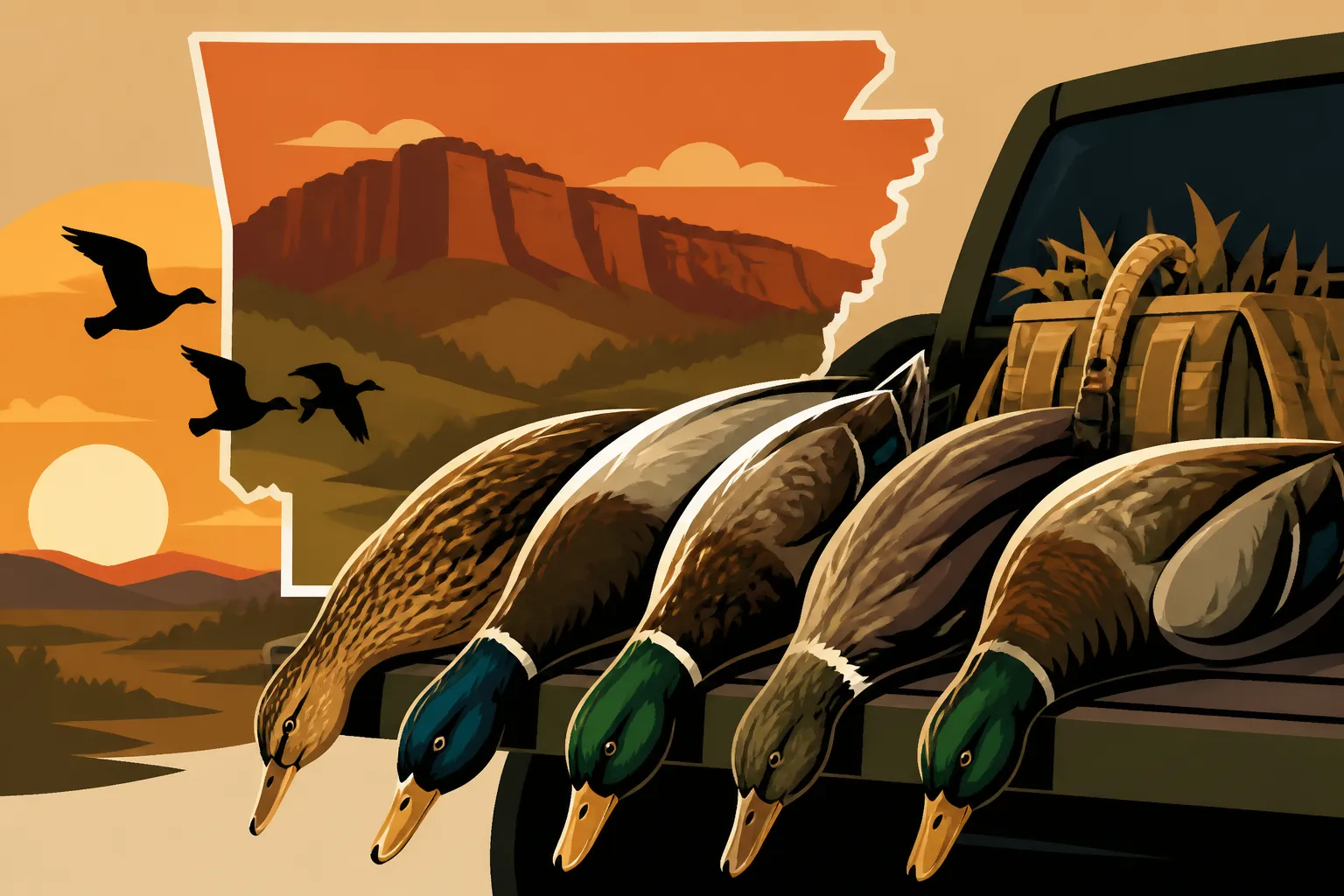
You’ve just had an incredible hunt, the decoys are picked up, and your limit of beautiful Arkansas greenheads and mallards is laid out. That feeling of accomplishment is second to none, but then reality sets in: how on earth do you get all these fantastic birds back home, especially if home is a long drive or a plane ride away? It's a common dilemma that can quickly turn elation into logistical headaches, particularly with migratory bird regulations, fluctuating temperatures, and the sheer volume of birds. This guide is all about helping you navigate the sometimes tricky waters of transporting your hard-earned ducks from the Delta or any other hunting spot in Arkansas safely, legally, and without losing a single piece of delicious meat.
Pre-Hunt Planning: Setting Yourself Up for Success
Before you even step foot in the blind or flooded timber, thinking about how you’re going to handle your harvest is crucial. Trust me, trying to figure this out with a cooler full of warm ducks after a long morning hunt is not ideal. A little foresight goes a long way in ensuring your birds make it home in prime condition.
Cooler Considerations and Ice Management
The size and type of cooler you bring can make or break your bird transport strategy. For most duck hunters, especially those traveling a significant distance, a high-quality, roto-molded cooler is almost a necessity. These coolers hold ice far better than standard models, which is critical when dealing with Arkansas's often surprisingly warm duck season temperatures. Imagine driving ten hours and finding your ice has melted into a lukewarm puddle, risking spoilage. It's a nightmare scenario.
Consider bringing at least two coolers if you plan on taking a limit of ducks over several days. One can be for drinks and snacks, keeping it separate from your game, and the other dedicated solely to your birds. As for ice, you'll need a lot. Block ice lasts longer than cubed ice, so try to find it locally if possible. Many gas stations and grocery stores in towns like Stuttgart or Weiner will have it. Once your birds are breasted and bagged, they should go directly onto a fresh layer of ice, with more ice packed on top. Keeping a good drainage system is also key; you don't want your birds sitting in meltwater, even if it's cold. Some hunters will put a false bottom in their cooler or use freezer bags to prevent direct water contact.
Processing Options: DIY vs. Professional
Deciding whether to process your birds yourself or use a professional service is a big decision, often driven by time, skill, and available facilities. Many hunters enjoy the tradition of cleaning their own game, and if you have a good setup at a camp or lodge, it can be a quick and efficient process. Remember, for migratory game birds in transit, you generally need to leave one fully-feathered wing attached to each bird for identification purposes until you reach your final destination. This is an Arkansas Game and Fish Commission regulation that you absolutely do not want to overlook, as it's a common area for violations.
However, if you're staying at a lodge, especially one popular with traveling hunters, they might offer bird cleaning as part of their services, or for an additional fee. This can be a huge convenience, saving you valuable time and effort. Some will even vacuum seal and freeze your birds for you, which is the gold standard for preservation. If your lodge doesn't offer this, ask about local processors. Many small towns in the Delta that cater to duck hunters will have someone offering these services. Before your trip, if you're booking an outfitter, whether through a service like BookYourHunt or directly, always ask about their game processing and storage options. This information can influence your packing choices and budget.
Preserving Your Prize: Cleaning and Packaging for the Journey
Once the birds are down, the real work of preservation begins. Proper cleaning and packaging are paramount to ensuring the quality of the meat, whether you're driving across state lines or flying across the country.
The Art of Cleaning: Breasting Out and Identification
Most duck hunters choose to breast out their birds, which means removing the breast meat from the bone. This saves a lot of space in your cooler and reduces weight, which is particularly important for air travel. When breasting, you'll typically remove the entire breast plate with meat attached. The Arkansas Duck Daily Bag Limit means you might have a significant amount of meat to process, so efficiency counts.
As mentioned, for identification during transport, leave one fully-feathered wing attached to at least one breast (or the whole bird if you choose to pluck and keep it whole) from each species until you get to your permanent residence. This isn't just an Arkansas rule; it's a federal one for migratory birds. It allows game wardens to identify the species and count towards your daily and possession limits. For example, if you have three mallards and two pintails, you'd need to leave a wing on one breast from each of those five birds until you're back home. Make sure you understand Arkansas Waterfowl Seasons and Zones and bag limits clearly to avoid any issues.
Once the breasts are removed and the wing is left attached (if necessary), rinse the meat thoroughly in cold water to remove any feathers, shot, or dirt. Pat them dry with paper towels as much as possible before packaging. This helps prevent freezer burn and keeps the meat fresh.
Packaging for Freshness
Proper packaging is crucial for preventing spoilage and freezer burn, especially if you plan to keep your ducks in the freezer for an extended period.
- Ziploc Bags: For immediate cooling and short-term transport (e.g., a day or two drive), heavy-duty freezer-grade Ziploc bags work well. Place individual breasts or pairs into bags, squeeze out as much air as possible, and then layer them directly on ice.
- Vacuum Sealing: This is by far the best method for long-term storage and for flying. A vacuum sealer removes all the air, which is the enemy of fresh meat, preventing freezer burn almost entirely. If you have access to one, use it. Some lodges or local processors offer this service. Once vacuum-sealed, the meat can be frozen solid.
- Freezing Solid: Whether in Ziploc bags or vacuum-sealed, freezing your birds solid before transport is the ideal scenario, especially for flights or long drives. This ensures the meat stays cold and safe for much longer. If your lodge or a local processing facility can freeze your birds for you overnight, take advantage of it. This will greatly extend the "safe" window for transport.
Getting Them Home: Transport Methods and Regulations
Now for the big question: how are you actually going to move these delicious ducks from Arkansas to your kitchen? Your options generally boil down to driving, flying, or shipping, each with its own set of rules and considerations.
Driving with Your Harvest
Driving is often the most straightforward option for hunters who aren't flying to Arkansas. You have control over your coolers, and as long as you maintain good ice, your birds should be fine.
- Ice Management is Key: As previously mentioned, use good quality coolers and plenty of ice. Dry ice is an excellent option for long drives, as it keeps contents colder for longer and doesn't melt into water. Just be careful handling it (wear gloves!) and ensure your cooler is vented slightly to prevent pressure buildup. A simple trick for extra insulation is to wrap your frozen, packaged birds in newspaper or a sleeping bag before putting them in the cooler with ice.
- The Wing Rule on the Road: Remember the one fully-feathered wing rule. While game wardens don't typically set up checkpoints solely for duck hunters, they can and do perform traffic stops, especially around popular hunting areas. Being compliant saves you a lot of hassle.
- State Lines: Generally, federal migratory bird laws apply across state lines regarding possession limits and identification. Make sure you don't exceed the federal possession limit, which is typically three times the daily bag limit. If you have questions about specific state laws you'll be driving through, it's always wise to do a quick check, but federal regulations are the primary concern for ducks.
Flying with Frozen Ducks
Flying with game meat can seem daunting, but it's totally doable with a bit of planning. The main concerns are airline regulations, TSA rules, and keeping the meat frozen.
- Airline Specifics: Before you book your flight, check your airline's policy on transporting frozen meat, dry ice, and coolers as checked baggage. Every airline has slightly different rules regarding weight limits, cooler types, and dry ice allowances. Most airlines permit dry ice as checked baggage but have strict limits on the amount (often around 5 pounds per cooler) and require proper labeling and ventilation.
- TSA Guidelines: The Transportation Security Administration (TSA) allows frozen meat in both carry-on and checked bags. However, if it's not completely frozen, the liquid portion (melted ice) will likely not be allowed in carry-on. For checked baggage, completely frozen items present no issue. For dry ice, they have specific rules for checked baggage: the package must be vented, and the cooler must be clearly labeled as containing dry ice, showing the net weight of the dry ice.
- Packing for Flight: For optimal results, vacuum seal your birds and freeze them solid beforehand. Pack them tightly in a high-quality cooler. Use dry ice if permitted and if you can source it reliably at your departure point. Otherwise, a generous amount of gel packs (frozen solid) can work, though they don't last as long as dry ice. Tape your cooler securely and label it clearly with your name, address, and contact information. Remember, the goal is to keep the meat frozen for the entire journey, which can be challenging with layovers.
- Checked Baggage Fees: Be prepared for potential oversized or overweight baggage fees. Coolers full of frozen ducks can be heavy! Factor this into your budget.
Shipping Your Birds Home
If driving or flying with your birds isn't feasible, shipping them via a specialized service like UPS or FedEx is another option. This is usually the most expensive route but offers convenience.
- Specialized Shipping: Both UPS and FedEx offer services for shipping perishable goods. You'll want to use their express or overnight services, which can be costly. You'll need a sturdy, well-insulated shipping container (often styrofoam-lined boxes) and plenty of dry ice or gel packs to keep the contents frozen solid.
- Regulations and Drop-Off: Just like with airlines, you'll need to adhere to their specific packaging, labeling, and dry ice regulations. You typically can't just drop off a regular cooler. Some hunters find it easier to coordinate with a local outfitter or processor who already has experience shipping game, as they often have the right materials and know the protocols. If you've found an outfitter through GoHunt or similar resources, inquire if they offer game shipping as a service.
- Cost vs. Convenience: Shipping is often reserved for those who simply cannot drive or fly with their harvest. It provides peace of mind that your birds are handled professionally and quickly, but the cost can add up, especially for multiple limits of ducks.
Navigating the Rules: Federal and State Regulations
Understanding the regulations around transporting game birds is critical. Ignorance of the law is not an excuse, and violations can lead to fines, confiscation of game, and even loss of hunting privileges.
Arkansas Game and Fish Commission (AGFC) Rules
The AGFC, in conjunction with federal guidelines, sets the rules for possessing and transporting migratory game birds. The most important rule for hunters traveling home is the requirement to leave one fully-feathered wing attached to each migratory bird until it reaches your "permanent residence." This isn't just a suggestion; it's a legal requirement. Failure to do so could result in a citation. Ensure you've read up on Arkansas Deer Checking and Tagging rules for deer, as those regulations are separate but equally important for big game.
| Transport Method | Key Considerations | Pros | Cons |
|---|---|---|---|
| Driving | Ample cooler space, ice/dry ice supply, "wing rule" | Most control, cost-effective for individuals, flexible stops | Long travel times, heavy coolers, risk of spoilage if not well-packed |
| Flying | Airline rules (weight, dry ice), TSA rules, pre-frozen | Fastest for long distances, convenient for non-drivers | High baggage fees, strict rules, less control over handling |
| Shipping | Expedited service, specialized packaging, dry ice | Most convenient, professional handling, tracking | Most expensive, less personal oversight |
Federal Migratory Bird Treaty Act
The Migratory Bird Treaty Act (MBTA) is a federal law that applies across the entire United States. It outlines the rules for hunting, possessing, and transporting migratory birds, including ducks. Key aspects relevant to transport include:
- Possession Limits: You cannot possess more than the federal possession limit, which is typically three times the daily bag limit. So, if the daily bag limit for mallards is six, your possession limit would be eighteen. This applies across all forms of transport.
- Identification: The one-wing-attached rule is a federal requirement, designed to allow identification of species and ensure hunters are within their legal limits. Once the birds reach your permanent residence, you can fully process them.
- Tagging: While primarily for big game, ensure any birds given to another person are properly tagged with the hunter's name, address, date of harvest, and species count. This applies whether you're gifting a few breasts to a friend or leaving some with an outfitter.
Remember that Arkansas also has rules regarding Nontoxic Shot Rules in Arkansas for waterfowl, which, while not directly related to transport, are crucial to adhere to during the hunt itself. Staying informed on all aspects of Arkansas hunting is part of being a responsible sportsman.
Bringing your ducks home from an incredible Arkansas hunt doesn't have to be a source of stress. With a little planning, understanding the regulations, and choosing the right transport method for your situation, you can savor those delicious memories long after the hunting season ends.
Disclaimer
This article is for general informational purposes only and does not constitute professional advice. Laws, prices and regulations vary by location and change over time. Consult a qualified professional for guidance on your specific situation.