Reporting an Outfitter to AGFC
There's nothing quite as exciting as booking a guided hunt in Arkansas, full of anticipation for big ducks in the timber or a trophy buck in the Ozarks. But sometimes, things can go wrong. If you find yourself in a situation where you suspect an outfitter or guide has committed a wildlife violation, knowing how to report it to the Arkansas Game and Fish Commission (AGFC) is crucial. This guide will walk you through what to look for, how to gather evidence, and the steps to take to ensure your concerns are heard and properly investigated.
Understanding What Constitutes a Reportable Offense
It’s easy to feel frustrated when a hunt doesn’t go as planned. Maybe the weather was terrible, the birds weren't flying, or the deer just didn't show up. These are often just the realities of hunting, and they don't necessarily mean an outfitter did anything wrong. However, there's a clear line between a disappointing experience and an actual violation of Arkansas's wildlife laws. Understanding this distinction is the first step in deciding whether a report to the AGFC is warranted. We're talking about actions that directly break established regulations, not just a bad day in the blind or stand.
Common Violations by Outfitters
When an outfitter or guide crosses that line, it usually involves specific illegal activities. These aren't minor oversights; they are breaches of the laws designed to protect our wildlife resources and ensure fair chase. For instance, imagine a scenario where the guide consistently pushes hunters to exceed their daily bag limit on ducks, perhaps by retrieving birds shot by clients who have already reached their legal take. Or, consider a deer hunt where the guide instructs clients to shoot more antlerless deer than permitted in that specific zone or during a time when only antlered bucks are legal. These are direct violations of regulations set by the AGFC.
Another serious offense could be hunting out of season. If a guide takes clients out for a "special early season" that doesn't actually exist on the official calendar, or attempts to hunt a species when its season is closed, that's a clear violation. Unpermitted land use is also a significant issue. An outfitter claiming to have exclusive access to prime hunting ground, but then leading clients onto public land without the necessary WMA permits, or even worse, onto private land without permission, is breaking the law. This not only puts the clients at risk of legal trouble but also undermines the trust between hunters and landowners.
Illegal baiting practices are also a common area for violations, particularly for deer and bear hunting. If an outfitter is placing corn, minerals, or other attractants in a manner or location that violates AGFC baiting regulations, they are not only conducting an illegal hunt but potentially habituating wildlife in harmful ways. Similarly, license violations, such as an outfitter operating without a valid commercial guide license, or encouraging clients to hunt without the proper Arkansas Hunting Licenses and What They Cost, are serious. Finally, outright unsafe practices, like operating a boat recklessly in flooded timber or handling firearms negligently, while potentially more of a safety issue than a wildlife violation, can often fall under the AGFC's purview if it involves hunting activity or public lands, and certainly warrants attention.
Differentiating Between a Poor Experience and a Violation
It's really important to draw a clear line between what simply makes for a bad hunt and what constitutes an actual game law violation. We've all had those days in the field where everything just goes wrong. The weather turns sour, the game isn't moving, or your shot just isn't on. Maybe you booked a duck hunt in the Delta and the birds just never showed up, or a deer hunt in the Ozarks during a period of low activity, despite the guide's best efforts. These are unfortunate parts of hunting, often out of the guide's control. A guide can't guarantee you a limit or a trophy; they can only promise an honest effort to put you in a position for success within the bounds of the law.
Think about it this way: if your guide works hard, knows the land, and adheres to all the Arkansas Deer Seasons and Zone Limits and Arkansas Waterfowl Seasons and Zones, but you still don't harvest anything, that's just hunting. It's a bummer, for sure, but it’s not illegal. A report to the AGFC in such a situation would likely be unfounded. Their role is to enforce wildlife laws, not mediate disputes over perceived value or lack of success. You might leave a negative review for a frustrating experience, which is completely fair, but it doesn’t rise to the level of a legal infraction.
However, if that same guide told you to shoot an extra duck because "nobody's watching," or set up a bait pile in a CWD-restricted zone against regulations, or took you onto a Arkansas WMA Permits and Draw Hunts area without the proper permits, then you've got a problem that goes beyond a bad day. These actions directly threaten wildlife populations, compromise fair chase, and violate the laws that all hunters, guided or otherwise, are expected to uphold. It's about ethics and legality, not just a full game strap.
The Importance of Documentation and Evidence
Reporting a violation to the AGFC isn't like complaining about a bad meal; it requires concrete information. The AGFC can't investigate a vague accusation. They need facts, dates, times, and tangible evidence to build a case. Without solid documentation, even a legitimate complaint might not lead anywhere, and that's a frustrating outcome for everyone involved. Think of yourself as a detective, gathering the pieces of the puzzle that will help the authorities understand what happened.
What Information to Collect
When you're dealing with a suspected outfitter violation, the more specific details you can provide, the stronger your report will be. Start with the basics: the full name of the outfitter or guide service, if you know it, and the names of any individual guides involved. Crucially, note the exact dates of the hunt and the specific location where the violation occurred. Was it on a particular body of water, a specific field, or a certain section of public land? Pinpointing the 'where' is incredibly important for investigators.
Beyond those fundamentals, think about anything that can visually or audibly back up your claim. Photographs are incredibly powerful. Did you see illegal bait? Take a picture of it, ideally with some context like nearby landmarks or the guide in the frame if it's safe and appropriate. Did the guide instruct you to exceed a bag limit? A discreet video recording, if legal in your specific situation (always check state laws on recording), could be vital. Jot down license plate numbers of vehicles used by the outfitter or other hunters involved. If there were other hunters or staff present who witnessed the violation, try to get their names and contact information. They could serve as corroborating witnesses. Even seemingly small details, like the type of boat used, the brand of decoys, or distinctive clothing worn by the guide, can help an AGFC officer connect the dots during their investigation.
Preserving Evidence Safely
Collecting evidence is one thing, but making sure it’s preserved properly is just as critical. You don't want to accidentally compromise its integrity or lose it before you can share it with the AGFC. For photos and videos, the best practice is to immediately back them up. Email them to yourself, upload them to a cloud storage service, or transfer them to a computer. This protects against accidental deletion or damage to your phone or camera. Don't edit or alter the original files in any way; investigators need to see the raw, unaltered evidence. If you took notes, keep them in a safe place. Consider writing a detailed narrative of events as soon as possible after they occur, while the details are fresh in your mind. This chronological account can be invaluable, especially if the investigation stretches out over time.
Think about creating a dedicated folder on your computer or cloud drive where you can store all relevant information – photos, videos, written statements, contact details of witnesses, and any communication you might have had with the outfitter (emails, texts). This organized approach will make it much easier to present your case clearly and comprehensively when you contact the AGFC. Remember, the goal is to provide the authorities with everything they need to conduct a thorough and successful investigation, and that means keeping your evidence secure and untainted.
Here's a quick checklist to help you gather and preserve evidence:
| Information Type | Specific Details to Collect | Preservation Tips |
|---|---|---|
| Outfitter/Guide Info | Full name of service/individuals, contact details | Write down immediately, include in your narrative |
| Date & Time of Incident | Exact dates and approximate times of violations | Note in a journal, include in any written statements |
| Location of Incident | Specific hunting area (GPS coordinates if possible), landmarks, WMA name | Pin on a map, describe clearly, take photos of surrounding area |
| Nature of Violation | Detailed description of the illegal activity | Write a chronological narrative while fresh, include specific quotes |
| Visual Evidence | Photos or videos of violations, bait, equipment | Back up immediately (cloud, email), do NOT alter original files |
| Witnesses | Names, contact information of other hunters/staff | Secure permission to share contacts, note their observations |
| Vehicle Information | License plate numbers, make/model/color of vehicles | Take photos, write down details, note any distinguishing features |
| Communication | Emails, texts, booking confirmations, contracts | Save digital copies, print physical copies, highlight relevant sections |
| Physical Evidence (if applicable) | Spent shell casings (if illegal firearm), game tags, etc. | Handle minimally, store in a sealed bag, do not contaminate |
The Step-by-Step Process for Reporting to the AGFC
Once you've gathered your thoughts and any available evidence, the next step is to actually make the report. It can feel a little intimidating to call the authorities, but remember, the AGFC is there to protect Arkansas's wildlife and uphold fair hunting practices for everyone. They rely on concerned citizens to bring potential violations to their attention, especially when they occur in more remote areas or are orchestrated by individuals who know how to skirt the rules.
Initial Contact with the AGFC
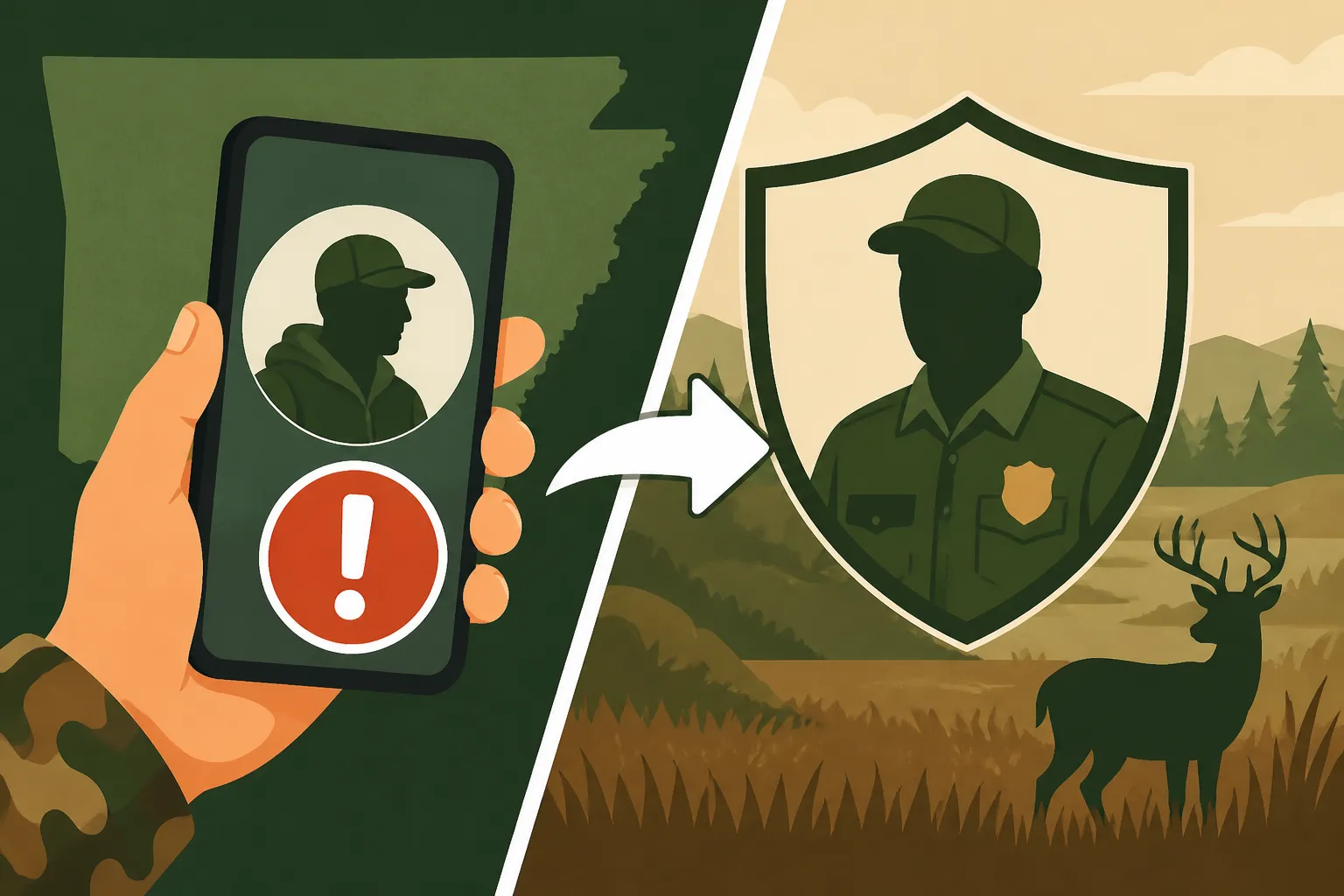
The most direct and often most effective way to report a wildlife violation in Arkansas is through the AGFC's "Operation Game Thief" program. This is a dedicated hotline designed specifically for reporting game and fish violations. You can call them toll-free at their advertised number, which is staffed to take these reports. When you call, be prepared to calmly and clearly relay all the information you've collected. Start with the most critical details: who, what, where, when, and how. Explain the nature of the violation you witnessed or suspect, provide the outfitter's information, and describe the location and dates.
If calling isn't an option or you prefer a written record, many agencies, including the AGFC, offer online reporting forms on their official website. This can be a good way to ensure all your documented evidence can be systematically uploaded. You can also contact your local AGFC office directly, or even stop by if you're in the area and prefer to speak with an officer in person. Regardless of the method you choose, make your report as timely as possible. The fresher the evidence and the more recent the incident, the better chance the AGFC has to investigate effectively. Don't wait weeks or months; report it as soon as you are safe and able to do so. Your quick action can make a real difference in preventing further violations and holding offenders accountable.
What to Expect After Filing a Report
After you've filed your report with the AGFC, it's natural to wonder what happens next. The first thing to understand is that investigations take time, and often, due to the nature of law enforcement, much of the process will happen behind the scenes and remain confidential. Don't expect daily updates or to be privy to every step the game wardens take. Their priority is building a solid case, which sometimes requires discreet surveillance, interviews, and further evidence collection, all of which benefit from confidentiality.
The AGFC will review your report and the evidence you've provided. If they deem it credible and actionable, they will assign an officer to investigate. This could involve contacting the outfitter, interviewing witnesses (including you, if you've given permission and they need more details), visiting the location of the alleged violation, and cross-referencing information. Depending on the complexity of the case, this process can take weeks or even months. Remember that not every report leads to an arrest or conviction; sometimes, there isn't enough evidence, or the situation doesn't meet the threshold for a prosecutable offense. However, your report still serves an important purpose by bringing potential issues to the AGFC's attention, contributing to their intelligence gathering, and helping them monitor trends in illegal activity. You might receive a follow-up call if the officers need clarification or additional details, but generally, the AGFC will only contact you again if your involvement is needed in court, which is rare for most reporting parties. The important thing is that you've done your part to uphold the integrity of hunting in Arkansas.
Avoiding Issues: Due Diligence Before Booking
While it's good to know how to report a problem, the best-case scenario is to avoid encountering one in the first place. Doing your homework before you ever hand over a deposit can save you a lot of headache, disappointment, and even potential legal trouble down the road. A little bit of upfront research can go a long way in ensuring your Arkansas hunting adventure is memorable for all the right reasons.
Researching Outfitters Thoroughly
Before you commit to a guided hunt, take the time to really dig into the outfitter's reputation and track record. Don't just go by what's on their website or in their brochure. Start by searching for online reviews and testimonials on independent platforms. Sites like BookYourHunt or GoHunt can be a good starting point for finding outfitters and seeing initial feedback, but always look for reviews beyond those sites too. A quick search of the outfitter's name combined with "reviews" or "complaints" can sometimes reveal past issues that aren't highlighted on their own marketing materials. Pay attention to consistent themes in reviews, both positive and negative.
Beyond online reviews, always ask for references from past clients, and make sure to actually call them. When speaking with references, don't just ask if they had a good time. Ask specific questions: "Did the guide adhere to all bag limits?" "Were the hunting grounds as advertised?" "Did they provide a clear explanation of all rules and regulations?" "How did they handle unexpected issues like bad weather or low game activity?" Inquire about the experience of Checking an Arkansas Outfitter's Reputation more broadly. A reputable outfitter will be happy to provide references and answer your questions transparently. Be wary of any outfitter who seems evasive or reluctant to connect you with previous clients. This pre-booking investigation is your best defense against a potentially problematic hunting trip.
Understanding Contracts and Agreements
Once you've narrowed down your choices and feel good about an outfitter, don't skip over the formal agreement process. A solid contract isn't just a formality; it's your legal protection. Before you sign anything or send a deposit, read the contract thoroughly – every single word. Look for clear details on what's included in the price: lodging, meals, guide services, transportation during the hunt, bird cleaning, and so on. Make sure the dates of your hunt are explicitly stated and that the species you're hunting is clearly identified. This might seem obvious, but ambiguity can lead to misunderstandings later.
Beyond what's included, pay close attention to the financial terms. What's the deposit amount, is it refundable, and under what circumstances? What are the cancellation policies? What happens if the weather makes hunting impossible, or if a specific green timber area is closed due to AGFC regulations (a common issue in Arkansas duck hunting)? A reputable outfitter will have clear clauses addressing these contingencies. Also, understand who is responsible for what. Does the contract state that the outfitter is not responsible for your actions or for ensuring you have a valid license? This is standard, but you need to be aware. Finally, don't hesitate to ask questions about anything in the contract that you don't understand or that seems unclear. If an outfitter is unwilling to clarify or amend reasonable requests, that's a significant red flag. Understanding your Outfitter Contracts and Deposits in Arkansas is vital. It’s better to iron out all these details upfront than to face unexpected problems once you're already in the field.
Disclaimer
This article is for general informational purposes only and does not constitute professional advice. Laws, prices and regulations vary by location and change over time. Consult a qualified professional for guidance on your specific situation.