Checking an Arkansas Outfitter’s Reputation
A bad hunting trip can feel like a punch to the gut, especially after you've invested your hard-earned money, precious vacation days, and soaring hopes into a dream Arkansas hunt. Nobody wants to arrive at a lodge only to find it's not what was promised, or worse, that the experience falls flat. This guide is all about empowering you to thoroughly investigate and understand an Arkansas outfitter's reputation before you ever sign on the dotted line, helping you avoid disappointment and ensure a memorable, ethical, and successful adventure.
Why Reputation Matters So Much in Arkansas Hunting
When you’re planning a hunting trip, especially to a premier destination like Arkansas, it’s not just about the moment you pull the trigger or call in a gobbler. It’s an entire experience, from the anticipation leading up to the trip, to the journey there, the time spent in camp, and the stories you’ll tell for years to come. A guide or outfitter can make or break that experience, which is why their reputation isn't just a nicety; it’s everything.
The Investment in a Hunt
Let's be honest, hunting in Arkansas, especially for highly sought-after species like ducks or deer, isn't a cheap endeavor. You’re shelling out good money for licenses and stamps, sometimes even multiple state-specific permits depending on what you're chasing. Then there’s the cost of travel – gas, flights, lodging before or after the hunt. Don't forget the specialized gear you might need, from waders to calls, and the cost of processing your game. Arkansas Hunting Licenses and What They Cost can really add up. This financial outlay is significant for most of us, representing a considerable portion of our discretionary income.
Beyond the money, consider the time. For many, a hunting trip represents precious vacation days, often hard-won and limited. You might be taking time away from work, from family, all with the singular goal of immersing yourself in the hunt. There's an emotional investment too, the building excitement, the scouting of maps from afar, the dreams of that perfect shot. To have that investment squandered by a poorly run operation, or worse, an unethical one, is heartbreaking.
The Promise Versus Reality
Outfitters paint a picture, usually a beautiful one, of roaring mallards in flooded timber or big bucks stepping out into a food plot. They use incredible photography, highlight reels, and glowing testimonials to draw you in. And often, they deliver. But sometimes, what’s promised in the glossy brochure or on their slick website doesn’t quite match the reality on the ground. You might find yourself in overcrowded blinds, facing pressure to shoot at birds too far out, or perhaps the guide just isn't putting in the effort you expected.
Imagine showing up for a waterfowl hunt, picturing yourself knee-deep in water amongst cypress trees, only to be led to a field blind far from any natural cover, or a timber hole that's been hammered by hunters all week. Or perhaps you booked a deer hunt during the peak rut, expecting unpressured deer, but find yourself constantly battling other hunters, an issue often encountered if an outfitter runs too many clients on too little ground. Hunting Pressure on Arkansas WMAs is a reality even on private lands if not managed well. The stark contrast between expectation and reality can turn a dream hunt into a frustrating disappointment, and that's precisely what we're trying to avoid.
Where to Start Your Research: The Digital Footprint
In today's connected world, an outfitter's online presence is often the first place hunters look. It's a goldmine of information, but it also requires a discerning eye to separate genuine insights from marketing fluff. Learning how to effectively scrutinize these digital traces is your crucial first step.
Website and Social Media Scrutiny
Start with their official website. Is it professional, well-maintained, and up-to-date? Look for current season dates, recent photos, and blog posts. A website that hasn't been updated in years, still showing photos from a decade ago, can be a red flag. Are the photos specific to Arkansas, showing the local flora, fauna, and hunting conditions? Or do they look like generic stock photos of hunters and game that could be from anywhere? Pay attention to the details in the background.
Move on to their social media presence – Facebook, Instagram, YouTube. Do they post regularly? Are the comments from real people, or does it look like a curated echo chamber? Look at the dates of their posts. Are they active during the actual hunting seasons or just when they’re trying to book hunts? What kind of content do they share? Is it focused solely on hero shots, or do they offer tips, showcase their property, or highlight the client experience beyond just the harvest? A truly transparent outfitter will often share photos that show the broader experience, not just grip-and-grins.
Online Reviews and Testimonials
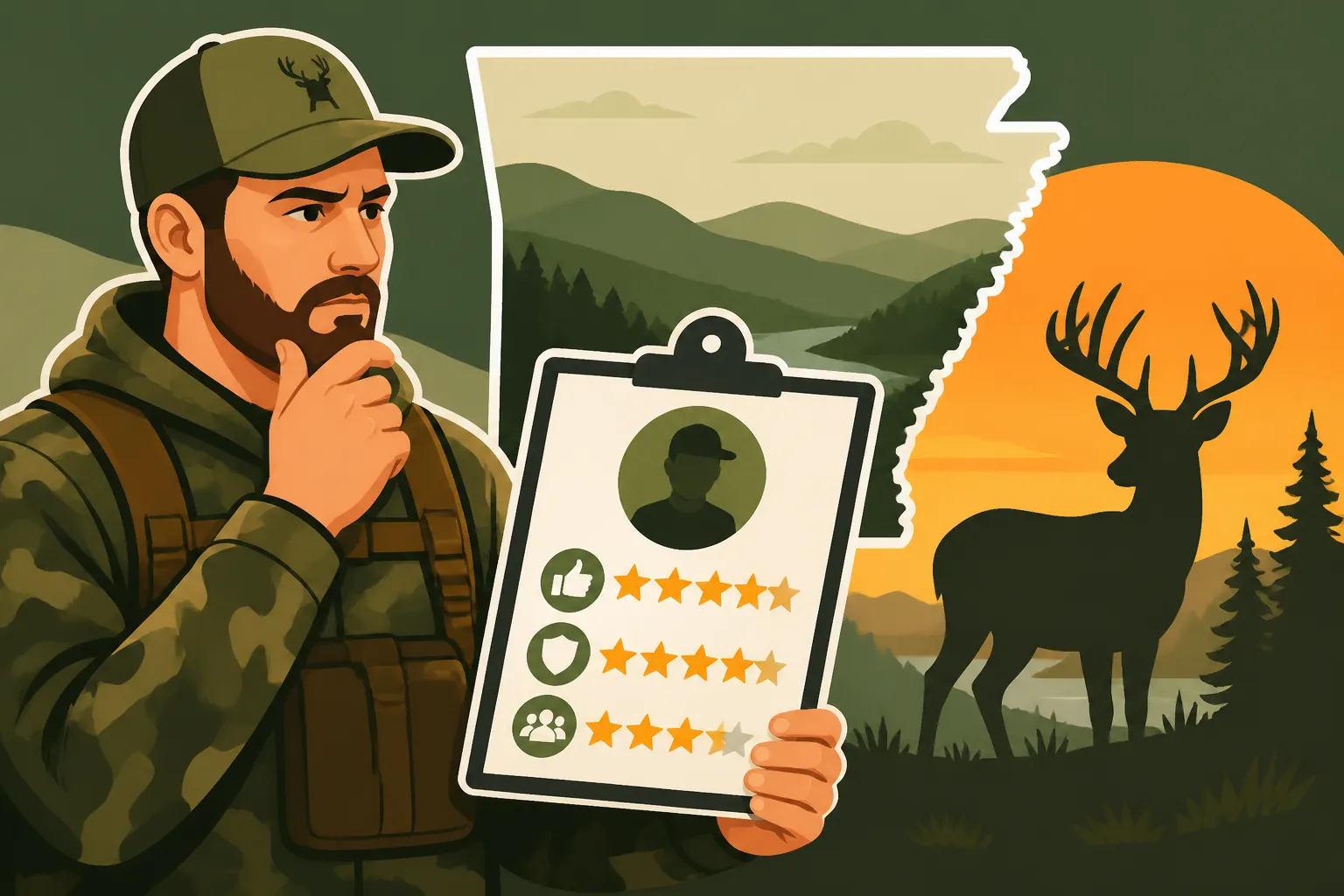
This is where the rubber meets the road. Platforms like Google Reviews, Facebook Reviews, and specialized hunting booking sites are invaluable. When you’re scrolling through, don’t just look at the star rating. Dive into the comments. Look for reviews that offer specific details about the guides, the hunting grounds, the lodge, the food, and the overall atmosphere. Generic five-star reviews ("Great hunt!") are less helpful than detailed accounts that mention specific guides by name, describe a particular blind, or recount a challenging but ultimately rewarding day.
Be wary of an outfitter with only perfect five-star reviews spanning years. It’s rare for every single client to have a flawless experience, and a few constructive criticisms, handled professionally by the outfitter, can actually be a positive sign of transparency. Also, check the dates of the reviews. Are they all recent, or do they trail off years ago? Pay attention to how the outfitter responds to negative feedback. A polite, measured, and problem-solving response is far better than a defensive or absent one. This is where platforms like BookYourHunt can be particularly useful, as they often feature verified reviews from hunters who have actually booked through their service, adding a layer of authenticity you might not find elsewhere. For more insights on what other hunters say, you can read Where Hunters Post Arkansas Outfitter Reviews.
Digging Deeper: Beyond the Highlight Reel
Once you've scoured their digital footprint, it's time to get a more personal and nuanced understanding of what an outfitter truly offers. This means direct interaction and critical evaluation of their claims.
Asking for References Directly
A reputable outfitter will always be happy to provide a list of references. This isn't just about getting a list of names; it's about seeing who they connect you with and how those past clients speak about their experience. Don't be shy about asking for at least three to five references, and insist on speaking with clients from the previous season or two, rather than someone who hunted with them ten years ago. Also, ask for references who pursued the same type of hunt you're interested in – a duck hunter's experience might be very different from a deer hunter's.
When you call these references, be prepared with specific, open-ended questions. Don’t just ask, "Was it a good hunt?" Instead, try: "Could you describe a typical hunting day, from morning wake-up to the end of the day?" "What were the guides like, and how was their knowledge of the area?" "Did the actual hunting conditions match what was advertised?" "Were there any unexpected challenges, and how did the outfitter handle them?" "Would you book with them again, and why or why not?" A solid reference will be enthusiastic, provide details, and maybe even share a minor negative that was handled well. For more on this, check out References Calls Worth Making.
Understanding Success Claims and Statistics
Every outfitter loves to tout their success rates. "90% kill rate!" "Limits every day!" While impressive on the surface, these claims need careful dissection. First, ask how "success" is defined. Does a "90% kill rate" mean 90% of hunters shot an animal, or 90% had an opportunity at an animal, or 90% saw an animal? There's a big difference. Sometimes, a high kill rate can imply heavy pressure on hunters to take marginal shots, or that the outfitter is managing a canned hunt-like experience, which isn't what most ethical hunters are looking for.
In Arkansas, especially for deer or turkey, understanding the specific zone, game population, and hunting pressure is crucial context for any success claim. A high harvest number in a specific area could mean excellent management, or simply that the outfitter has access to prime ground. Ask about their average harvest weights, antler scores, or species breakdown. Are they targeting mature animals, or just filling tags? Forums on sites like GoHunt can be a great place to cross-reference these claims, as experienced hunters often discuss what realistic success looks like in specific regions of Arkansas, helping you discern genuine achievement from marketing spin. You can delve deeper into what these claims really mean by Reading Outfitter Success Claims.
Getting Specific: Questions to Ask Potential Outfitters
Once you’ve gathered initial impressions and vetted references, it’s time to get down to the nitty-gritty. Direct, pointed questions will help you uncover the practical realities of your potential hunting adventure. Don't be afraid to ask anything that matters to you; a professional outfitter will appreciate your thoroughness.
Operational Details and Logistics
Start with the basics of how the hunt actually runs. How many hunters will be in camp or in the field at one time? Will you be in a private party, or grouped with strangers? What's the typical guide-to-hunter ratio? One guide for every two hunters is often ideal for a quality experience, allowing for personalized attention and less pressure. For waterfowl, how many hunters are in a blind, and how many blinds does the outfitter operate concurrently? Too many hunters in too small an area can quickly degrade the experience.
Ask about transportation to and from the hunting grounds. Is it via ATV, UTV, boat, or do you hike? What kind of physical fitness level is expected? What gear do they provide, such as blinds, decoys, or calls, and what are you expected to bring? Clarify the daily schedule: what time do you wake up, head to the field, break for lunch, and return? Knowing these details prevents surprises and helps you pack appropriately. Remember, understanding Acreage and Water an Outfitter Controls will also give you insight into potential hunting pressure and opportunities.
Hunter Experience and Ethical Practices
Beyond just the logistics, dig into their philosophy and approach to hunting. How do they handle wounded game? Do they have a policy for tracking, and for how long? This is critical for ethical hunting and demonstrates their respect for the animals. What is their stance on shooting limits and respecting regulations? A good outfitter will prioritize ethical hunting and conservation over simply getting a kill.
Ask about their guides' experience and local knowledge. Are they full-time professionals, or part-time seasonal help? How long have they been guiding in that specific area? A seasoned guide who knows the local terrain, game movement patterns, and current conditions will make a significant difference. You might also inquire about their CWD protocols if you’re hunting deer in a management zone, or their non-toxic shot rules if waterfowl hunting. Understanding how an outfitter maintains their reputation for ethical conduct can also provide peace of mind. Nobody wants to be involved in Wildlife Violations on a Guided Hunt, even unknowingly.
The Red Flags: Warning Signs to Watch For
Even after diligent research, sometimes little things pop up that just don't feel right. Learning to identify these "red flags" can save you from a costly and frustrating experience. Trust your gut, but also understand what objective indicators suggest trouble.
Lack of Transparency or Evasion
A reputable outfitter should be an open book. If you ask a direct question about their success rates, their hunting ground, their guides, or their policies, and you get a vague, evasive, or overly complicated answer, that’s a red flag. For instance, if they can't clearly articulate their cancellation policy or simply say, "we'll work it out," without putting it in writing, that's a problem. Similarly, if they refuse to provide references or only offer one or two friends, they might be hiding something.
Another sign of poor transparency is a stark difference between what their website shows and what they tell you on the phone. Are their "trophy photos" current, or do they seem to be from a bygone era? If you feel like you’re pulling teeth to get basic information, or if they seem annoyed by your questions, consider that a warning. They should be eager to help you feel confident in your booking. For a deeper dive into these kinds of issues, consult Red Flags When Booking in Arkansas.
Unrealistic Guarantees and Pressure Tactics
Be extremely wary of any outfitter who "guarantees" a kill or promises "100% success." Hunting is hunting, and while skill, preparation, and good conditions increase your odds, nothing is ever truly guaranteed when dealing with wild animals. Such guarantees often imply unethical practices, like operating on extremely small, high-fenced areas (which are rare and heavily regulated in Arkansas for wild game), or pressuring hunters to shoot at young or less-than-ideal animals just to fill a quota.
Sales pressure is another significant red flag. If an outfitter tries to push you into booking immediately with phrases like, "We only have one spot left, you have to book now!" or "This price is only good for the next 24 hours," take a step back. While spots can fill up, especially for prime dates, high-pressure sales tactics are often used by those who know their operation won't stand up to scrutiny. A good outfitter, with a solid reputation, lets their services speak for themselves and understands that clients need time to make an informed decision. This is where platforms like BookYourHunt can really help, as they standardize booking processes and generally remove high-pressure sales tactics, allowing you to compare options calmly.
Understanding Contracts and Guarantees
The contract isn’t just a formality; it’s your best friend. It outlines the expectations, responsibilities, and protections for both you and the outfitter. Skimping on understanding it can lead to massive headaches and financial losses down the road.
What to Look For in a Contract
A comprehensive, written contract is non-negotiable. Verbal agreements are almost impossible to enforce if something goes wrong. Your contract should explicitly state the hunt dates, the species you're hunting, the number of hunters in your party, and the total cost, including what is and isn't included (e.g., tags, meat processing, taxidermy, airport transfers). Are there any hidden fees or surcharges not mentioned upfront?
Crucially, the contract needs to detail the payment schedule, including deposit amounts and final payment due dates. It should also clearly define the outfitter's obligations regarding lodging, meals, guiding services, and transportation during the hunt. Pay special attention to any liability waivers you're asked to sign – understand what risks you are assuming. A well-written contract should protect both parties, leaving no room for ambiguity. For a complete understanding of what should be included, refer to What an Arkansas Contract Should Say.
Refunds, Cancellations, and Weather Policies
This section of the contract is perhaps the most important for safeguarding your investment. Life happens, and sometimes plans change. What is the outfitter's policy if you need to cancel? Is your deposit refundable, partially refundable, or transferable to a future date? What are the deadlines for these actions? Understand that deposits are often non-refundable, as they secure your spot and compensate the outfitter for lost opportunities if you cancel late.
Equally important, what happens if the outfitter has to cancel or alter the hunt due to unforeseen circumstances, such as severe weather, flooding (a real concern for Arkansas duck hunting), or unexpected closures? Will they offer a full refund, a partial refund, or a credit for a future hunt? Specifically for Arkansas, where weather can be unpredictable, ask about their policy for "no-fly days" for ducks or extreme heat during early deer season. Some outfitters will have clear provisions for Weather Days and Who Absorbs Them. If these crucial details are not clearly spelled out, demand clarification in writing before you commit.
Leveraging Third-Party Platforms and Forums
While direct communication and personal references are vital, the collective wisdom of the hunting community and specialized booking services can add immense value to your research process. These resources offer broad perspectives and often independent verification.
Specialized Hunting Booking Sites
In recent years, platforms dedicated to booking hunting trips have become incredibly sophisticated. Sites like BookYourHunt serve as intermediaries, connecting hunters with outfitters worldwide. The major advantage of these platforms is the standardization of information, making it easier to compare services, prices, and available dates across multiple outfitters in Arkansas. They often vet the outfitters they list, requiring them to meet certain standards.
Perhaps most importantly, these sites frequently host verified reviews from clients who booked their hunts directly through the platform. This means you’re reading feedback from actual paying customers, not just testimonials hand-picked by the outfitter. These platforms can also offer a layer of consumer protection, sometimes even helping to mediate disputes if issues arise. Think of them as a one-stop shop for initial research, comparisons, and often, secure booking. If you're considering a service like this, researching Booking Through a Hunt Consultant might be helpful.
Online Forums and Community Insights
Beyond dedicated booking sites, general hunting forums and state-specific online communities (like Arkansas hunting groups on Facebook or dedicated forums) are treasure troves of unfiltered information. Hunters love to share their experiences – the good, the bad, and the ugly. These discussions can provide candid insights into outfitters that you won't find on their official websites. You might stumble upon threads where hunters are discussing a specific outfitter's recent season, their guiding style, or even current conditions on their leased land.
When using forums, remember that these are often personal opinions, sometimes based on limited experiences. Look for consistent themes across multiple users. If several independent hunters mention similar issues with a particular outfitter, that’s a strong indicator. Conversely, if an outfitter consistently receives high praise across various platforms, that builds confidence. Websites like GoHunt often have robust community sections or forums where hunters swap stories, ask questions, and offer recommendations or warnings about specific operations, making them a great resource for tapping into real-world experiences. This collective knowledge is invaluable when trying to gauge an outfitter's true reputation, especially for topics like Finding an Arkansas Hunting Lease or general regional hunting conditions.
| Factor | Positive Signs | Negative Signs |
|---|---|---|
| Website & Social Media | Professional, frequently updated, authentic photos, active engagement | Outdated, generic photos, infrequent posts, lack of engagement |
| Online Reviews | Specific details, balanced feedback, prompt & professional responses to critics | Vague praise, only 5-star, no response to negatives, old reviews only |
| References Provided | Multiple, varied contacts; encourages direct calls; offers diverse experiences | Reluctant, offers only close friends/family, limited options, no recent clients |
| Success Claims | Realistic, transparent about definition of "success," focuses on experience | "Guaranteed kill," unrealistic harvest rates, evasive on specifics |
| Transparency | Clear answers to all questions, readily shares policies, detailed info | Vague replies, dodges questions, reluctance to provide written details |
| Contract Clarity | Comprehensive, clearly itemizes costs, dates, services, and policies | Verbal agreements, vague terms, hidden fees, complex jargon, missing details |
| Cancellation Policy | Clearly stated, fair terms for both parties, addresses unforeseen events | Undefined, arbitrary, heavily favors outfitter, no weather provisions |
Final Due Diligence: Before You Book
You've done your homework, asked the tough questions, and weighed the pros and cons. But before you finalize that booking and send your hard-earned money, there are a couple more steps you can take to ensure maximum peace of mind.
Connecting with Past Clients
While asking for references is crucial, sometimes you need to take an extra step. In this age of social media, it's often possible to find past clients of an outfitter who weren't necessarily on their official reference list. A polite message on Facebook or through a hunting forum asking for an honest, off-the-record opinion can provide invaluable, unfiltered insights. Look for people who have tagged the outfitter in their photos or mentioned them in posts.
The goal here isn’t to find dirt, but to gather a more rounded perspective. Ask about the unglamorous aspects of the trip – the unexpected challenges, how crowded the hunting areas felt, the consistency of the guides, or what they wish they had known before they went. Often, these conversations yield more honest accounts than a formal reference call, as the person isn't operating under the implicit pressure of being a "reference." This proactive step can confirm your positive impressions or raise new questions to address.
Visiting the Lodge or Area (If feasible)
For a truly significant investment, or if the outfitter is relatively close to your home, consider an in-person visit. This might not be practical for everyone, especially for non-resident hunters traveling long distances to Arkansas, but if you can manage it, it's the ultimate due diligence. An on-site visit allows you to see the facilities, meet the staff (including your potential guides), inspect the lodging, and get a feel for the general atmosphere.
You can check out the condition of their equipment, get a sense of the scale of their operation, and even see some of the local hunting ground (if they allow it). A visit lets you physically verify the claims made in brochures and on websites, seeing if the "rustic charm" is truly charming or just neglected. It also provides an opportunity to ask any final questions face-to-face and solidify your comfort level with the people who will be responsible for your hunting experience. Getting a true feel for Lodge Accommodation and Meals and the overall setup can be the deciding factor.
Disclaimer
This article is for general informational purposes only and does not constitute professional advice. Laws, prices and regulations vary by location and change over time. Consult a qualified professional for guidance on your specific situation.