Hunting With a Landowner Instead of an Outfitter
The dream of hunting in Arkansas often conjures images of flooded timber mallards, rutting Delta bucks, or calling a gobbler on an Ozark ridge. While booking a guided trip with an outfitter certainly has its place, many hunters yearn for a more personal, do-it-yourself experience, often centered around gaining access to private land. This guide will walk you through the nuances of forging relationships with landowners, navigating the unique challenges and rewards, and understanding how this path differs from the well-trodden route of a commercial hunt.
Understanding the Appeal of Landowner Access
For many seasoned hunters, and even for those just starting out, the idea of hunting private land without an outfitter holds a deep, almost nostalgic appeal. It's a connection to the land and the hunt that feels more authentic, more earned, and often, more rewarding. Arkansas, with its vast agricultural lands, timber holdings, and family farms, offers countless opportunities for those willing to put in the effort to build relationships.
The Allure of DIY and Personal Connection
There's a unique satisfaction that comes from scouting a piece of ground, making a plan, and executing a hunt on land you've gained permission to access. It’s a feeling of independence and self-reliance that a fully guided trip, however successful, can't always replicate. When you’re hunting a piece of private property secured through your own efforts, you’re not just a client; you’re a guest, and often, a valued partner in land stewardship. This personal connection extends beyond just the hunt itself. It’s about meeting the folks who work the land, hearing their stories, and understanding the rhythm of their lives. It's a chance to step away from the commercial aspects and immerse yourself in the local culture, which can be just as fulfilling as filling your tag.
This self-guided approach allows for a level of intimacy with the hunting ground that is difficult to achieve when you're being moved from one "honey hole" to the next by a guide. You learn the deer trails yourself, discover the overlooked corners where turkeys roost, and monitor the shifting patterns of waterfowl. It fosters a deeper understanding of wildlife behavior on that specific tract, turning each outing into a learning experience. You become truly invested in the success of the hunt, knowing that every detail, from scouting to shot placement, rests squarely on your shoulders.
Cost Savings Compared to Outfitters
Let's be honest, hunting can be an expensive endeavor, and a guided hunt in Arkansas, especially for popular species like ducks or trophy deer, can quickly add up. Lodging, meals, guide fees, bird cleaning, and tips all contribute to a significant overall cost. While these services offer convenience and often a higher chance of success, they are out of reach for many hunters or simply not what they're looking for.
Seeking permission from a landowner, on the other hand, dramatically reduces these financial barriers. While you'll still have your travel expenses, hunting license, gear, and potentially some fuel costs to get to and from the property, you eliminate the substantial outfitter fees. This makes quality hunting experiences much more accessible, allowing you to invest more in better gear, more time in the field, or simply save your hard-earned money. It puts the focus squarely on the hunt itself, rather than the amenities.
The Authenticity of the Experience
When you hunt with a landowner, particularly on a working farm or timber tract, you're stepping into a real-world environment, not a curated hunting experience. This means you might be hunting alongside cattle, navigating recently harvested fields, or exploring mature timber that hasn't seen a commercial blind. The experience feels raw, real, and deeply connected to the land and its management. You’re not just chasing game; you’re engaging with the landscape in its most natural state.
This authenticity extends to the animals themselves. While guides certainly know where the game is, hunting on private land often means you're tracking animals that are less pressured or that have established patterns tied to specific agricultural practices or natural food sources unique to that property. There's a certain thrill in figuring out these patterns for yourself, without the immediate assistance of a professional guide. It forces you to rely on your own woodsmanship and instincts, sharpening your skills in a way that’s difficult to achieve on a structured commercial hunt. It’s about the journey of discovery, rather than just the destination of a filled tag.
How to Approach Arkansas Landowners for Permission
Gaining permission to hunt private land in Arkansas is less about luck and more about preparation, respect, and a genuine approach. It's a skill that pays dividends, often opening doors to incredible hunting opportunities that money alone can't buy. This process starts long before you ever step foot on a property, with careful research and a thoughtful strategy.
Identifying Potential Properties and Doing Your Homework
Before you even think about knocking on a door, you need to identify suitable properties. Start by looking at maps. Online mapping tools, including the Using the AGFC Map Tool on the Arkansas Game and Fish Commission website, can be invaluable for identifying parcels of private land, understanding property boundaries, and seeing how they connect to public lands or natural features like rivers, creeks, or major timber blocks. Look for areas known for the game species you're pursuing – whether it's deer in the Delta, turkeys in the Ozarks, or ducks along a river bottom. Tools like onX Hunt, while not directly connecting you to landowners, can provide landowner names and boundaries, which is crucial for targeted outreach.
Don't just look for isolated tracts; consider how they fit into the larger landscape. A small woodlot adjacent to a large national forest might funnel deer, or a grain field near a major waterfowl refuge could be a magnet for ducks. Pay attention to agricultural patterns – harvested corn or bean fields are often prime locations for deer and geese. Try to drive the area (respectfully, from public roads) to get a feel for the terrain, assess habitat quality, and note any "posted" signs or evidence of active farming. Knowing a little about the property and the general area before you approach a landowner shows you’re serious and respectful, and it gives you something specific to talk about.
The Art of the Knock-on-Door
Once you've identified a property and its owner, the most effective way to ask for permission is often the most direct: a face-to-face visit. This is where you make your first impression, so it's critical to be polite, well-groomed, and respectful of their time. Choose a time when they are likely to be home and not busy, avoiding meal times, early mornings, or late evenings. Weekends or late afternoons can often work well. Always approach with a friendly demeanor and introduce yourself clearly. State your purpose upfront: "Hello, my name is [Your Name], and I'm a hunter interested in possibly gaining permission to hunt deer on your property."
Be prepared to have a conversation. Many landowners appreciate a hunter who is willing to talk, answer questions, and demonstrate their understanding of hunting ethics and safety. Be open about your experience, what game you're interested in, and how you plan to hunt. Emphasize your respect for their property, their livestock, and their privacy. Offer to help out around the farm if they need an extra set of hands. Even if they say no, thank them for their time and move on. Sometimes, a polite refusal today can turn into an open door a year or two down the road if they remember your courteous approach. I've covered this extensively in Knocking on Doors in Arkansas Farm Country.
Alternative Communication Methods
While a face-to-face visit is often best, it's not always practical. Landowners might live off-site, or their schedule might make an impromptu visit difficult. In such cases, a well-crafted letter or a phone call can be an alternative. If you've obtained contact information through a county assessor's office or a mapping app like GoHunt or BookYourHunt (which sometimes list property owners, though primarily for booking guided hunts, they can still provide contact info for research), a polite phone call can set the stage for a later meeting. When calling, be brief, state your purpose, and offer to meet at their convenience.
If you opt for a letter, keep it concise, clear, and professional. Introduce yourself, explain your interest in hunting their property, and highlight your commitment to safety, ethical hunting, and respect for their land. Include your contact information and politely ask for a chance to speak with them further. Sometimes, even leaving a neatly written note with your contact details at a landowner's mailbox can work, provided you are not trespassing to do so. Remember, the goal is to establish trust and show you are a responsible individual, regardless of the initial contact method.
Navigating the Legalities and Responsibilities
Hunting on private land in Arkansas comes with specific legal obligations and ethical responsibilities that both the hunter and the landowner need to understand. Ignoring these can lead to serious consequences, from fines and loss of hunting privileges to civil lawsuits. It's not just about getting permission; it's about understanding the framework that protects everyone involved.
Arkansas Trespass Law and Permission Requirements
In Arkansas, hunting on private property without permission is considered criminal trespass. It’s not just a polite request; it’s a legal necessity. The law specifies that simply having "posted" signs isn't the only indicator of private land; often, cultivation or fences are enough to imply private ownership. You need explicit permission, whether verbal or written, to be on someone's land for hunting. While verbal permission is legally binding, having something in writing—even a simple note stating who has permission, for what game, and for what dates—can prevent misunderstandings down the line. This is especially true if you're hunting with multiple people or if the landowner has multiple properties.
It's also important to understand the concept of "implied permission." This usually doesn't apply to hunting. Just because a gate is open, or a property isn't explicitly marked as "no hunting," doesn't mean you have permission. Always seek direct, clear approval from the landowner. Additionally, always carry proof of permission, such as a signed note or a text message from the landowner, along with your valid Arkansas Hunting Licenses and What They Cost and stamps. This can save you a lot of trouble if approached by law enforcement or other individuals. You can find detailed information on this topic in Arkansas Trespass and Permission Law.
Liability and Risk Management for Hunters and Landowners
This is a big one. Both hunters and landowners face potential liability risks. For the hunter, accidents can happen, from falling out of a tree stand to an accidental discharge of a firearm. For the landowner, there’s a concern about guests getting injured on their property. Arkansas, like many states, has laws designed to limit landowner liability when they grant free recreational use of their land. However, this protection usually doesn't extend to situations where a fee is paid, or if the landowner has been willfully negligent.
To mitigate risks, always practice extreme caution and safety. For hunters, this means adhering to all hunter safety rules, wearing appropriate Arkansas Hunter Orange Requirements when necessary, being proficient with your weapon, and having a plan for emergencies. For landowners, understanding their state's recreational use statutes is important. Some may ask you to sign a liability waiver, which, while not always foolproof, can demonstrate an effort to inform you of risks. Open communication about hazards like old wells, fences, or unstable structures can also prevent accidents. Discuss these concerns with the landowner upfront.
Understanding Posted Land Rules
When you're scouting for potential hunting spots in Arkansas, you'll inevitably come across "posted" signs. These signs are a clear indication that the landowner does not want trespassers. Disregarding them is a quick way to not only break the law but also to permanently close off any future opportunities with that landowner, or even their neighbors. Posted land rules are straightforward: if it's posted, you absolutely need permission.
However, sometimes a property might not be explicitly posted but is clearly private, perhaps fenced or actively farmed. The absence of a "no hunting" sign does not imply permission. It is still the hunter's responsibility to determine land ownership and secure explicit permission. When you do get permission, clarify the exact boundaries of where you are allowed to hunt, and respect any buffer zones the landowner may designate, especially near homes, outbuildings, or livestock pens. Using a GPS with plat maps or property boundaries loaded is an excellent way to ensure you stay within the agreed-upon area.
The Mutual Benefits of Landowner Relationships
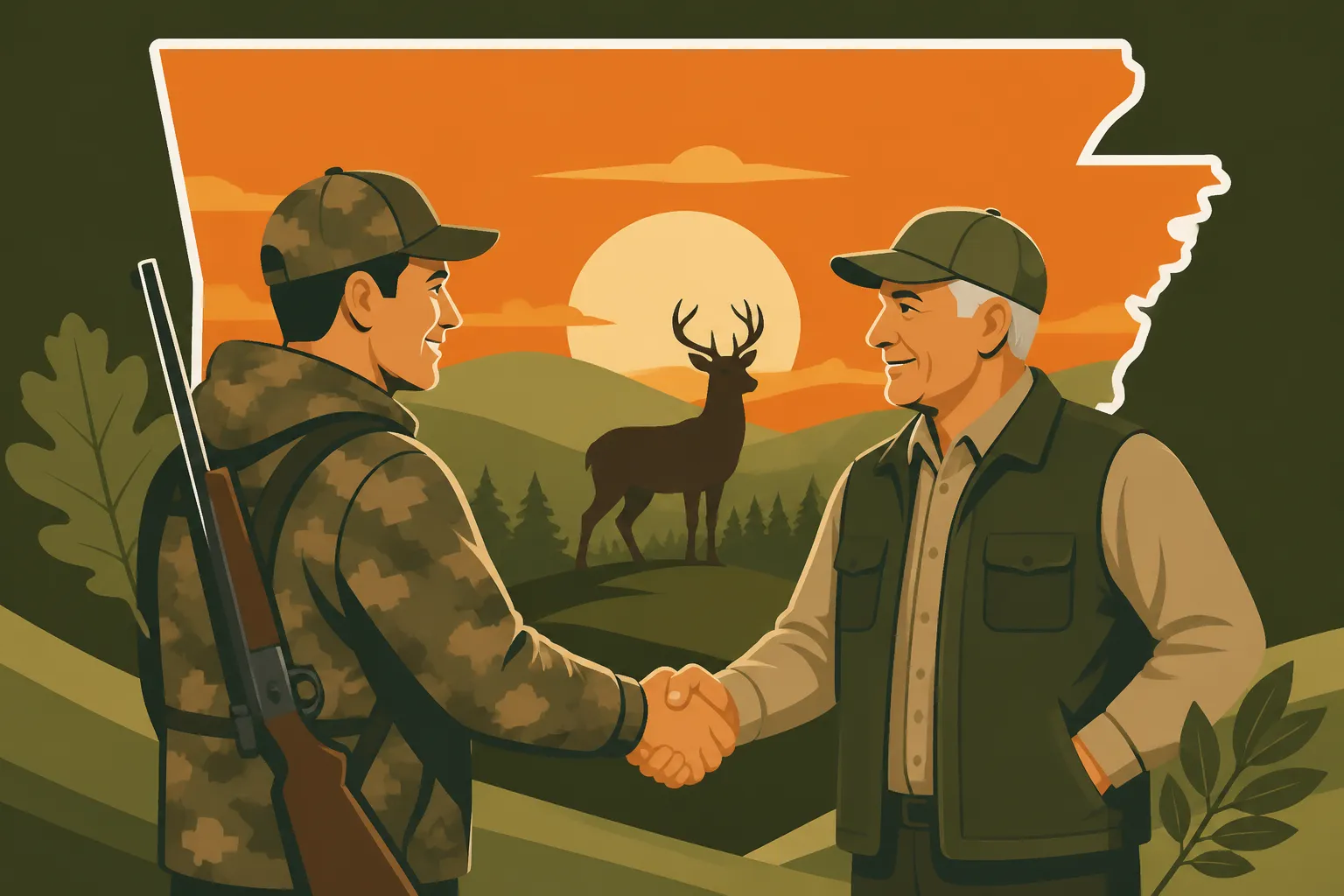
The most successful landowner-hunter relationships in Arkansas are built on mutual respect and benefit. It’s not just about what you can gain from the landowner, but also what you can offer in return. These relationships often evolve beyond simple permission, becoming genuine friendships that enrich both parties.
Offering Assistance and Building Goodwill
A genuine offer to help out around the property can go a long way in solidifying your hunting permission. Farmers and timberland owners are often busy, and an extra set of hands for chores can be a lifesaver. This could involve mending fences, helping with haying, clearing brush, fixing equipment, or even just keeping an eye on the property when they're away. It demonstrates your commitment and appreciation beyond just the hunting season. I've known hunters who've gained incredible access simply by showing up a few times a year to help with tasks, even outside of hunting season.
This kind of assistance builds goodwill and trust, proving that you're a responsible individual who cares about their land, not just the game on it. It’s a tangible way to say "thank you" and to show that you value the relationship. This doesn't mean you have to be a free farmhand, but occasional, thoughtful help can make a huge difference. Think about it from their perspective: they're granting you access to their livelihood, their home. Showing you're willing to invest a little sweat equity can be incredibly powerful. Beyond physical help, consider small, thoughtful gifts—a bag of coffee, a gift certificate, or an offer to share some of your harvested game. These gestures reinforce your gratitude, as detailed in Gifts and Thanks for Landowner Access.
Respecting the Land and Its Resources
When you're granted permission to hunt on private land, you become a temporary steward of that property. This means treating it with the utmost respect. Leave no trace behind: pack out all your trash, including spent shell casings, food wrappers, and anything else you bring in. Avoid damaging crops, fences, or equipment. Drive only on designated paths or where explicitly allowed by the landowner. If you must cross a field, do so carefully and avoid leaving ruts.
Respect for the land also extends to its wildlife. Adhere strictly to all game laws, bag limits, and season dates specific to your hunt area, whether it's Arkansas Deer Seasons and Zone Limits or Arkansas Turkey Seasons and Limits. Take ethical shots and make every effort to recover any game you harvest. If you encounter livestock, ensure gates are closed behind you and do nothing to disturb the animals. Remember, your actions reflect not just on you, but on all hunters. Being a responsible guest ensures that the landowner continues to have a positive view of hunters.
Long-Term Access Through Trust
The ultimate goal of seeking landowner permission is often to establish a long-term hunting relationship. This is only possible through consistent demonstration of trustworthiness and respect. Every interaction, every visit, every hunt is an opportunity to strengthen that bond. Be honest about your successes and failures, and always communicate openly with the landowner. If you see something unusual on their property, like damaged fences or suspicious activity, inform them. You become an extra set of eyes and ears for their land.
Over time, this trust can lead to even greater opportunities. A landowner who trusts you might offer access to different parts of their property, allow you to bring a friend, or even invite you to join them for a meal. These relationships are invaluable, often leading to friendships that extend far beyond the hunting season. They are a testament to the power of genuine human connection and shared appreciation for the outdoors. Cultivating these bonds is what truly makes hunting on private land in Arkansas special.
Managing Expectations and Setting Boundaries
Once permission is granted, it's easy to get excited and rush into the woods. However, taking the time to clearly communicate expectations and set boundaries with the landowner is crucial for a positive and lasting relationship. Don't assume anything; clarify everything. This prevents misunderstandings and ensures both parties are on the same page.
Clear Communication on Hunt Details
Before you ever step into the woods, sit down with the landowner and discuss all the specifics of your hunt. This includes:
- When you can hunt: Are there specific days of the week, times of day, or seasons you are restricted to? Can you scout before the season opens?
- Where you can hunt: Get clear boundaries. Can you hunt the entire property, or only specific fields or timber blocks? Are there areas off-limits, such as near their home, barns, or livestock? Use maps to mark boundaries if possible.
- What you can hunt: Confirm the species you are allowed to pursue. Is it just deer, or also turkey, small game, or ducks?
- How you will hunt: Will you use a treestand, ground blind, or still-hunt? Are ATVs allowed for access or game retrieval? What about dog usage, especially relevant if you are Running Deer Dogs in Arkansas or rabbit hunting with beagles?
- Access points: Where should you park? What gates can you use? Should gates be left open or closed?
- Who can hunt: Are you the only one with permission, or can you bring a guest? If so, do guests also need to meet the landowner?
- Contact protocol: How should you communicate with them? A quick text before heading out, or a call after the hunt? When should you not contact them?
These details, no matter how small they seem, are vital. A clear understanding prevents encroachment, disturbance, and potential conflicts.
Game Care and Harvest Reporting
Harvesting an animal is often the culmination of a hunt, but the responsibilities don't end there. Discuss with the landowner your plans for game care. Where will you field dress the animal? Do they have a designated area for gut piles, or do they prefer you pack everything out? If you retrieve a deer, what's the best route to get it out without damaging crops or soft ground? When will you be leaving the property after a successful harvest?
Additionally, always follow the proper Arkansas Deer Checking and Tagging rules. This includes checking your game through the AGFC's system. Some landowners, especially if they are interested in herd management, may appreciate knowing what you harvested (e.g., age, sex, approximate size of a deer). Sharing this information can be another way to build trust and demonstrate your commitment to responsible hunting and data collection, reinforcing your value as a conscientious hunter on their land.
Post-Hunt Follow-Up and Gratitude
The hunt might be over, but your relationship with the landowner shouldn't be. A simple "thank you" goes a long way. After each hunt, and certainly at the end of the season, take the time to express your gratitude. A phone call, a handwritten thank-you note, or a small gift are all appropriate gestures. If you harvested an animal, offering some of the cleaned meat or a photo of your success can be a great way to share the experience.
Even if you didn't harvest anything, thank them for the opportunity and the hospitality. Let them know you respected their land and followed their rules. This consistent follow-up reinforces your positive image and ensures they’ll be more likely to grant you permission again in the future. Remember, these are relationships, not transactions. Nurturing them builds a foundation for years of cherished hunting experiences in Arkansas.
Comparing Landowner Access to Guided Hunts
Deciding between seeking landowner permission and booking a guided hunt often comes down to personal preference, budget, and the type of experience you're seeking. Both have distinct advantages and disadvantages, and understanding them can help you make the best choice for your Arkansas hunting adventure.
Advantages and Disadvantages of Landowner Access
Hunting with landowner permission typically offers a more personalized, intimate, and often more affordable experience.
Advantages:
- Cost-Effective: Significantly cheaper than guided hunts, saving on guide fees, lodging, and sometimes meals.
- Authenticity and Independence: Provides a true DIY hunting experience, allowing you to scout, plan, and execute your hunt on your own terms. It connects you directly to the land and the local community.
- Less Pressure: Often, private land sees less hunting pressure than highly managed outfitters' properties or crowded public land.
- Flexibility: Once permission is granted, you often have more flexibility in scheduling your hunts within the agreed-upon terms, without being tied to an outfitter's calendar.
- Building Relationships: The opportunity to forge lasting friendships with local landowners, which can open doors to future hunting opportunities and a deeper connection to the area.
- Personalized Learning: You learn the specific nuances of a property, developing your woodsmanship and scouting skills.
Disadvantages:
- Time and Effort: Requires significant time and effort for scouting, researching landowners, and making personal connections. This isn't a "show up and hunt" scenario.
- Uncertainty: No guarantee of getting permission, or that the permission will lead to a successful hunt.
- No Amenities: You're on your own for lodging, meals, transportation, and game processing.
- Lack of Expert Guidance: You won't have a professional guide to help with tactics, retrieve game, or provide local knowledge. You're responsible for all decisions.
- Limited Access: Permission might be granted for specific areas or species, not the entire property or all available game.
- Liability Concerns: Both the hunter and landowner must be mindful of potential liability issues, though often mitigated by recreational use statutes.
When a Guided Hunt Might Be a Better Fit
While landowner access is appealing, there are certainly scenarios where a guided hunt makes more sense. Outfitters provide a comprehensive service that can alleviate many of the challenges associated with DIY hunting.
Reasons to choose a guided hunt:
- Guaranteed Access to Productive Land: Outfitters typically lease or own prime hunting ground, often managed specifically for hunting success. This is particularly true for world-class duck hunting in the Arkansas Delta WMAs and Green Timber or trophy deer.
- Expert Knowledge and Assistance: Guides possess invaluable local knowledge about game patterns, best hunting times, and effective tactics. They often handle scouting, setup, and even game retrieval.
- Convenience and Comfort: Many outfits offer all-inclusive packages with lodging, meals, transportation to the hunting spots, and game processing services, making for a worry-free trip. What an Arkansas Duck Lodge Provides outlines many of these conveniences.
- Higher Success Rates: While never guaranteed, the resources and expertise of an outfitter often lead to higher statistical chances of harvesting game, especially for specific trophy animals or challenging species.
- First-Time Hunters or Specific Species: If you're new to hunting, new to Arkansas, or targeting a particularly difficult species like Black Bear Hunting in Arkansas, a guide can provide the necessary instruction and support.
- Group Hunts: Guided hunts can be an excellent option for groups of friends or corporate outings, as the logistics are handled professionally.
The Blended Approach: Utilizing Resources
It's not always an either/or situation. Sometimes, a blended approach can leverage the benefits of both options. For instance, you might use resources designed for booking guided hunts, such as BookYourHunt or GoHunt, not necessarily to book an actual guided trip, but to research areas where outfitters operate. This can give you an idea of highly productive regions for certain species. You can then use this information to target landowners in those general vicinities for potential permission requests for your DIY trip.
Alternatively, some hunters might opt for a guided hunt for a specific bucket-list species or a first-time trip to get a feel for Arkansas hunting, and then use that experience to inform their efforts to gain landowner access for subsequent, more independent hunts. This allows you to learn from the pros while still nurturing your desire for self-reliance. It's about being strategic with your resources and tailoring your hunting experience to your personal goals and budget.
Here's a quick comparison of key factors:
| Feature | Landowner Access (DIY) | Guided Outfitter Hunt |
|---|---|---|
| Cost | Low (licenses, gear, travel) | High (guide fees, lodging, meals, tips, licenses) |
| Effort Required | High (scouting, outreach, relationship building) | Low (outfitter handles logistics) |
| Experience Level | Best for experienced, self-reliant hunters | Good for all levels, especially beginners |
| Local Knowledge | Hunter must acquire through scouting/research | Provided by expert guide |
| Success Rate | Varies, depends on hunter skill and property | Often higher due to managed land and guide expertise |
| Amenities | None (hunter provides own) | Full-service (lodging, meals, transport, game care) |
| Flexibility | High (within agreed-upon terms) | Limited (tied to outfitter's schedule) |
| Personal Connection | High (direct with landowner) | Moderate (with guide and staff) |
| Liability | Shared responsibility, understand state laws | Outfitter typically carries insurance, waivers used |
| Primary Goal | Independent hunt, relationship building | Efficient harvest, convenient experience |
Disclaimer
This article is for general informational purposes only and does not constitute professional advice. Laws, prices and regulations vary by location and change over time. Consult a qualified professional for guidance on your specific situation.